

Bodega Cerro del Toro
Piriápolis
Winery in Piriápolis, Uruguay
 Book with Pearl
The Read
Coastal Maldonado Viticulture
Price
$30–50tasting
Why go
Bodega Cerro del Toro is worth shortlisting for a special-occasion winery visit near Piriápolis, especially if the goal is a quieter, wine-led stop rather than a casual drop-in. The prestige signal is strong, but sparse public logistics make it better for flexible couples or small groups than large parties or tightly timed itineraries.
About Bodega Cerro del Toro
Pearl 2 Star Prestige (2025) is the clearest confirmed reason to put Bodega Cerro del Toro on a Piriápolis shortlist. Beyond that recognition and a smart-casual dress code, details are limited, making it a plan-ahead choice rather than a venue to evaluate on detailed published amenities.
The right guest is someone who wants a Piriápolis venue with a confirmed prestige signal and is comfortable checking current arrangements directly before committing. As hours, prices, capacity, menu format, tasting structure, or other services are not confirmed, the value case should rest on the confirmed recognition and the Piriápolis setting, not on assumptions about what the visit includes. For broader trip planning around the same base, consider Bodega Cerro del Toro alongside other Piriápolis options as you shape the day.
A stronger fit for a planned visit than an open-ended itinerary
The case is strongest if the occasion calls for a Piriápolis stop with a confirmed Pearl 2 Star Prestige (2025) signal and smart-casual expectations. The practical tradeoff is that details are thin: pricing, hours, contact information, capacity, specific offerings, and visit format are not available. That does not make Bodega Cerro del Toro a weak choice, but it does mean travelers should confirm essentials before building the day around it.
If the priority is comparing it with other venues, keep the geography clear and the expectations flexible. Bodega Garzón, Bodega Oceánica José Ignacio, Bodega Sacromonte, Bracco Bosca, and Viña Edén are useful names to consider for a wider comparison set, while other dining in Piriápolis can be treated generically when the day needs a meal or a simpler local stop.
Use it when the confirmed signal matters more than maximum detail
The main reason to choose Bodega Cerro del Toro is not breadth of published information; it is the combination of Piriápolis, smart-casual dress code, and Pearl 2 Star Prestige (2025). That suits travelers who are comfortable confirming the current details themselves before visiting. It is less convincing for anyone who needs confirmed hours, prices, capacity, or service format before deciding.
Cross-shopping helps, but it should not turn into overclaiming. Compare Bodega Cerro del Toro with Bodega Garzón, Bodega Oceánica José Ignacio, Bodega Sacromonte, Bracco Bosca, and Viña Edén as separate venues rather than assuming they offer the same format, scale, or location. For Piriápolis itself, keep unnamed local dining options in mind if the plan needs flexibility around the visit.
Verdict: shortlist Bodega Cerro del Toro for a Piriápolis stop when Pearl 2 Star Prestige (2025) and a smart-casual setting are enough to justify direct confirmation. If the trip needs guaranteed structure, published logistics, or confirmed large-format hospitality details, compare first rather than forcing it into the plan.
Planning details
- Location
- 4QQ5+H3, 20200 Piriápolis, Maldonado Department
- Website
- cerrodeltoro.uy
- Phone
- +598 92 703 314
The take
The Take
The Vibe
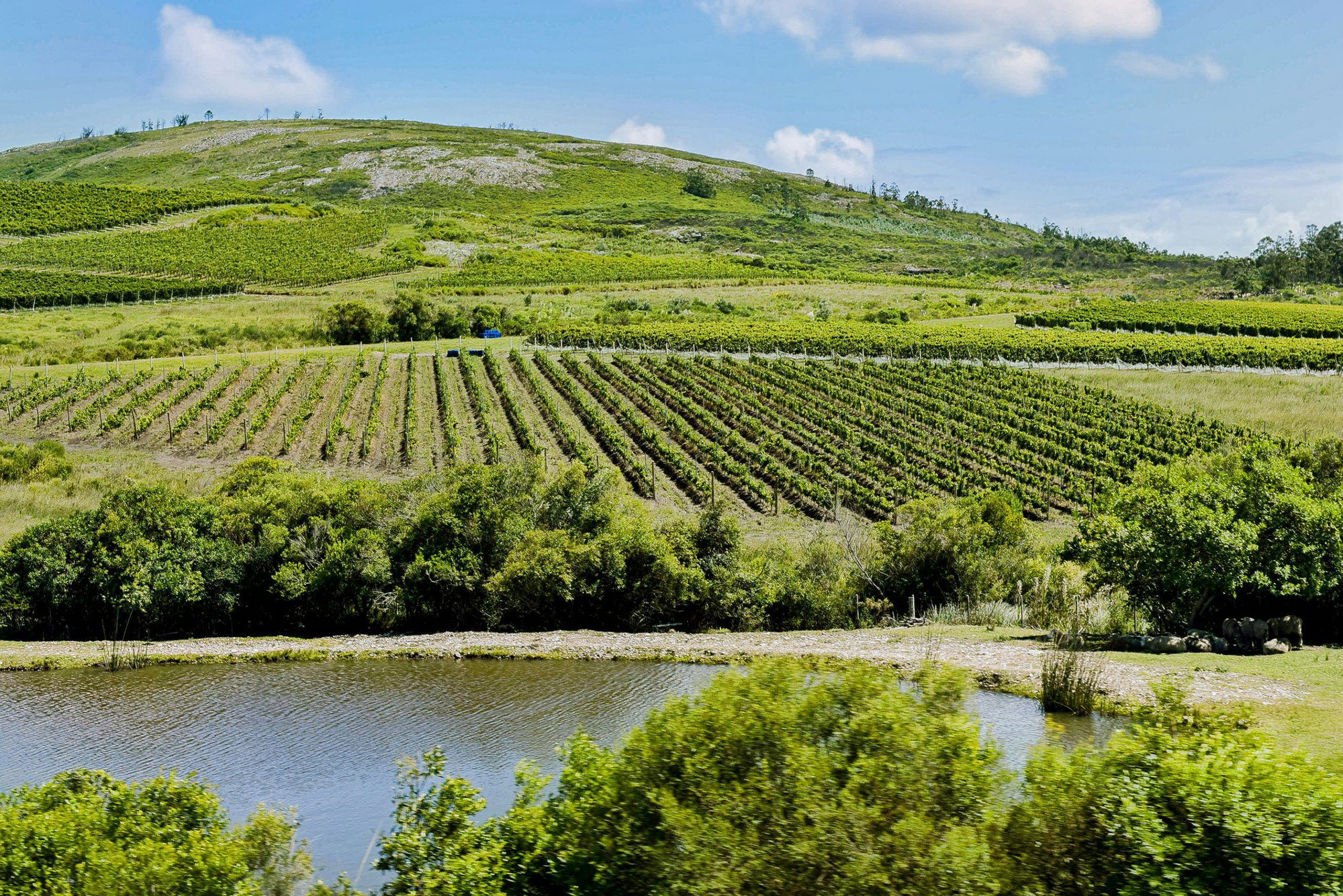
Bodega Cerro del Toro reads like a coastal, terroir-driven winery that prizes site specificity over commercial uniformity. The narrative emphasizes Atlantic influence — steady maritime breezes and granite outcrops — that temper ripening and shape a more restrained, acidic profile, particularly in Tannat. The vineyard setting and recent Pearl 2 Star Prestige recognition position the estate as a thoughtful, refined presence on the Maldonado coast. Visitors can expect a landscape-forward, contemplative character: windswept slopes and focused wines that favor savory depth and structural finesse rather than overt ripeness.
Best For
This producer is best for visitors who come for serious wine study and scenic vineyard context. The copy frames Cerro del Toro as a place for people interested in terroir differences — especially coastal expressions of Tannat — and for groups or couples seeking a memorable, higher-tier tasting experience linked to the estate’s 2025 Pearl 2 Star Prestige. It appeals to travelers who prioritize education and nuance over casual tasting, making it a logical stop for wine-focused excursions and special-occasion visits in the Piriápolis area.
Tasting Tips
When exploring the cellar, prioritize bottles that showcase the coastal Tannat and recent vintages that reflect the Atlantic influence described in the piece. Ask staff or the host about how maritime breezes and granite soils shape individual parcels and which bottlings are labelled by site or vintage. If comparative options exist, taste a coastal Tannat alongside a warmer-region Tannat to hear the contrast in acidity, tannin resolution and savory profile noted in the write-up.
Venue details
Ambiance
Bright, open atmosphere with spectacular deck seating overlooking the ocean and surrounding hills; natural light and coastal breezes define the experience.
Tags
Vibe
Best For
Experience
Sourcing
View
At the Vineyard
- Appellation
- Maldonado
- Varietals
- Tannat, Albariño, Pinot Noir, Chardonnay, Pinot Rosé
- Tour Duration
- 1.5 hours
- Tour Languages
- Spanish, English
- Visits
- By reservation
- Farming
- Sustainable
- Wine Styles
- Still White, Still Red, Still Rose
- Food Pairing
- Offered
- Wine Club
- Not available
Know before you go
Know Before You Go
- Getting there
- 4QQ5+H3, 20200 Piriápolis, Maldonado Department
Planning details
Location
Also consider
Also Consider
- Viña Edén, Notable alternative
- Bodega Sacromonte, Notable alternative
- Bodega Oceánica José Ignacio, Notable alternative
- Bracco Bosca, Notable alternative
- Bodega Garzón, Notable alternative
Winery context
How it compares with nearby winery options
Bodega Cerro del Toro is the Piriápolis pick for travelers who want the winery visit to feel closer to the coast and less like a full-day detour. Viña Edén and Bodega Sacromonte are stronger cross-shops if the brief is a more destination-led wine day outside the city; choose them when the route can absorb extra travel and the group wants the winery itself to be the main event.
For ambience, Bodega Cerro del Toro reads as the calmer special-occasion option near Piriápolis, while Bodega Oceánica José Ignacio is the better comparison for travelers already orienting the trip around the José Ignacio side of Maldonado. Bracco Bosca makes more sense for visitors weighing a broader Uruguay winery circuit rather than a Piriápolis-focused stay.
If the decision is value versus certainty, Bodega Garzón is the safer cross-shop for a larger, more established destination-style experience. Bodega Cerro del Toro is the more targeted choice when proximity to Piriápolis, a quieter mood, and a celebration-friendly tasting matter more than scale.
Explore Piriápolis
Around this place
Discover more on Pearl
Unlock the full Bodega Cerro del Toro guide in Pearl, including awards, comparisons, FAQs, planning details, and nearby places.
Compare Bodega Cerro del Toro
| Venue | Location | Awards |
|---|---|---|
| Bodega Cerro del Toro | Piriápolis | No published awards |
| Viña Edén | Maldonado | No published awards |
| Bodega Sacromonte | Maldonado | No published awards |
| Bodega Oceánica José Ignacio | Maldonado | No published awards |
| Bracco Bosca | Canelones | 2026 Falstaff Winery Guide |
| Bodega Garzón | Maldonado | 2026 Falstaff Winery Guide2025 World's 50 Best Vineyards · #42024 World's 50 Best Vineyards · #112023 World's 50 Best Vineyards · #62022 World's 50 Best Vineyards · #102021 World's 50 Best Vineyards · #42020 World's 50 Best Vineyards · #22019 World's 50 Best Vineyards · #2 |


How Bodega Cerro del Toro Piriápolis compares with similar nearby venues.
FAQ
Frequently Asked Questions
How long should I plan for a visit to Bodega Cerro del Toro?
Details on visit length, hours, or format are not available. Plan only after checking current arrangements directly with the venue. Its Piriápolis location, smart-casual dress code, and Pearl 2 Star Prestige (2025) are known.
Is the wine club at Bodega Cerro del Toro worth joining?
Information confirming a wine club or its terms is not available. Base your decision on current information from the venue rather than assuming a membership program exists.
What other venues can I compare with Bodega Cerro del Toro?
For comparison, consider Bodega Garzón, Bodega Oceánica José Ignacio, Bodega Sacromonte, Bracco Bosca, and Viña Edén. Do not assume they share the same location, format, services, or scale as Bodega Cerro del Toro.
When is the best time to visit Bodega Cerro del Toro?
The best time, hours, or visit schedule are not available. The safest approach is to check current details directly before planning around Bodega Cerro del Toro in Piriápolis.
What is the flagship wine at Bodega Cerro del Toro?
Details on the flagship wine are not available. The Piriápolis location, smart-casual dress code, and Pearl 2 Star Prestige (2025) are known.