
House of Arras
Pipers River
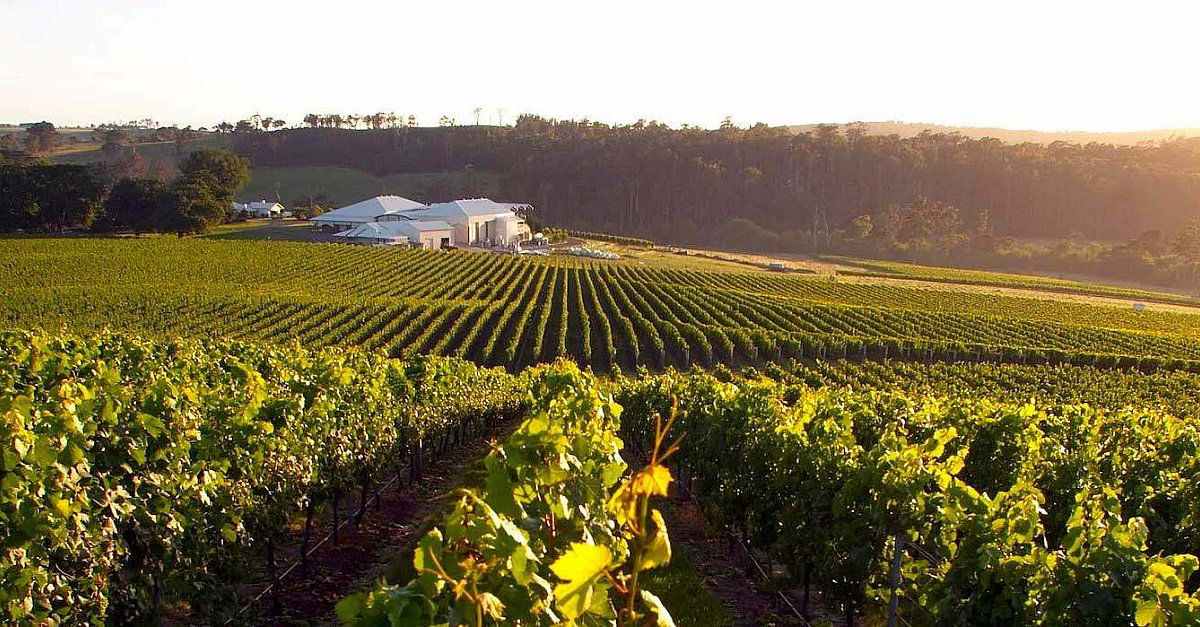
Winery in Pipers River, Australia
 Book with Pearl
The Read
Cold-Climate Méthode Traditionnelle
Price
$10–20tasting
Why go
Book House of Arras if the Pipers River trip is built around Tasmanian sparkling wine and you want the day to have a clear focus. It is a stronger anchor than a casual filler stop, especially when paired with Jansz Tasmania or nearby vineyard visits rather than a rushed multi-region itinerary.
About House of Arras
House of Arras is a venue in Pipers River with Pearl 2 Star Prestige recognition for 2025. The venue is in Pipers River, the dress code is smart casual, and practical details should be checked before you go. That makes it a stop best approached with a little preparation. The recognition gives it a clear reason to be on the shortlist.
Use House of Arras as a considered stop rather than building expectations around specifics you have not yet confirmed. In practice, that means treating it as a venue to check before committing the rest of your schedule around it. Confirm the current visit format, availability, and any practical requirements directly with the venue before making firm plans. A quick check can help you understand whether it suits the kind of day you are organising, while keeping expectations aligned with current and reliable information.
Plan it as a considered Pipers River stop
The clearest reason to prioritise House of Arras is its Pearl 2 Star Prestige recognition for 2025. That recognition is the strongest public signal available here, and it is enough to make the venue relevant when you are weighing up a visit. If you are comparing options for a broader itinerary, Delamere Vineyards and Pipers Brook Vineyard are useful names to keep in the same trip-planning set, along with Jansz Tasmania. Keeping those names together can help you think through the day at a regional level, without assuming that each venue will operate in the same way or offer the same kind of experience.
Do not rely on assumptions about services, menus, or group arrangements. The practical move is to confirm the details that matter for your visit, then decide how House of Arras fits into the rest of the day. That may include checking whether the timing, format, and any requirements match your plans, especially if you are coordinating with other venues or trying to keep the day simple. The smart casual dress code gives some guidance on how to approach the visit, but it does not replace the need to confirm the operational details that affect the actual experience.
Who should choose it over the other options
Choose House of Arras if you want a Pipers River venue with Pearl 2 Star Prestige recognition for 2025 and you are comfortable checking current details before visiting. It suits planners who prefer to begin with a marker of recognition, then refine the itinerary once the practical information is confirmed. Jansz Tasmania, Pipers Brook Vineyard, and Delamere Vineyards are natural comparison points for itinerary planning. Southern Wild Distillery and Hellyers Road Distillery may suit a different kind of regional plan. The distinction is less about ranking every option against one another and more about deciding what kind of stop belongs in your day.
For trip planning, keep the confirmed information front and centre: House of Arras is in Pipers River, the dress code is smart casual, and the venue has Pearl 2 Star Prestige recognition for 2025. Anything beyond that should be checked directly before you build the day around it. This is especially important if your plans depend on timing, availability, or a particular visit format. With those details confirmed, House of Arras can be considered on the strength of what is known, rather than on expectations that may not match the current offer.
Planning details
- Location
- 40 Baxters Rd, Pipers River TAS 7252
- Website
- houseofarras.com.au/pages/house-of-arras-bookings
- Phone
- +61 3 6382 7622
The take
The Take
The Vibe
House of Arras reads like a classic, terroir-driven sparkling house. The copy foregrounds méthode traditionnelle and direct comparisons with Champagne and Franciacorta, positioning the estate within a long-established technical lineage rather than as a trendy newcomer. The writing emphasizes cool-climate rigor — basalt and dolerite soils, maritime air and diurnal range — which reinforces a restrained, structured profile in the bottle. At the premium end of Australian sparkling wine with a Pearl 2 Star Prestige rating, the estate feels timeless and craft-focused: refined in ambition and rooted in place.
Best For
This is a destination for people who want to learn about sparkling wine and for those marking a special occasion. The text explicitly frames Tasmania’s cool climate as a teaching point and highlights House of Arras’s standing among collectors and prestige cuvées, suggesting visits where the focus is on tasting, provenance and the technical merits of extended lees ageing. It suits visitors seeking in-depth conversation about viticulture and méthode traditionnelle or those celebrating an event with something notably collectible.
Tasting Tips
Prioritize the estate’s core sparkling offerings and any prestige cuvée noted by its Pearl 2 Star Prestige rating — these wines demonstrate the long lees ageing and high acidity the copy emphasizes. When tasting, focus on structure and acidity rather than overt ripeness; the estate’s cool-climate profile is described as producing a taut, linear base wine built for ageing. Pair any purchase or tasting notes with questions about vintage conditions and lees time to better understand why Pipers River’s geology and maritime climate matter to the wine’s profile.
Venue details
Ambiance
Beautiful cellar door overlooking picturesque lake, vineyard, and river with native woodlands and wildlife sightings.
Tags
Vibe
Best For
Experience
View
At the Vineyard
- Appellation
- Tasmania
- Varietals
- Chardonnay, Pinot Noir, Pinot Meunier
- Tour Duration
- 60-90 minutes
- Visits
- By reservation
- Production
- Mid-size producer
- Wine Styles
- Sparkling
- Food Pairing
- Offered
- Wine Club
- Not available
Know before you go
Know Before You Go
- Getting there
- 40 Baxters Rd, Pipers River TAS 7252
Planning details
Location
40 Baxters Rd, Pipers River TAS 7252 · Directions
Recognition and awards

Also consider
Also Consider
- Delamere Vineyards, Notable alternative
- Jansz Tasmania, Notable alternative
- Pipers Brook Vineyard, Notable alternative
- Southern Wild Distillery, Notable alternative
- Hellyers Road Distillery, Notable alternative
Winery context
How House of Arras compares in Pipers River
House of Arras is the pick when sparkling wine is the main reason for the trip. Jansz Tasmania is the cleanest comparison for a same-region sparkling itinerary, and the stronger cross-shop if availability is easier or the group wants a second Pipers River stop with a similar focus.
Delamere Vineyards and Pipers Brook Vineyard make more sense for travellers who want a broader vineyard day rather than a tightly sparkling-led plan. For value, compare total time and route efficiency as much as tasting cost, because a crowded itinerary can make even a strong cellar-door visit feel rushed.
Southern Wild Distillery and Hellyers Road Distillery are better treated as spirits-led alternatives, not direct winery substitutes. Choose them when the group is split on wine, but keep House of Arras ahead of them if the brief is Tasmanian sparkling.
Explore Pipers River
Around this place
Discover more on Pearl
Unlock the full House of Arras guide in Pearl, including awards, comparisons, FAQs, planning details, and nearby places.
Compare House of Arras
| Venue | Location | Awards |
|---|---|---|
| House of Arras | Pipers River | 2026 Falstaff Winery Guide |
| Delamere Vineyards | Pipers Brook | No published awards |
| Jansz Tasmania | Pipers River | 2026 Falstaff Winery Guide |
| Pipers Brook Vineyard | Pipers Brook | No published awards |
| Southern Wild Distillery | Devonport | No published awards |
| Hellyers Road Distillery | Burnie | No published awards |
How House of Arras Pipers River compares with similar nearby venues.
FAQ
Frequently Asked Questions
Does House of Arras offer shipping?
Does House of Arras serve food?
What other venues can I compare with House of Arras?
Delamere Vineyards, Jansz Tasmania, and Pipers Brook Vineyard are useful comparison points for itinerary planning. Southern Wild Distillery and Hellyers Road Distillery may suit a broader regional plan.
Does House of Arras offer a membership program?
If membership is available, compare the current terms directly with your own plans before joining.
When is the best time to visit House of Arras?
What is the signature offering at House of Arras?
The confirmed anchors are that House of Arras is in Pipers River, has a smart casual dress code, and holds Pearl 2 Star Prestige recognition for 2025.