Delamere Vineyards
Pipers Brook
Winery in Pipers Brook, Australia
 Book with Pearl
The Read
Cool-Climate Terroir Precision
Price
$20–30tasting
Why go
Delamere Vineyards is worth targeting for a quieter, wine-led stop in Pipers Brook, especially for a date or celebration where conversation matters. It is less suitable as a casual all-in-one food-and-wine plan, so pair it with nearby cellar doors or distillery stops if the group needs a broader itinerary.
About Delamere Vineyards
Delamere Vineyards is a Pipers Brook venue with a casual dress code and Pearl 2 Star Prestige recognition for 2025. Beyond those confirmed points, planning details such as service format, tastings, food availability, booking requirements, prices, opening hours, and shipping should be checked directly with the venue before you build an itinerary around it.
If you are comparing options in and around Pipers Brook, keep Delamere Vineyards on the shortlist. Confirm the practical details that matter for your visit directly with the venue.
Plan with direct information, not assumptions
Avoid assuming a particular visit style, menu, tasting format, or group setup. The safest approach is to contact Delamere Vineyards directly, especially if the visit is for a date, anniversary, group outing, or time-sensitive itinerary.
For comparison planning, nearby names such as Pipers Brook Vineyard can help you shape a broader route. Keep those comparisons practical: check each venue's current public information before deciding where to spend the most time.
Plan the day around Pipers Brook, not a single stop
Pipers Brook planning is strongest when it is based on current details. Use broader Pipers Brook guides to shape a route, then confirm any food, drink, accommodation, timing, or experience details directly with the relevant venues before you commit.
The verdict: consider Delamere Vineyards when you want a casual Pipers Brook stop with confirmed Pearl 2 Star Prestige recognition for 2025. Before committing, verify the venue's current availability, services, and visit format directly.
Planning details
- Location
- 4238 Bridport Rd, Pipers Brook TAS 7254
- Website
- delamerevineyards.com.au
- Phone
- +61 456 910 274
The take
The Take
The Vibe
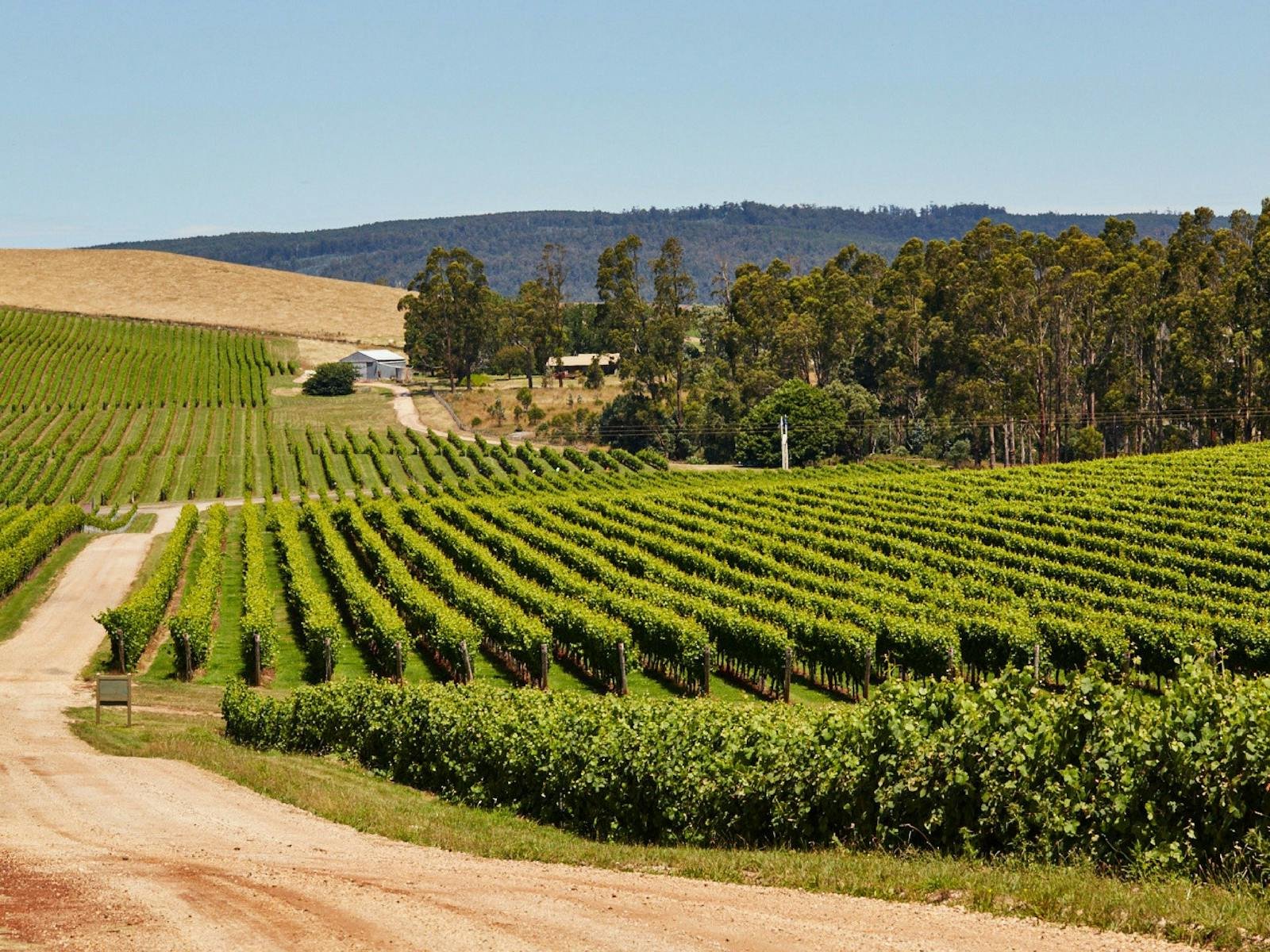
Delamere Vineyards reads like a study in cool-climate restraint. Set amid Pipers Brook's windswept, dolerite-strewn terrain, the winery produces taut, mineral-driven wines that unfold slowly on the palate. The prose of the region — long ripening windows, acid retention and concentrated flavour from shallow, well-drained soils — shapes everything here, and the Pearl 2 Star Prestige rating for 2025 underlines that the careful, classical approach is paying off. Visitors encounter a quietly sophisticated, contemplative place where terroir and technique are front and centre, and where wines reward patience and close attention.
Best For
Delamere is best for people who come to learn and reflect rather than to be entertained. The writing leans heavily on geology, climate and viticultural practice, so the cellar door suits solo explorers, small groups focused on wine education and families who appreciate a measured tasting experience. It’s an ideal stop for guests seeking a sense of place—those who want to compare cool-climate expressions, ask about growing conditions and taste wines that emphasize structure and minerality rather than immediate fruitiness.
Tasting Tips
Ask to taste the estate releases that were part of the Pearl 2 Star Prestige recognition and focus on wines described as taut or structured; the notes about dolerite soils and a long ripening season indicate mineral-driven, high-acid styles that evolve in the glass. If you’re interested in cellar potential, ask staff about vintages and how the wines develop with time — the profile described in the text rewards patience. Keep questions rooted in terroir and ripening conditions rather than looking for bold, early-drinking fruit.
Venue details
Ambiance
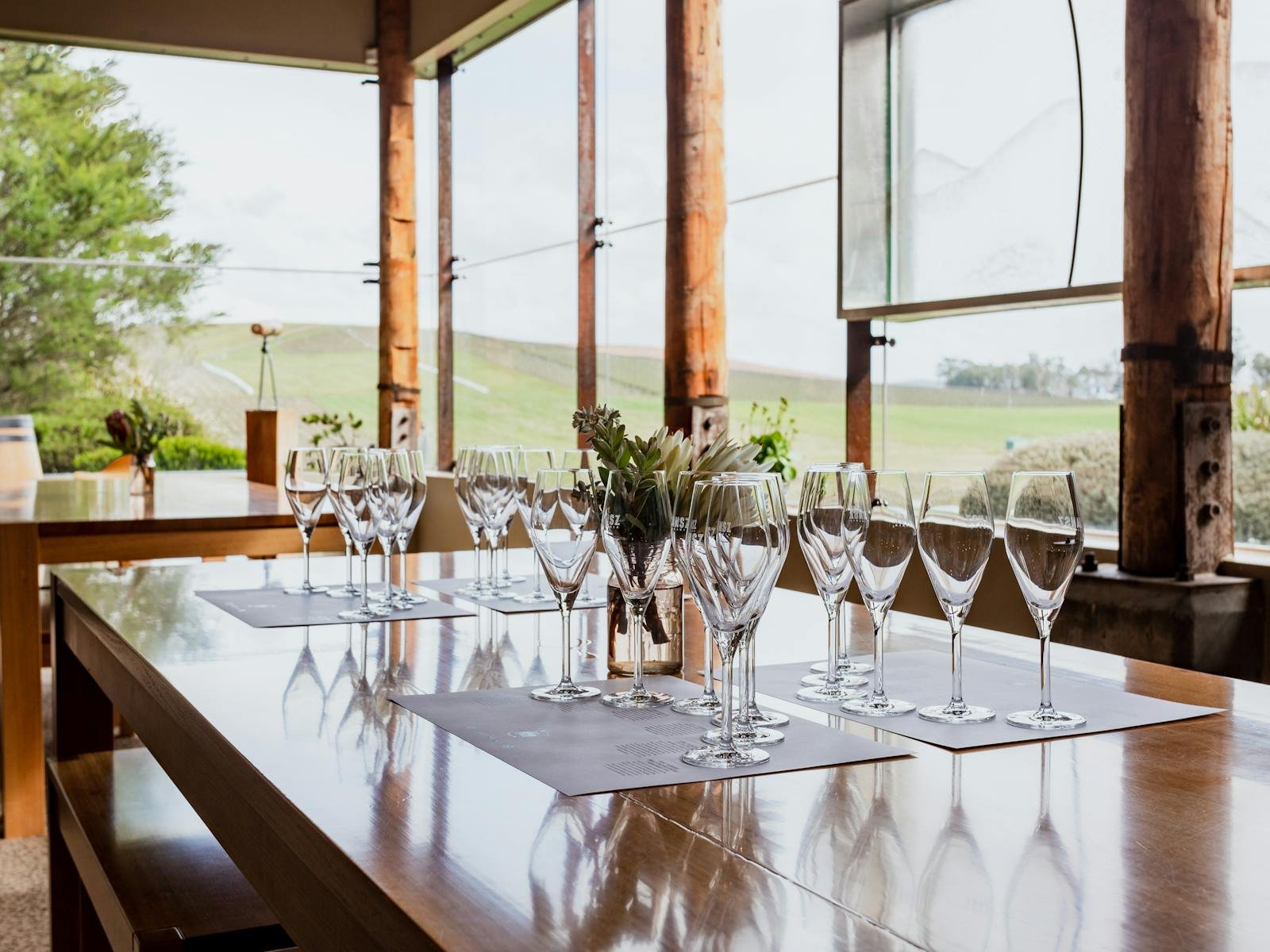
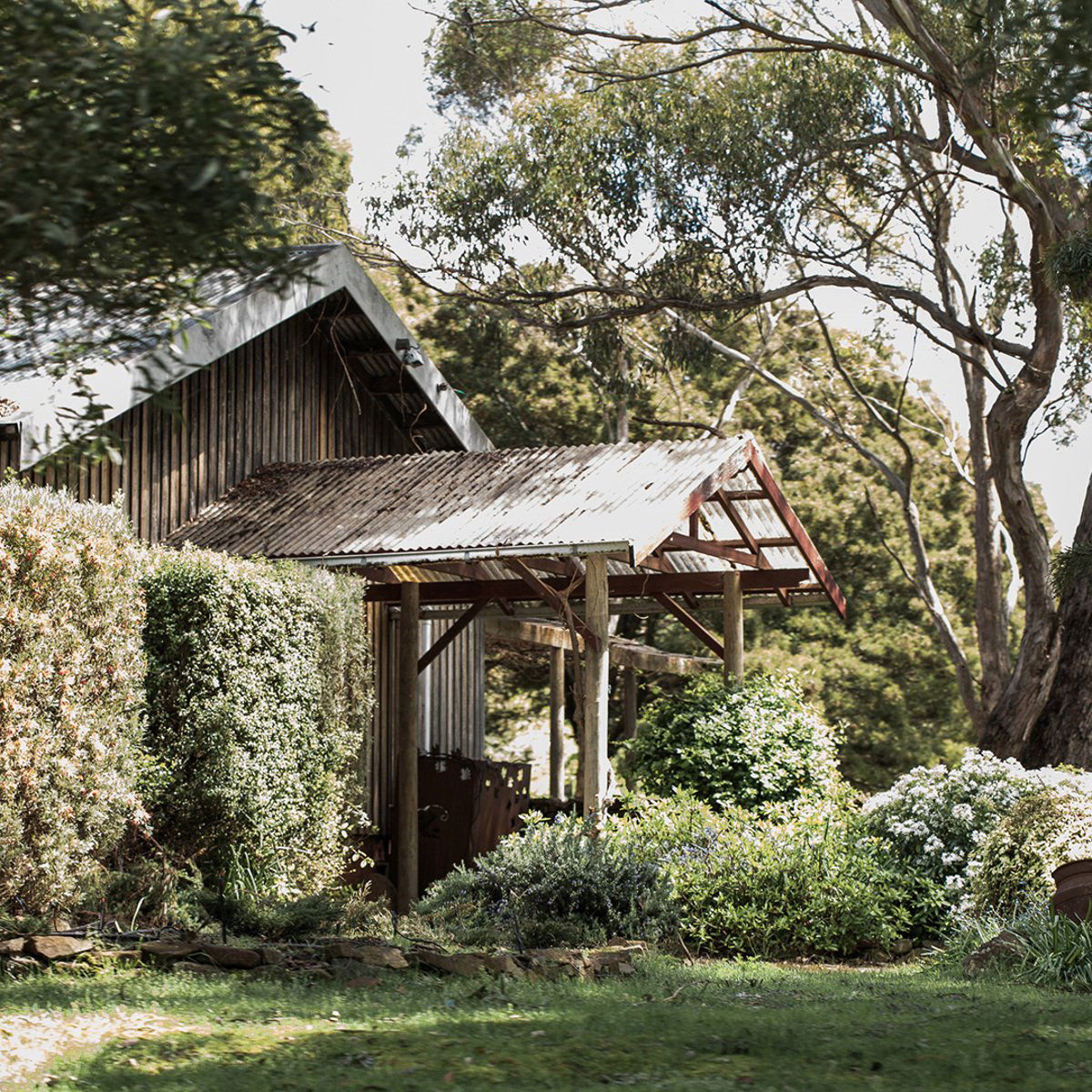
Rustic bush garden setting with beautiful gardens, spacious grounds, and a cozy winery-attached cellar door blending into the landscape.
Tags
Vibe
Best For
Experience
View
At the Vineyard
- Appellation
- Pipers Brook
- Varietals
- Pinot Noir, Chardonnay
- Visits
- Walk-ins welcome
- Production
- Small producer
- Wine Styles
- Sparkling, Still Red, Still White, Still Rose
- Food Pairing
- Offered
- Wine Club
- Available
Know before you go
Know Before You Go
- Getting there
- 4238 Bridport Rd, Pipers Brook TAS 7254
Planning details
Location
Also consider
Also Consider
- Jansz Tasmania, Notable alternative
- Pipers Brook Vineyard, Notable alternative
- House of Arras, Notable alternative
- Southern Wild Distillery, Notable alternative
- Hellyers Road Distillery, Notable alternative
Winery context
How it compares in and around Pipers Brook
Jansz Tasmania is the easier recommendation for visitors who want a more recognisable sparkling-wine stop, while Delamere Vineyards is the better call for a quieter, more focused tasting plan. If booking friction is the concern, treat Delamere as the harder slot and keep Jansz as the safer fallback for a polished regional itinerary.
Pipers Brook Vineyard is the more obvious choice for groups who want a broader cellar-door day in Pipers Brook. Delamere is better for a smaller celebration where ambiance and pacing matter more than range of facilities. House of Arras should be cross-shopped by sparkling-wine drinkers who want a more specialist regional benchmark.
If the group is not fully wine-focused, Southern Wild Distillery and Hellyers Road Distillery make more sense as contrast stops, especially for mixed tastes. For broader Australian drinking itineraries beyond Tasmania, compare with Adelaide Hills Distillery (78°) in Adelaide Hills, Adelina Wines in Clare Valley, Alkina Wine Estate in Barossa Valley, All Saints Estate in Rutherglen, Angove Family Winemakers in Renmark, Animus Distillery in Kyneton, Archie Rose Distilling Co in Sydney, 00 Wines in Carlton, and 1310 Spirit of the Country Distillery in Sierning.
Explore Pipers Brook
Around this place
Discover more on Pearl
Unlock the full Delamere Vineyards guide in Pearl, including awards, comparisons, FAQs, planning details, and nearby places.
Compare Delamere Vineyards
| Venue | Location | Awards |
|---|---|---|
| Delamere Vineyards | Pipers Brook | No published awards |
| Jansz Tasmania | Pipers River | 2026 Falstaff Winery Guide |
| Pipers Brook Vineyard | Pipers Brook | No published awards |
| House of Arras | Pipers River | 2026 Falstaff Winery Guide |
| Southern Wild Distillery | Devonport | No published awards |
| Hellyers Road Distillery | Burnie | No published awards |

How Delamere Vineyards Pipers Brook compares with similar nearby venues.
FAQ
Frequently Asked Questions
Do I need a reservation at Delamere Vineyards?
When is the best time to visit Delamere Vineyards?
Please check the venue's current schedule for specific opening hours before planning your Pipers Brook visit.
Does Delamere Vineyards serve food?
Are membership or club details confirmed for Delamere Vineyards?
Please review the venue's current terms directly for membership or club details before making any commitment.
Does Delamere Vineyards offer shipping?
Please contact Delamere Vineyards directly for shipping details before planning an order.
How long should I plan for a visit to Delamere Vineyards?
Please confirm the current format and timing with Delamere Vineyards to determine your visit length before setting your Pipers Brook itinerary.