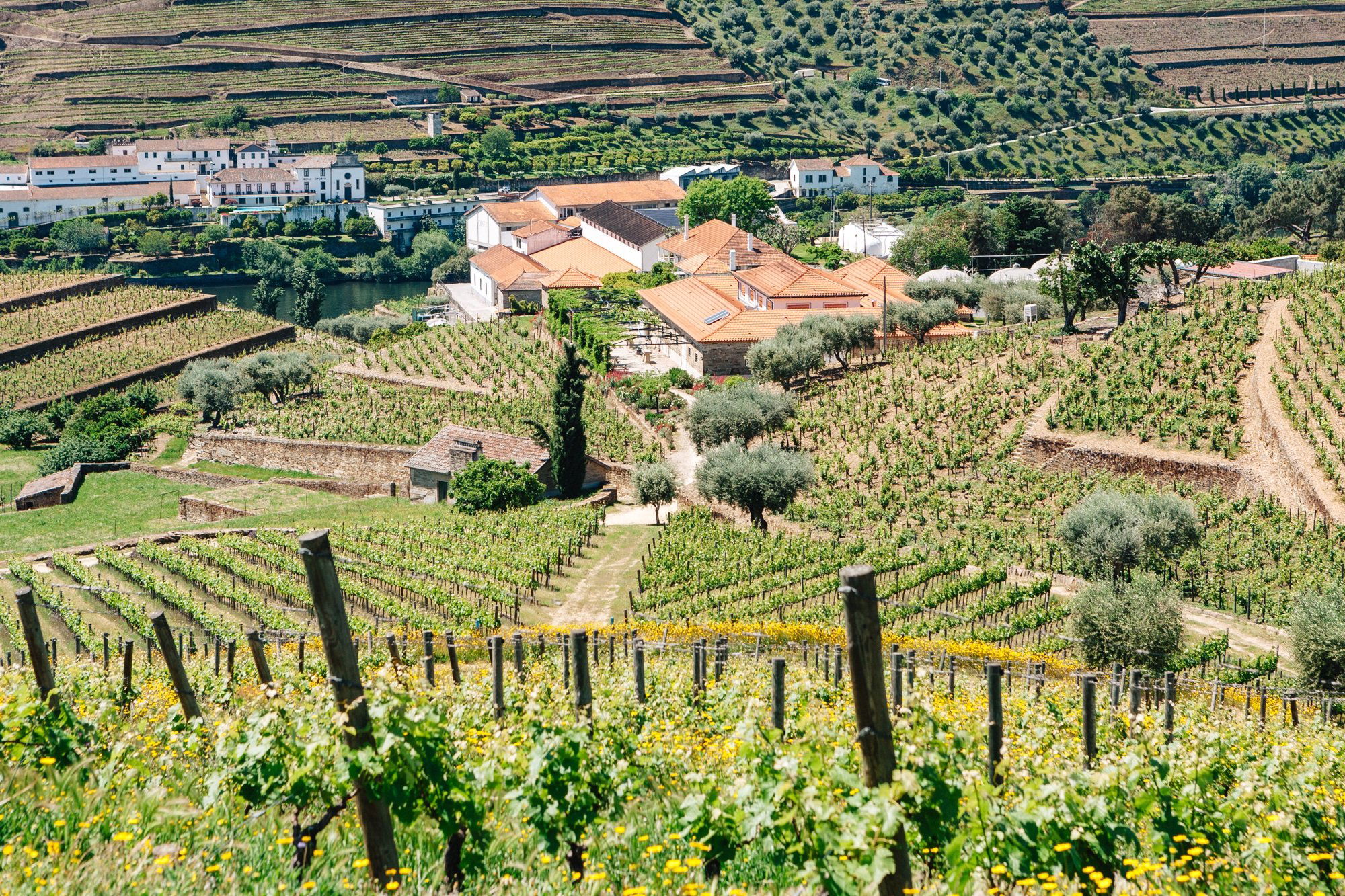
Quinta da Roêda (Croft)
Pinhão
Winery in Pinhão, Portugal
 Book with Pearl
The Read
Single-Quinta Schist Terroir
Price
$20–30tasting
Why go
Prioritise Quinta da Roêda (Croft) if the goal is a polished, port-focused Douro estate visit in Pinhão. It is a weaker choice for travellers who need a confirmed food-pairing program or large-group setup, so compare it with Quinta do Bomfim, Quinta das Carvalhas, and Quinta do Noval before building the day around it.
About Quinta da Roêda (Croft)
For a visit in Pinhão, Quinta da Roêda (Croft) is a Pearl 2 Star Prestige venue for 2025. Beyond that recognition and a casual dress code, specific details should be confirmed directly with the venue before you build a full itinerary around it.
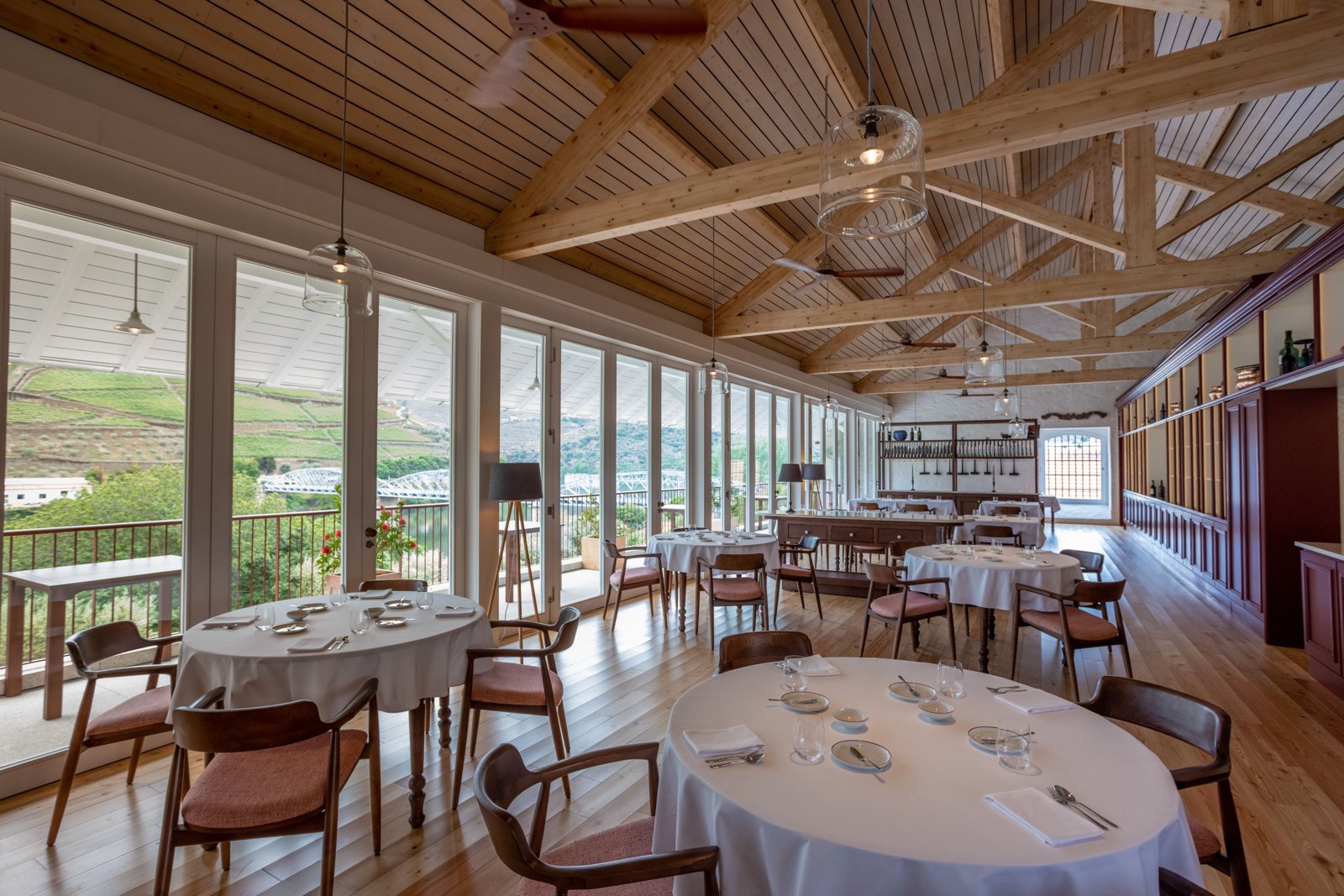
Quinta da Roêda (Croft) is worth considering if you are planning a Pinhão stop and want a clearly identified venue with recognition. Before planning a food-led experience, confirm details about dining format, pairing program, menu, pricing, hours, or group capacity with the venue directly. For travellers building a fuller day around meals, use our full Pinhão restaurants guide before committing the whole itinerary here.
Choose this for a recognised Pinhão venue, and confirm details directly
The strongest hook is simple: Quinta da Roêda (Croft) in Pinhão carries Pearl 2 Star Prestige for 2025. It also has a casual dress code, which makes the planning brief more relaxed than formal.
If you are comparing options, consider Quinta do Bomfim, Quinta das Carvalhas, Quinta do Noval, Quinta do Infantado, and Quinta do Seixo (Sandeman), Douro Valley as other relevant Douro-area names. The practical choice should come down to the details each venue confirms for your date.
Plan around current information, then build the day nearby
Confirm the current availability, visit format, and any food or drink details directly with Quinta da Roêda (Croft) before treating it as the anchor for a date, anniversary, or client itinerary. For the wider trip, the useful planning pages are our full Pinhão hotels guide, our full Pinhão bars guide, our full Pinhão wineries guide, and our full Pinhão experiences guide.
The main caution is expectation-setting. The smart version of this booking is narrow: treat Quinta da Roêda (Croft) as a recognised Pinhão venue and confirm all operational details, including menu, flagship bottle, shipping policy, group capacity, or service format, before you go.
Planning details
- Location
- N323, 5085-036 Pinhão
- Website
- croftport.com
- Phone
- +351 932 640 072
The take
The Take
The Vibe
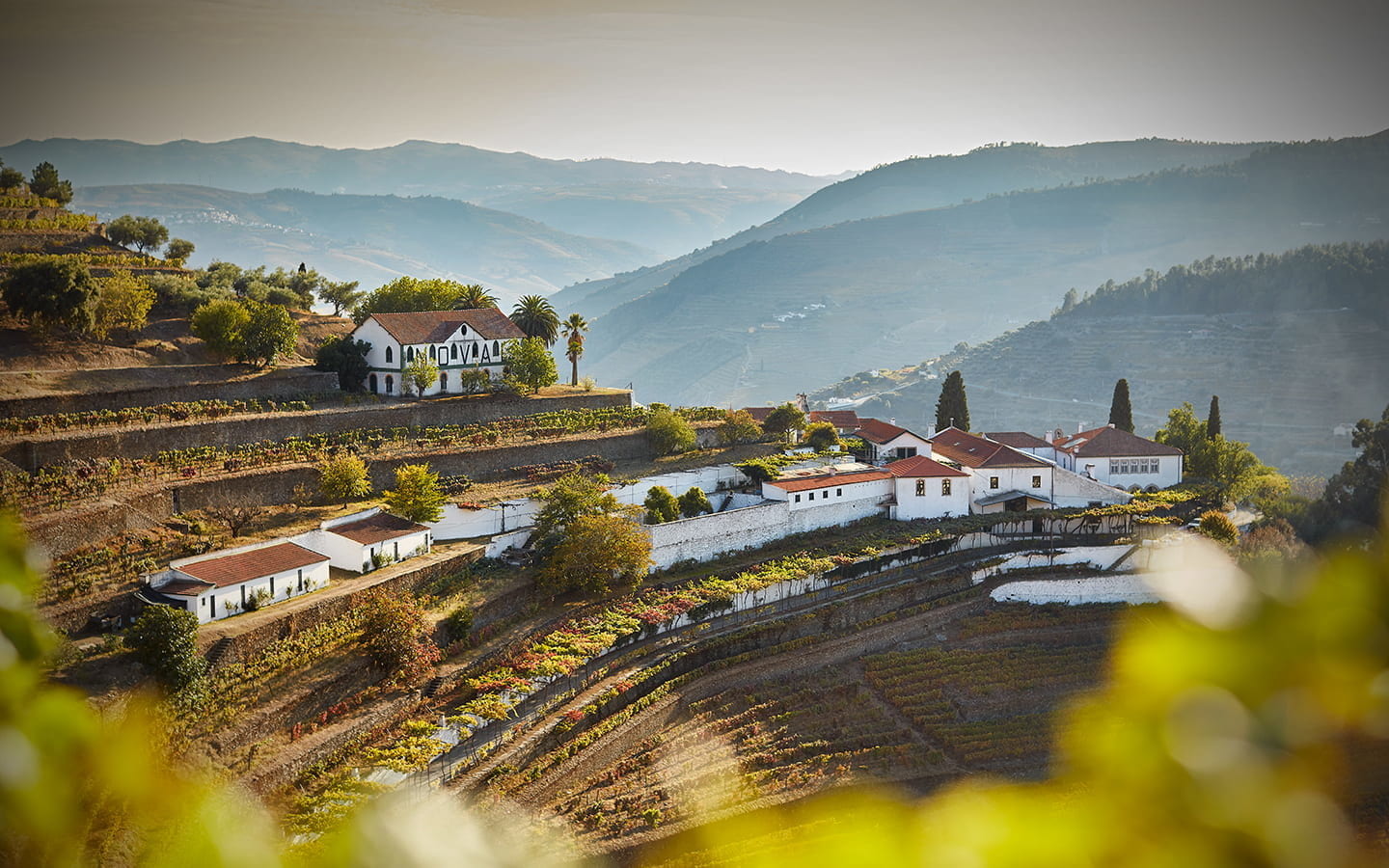
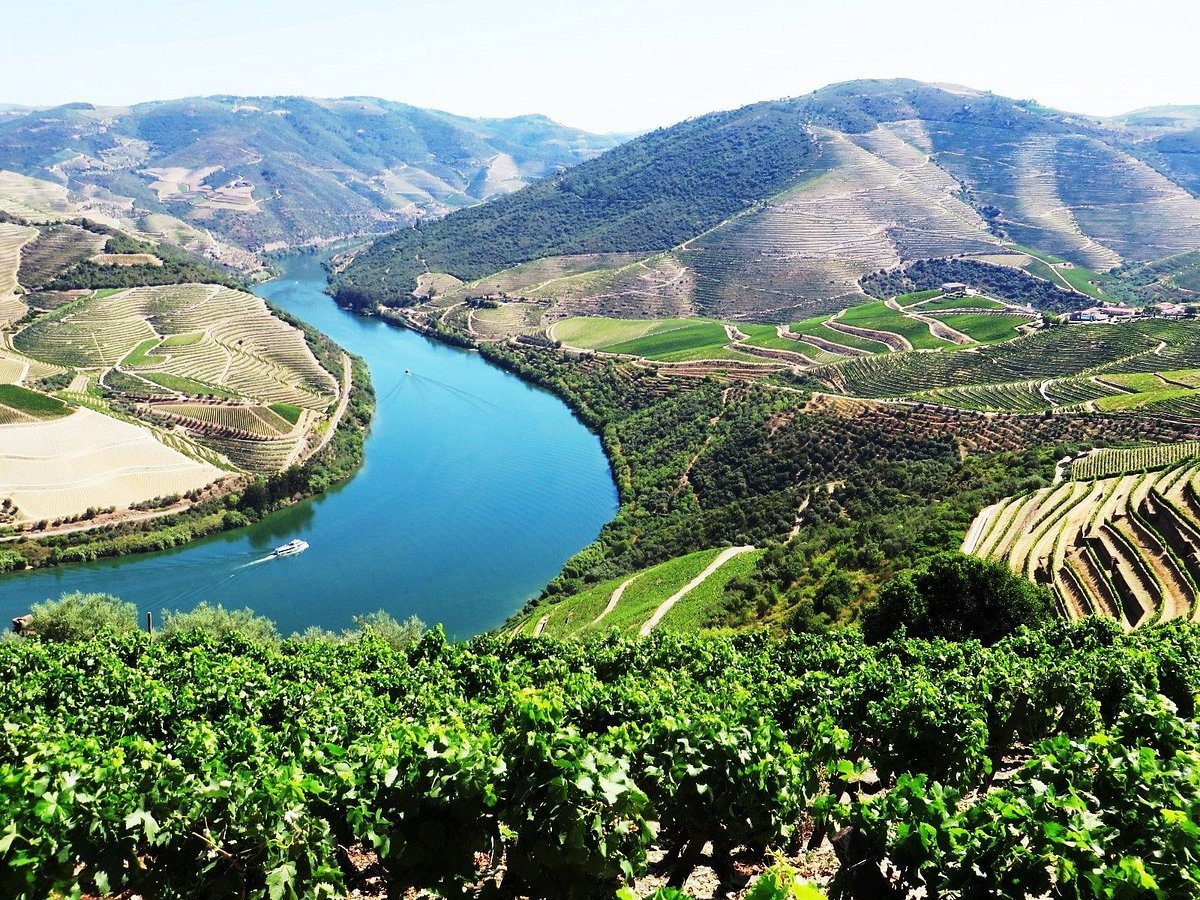
Quinta da Roêda reads as a site-first property: terraces of vines cut into schist slopes frame the Douro bend, and the geology is presented as an active ingredient in the wines. The writing emphasizes heat-retaining schist, steep aspect and elevation, and a Port house legacy, creating a sense of place that is both elemental and historically rooted. The atmosphere you encounter is less about hospitality flourishes and more about landscape and lineage — austere, tactile and quietly authoritative, with an underlying classic, historic seriousness that suits serious tasting and study rather than casual spectacle.
Best For
This quinta is best for visitors who come for terroir and technique: wine students, serious Port enthusiasts and travelers drawn to geological and viticultural stories. The copy foregrounds schist, sun exposure and phased harvesting, so guests interested in how site, exposure and soil translate into minerality and concentration will get the most out of a visit. Photographers and landscape-minded travelers also benefit from the dramatic Douro bend views. It reads as an experience for focused tasting and learning rather than a general leisure outing.
Tasting Tips
When tasting at Quinta da Roêda, lean into the site-driven examples: ask for wines that showcase schist-driven minerality and the differences tied to aspect or elevation. The description highlights heat accumulation and phased harvesting, so request comparisons of parcels or vintages that illustrate those dynamics. Prioritize Croft’s fortified Ports alongside any Douro table wines noted for structural acidity and concentration to appreciate how the same terroir expresses itself across styles. Frame questions around soil, exposure and harvest timing to get the most explanatory context from the host.
Venue details
Ambiance
Peaceful and visually appealing with vibrant landscape colors, traditional Portuguese architecture, and welcoming terrace for relaxation amid lush vineyards.
Tags
Vibe
Best For
Experience
View
Accessibility
At the Vineyard
- Appellation
- Douro
- Varietals
- Touriga Nacional, Touriga Franca
- Tour Duration
- 60-90 minutes
- Tour Languages
- English, Portuguese
- Visits
- By reservation
- Wine Styles
- Fortified, Still Red
- Food Pairing
- Offered
- Wine Club
- Not available
Know before you go
Know Before You Go
- Getting there
- N323, 5085-036 Pinhão
Planning details
Location
Also consider
If this is hard to secure
Try Quinta do Bomfim first if the priority is a reliable Pinhão winery stop with simpler logistics. Choose Quinta das Carvalhas if the group wants another established estate option close to town.
Winery context
How it compares in Pinhão
Quinta da Roêda (Croft) is the right pick when the visit needs a classic port-house feel and a calmer special-occasion tone. Quinta do Bomfim is the easier cross-shop for travellers who want a central Pinhão plan with fewer moving parts, while Quinta das Carvalhas is a practical alternative when the group wants a broader estate experience close to town.
For wine-first travellers, Quinta do Noval is the more serious comparison, especially if producer reputation matters more than convenience. Quinta do Seixo (Sandeman), Douro Valley works better for visitors willing to go beyond the immediate Pinhão core for a larger branded experience. Quinta do Infantado is the better contrast if the appeal is a smaller, less obvious producer stop.
Value depends on what the group needs from the visit. Choose Roêda for a composed port-focused occasion; choose Bomfim or Carvalhas if logistics and ease are the priority; choose Noval if the day is built around wine credibility above all else.
Explore Pinhão
Around this place
Discover more on Pearl
Unlock the full Quinta da Roêda (Croft) guide in Pearl, including awards, comparisons, FAQs, planning details, and nearby places.
Compare Quinta da Roêda (Croft)
| Venue | Location | Awards |
|---|---|---|
| Quinta da Roêda (Croft) | Pinhão | No published awards |
| Quinta do Bomfim | Pinhão | 2025 World's 50 Best Vineyards · #662024 World's 50 Best Vineyards · #282022 World's 50 Best Vineyards · #372021 World's 50 Best Vineyards · #382019 World's 50 Best Vineyards · #37 |
| Quinta das Carvalhas | Pinhão | No published awards |
| Quinta do Noval | Pinhão | 2026 Falstaff Winery Guide2025 World's 50 Best Vineyards · #732024 World's 50 Best Vineyards · #362023 World's 50 Best Vineyards · #162022 World's 50 Best Vineyards · #482021 World's 50 Best Vineyards · #292020 World's 50 Best Vineyards · #49 |
| Quinta do Seixo (Sandeman), Douro Valley | Tabuaço | 2025 World's 50 Best Vineyards · #622023 World's 50 Best Vineyards · #42 |
| Quinta do Infantado | Sabrosa | 2022 World's 50 Best Vineyards · #282021 World's 50 Best Vineyards · #50 |


How Quinta da Roêda (Croft) compares with similar nearby venues.
FAQ
Frequently Asked Questions
Is Quinta da Roêda (Croft) worth considering?
Yes, if you are looking for a recognised Pinhão venue: Quinta da Roêda (Croft) carries Pearl 2 Star Prestige (2025). For specific visit details, confirm the current format directly with the venue before planning around it.
Can Quinta da Roêda (Croft) handle large groups?
Confirm group capacity directly before booking. Treat Quinta da Roêda (Croft) as a planned Pinhão visit rather than assuming it can accommodate a large party. For comparison, you can also look at Quinta do Seixo (Sandeman), Douro Valley and Quinta das Carvalhas.
What other venues are relevant to compare with Quinta da Roêda (Croft)?
Relevant comparisons include Quinta do Bomfim, Quinta das Carvalhas, Quinta do Noval, Quinta do Seixo (Sandeman), Douro Valley, and Quinta do Infantado. Use the details each venue confirms for your date rather than assuming a shared format.
What is the flagship wine at Quinta da Roêda (Croft)?
Check Quinta da Roêda (Croft)'s official channels for details on a flagship wine, and compare with Quinta do Noval if you are building a more wine-specific itinerary.
Does Quinta da Roêda (Croft) ship wine?
Confirm shipping details directly with Quinta da Roêda (Croft) before relying on shipping, and ask comparable venues such as Quinta do Bomfim or Quinta do Noval if purchasing logistics matter to your plan.
Does Quinta da Roêda (Croft) serve food?
Do not assume a meal, pairing, or tasting-day format unless Quinta da Roêda (Croft) confirms food service directly. If food is central to the plan, compare other Pinhão dining options before committing.