
Winery in Philo, United States
Maggy Hawk
500ptsCool-Climate Pinot Precision
About Maggy Hawk
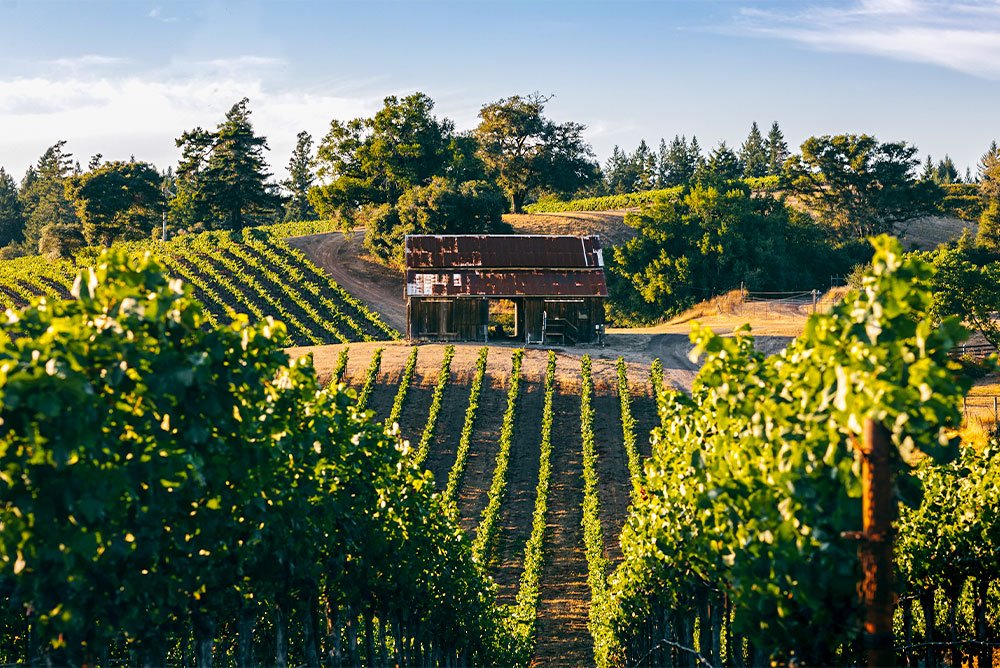
Maggy Hawk sits along CA-128 in Philo, at the heart of Anderson Valley's cool-climate wine country. A Pearl 2 Star Prestige recipient in 2025, it occupies the premium tier of a region built on Pinot Noir and Alsatian varieties. For anyone tracing the valley's serious winemaking thread, this is a considered stop.
Anderson Valley in the Fog Belt
Drive CA-128 west from Boonville toward the coast and the temperature drops noticeably as the highway threads through redwood stands and opens onto vineyards that sit in one of California's most consistently cool growing corridors. Anderson Valley earns its reputation for Pinot Noir and aromatic whites precisely because marine air from the Pacific pushes inland through the Navarro River canyon, keeping afternoon temperatures low enough to preserve acidity long into the growing season. By the time you reach Philo, you are in the valley's dense core, where the majority of its serious producers are concentrated along a short stretch of road. Maggy Hawk, at 9001 CA-128, sits within that stretch.
The valley has attracted a particular kind of producer over the past two decades: estates drawn by the cold-climate argument rather than by Napa proximity or easy marketing. That cohort includes Lazy Creek Vineyards, Baxter Winery, Brashley Vineyards, and Edmeades Winery, all working within a few miles of one another. The density is deliberate: this is appellation-building country, where producers reinforce a regional identity through proximity and shared climatic conditions as much as through individual winemaking choices.
What the 2025 Pearl 2 Star Prestige Means in Context
Anderson Valley has long occupied an interesting position in California's premium wine hierarchy. It is not Napa, where Cabernet drives the conversation and land prices reflect global demand. Nor is it the more casual end of Sonoma. It functions instead as the state's primary argument for Burgundian and Alsatian varieties grown with genuine cold-climate discipline. Producers at the leading of that argument sit in a niche peer set that competes less with California's mainstream and more with serious Pinot houses in Oregon's Willamette Valley or cooler Sonoma sub-appellations like Annapolis Ridge.
Maggy Hawk's Pearl 2 Star Prestige recognition from EP Club in 2025 places it in the premium tier of that niche. Within the EP Club framework, a 2 Star Prestige rating signals a producer operating with consistent quality and clear appellation identity, distinguishing it from entry-level producers while sitting below the small number of estates that carry three-star or above designations. For Anderson Valley specifically, this tier of recognition aligns Maggy Hawk with the valley's most considered producers rather than with the broader roster of Philo wineries. Compare this positioning to, say, Roederer Estate, the valley's best-known sparkling producer, which operates at scale and draws from a different competitive set entirely.
California wine at the prestige level has increasingly split between two models: the Napa cult allocation system, where scarcity and collector demand define value, and the smaller appellation-specialist model, where terroir argument and critical recognition do more of the work. Maggy Hawk belongs to the latter. Analogues elsewhere in California would include Accendo Cellars in St. Helena or Adelaida Vineyards in Paso Robles, each working within a defined regional identity rather than chasing a category-wide premium.
The Anderson Valley Season and When to Visit
Philo rewards visits at specific times of year more than others. Harvest, running roughly from late September through October depending on the vintage, is the period when the valley is most alive with activity, and when casual tastings shift toward more purposeful conversations about how the growing season is reading. Spring, once bud break arrives in April and the cover crops are still green between rows, offers a quieter version of the same landscape without harvest pressure on hospitality staff. Summer weekends bring more traffic along CA-128 as Bay Area visitors make the two-and-a-half-hour drive north, but even then, Anderson Valley remains far less congested than the Napa highway corridors on a Saturday afternoon.
For visiting Maggy Hawk specifically, the CA-128 address places it within easy reach of the cluster of Philo producers. A half-day itinerary built around the valley's core could reasonably include two or three stops, with Maggy Hawk anchoring the premium end of that circuit. Given the valley's geography, allocating a full day and arranging accommodation in Philo or nearby Boonville removes the pressure of the drive back to the Bay Area before dark. For lodging and dining context in the area, the full Philo hotels guide, Philo restaurants guide, and Philo bars guide provide current editorial coverage.
Reading Maggy Hawk Against California's Broader Pinot Conversation
California Pinot Noir has spent the past decade in a slow argument between extraction and restraint. The bigger, riper expressions that defined the early 2000s critical darlings have progressively given ground to producers who prioritize structural clarity and lower alcohol thresholds, a shift that mirrors what happened in Oregon roughly a decade earlier. Anderson Valley producers have generally sat on the restraint side of that conversation by default, the climate doing much of the work. The valley's Pinot tends to land differently from warmer Sonoma Coast or Santa Barbara expressions: less fruit-forward, more savory, with higher natural acidity that makes the wines better suited to table service than to solitary tasting room drinking.
This context matters when positioning a producer like Maggy Hawk. A Pearl 2 Star Prestige rating in 2025 indicates a level of quality and consistency that aligns with the serious end of California Pinot, a peer set that looks as much toward Adelsheim Vineyard in Newberg as it does toward peers within the state. The cross-regional comparison is increasingly relevant as sommeliers building cool-climate California programs place Anderson Valley alongside Willamette rather than alongside Sonoma.
For context on what premium cool-climate wine production looks like in entirely different settings, the contrast with Old World producers such as Abadía Retuerta in Sardón de Duero or the Speyside benchmarks represented by Aberlour illustrates how specific terroir arguments function across categories: in each case, the place does definitional work that marketing cannot replicate.
Planning a Visit to Philo's Wine Country
Anderson Valley's tasting room culture differs from Napa's polished, reservation-heavy model. Many producers along CA-128 still operate with walk-in availability, though the valley's higher-tier estates have moved toward appointment-only formats as demand has grown. Visiting Maggy Hawk without confirmed advance contact is a risk not worth taking, particularly on weekends and during harvest season. The CA-128 corridor also rewards unhurried movement: the road is narrow and scenic, and attempting to compress too many stops into a single afternoon produces diminishing returns both logistically and in terms of palate quality.
For a complete view of the valley's current producer landscape, the full Philo wineries guide covers the range from entry-level tasting rooms to prestige estates, and the Philo experiences guide maps the wider programming available in the area, from vineyard walks to winemaker dinners that appear seasonally.
Frequently Asked Questions
What wines should I try at Maggy Hawk?
Anderson Valley's strongest arguments are cool-climate Pinot Noir and aromatic whites, varieties that benefit directly from the valley's marine-influenced growing conditions. Maggy Hawk's Pearl 2 Star Prestige recognition from EP Club in 2025 places it in the tier of Anderson Valley producers working at the serious end of those categories. Without confirmed current tasting room details, the practical approach is to contact Maggy Hawk directly before visiting to understand what is currently pouring and whether specific library or single-vineyard expressions are available. The valley broadly rewards visitors who go in with questions about vintage variation rather than a fixed idea of what to expect.
What is Maggy Hawk known for?
Maggy Hawk is a Philo-based winery on CA-128 in Anderson Valley, California, recognised with a Pearl 2 Star Prestige rating by EP Club in 2025. The rating places it in the premium tier of Anderson Valley producers, a region whose identity is defined by cool-climate Pinot Noir and Alsatian-style varieties grown with genuine appellation discipline. Within the Philo wine corridor, that level of recognition distinguishes Maggy Hawk from the valley's broader roster and aligns it with the producers shaping Anderson Valley's serious critical reputation.
What's the leading way to book Maggy Hawk?
The venue database does not currently carry direct booking contact details for Maggy Hawk. Given the move across Anderson Valley's premium tier toward appointment-only tasting formats, reaching out directly before arriving at 9001 CA-128, Philo, CA 95466 is advisable rather than assuming walk-in access, particularly on weekends or during harvest. The full Philo wineries guide provides broader booking context for the valley's current producer landscape.
Related editorial
- Best Fine Dining Restaurants in ParisFrom three-Michelin-star icons to the next generation of Parisian chefs pushing boundaries, these are the restaurants that define fine dining in the world's culinary capital.
- Best Luxury Hotels in RomeFrom rooftop terraces overlooking ancient ruins to Michelin-starred hotel dining, these are the luxury hotels that make Rome unforgettable.
- Best Cocktail Bars in KyotoFrom sleek lounges to hidden speakeasies, Kyoto's cocktail scene blends Japanese precision with global influence in ways you won't find anywhere else.
Save or rate Maggy Hawk on Pearl
Keep this venue in your Pearl passport, rate it after you visit, and track it alongside every other place you collect.