

Martini & Rossi
Pessione, Pessione (Turin)
Winery in Pessione (Turin), Italy
 Book with Pearl
The Read
Vermouth Estate Heritage
Why go
Martini & Rossi is worth targeting if vermouth history and Turin aperitivo culture are the point of the trip. Booking is extremely difficult and visit details are thin, so it works better as a planned specialist stop than a casual tasting. Cross-shop Carpano or Cocchi if you want another vermouth-focused angle nearby.
About Martini & Rossi
Martini & Rossi is in Pessione (Turin), has a smart casual dress code, and holds Pearl 2 Star Prestige recognition for 2025. Before building an itinerary around it, check the venue directly for current visit format, pricing, menus, tastings, hours, retail options, and services.
For planning, treat Martini & Rossi as a lead to check directly before you go. If you are comparing options, keep the decision simple: confirm the current visit details with the venue, dress smart casual, and avoid assuming a particular tasting, dining, shopping, or group format unless the venue offers it.
Book for a Pessione (Turin) stop, not assumed extras
Use Martini & Rossi as a carefully checked stop in Pessione (Turin). Its profile includes Pearl 2 Star Prestige (2025) recognition and a smart casual dress code, while services, prices, schedules, seating, tasting formats, and food options should be checked directly with the venue. For travelers comparing other relevant venues, references include Antica Distilleria Quaglia, Carpano, Cocchi, Distilleria Sibona, and Gin Malfy (Torino Distillati).
Where it fits among comparison venues
Martini & Rossi is a venue to consider when planning around Pessione (Turin). Carpano, Cocchi, Antica Distilleria Quaglia, Distilleria Sibona, and Gin Malfy (Torino Distillati) may be useful comparison points for a broader itinerary. Confirm each venue's current location, access, and visitor details directly before making plans.
Planning details
- Location
- Piazza Luigi Rossi, 2, 10023 Pessione TO
- Website
- martini.com/casa-martini
- Phone
- +39 011 1927 2600
The take
The Take
The Vibe
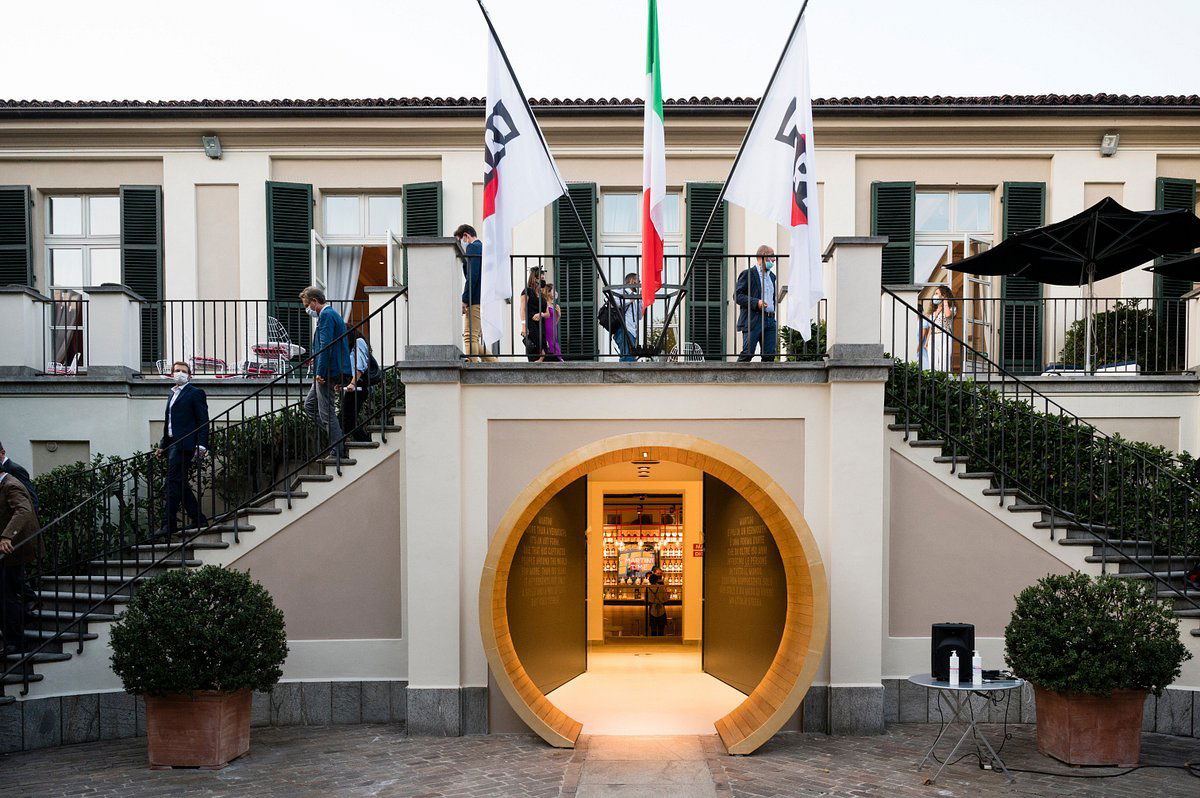
Martini & Rossi in Pessione reads like an institutional landmark rather than a boutique artisan producer. Set in the Monferrato foothills, the compound’s scale and long pedigree are the story: this is where vermouth was systematised and a house that has shaped global drinking habits for nearly two centuries. Visitors encounter a tone of authoritative sophistication rather than rustic intimacy; the architecture and awards referenced in the description reinforce a sense of heritage and seriousness. The surrounding landscape of low ridges and nearby wine parishes adds a quietly scenic backdrop to the estate’s formal, legacy-driven character.
Best For
This estate is best for people who come to learn and to mark an occasion. The write-up frames a visit as an act of understanding—of vermouth’s origins, botanical sources and regional viticultural links—so it suits curious travelers, students of spirits and organized wine-education outings. The property’s institutional scale and recognition (including the 2025 Pearl 2 Star Prestige mention) also make it appropriate for special visits that carry a sense of ceremony. Practically, the drive from Turin (roughly 20 kilometres) positions it as a doable day trip for visitors based in the city who want context and history rather than a casual tasting stop.
Venue details
Ambiance
Classic and sophisticated atmosphere combining historic architecture with modern production facilities.
Tags
Vibe
Best For
Experience
View
At the Vineyard
- Appellation
- Asti DOCG
- Varietals
- Moscato Bianco, Glera, Trebbiano, Catarratto
- Tour Duration
- 60-90 minutes
- Tour Languages
- English, Italian
- Visits
- By appointment only
- Production
- Large producer
- Wine Styles
- Sparkling, Fortified
- Wine Club
- Not available
Know before you go
Know Before You Go
- Getting there
- Piazza Luigi Rossi, 2, 10023 Pessione TO
Planning details
Location
Also consider
Where to go if you cannot get in
For the closest category match, try Carpano or Cocchi; both keep the itinerary focused on vermouth and aperitivo culture. For a spirits pivot, Gin Malfy (Torino Distillati) is the clearer gin alternative.
Winery context
How it compares
Gin Malfy (Torino Distillati) is the cleaner pick for travelers focused on gin, while Martini & Rossi is the stronger fit for vermouth and aperitivo context. If availability matters, do not treat Martini & Rossi as the easy option; its booking difficulty makes it a plan-ahead stop rather than a flexible add-on.
Carpano and Cocchi are the more direct cross-shops because they sit in the same vermouth and aperitivo conversation. Choose Martini & Rossi when the brand history is the draw; choose Carpano or Cocchi when the goal is to compare styles across producers without building the whole day around one hard-to-secure stop.
Antica Distilleria Quaglia and Distilleria Sibona make more sense for a spirits-led itinerary. On value, Martini & Rossi is hardest to score because pricing and format are not clearly surfaced; the safer value play is to book it only if the name itself carries weight for your trip.
Explore Pessione (Turin)
Around this place
Discover more on Pearl
Unlock the full Martini & Rossi guide in Pearl, including awards, comparisons, FAQs, planning details, and nearby places.
Compare Martini & Rossi
| Venue | Location | Awards |
|---|---|---|
| Martini & Rossi | Pessione (Turin) | No published awards |
| Gin Malfy (Torino Distillati) | Moncalieri | No published awards |
| Antica Distilleria Quaglia | Castelnuovo Don Bosco | No published awards |
| Carpano | Turin | No published awards |
| Cocchi | Asti | 2026 Falstaff Winery Guide |
| Distilleria Sibona | Piobesi d'Alba | No published awards |

How Martini & Rossi Pessione compares with similar nearby venues.
FAQ
Frequently Asked Questions
Does Martini & Rossi offer retail or shipping services?
For retail or shipping services, check Martini & Rossi's official channels. Martini & Rossi is in Pessione (Turin), with Pearl 2 Star Prestige recognition for 2025 and a smart casual dress code.
What other venues can I compare with Martini & Rossi?
For comparison, consider Carpano and Cocchi, as well as Antica Distilleria Quaglia, Distilleria Sibona, and Gin Malfy (Torino Distillati). Confirm each venue's current visitor information directly before planning.
Do I need a reservation at Martini & Rossi?
Check reservation requirements directly before visiting. Martini & Rossi is in Pessione (Turin), has a smart casual dress code, and carries Pearl 2 Star Prestige recognition for 2025.
Does Martini & Rossi offer a membership program?
Can Martini & Rossi handle large groups?
Does Martini & Rossi serve food?
For current food options and visit details, check Martini & Rossi's official channels. The venue is in Pessione (Turin), carries Pearl 2 Star Prestige recognition for 2025, and has a smart casual dress code.