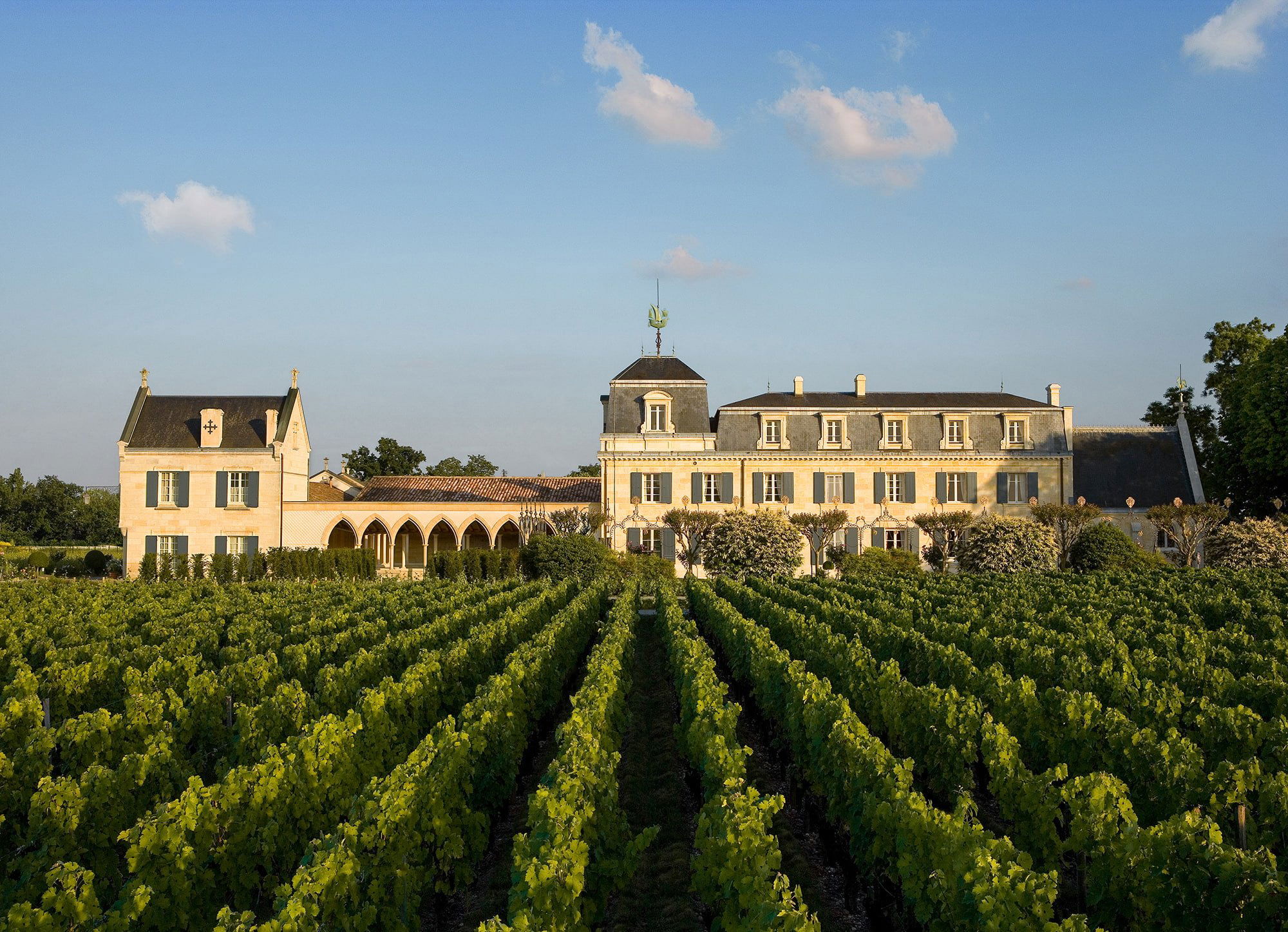

Domaine Clarence Dillon
Pessac
Winery in Pessac, France
 Book with Pearl
The Read
Left Bank Prestige Terroir
Why go
Public venue details are withheld pending resolution of the company-versus-winery classification.
About Domaine Clarence Dillon
Domaine Clarence Dillon is a Pessac venue listed with a smart casual dress code and Pearl 5 Star Prestige recognition for 2025. Visitors should avoid assuming a specific cuisine, menu, tasting format, price, schedule, or service style before checking directly with the venue.
For travelers comparing premium names, Domaine Clarence Dillon can be considered alongside Chateau Haut-Brion, Château La Mission Haut-Brion, Château Les Carmes Haut-Brion, Château Pape Clement, and Domaines Barons de Rothschild (Lafite). Use those names as context for planning, but confirm practical details venue by venue.
Choose it for its Pessac setting and recognition
The strongest reasons to consider Domaine Clarence Dillon are its Pessac setting and its Pearl 5 Star Prestige recognition for 2025. Details such as restaurant format, chef, cuisine, beverage program, visit length, reservation process, or public tasting structure should be checked directly before visiting.
If food, timing, pricing, accessibility, or a specific visit format matters to your day, confirm those details directly before making Domaine Clarence Dillon the anchor of an itinerary. For broader planning, compare it with other Pessac options generically and with the named venues above where relevant.
Plan around practical details
The dress code is smart casual, so visitors should dress neatly and avoid relying on assumptions about hospitality format, meal service, or tasting availability.
The verdict: Domaine Clarence Dillon is a Pessac venue to keep on a premium shortlist, especially given its Pearl 5 Star Prestige recognition for 2025. Build the rest of the plan around details checked directly with the venue rather than expectations.
Planning details
- Location
- 133 Av. Jean Jaurès, 33600 Pessac, France
- Website
- domaineclarencedillon.com
- Phone
- +33 5 56 00 29 30
The take
The Take
The Vibe
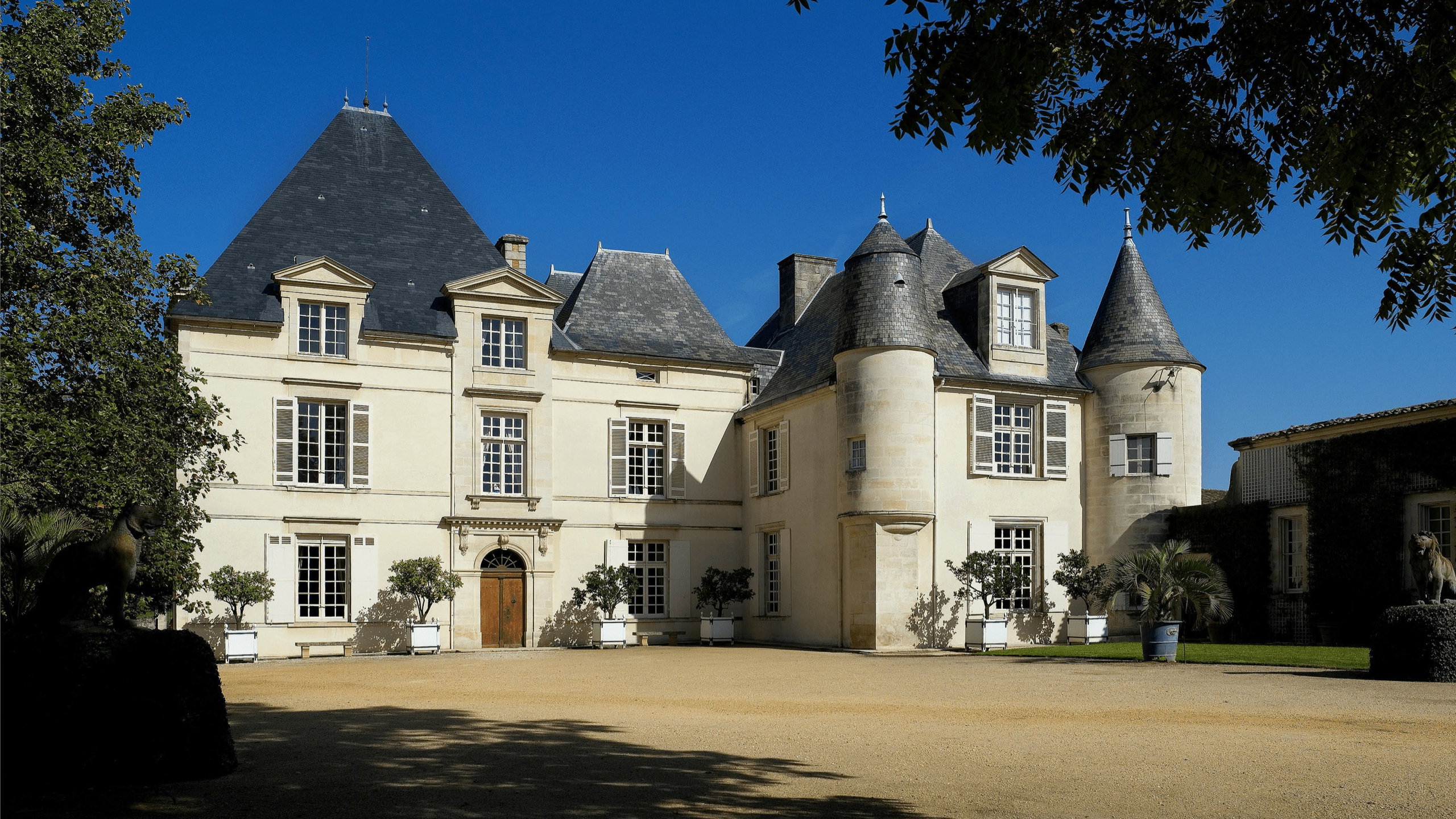
Domaine Clarence Dillon reads like a study in Pessac-Léognan terroir: gravel-rich soils, deep drainage and notable heat retention shape wines with mineral tension and a smoky, graphite-like note. The estate sits at the productive edge of Bordeaux, where urban streets meet vine rows, and its wines are discussed in the same breath as established properties such as Château Haut-Brion and Château Pape Clément. That geological clarity and the producer’s recognition in the Pearl 5 Star Prestige framework position the domaine as a place where place-driven Bordeaux character is both taught and tasted.
Best For
This Domaine is best for visitors who come to learn about terroir and to experience classic Pessac-Léognan expression. The write-up emphasizes geology, drainage and thermal behavior of the gravel beds, making the site well suited to wine-focused visits and comparative tastings that explore mineral tension and smoky, graphite-inflected flavors. Its standing in the Pearl 5 Star Prestige framework also makes it a meaningful stop for collectors and enthusiasts seeking context for prestigious regional examples rather than casual leisure drinking.
Tasting Tips
When visiting or tasting, steer conversation toward terroir-driven explanations: ask how the deep Günzian and Mindel-era gravels influence vine rooting and nocturnal heat retention, and request examples that showcase mineral tension and the smoky, graphite notes mentioned in the profile. Compare bottles or vintages that illustrate Pessac-Léognan’s distinction from neighbouring Médoc and Saint-Émilion expressions, and inquire about the estate’s award context (Pearl 5 Star Prestige) to understand which bottlings best represent their benchmark character.
Venue details
Ambiance
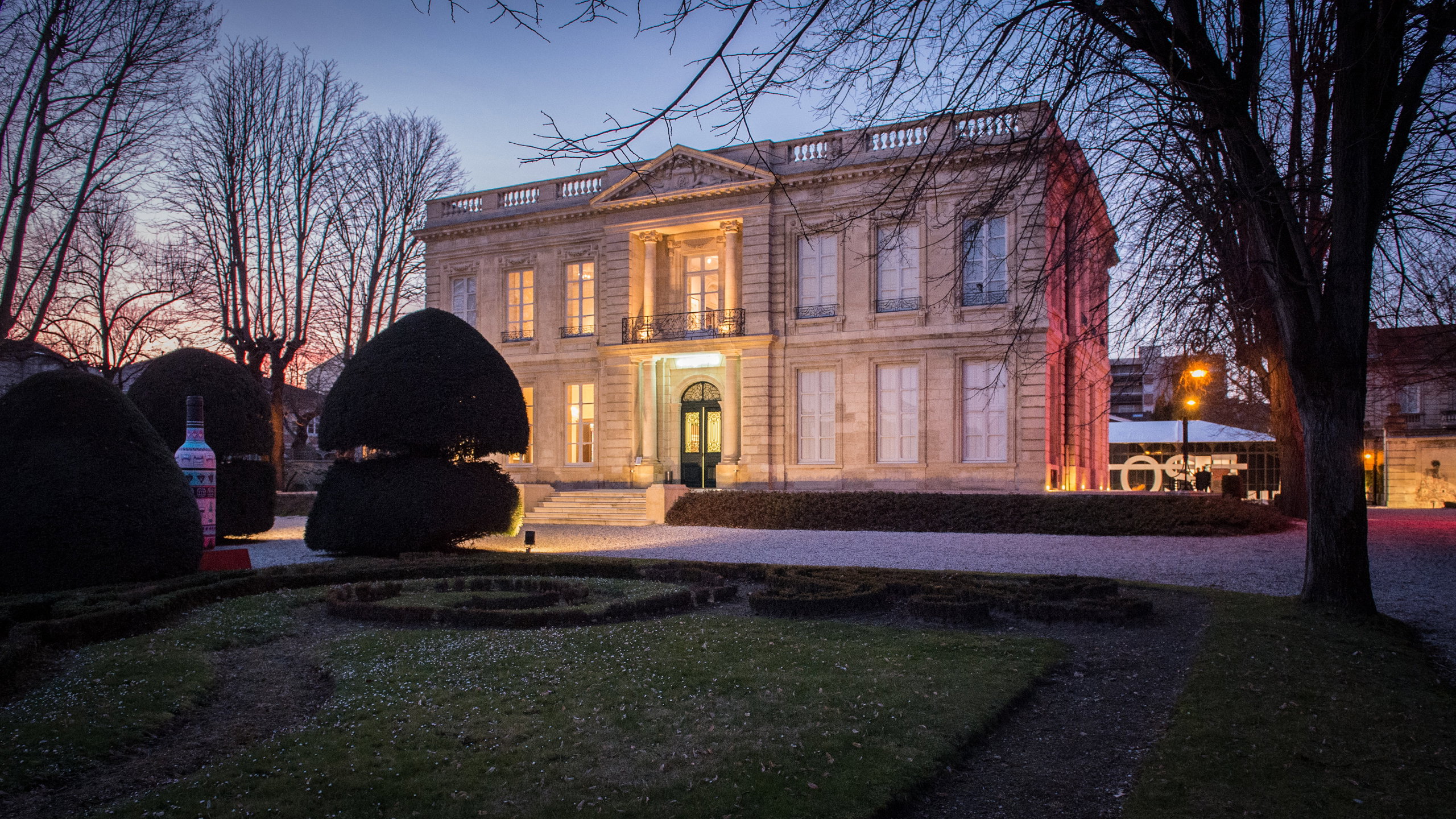
Elegant and refined atmosphere evoking French art de vivre, with sophisticated settings in historic châteaux and estate grounds.
Tags
Vibe
Best For
Experience
Sourcing
View
At the Vineyard
- Appellation
- Pessac-Léognan AOC
- Varietals
- Merlot, Cabernet Sauvignon, Cabernet Franc, Semillon, Sauvignon Blanc
- Tour Duration
- 60-90 minutes
- Tour Languages
- French, English
- Visits
- By appointment only
- Wine Styles
- Still Red, Still White, Still Rose, Dessert
- Wine Club
- Available
Know before you go
Know Before You Go
- Getting there
- 133 Av. Jean Jaurès, 33600 Pessac, France
Planning details
Location
Recognition and awards

Also consider
Also Consider
- Chateau Haut-Brion, Notable alternative
- Château La Mission Haut-Brion, Notable alternative
- Château Les Carmes Haut-Brion, Notable alternative
- Château Pape Clement, Notable alternative
- Domaines Barons de Rothschild (Lafite), Notable alternative
Winery context
How it compares in Pessac
Domaine Clarence Dillon is the sharper choice for travelers who want a serious Bordeaux-context stop and are willing to plan around access. Chateau Haut-Brion is the more obvious prestige comparison in Pessac, while Château Pape Clement is the easier name to consider if the priority is a more visitor-oriented château plan.
Château La Mission Haut-Brion and Château Les Carmes Haut-Brion suit travelers who are cross-shopping serious Bordeaux estates and care less about staying strictly within Pessac. For ambiance, Domaine Clarence Dillon reads quieter and more appointment-led; Château Pape Clement is the better backup when the group needs a more accessible day structure.
Domaines Barons de Rothschild (Lafite) belongs on a wider Bordeaux list rather than a simple Pessac substitute. If value for time is the deciding factor, prioritize whichever estate can confirm the clearest visit format first; if prestige context is the deciding factor, keep Domaine Clarence Dillon and Chateau Haut-Brion at the front of the shortlist.
Explore Pessac
Around this place
Discover more on Pearl
Unlock the full Domaine Clarence Dillon guide in Pearl, including awards, comparisons, FAQs, planning details, and nearby places.
Compare Domaine Clarence Dillon
| Venue | Location | Awards |
|---|---|---|
| Domaine Clarence Dillon | Pessac | 2025 World's 50 Best Vineyards · #13 |
| Chateau Haut-Brion | Pessac | 2026 Michelin 2 Grapes - Bordeaux2026 Falstaff Winery Guide2025 Pearl 5 Star Prestige2022 World's 50 Best Vineyards · #35 |
| Château La Mission Haut-Brion | Bommes | 2026 Michelin 2 Grapes - Bordeaux2026 Falstaff Winery Guide2025 Pearl 5 Star Prestige |
| Château Les Carmes Haut-Brion | Pomerol | 2026 Falstaff Winery Guide2026 Michelin 2 Grapes - Bordeaux2025 Pearl 4 Star Prestige |
| Château Pape Clement | Pessac | 2026 Falstaff Winery Guide2025 World's 50 Best Vineyards · #272025 Pearl 4 Star Prestige2024 World's 50 Best Vineyards · #212023 World's 50 Best Vineyards · #192022 World's 50 Best Vineyards · #26 |
| Domaines Barons de Rothschild (Lafite) | Bordeaux | No published awards |



How Domaine Clarence Dillon Pessac compares with similar nearby venues.
FAQ
Frequently Asked Questions
What should I know about Domaine Clarence Dillon?
Domaine Clarence Dillon is in Pessac, has a smart casual dress code, and carries Pearl 5 Star Prestige recognition for 2025.
Does Domaine Clarence Dillon serve food?
When is the best time to visit Domaine Clarence Dillon?
What other venues can I compare with Domaine Clarence Dillon?
For comparison, consider Chateau Haut-Brion, Château La Mission Haut-Brion, Château Les Carmes Haut-Brion, Château Pape Clement, and Domaines Barons de Rothschild (Lafite). Confirm each venue's location and visit details separately when planning.
How long should I plan for a visit to Domaine Clarence Dillon?
Plan only after confirming the format and timing directly with Domaine Clarence Dillon.