
Zenato
San Benedetto di Lugana, Peschiera del Garda
Winery in Peschiera del Garda, Italy
 Book with Pearl
The Read
Dual-Appellation Lake Garda Estate
Price
$30–50tasting
Why go
Book Zenato if the trip is centered on Peschiera del Garda and the priority is a focused Lake Garda wine stop rather than a full meal-led winery visit. Cross-shop Allegrini, Tommasi, and Masi for a broader Veneto frame, especially if booking logistics or dining details matter more than location.
About Zenato
Zenato is a Peschiera del Garda venue with Pearl 2 Star Prestige (2025) recognition. With limited planning details, this guide serves as a concise checkpoint rather than a full service, menu, or itinerary description. The dress code is smart casual.
A Peschiera del Garda stop with limited public detail
The clearest reasons to keep Zenato on a shortlist are its Peschiera del Garda location and Pearl 2 Star Prestige (2025) recognition. Beyond that, specific details about cuisine, menu format, pricing, hours, tasting structure, or hospitality format are not available and should not be assumed when planning a visit.
If food is part of the same day, plan that separately through Our full Peschiera del Garda restaurants guide. For other parts of the trip, check current official sources directly before building plans around Zenato, especially where reservations, timing, or services matter.
Who should consider Zenato, and who should cross-shop
Zenato makes the most sense for travelers who are already focusing on Peschiera del Garda and want to include a recognized venue without relying on assumptions. It is less suitable for anyone who needs details on dining, pricing, hours, or a specific visit format before deciding.
For comparison, consider other established names such as Giuseppe Quintarelli, Masi, Tommasi, Allegrini, or Masi Agricola S.p.A. Use those comparisons to frame the wider trip, but keep Zenato evaluated on its key features: Peschiera del Garda, smart casual dress, and Pearl 2 Star Prestige (2025).
Planning details
- Location
- Strada San Benedetto, 8, 37019 Peschiera del Garda VR
- Website
- zenato.it
- Phone
- +39 045 755 0300
The take
The Take
The Vibe
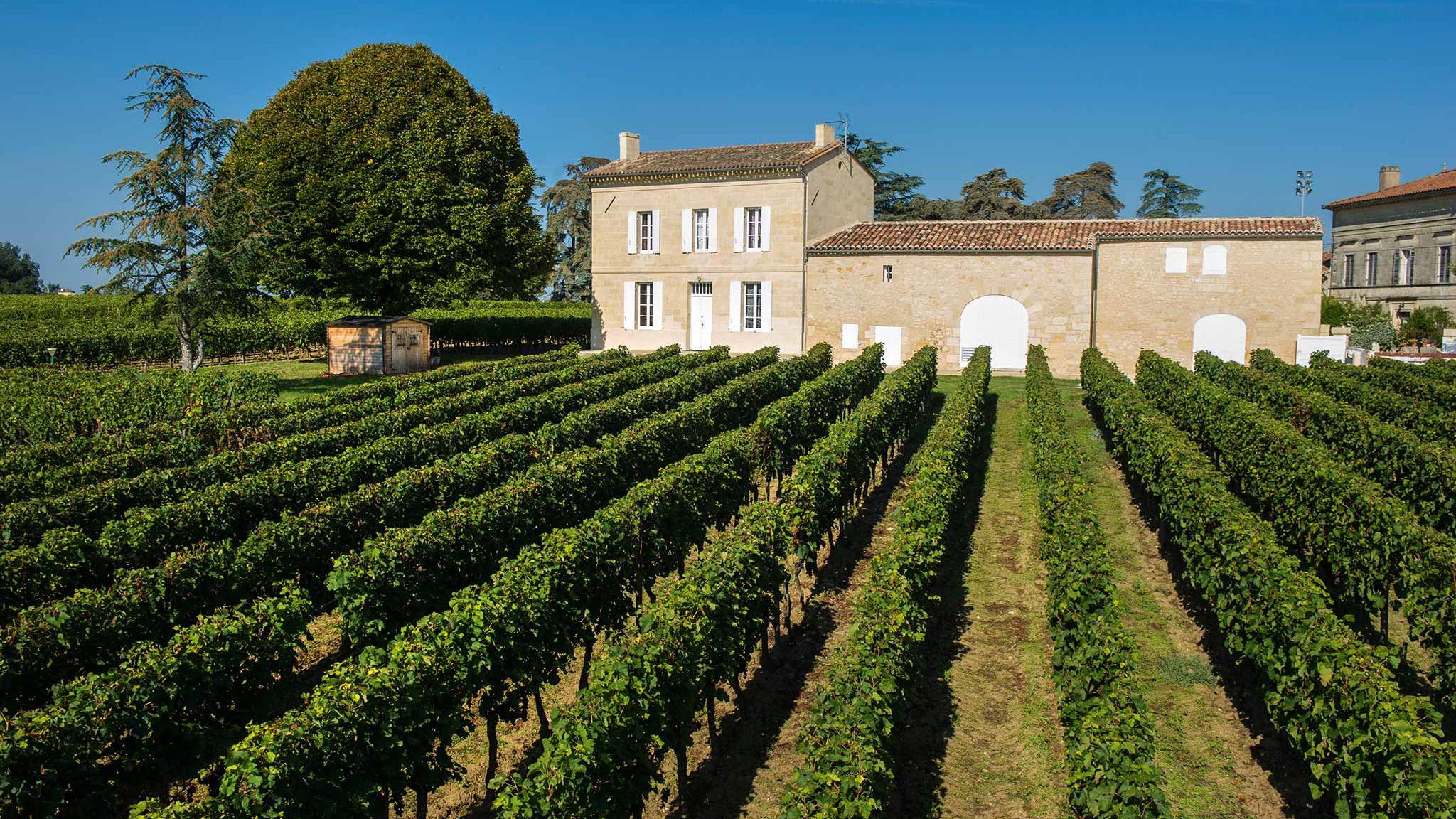
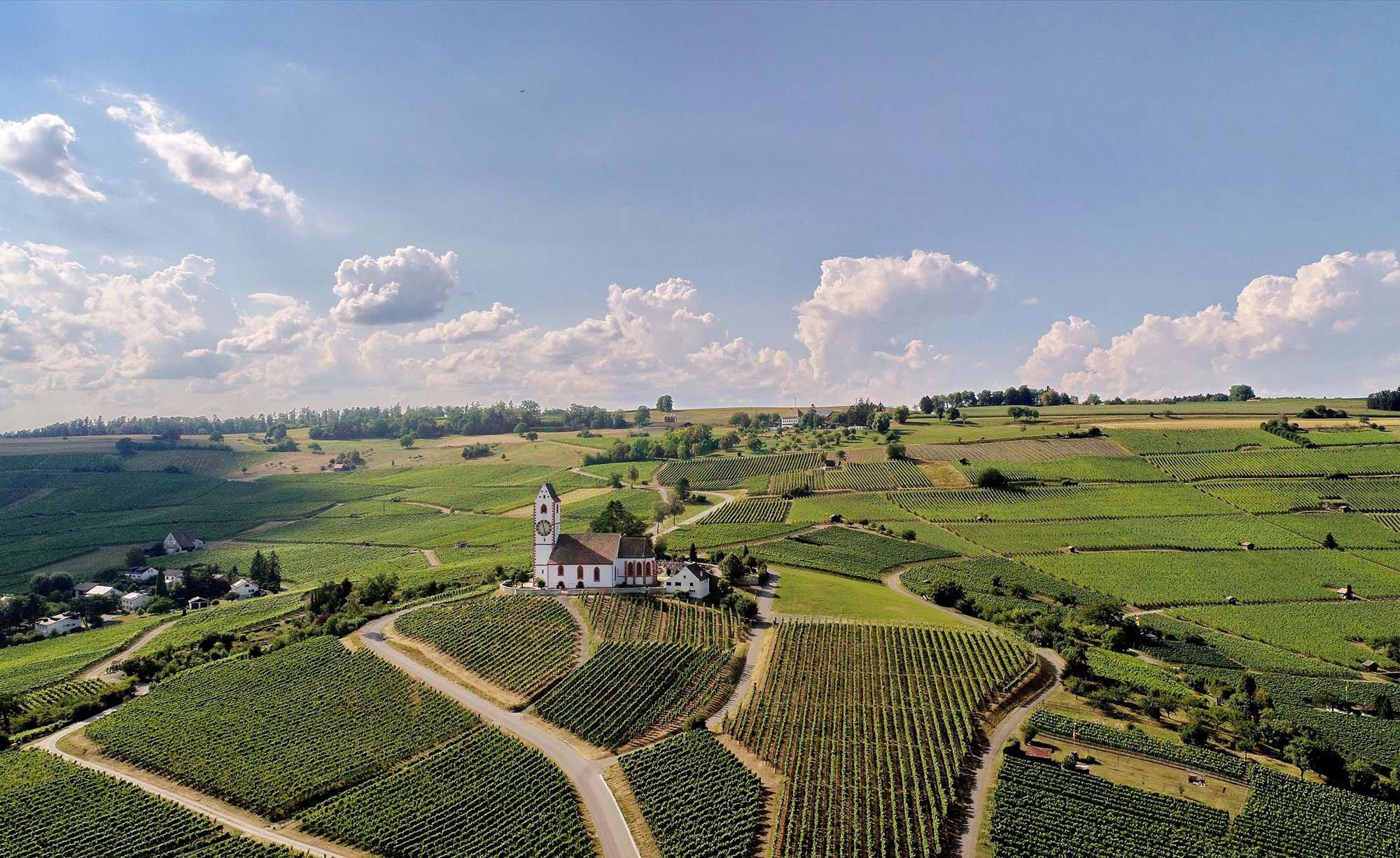
Zenato presents a refined, terroir-first identity grounded in the Lugana landscape that meets Lake Garda. The copy emphasizes geological specificity — limestone-clay soils, a lake-moderated microclimate and a long view of quality — which gives the estate a quiet sophistication rather than flash. Coverage of a recent Pearl 2 Star Prestige recognition frames the house as serious and consistent, the kind of producer that appeals to readers who care about provenance and the way site shapes white-wine character. The tone is measured and authoritative, suited to wine lovers seeking depth rather than trendy novelty.
Best For
Zenato is best for wine-focused visits and thoughtful escapes where terroir matters. The estate reads as an ideal stop for people on a wine-education itinerary, couples looking for a romantic lakeside wine experience and groups celebrating a special occasion with a respected producer. The profile’s emphasis on Lugana’s soils and microclimate makes it especially relevant to guests who want to compare site-driven expressions of Turbiana and to those who prioritize established, award-recognized wineries on a Lake Garda route.
Tasting Tips
When tasting Zenato, center choices on its Lugana expressions: the text highlights Turbiana’s regional importance and the clay-rich soils that shape the wines. Look for estate-labeled Lugana and the wines referenced by the Pearl recognition, and ask staff about how the lake’s thermal mass and local soils influence each cuvée. Framing selections around vintage and mention of soil type will deepen appreciation of Zenato’s house style and its sustained approach to quality.
Venue details
Ambiance
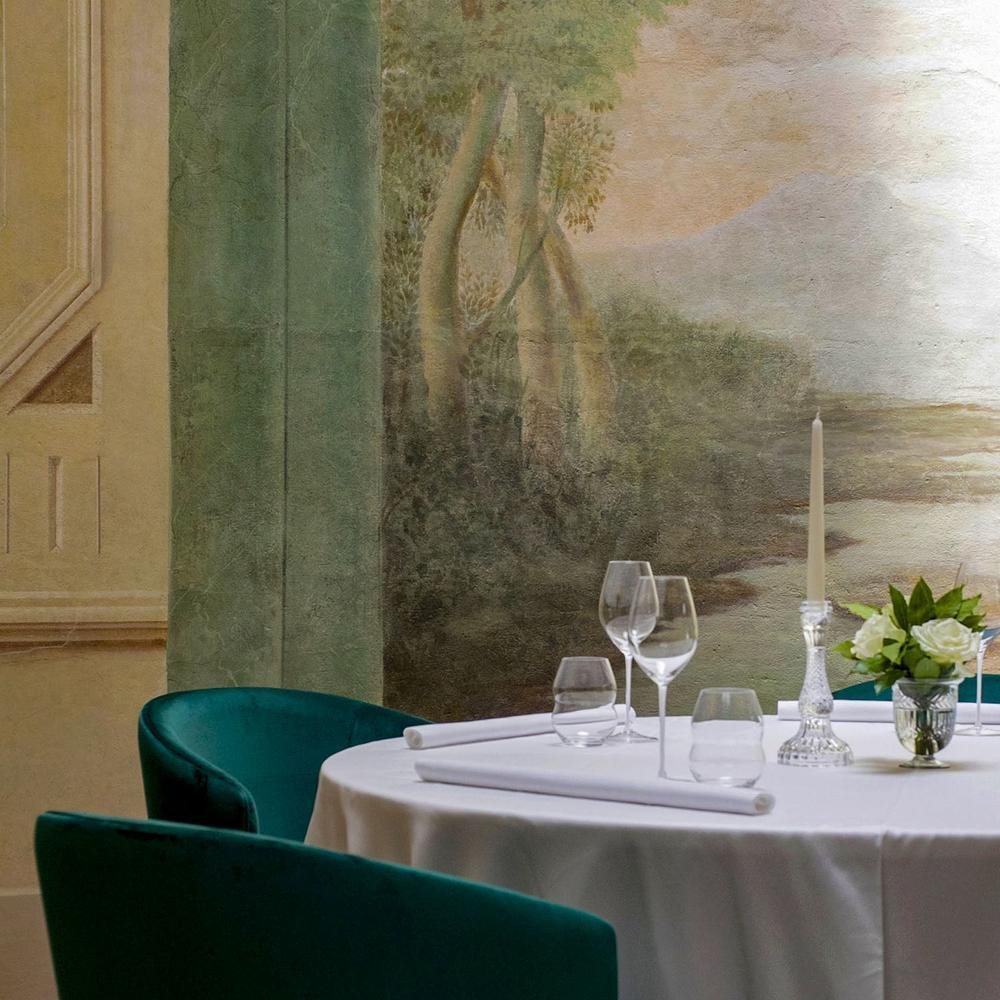
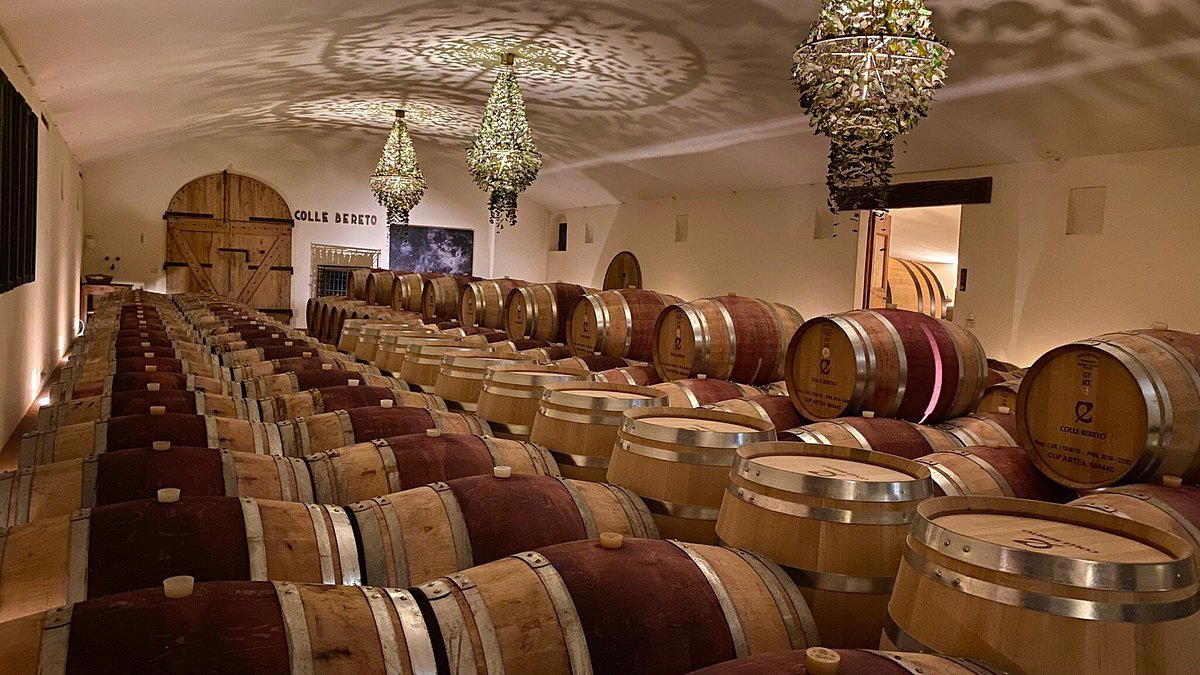
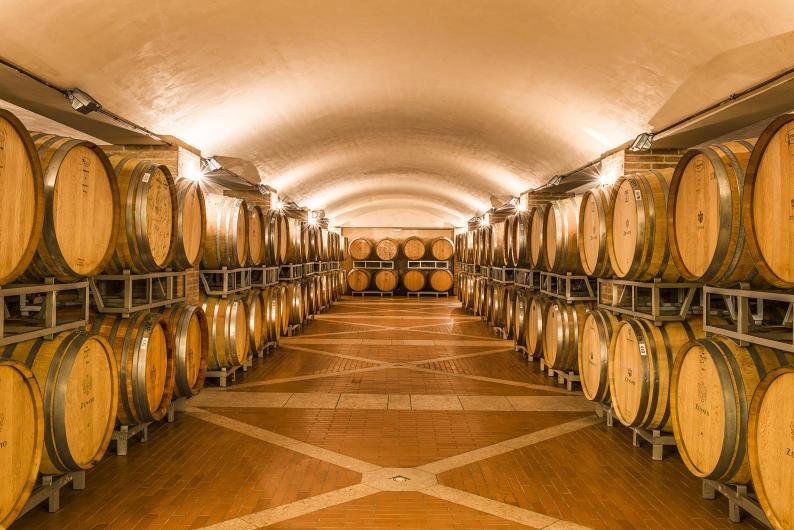
Immersive and authentic atmosphere blending tradition with modern winemaking technology; guests experience a quiet dialogue with nature among vineyards and barrel cellars with refined, elegant service.
Tags
Vibe
Best For
Experience
Sourcing
View
Accessibility
At the Vineyard
- Appellation
- Lugana DOC, Valpolicella DOC
- Varietals
- Trebbiano di Lugana, Corvina, Merlot, Cabernet Sauvignon
- Tour Duration
- 60-90 minutes
- Tour Languages
- Italian, English
- Visits
- By reservation
- Farming
- Sustainable
- Wine Styles
- Still White, Still Red, Sparkling
- Food Pairing
- Offered
- Wine Club
- Not available
Know before you go
Know Before You Go
- Getting there
- Strada San Benedetto, 8, 37019 Peschiera del Garda VR
Planning details
Location
Recognition and awards

Also consider
If this is hard to book
Try Allegrini or Tommasi if the goal is a polished Veneto winery visit with a broader Valpolicella frame.
For a more recognizable regional name, compare Masi Agricola S.p.A. and Masi. For a collector-leaning alternative, Giuseppe Quintarelli is the sharper but less casual target.
Winery context
How it compares with Veneto wine alternatives
Zenato is the better choice if Peschiera del Garda is the base and the itinerary needs a wine stop that stays close to Lake Garda. Masi Agricola S.p.A. and Masi are stronger cross-shops for travelers who want a broader Veneto name and are less tied to the lake. With no confirmed price structure here, value comes down to convenience and focus rather than a clear spend-per-tasting comparison.
Allegrini and Tommasi make more sense for visitors building a Valpolicella-led day. Choose them if the aim is a more classic red-wine route with fewer questions around the format. Choose Zenato when Garda context is the point and the wine stop needs to fit neatly into a Peschiera del Garda stay.
Giuseppe Quintarelli is the collector-leaning comparison, not the easy substitute. It is the better target for deep wine obsessives, while Zenato is the more practical pick for travelers who want a serious but geographically convenient Garda stop. For booking difficulty, assume this requires planning rather than a casual walk-up, especially in peak Lake Garda travel periods.
Explore Peschiera del Garda
Around this place
Discover more on Pearl
Unlock the full Zenato guide in Pearl, including awards, comparisons, FAQs, planning details, and nearby places.
Compare Zenato
| Venue | Location | Awards |
|---|---|---|
| Zenato | Peschiera del Garda | 2026 Falstaff Winery Guide |
| Masi Agricola S.p.A. | Sant'Ambrogio di Valpolicella | 2026 Falstaff Winery Guide2025 World's 50 Best Vineyards · #83 |
| Masi | Sant'Ambrogio di Valpolicella | 2026 Falstaff Winery Guide2025 World's 50 Best Vineyards · #83 |
| Allegrini | Fumane | 2026 Falstaff Winery Guide2025 Decanter Winery Prestige |
| Tommasi | Pedemonte (San Pietro in Cariano) | No published awards |
| Giuseppe Quintarelli | Negrar | 2026 Falstaff Winery Guide |


How Zenato Peschiera del Garda compares with similar nearby venues.
FAQ
Frequently Asked Questions
What is Zenato known for?
Zenato is known for its Peschiera del Garda location, Pearl 2 Star Prestige (2025) recognition, and smart casual dress code. Specific offerings are not detailed.
Does Zenato serve food?
Food service details are not available. Do not assume a meal, menu, or pairing format is part of the visit unless Zenato confirms it directly.
How long should I plan for a visit to Zenato?
Are membership or program details available for Zenato?
Membership or program details are not available. If that matters to your plans, check Zenato's official information and compare it with established names such as Masi or Allegrini.
What other names can I compare with Zenato?
For broader comparison, look at Masi Agricola S.p.A. Masi, Allegrini, Tommasi, and Giuseppe Quintarelli. Do not assume the same location, format, or services across these venues; check each one directly.