

Winery in Patras, Greece
Pilavas Distillery
500Pearl PointsPatras spirits stop
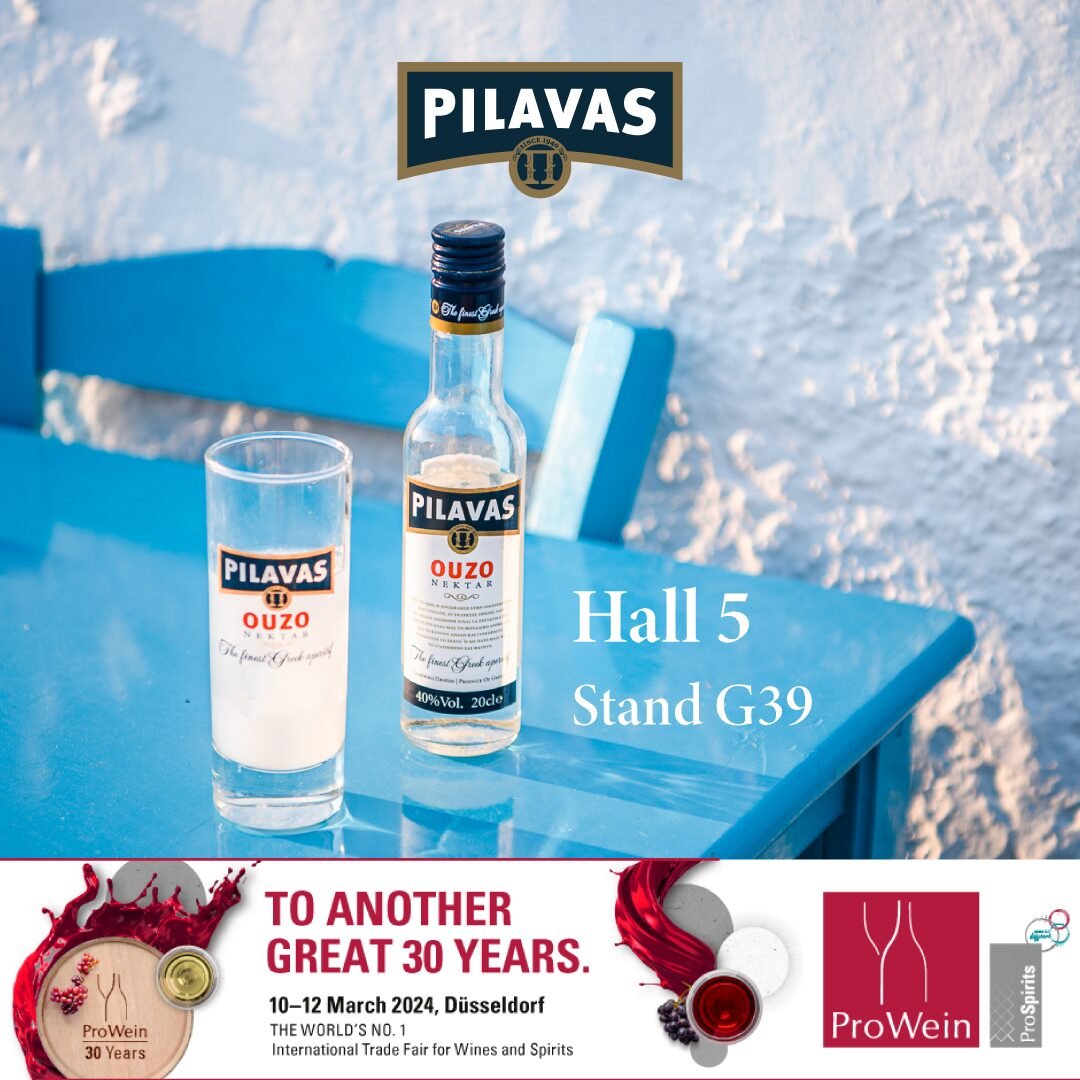
About Pilavas Distillery
Pilavas Distillery is a better fit for travelers who want a Patras spirits stop than for those seeking a classic vineyard tasting. Plan ahead, keep the group small unless arrangements are confirmed, compare it with local distillery alternatives before building a full day around it.
In Patras, Pilavas Distillery is best treated as a focused venue entry rather than a stop with fully documented public planning details. The verified information is limited, but the confirmed signals are clear: Pilavas Distillery is in Patras, has a casual dress code, holds Pearl 2 Star Prestige (2025). For travelers considering it as part of a Patras itinerary, use those confirmed facts as the basis for planning rather than assuming additional services or visit formats.
Because public planning specifics are not verified here, avoid assuming walk-in access, visit format, group capacity, tastings, tours, retail options, or shipping. If the occasion needs a polished, low-friction itinerary, confirm details directly before committing time to the stop, then keep the rest of the day flexible around other Patras dining or experiences.
Book it for a distillery-focused Patras stop
The right guest profile is direct: consider Pilavas Distillery if the group wants a Patras distillery reference with a confirmed Pearl 2 Star Prestige (2025) recognition. Skip building the plan around scenery, architecture, a formal tasting menu, or any specific product-led experience unless those details are confirmed directly for your date.
For a special occasion, the appeal is specificity rather than breadth. Pilavas Distillery gives the itinerary a clear Patras distillery anchor, while the casual dress code keeps the tone relaxed. The tradeoff is that the verified data does not establish hours, pricing, capacity, tour structure, or service format, so confirmation remains essential before shaping the day around it.
Where it fits in a Patras itinerary
Among relevant options, Pilavas Distillery sits naturally on the distillery side of an itinerary. If the group wants to compare producers, consider other relevant names such as Aromas Distillery, Notos Distillery, Papadimitriou Distillery (Tentoura Kastro), Spyropoulos Distillery, or a wine contrast such as Parparoussis Winery. Other Patras dining options can fill out the day without requiring unverified assumptions about Pilavas Distillery itself.
The verdict: put Pilavas Distillery on the list for a focused Patras itinerary when a confirmed Pearl 2 Star Prestige (2025) distillery stop fits the occasion. Keep the plan practical, dress casually, verify the operational details directly before visiting. Its value is clearest when treated as one specific Patras venue within a broader, carefully confirmed itinerary.
Frequently Asked Questions
Does Pilavas Distillery offer shipping?
There is no verified shipping information for Pilavas Distillery based on the available facts. The confirmed details are that Pilavas Distillery is in Patras, has a casual dress code, holds Pearl 2 Star Prestige (2025).
Is there a membership program at Pilavas Distillery?
No verified membership information is available for Pilavas Distillery. If membership, product access, or purchasing options matter to your plans, confirm those details directly before making the visit part of your Patras itinerary.
What other venues can I compare with Pilavas Distillery?
Parparoussis Winery is a relevant comparison if you want to contrast a distillery stop with a wine-focused venue. Pilavas Distillery itself should be planned as a Patras distillery reference unless specific additional details are confirmed directly.
Can Pilavas Distillery handle large groups?
Group capacity is not verified for Pilavas Distillery. If you are planning for a larger party, confirm availability and format directly before relying on it as part of a Patras itinerary.
When is the best time to visit Pilavas Distillery?
No verified hours or best visiting window are available here. The safest approach is to contact Pilavas Distillery directly and plan the Patras stop only after confirming timing, access, any visit requirements.
What is the signature product at Pilavas Distillery?
No verified signature product is listed for Pilavas Distillery. The confirmed information supports treating it as a Patras distillery with Pearl 2 Star Prestige (2025), without assuming a specific product focus.
How long should I plan for a visit to Pilavas Distillery?
No verified visit length is available for Pilavas Distillery. Plan only after confirming the format directly, then fit it into your Patras itinerary as a focused stop rather than assuming a long session.
Location
31 Old National Road Patras – Korinthos, 265 00 Akteo, Patra, Greece
Patras, Greece
Compare Pilavas Distillery
| Venue | Location | Awards |
|---|---|---|
| Pilavas Distillery | Patras | Pearl 2 Star Prestige (2025) |
| Parparoussis Winery | Patras | , |
| Papadimitriou Distillery (Tentoura Kastro) | Patras | , |
| Spyropoulos Distillery | Patras | , |
| Aromas Distillery | Patras | , |
| Notos Distillery | Patras | , |
How Pilavas Distillery Patras compares with similar nearby venues.
If Pilavas is not the right fit
Try Papadimitriou Distillery (Tentoura Kastro) first for another Patras distillery option. If the group would rather pivot to wine, Parparoussis Winery is the cleaner alternative.
How it compares in Patras
Choose Pilavas Distillery when the priority is a spirits-led Patras stop rather than a wine-focused visit. Parparoussis Winery is the clearer cross-shop for travelers who want a winery frame, while Papadimitriou Distillery (Tentoura Kastro) is the more direct comparison for visitors specifically interested in local distillation.
For booking confidence, treat every distillery in this set as something to confirm before arrival. If Pilavas is not workable for the date, Spyropoulos Distillery, Aromas Distillery, Notos Distillery are the practical alternatives to check next. The decision is less about a clear price hierarchy and more about which producer can support the group size, timing, style of visit.
For ambiance, wine-focused travelers should start with Parparoussis Winery. For a tighter Patras spirits comparison, shortlist Pilavas alongside Papadimitriou, Spyropoulos, Aromas, Notos, then book the one with the clearest access for the occasion.
Explore Patras
Save or rate Pilavas Distillery on Pearl
Keep this venue in your Pearl passport, rate it after you visit, and track it alongside every other place you collect.