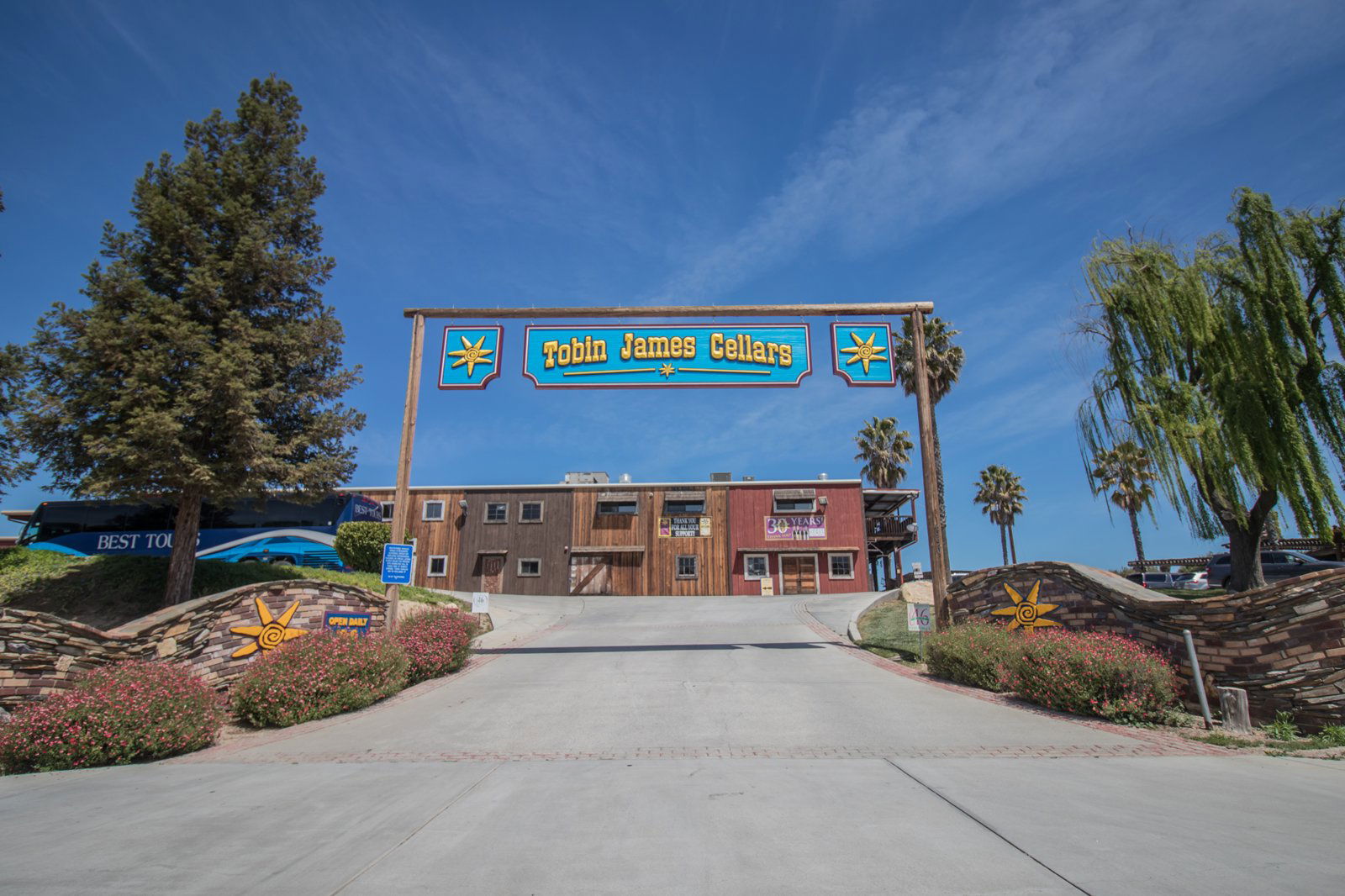
Tobin James Cellars
Highway 46 East, Paso Robles
Winery in Paso Robles, United States
 Book with Pearl
The Read
East-Side Zinfandel Country
Price
$20–30tasting
Why go
Worth booking for a lively first Paso Robles winery stop, especially if the group wants an accessible tasting-room experience rather than a quiet technical appointment. Availability is the main catch, so keep a backup plan and use the visit to decide which bottles merit taking home or shipping.
About Tobin James Cellars
The practical verdict: Tobin James Cellars is worth considering for a Paso Robles itinerary if you want to include a recognized local stop and are comfortable checking current details in advance. If your plans depend on a specific service, schedule, or visit requirement, verify those details first rather than assuming they are available.
Pick this for a recognized Paso Robles stop with casual dress
The planning decision should be conservative. Check the venue directly for current details, then decide whether it fits the specific kind of Paso Robles day you are building.
Where it fits in a Paso Robles day
Use Tobin James Cellars as one possible stop in a broader Paso Robles plan, especially if you are comparing several venues before committing your schedule. If your group has firm needs around timing, accessibility, or other visit requirements, confirm those details in advance.
Plan the surrounding day with realistic pacing. For broader trip planning, add food, sleep, and evening plans through Our full Paso Robles restaurants guide and other Paso Robles resources.
Planning details
- Location
- 8950 Union Rd, Paso Robles, CA 93446
- Website
- tobinjames.com
- Phone
- +1 805-239-2204
The take
The Take
The Vibe
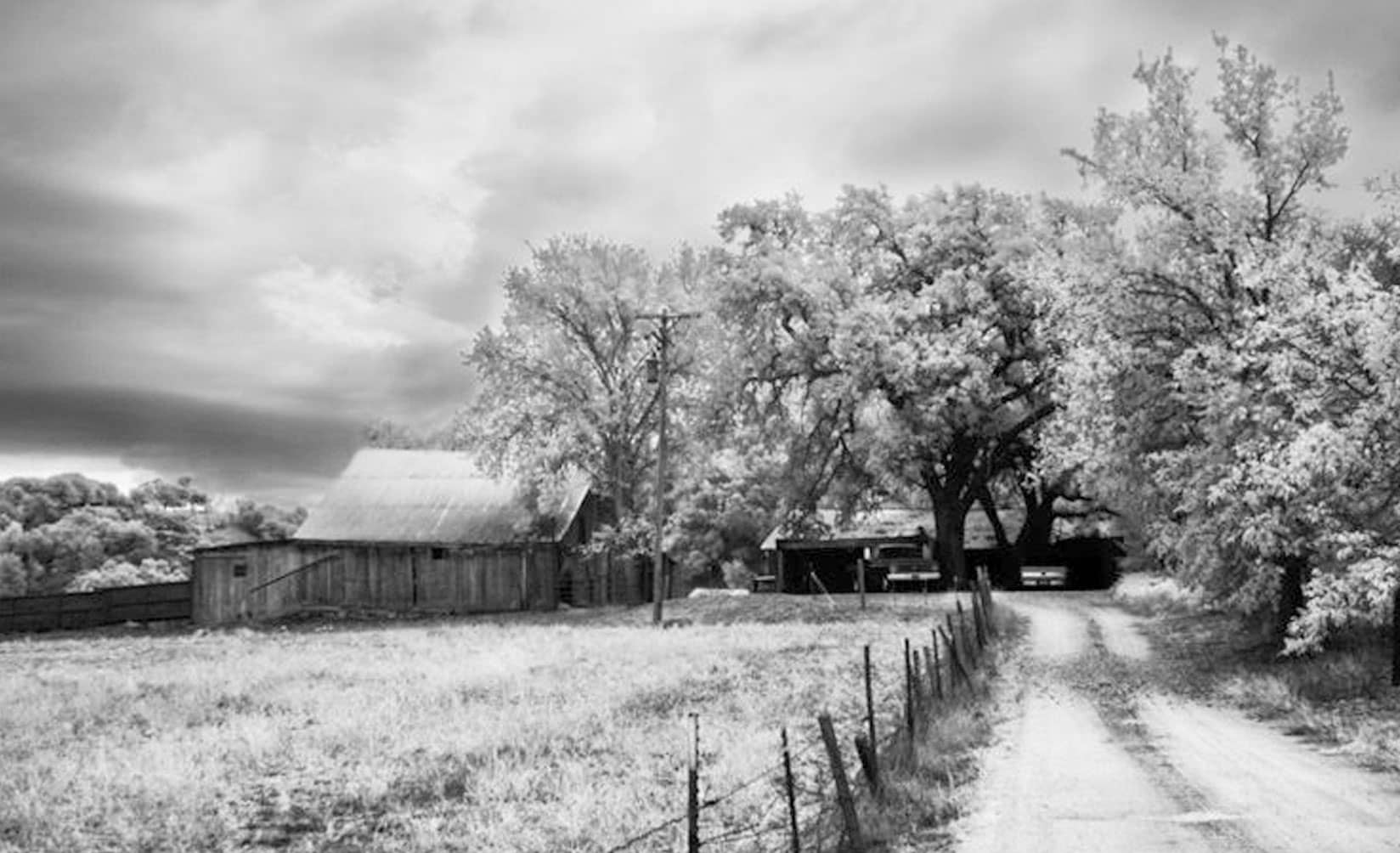
Tobin James Cellars sits squarely in Paso Robles’ east side: a working agricultural landscape where vineyards and cellars feel pragmatic rather than polished. The land’s character includes alluvial soils, calcareous clay subsoils and diurnal temperature swings that shape wines with ripe fruit and persistent acidity. Visitors encounter a terroir-forward, scenic tasting experience that emphasizes viticulture over glossy pavilion-style presentation.
Best For
This is a place for people who want to learn about where wine comes from: group outings with friends, educational visits focused on terroir and harvest practices, and small celebratory stops when you want something a bit more substantial than a roadside tasting. The east-side setting and working cellars make it appropriate for family visits that appreciate vineyards and agricultural context rather than formal dining. Expect an experience centered on tasting wines that reflect place and production, rather than a destination built around elaborate amenities.
Tasting Tips
Ask about vineyard sources and how diurnal swings and calcareous clay soils influenced the vintage; harvest timing preserves acidity while accumulating sugar. Framing questions around vineyard practice and harvest decisions yields the most insight here, since the property’s strength is its agricultural story and cellar-focused production.
Venue details
Ambiance
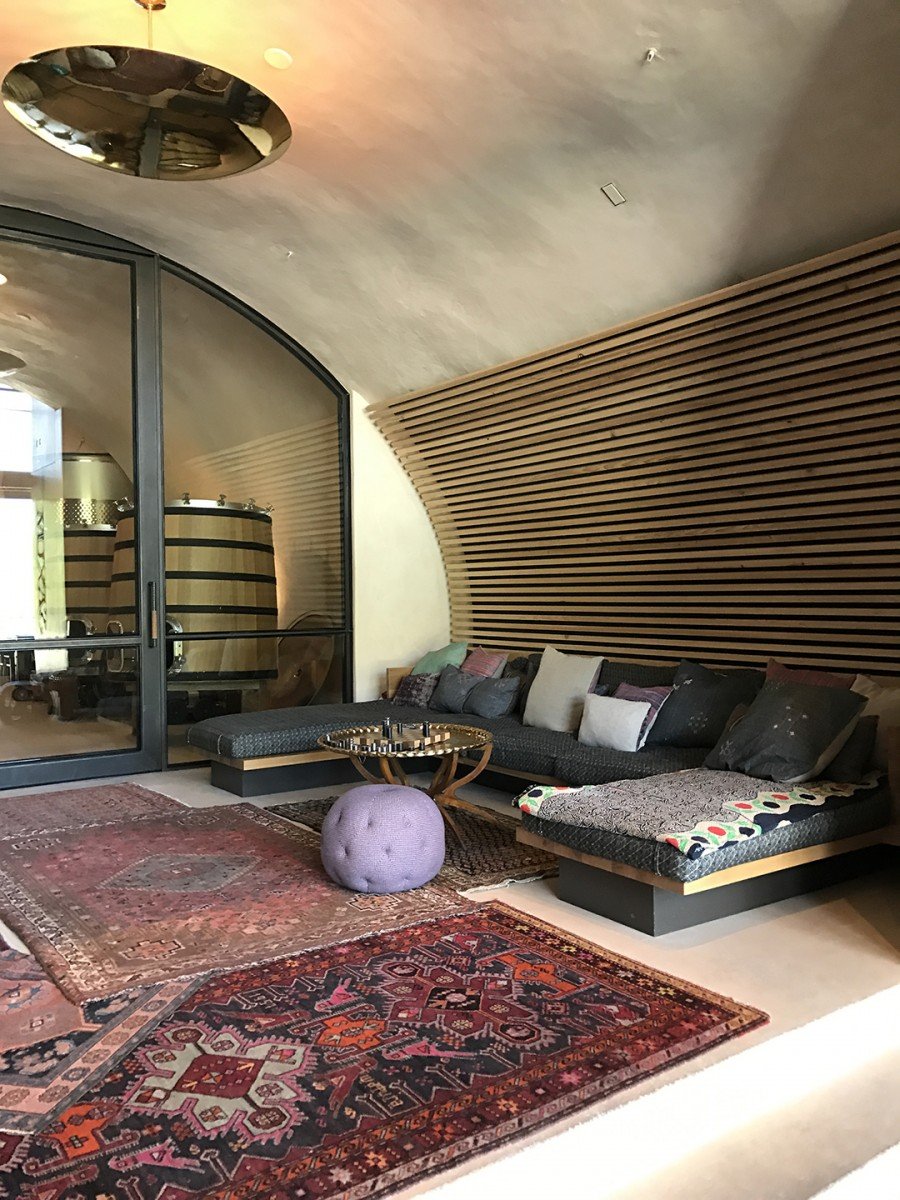
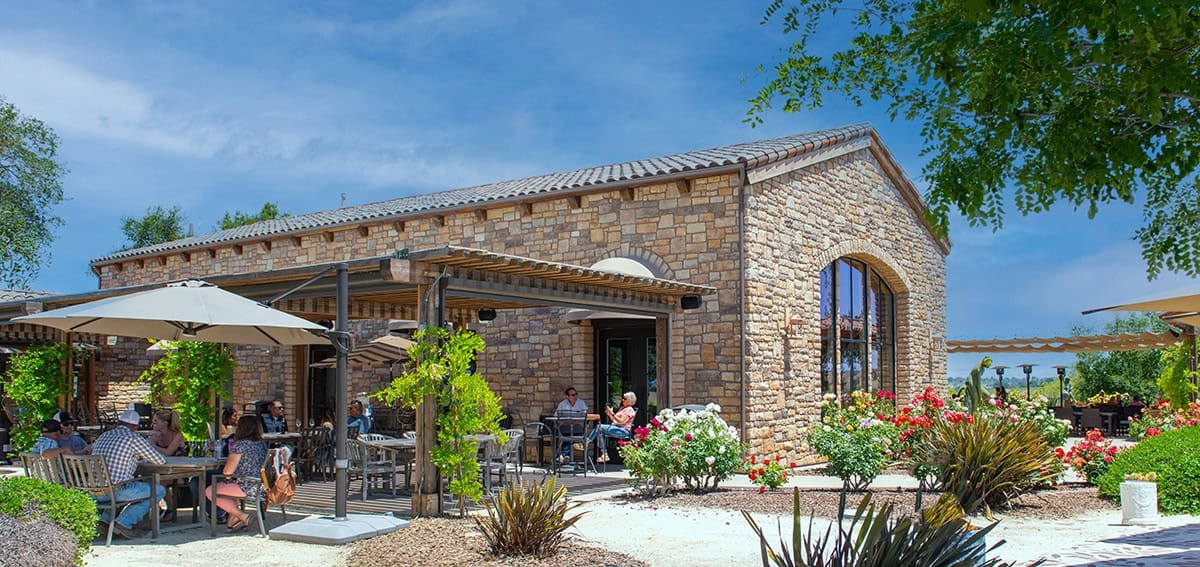
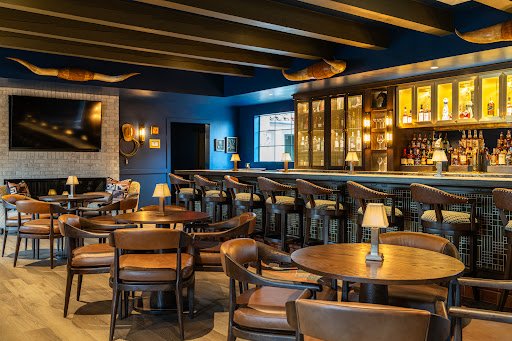
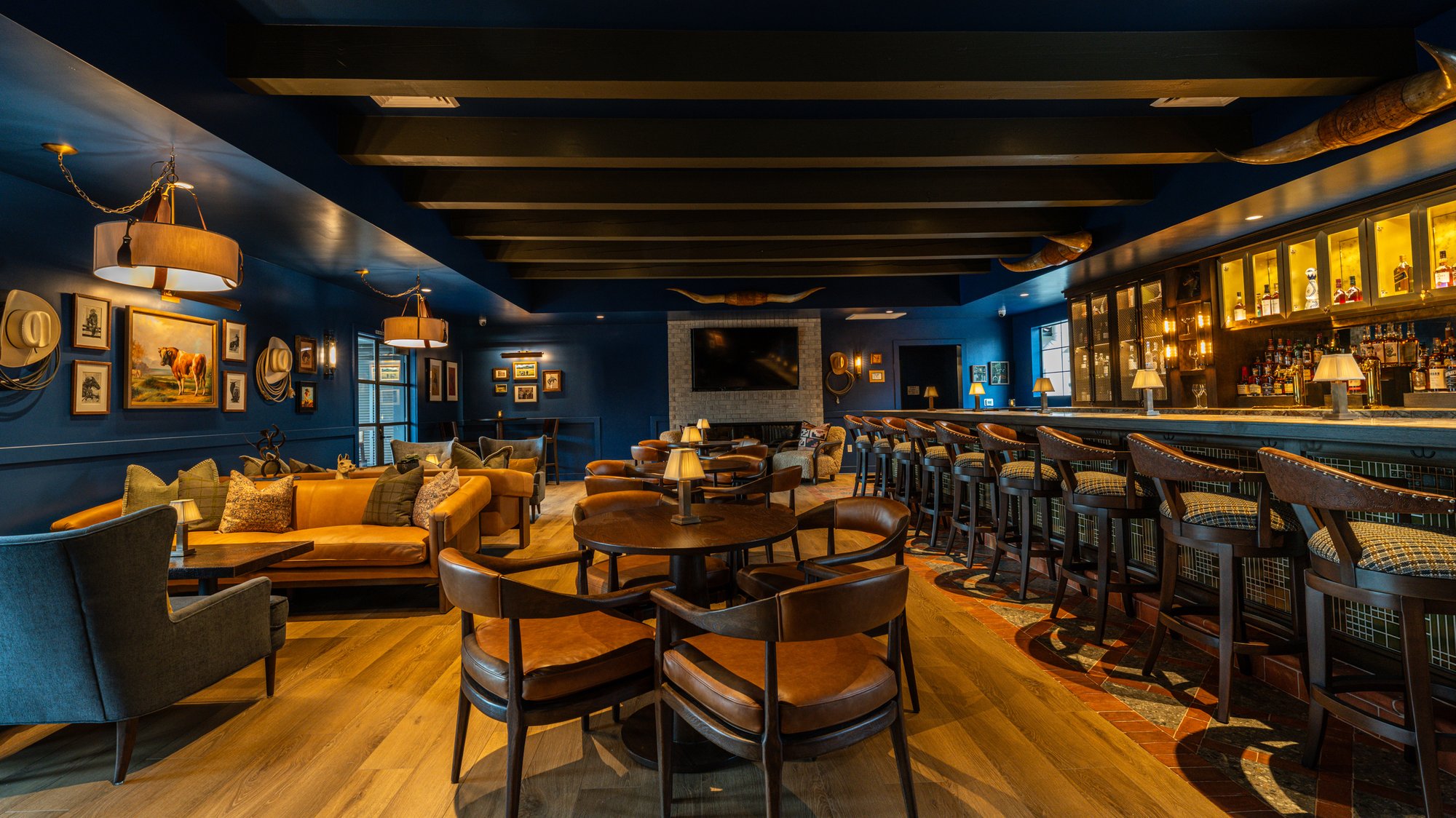
Warm, inviting, and unpretentious with a lively Old West saloon atmosphere featuring antique furnishings, multiple custom-made bars, and rustic charm that evokes Paso Robles frontier history.
Tags
Vibe
Best For
Experience
View
At the Vineyard
- Appellation
- Paso Robles
- Varietals
- Zinfandel, Cabernet Sauvignon, Syrah, Merlot, Chardonnay
- Visits
- Walk-ins welcome
- Farming
- Sustainable
- Wine Styles
- Still Red, Still White, Still Rose, Fortified
- Shipping
- Available
- Wine Club
- Available
Know before you go
Know Before You Go
- Getting there
- 8950 Union Rd, Paso Robles, CA 93446
Planning details
Location
Also consider
Where to go if this is full
If availability blocks the plan, try Cass Winery first for a group-friendly Paso Robles alternative with broad appeal. For a calmer tasting day, look at Bianchi Winery or Steinbeck Vineyards & Winery instead.
Winery context
How it compares in Paso Robles
Tobin James Cellars is the harder play if the goal is a high-energy, first-timer-friendly tasting with a stronger sense of occasion. Glunz Family Winery & Cellars and Barr Estate Winery make more sense as backups if access matters more than name recognition or room energy.
For a softer, more relaxed Paso Robles day, cross-shop Bianchi Winery and Steinbeck Vineyards & Winery. They are the better fit for visitors who want the tasting to feel less like the main event and more like part of a slower itinerary. Tobin James Cellars is better when the group wants momentum.
Cass Winery is the peer to consider if the day needs broader hospitality value and an easier group-friendly feel. Pick Tobin James Cellars for energy and demand; pick Cass Winery when the overall experience needs to work for mixed-interest groups.
Around this place
Discover more on Pearl
Unlock the full Tobin James Cellars guide in Pearl, including awards, comparisons, FAQs, planning details, and nearby places.
Compare Tobin James Cellars
| Venue | Location | Awards |
|---|---|---|
| Tobin James Cellars | Paso Robles | No published awards |
| Glunz Family Winery & Cellars | Paso Robles | No published awards |
| Barr Estate Winery | Paso Robles | No published awards |
| Bianchi Winery | Paso Robles | No published awards |
| Steinbeck Vineyards & Winery | Paso Robles | No published awards |
| Cass Winery | Paso Robles | No published awards |
How Tobin James Cellars Paso Robles compares with similar nearby venues.
FAQ
Frequently Asked Questions
Is Tobin James Cellars a casual venue?
Yes. The dress code for Tobin James Cellars is casual.
Can Tobin James Cellars handle large groups?
Contact Tobin James Cellars directly before visiting with a group, and compare availability with other options such as Barr Estate Winery or Steinbeck Vineyards & Winery if you are planning a broader Paso Robles itinerary.
Does Tobin James Cellars serve food?
Do not plan on a meal at Tobin James Cellars unless the venue confirms current options in advance; otherwise, pair the visit with dining elsewhere in Paso Robles.