
Saxum Vineyards
Willow Creek District, Paso Robles
Winery in Paso Robles, United States
 Book with Pearl
The Read
West Side Rhône Authority
Why go
Saxum Vineyards is worth prioritizing for serious Paso Robles wine travelers who care about allocation access, producer track record, and cellar relevance. It is not the easiest fit for spontaneous tasting-room plans, so build the day with flexible alternatives nearby.
About Saxum Vineyards
The recommendation is direct: prioritize Saxum Vineyards if the goal is to include a recognized Paso Robles venue in a carefully planned trip. If the day depends on specific services, timing, formats, or group logistics, verify those details first rather than assuming they are available. Smart casual dress is the baseline.
Worth considering in Paso Robles
Saxum Vineyards is best approached as a deliberate addition to a Paso Robles itinerary, with practical details checked in advance. Beyond that, travelers should avoid relying on assumptions about format, pricing, scheduling, or services unless they have confirmed them directly.
For travelers building a broader itinerary, use Saxum Vineyards as one possible anchor and compare availability with other named venues such as Clos Selene Winery, Denner Vineyards, Jada Vineyard & Winery, Ledge Vineyards, and San Marcos Creek Vineyard. For trip planning beyond Saxum Vineyards, keep Our full Paso Robles restaurants guide, Our full Paso Robles hotels guide, Our full Paso Robles bars guide, Our full Paso Robles wineries guide, and Our full Paso Robles experiences guide open while sequencing the day.
Who should put this first on a Paso Robles day
Travelers who value recognized Paso Robles venues should keep Saxum Vineyards high on the list, especially if they are comfortable confirming the practical details in advance.
The practical call: make Saxum Vineyards a priority if the itinerary can accommodate advance planning.
Planning details
- Location
- 2800 Willow Creek Rd, Paso Robles, CA 93446
- Website
- saxumvineyards.com
- Phone
- +1 805-610-0363
The take
The Take
The Vibe
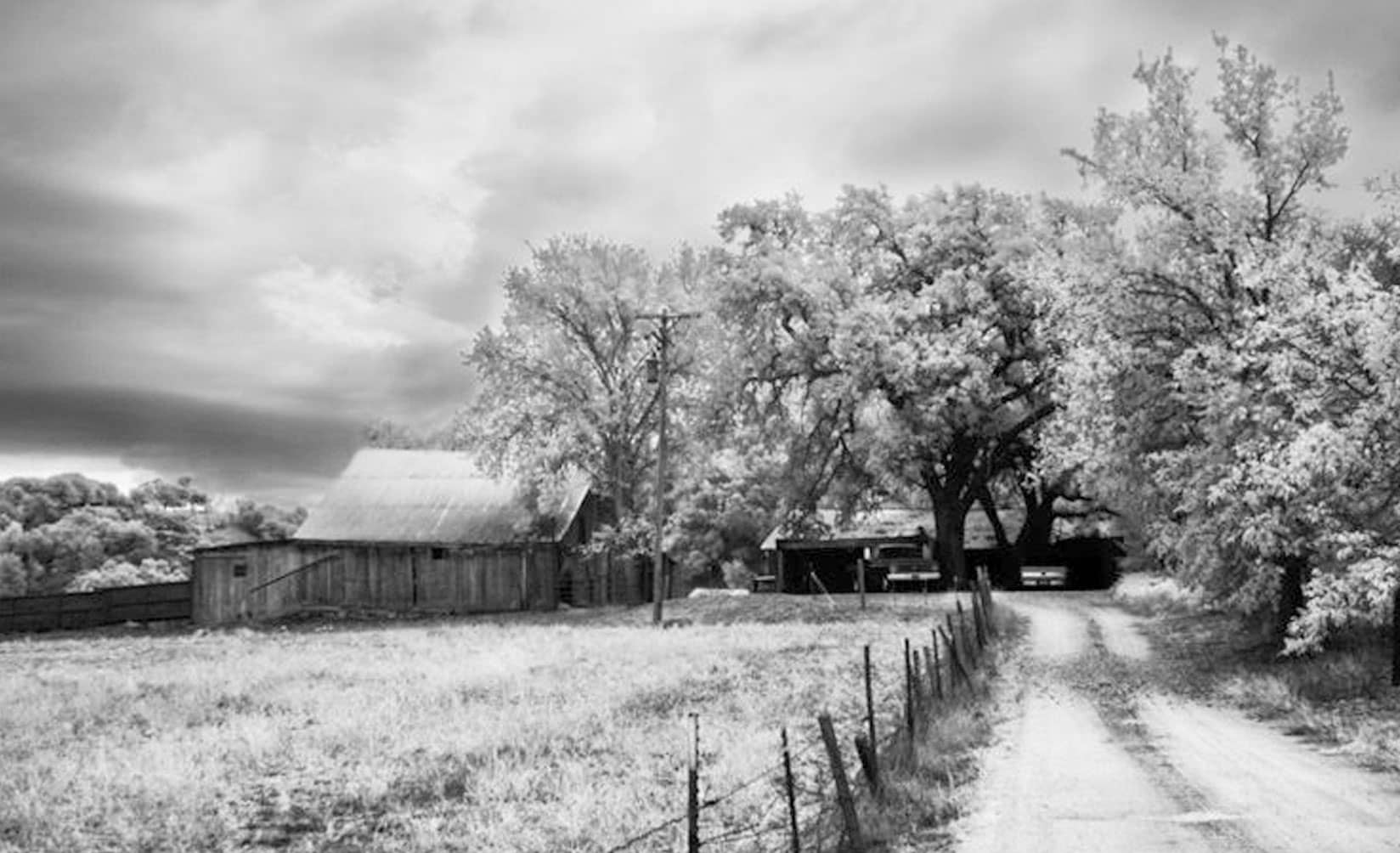
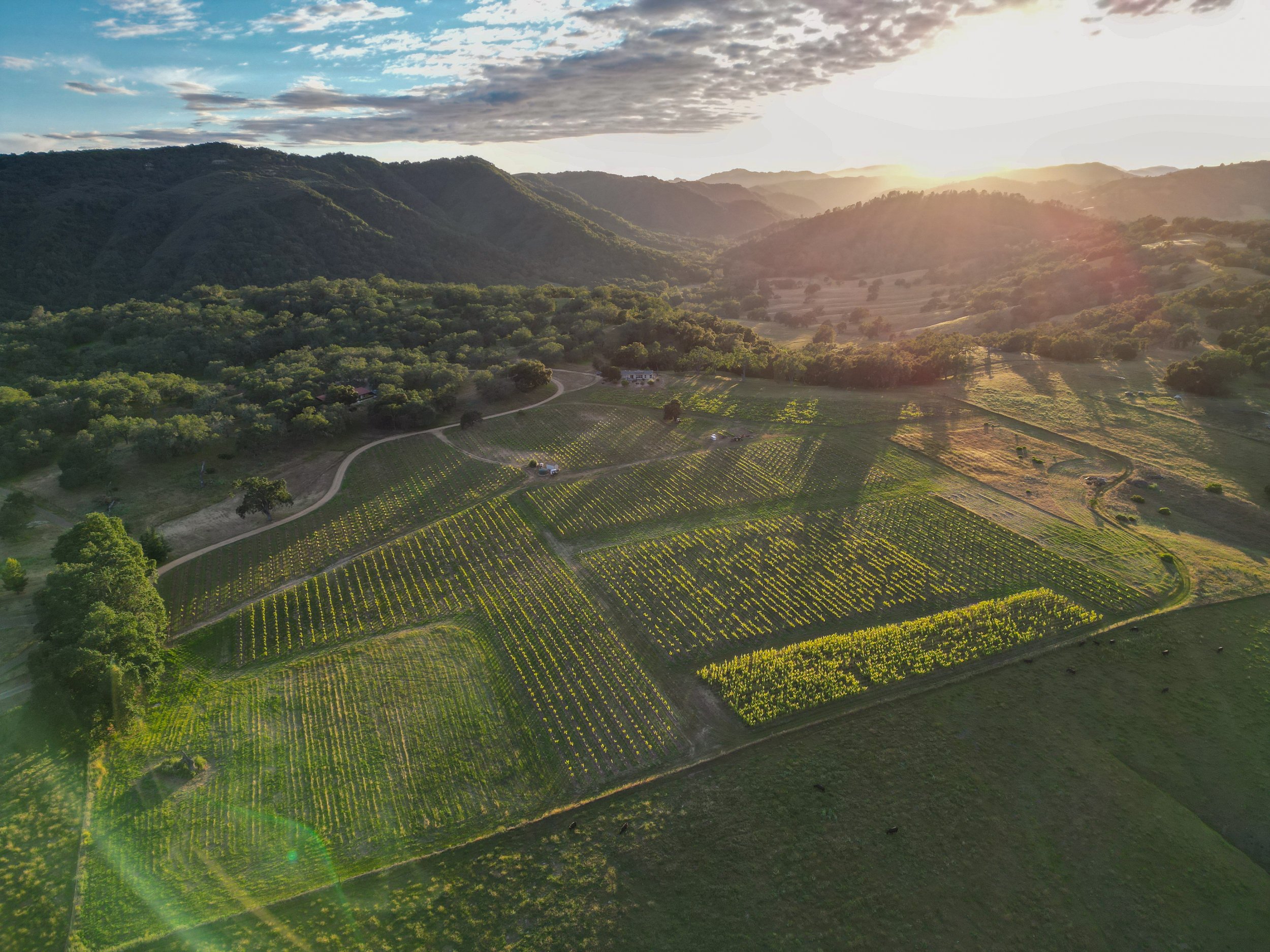
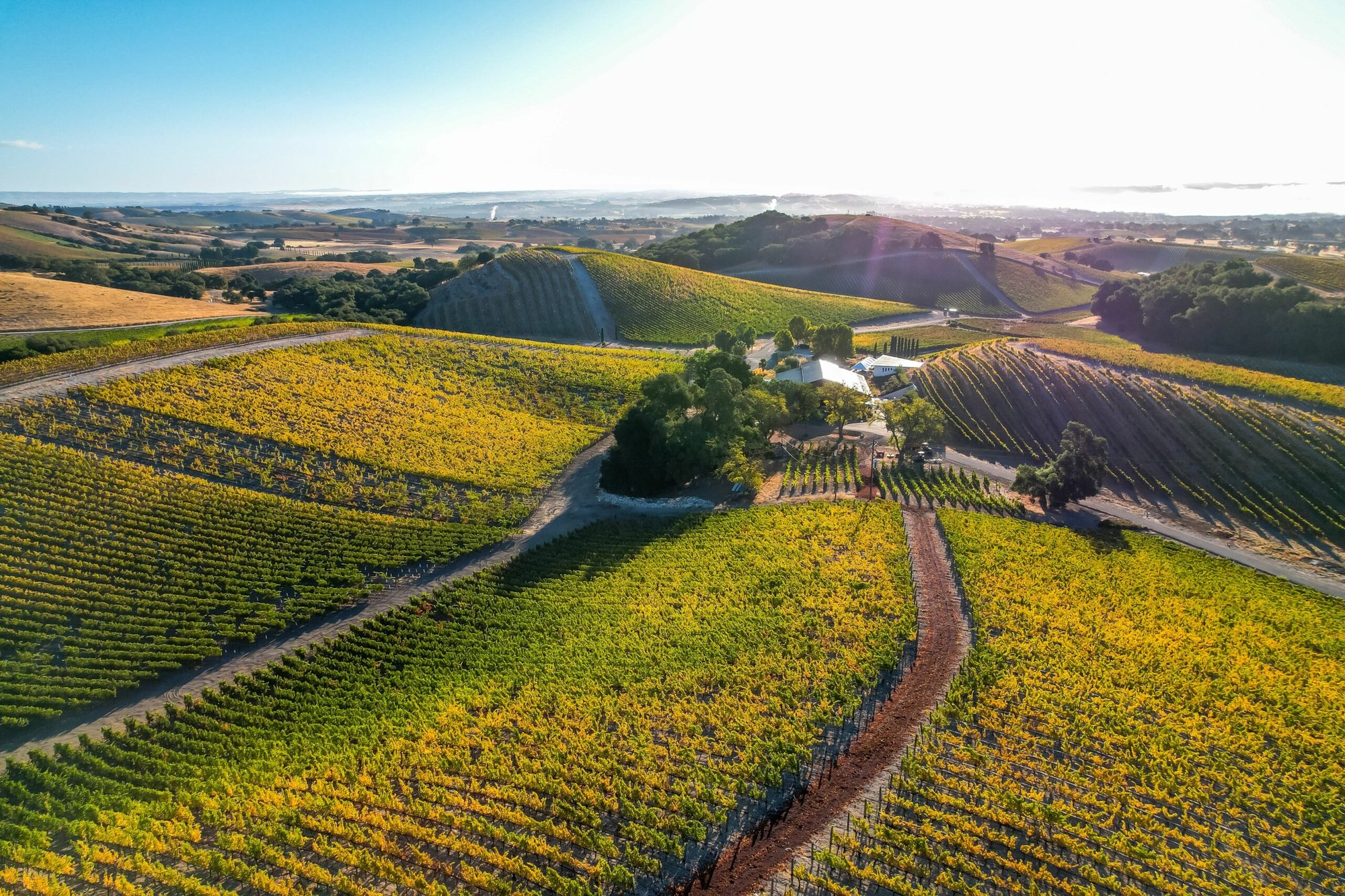
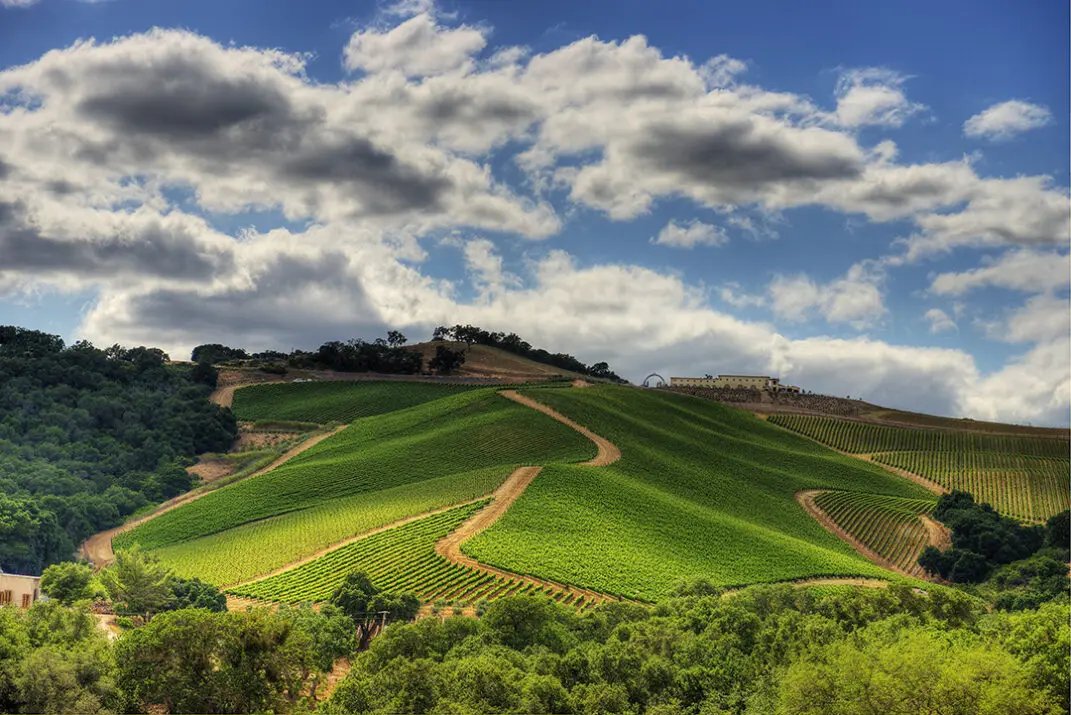
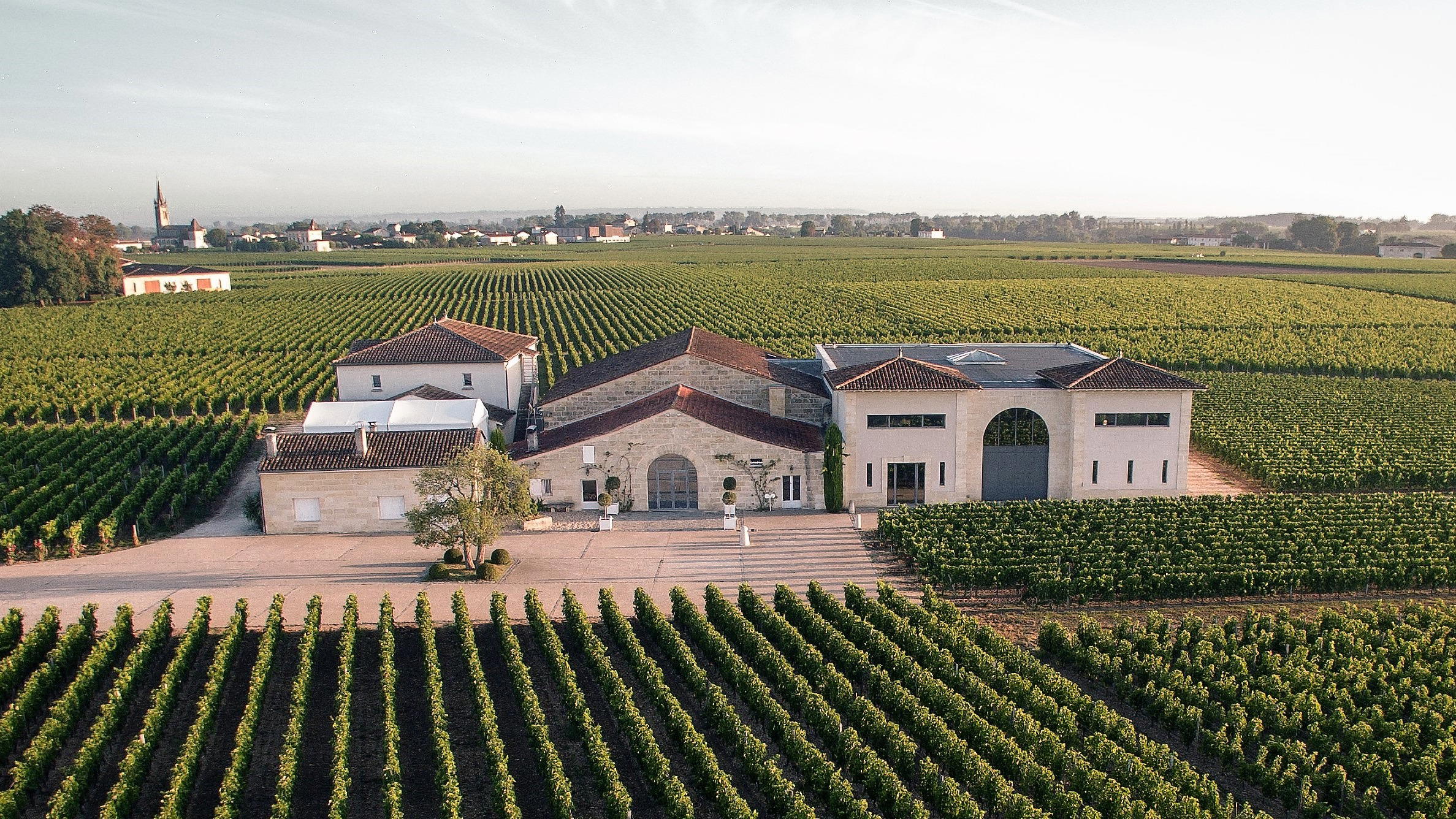
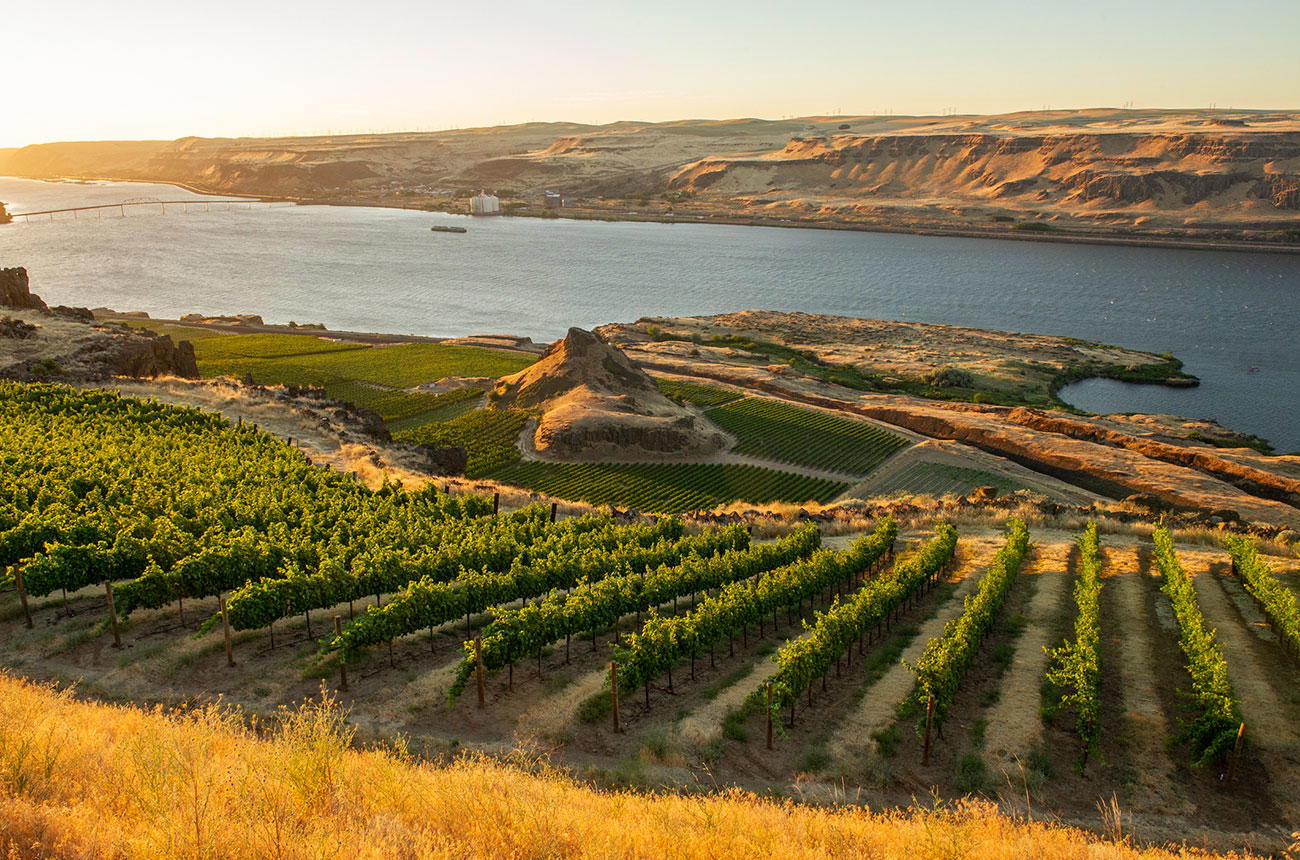
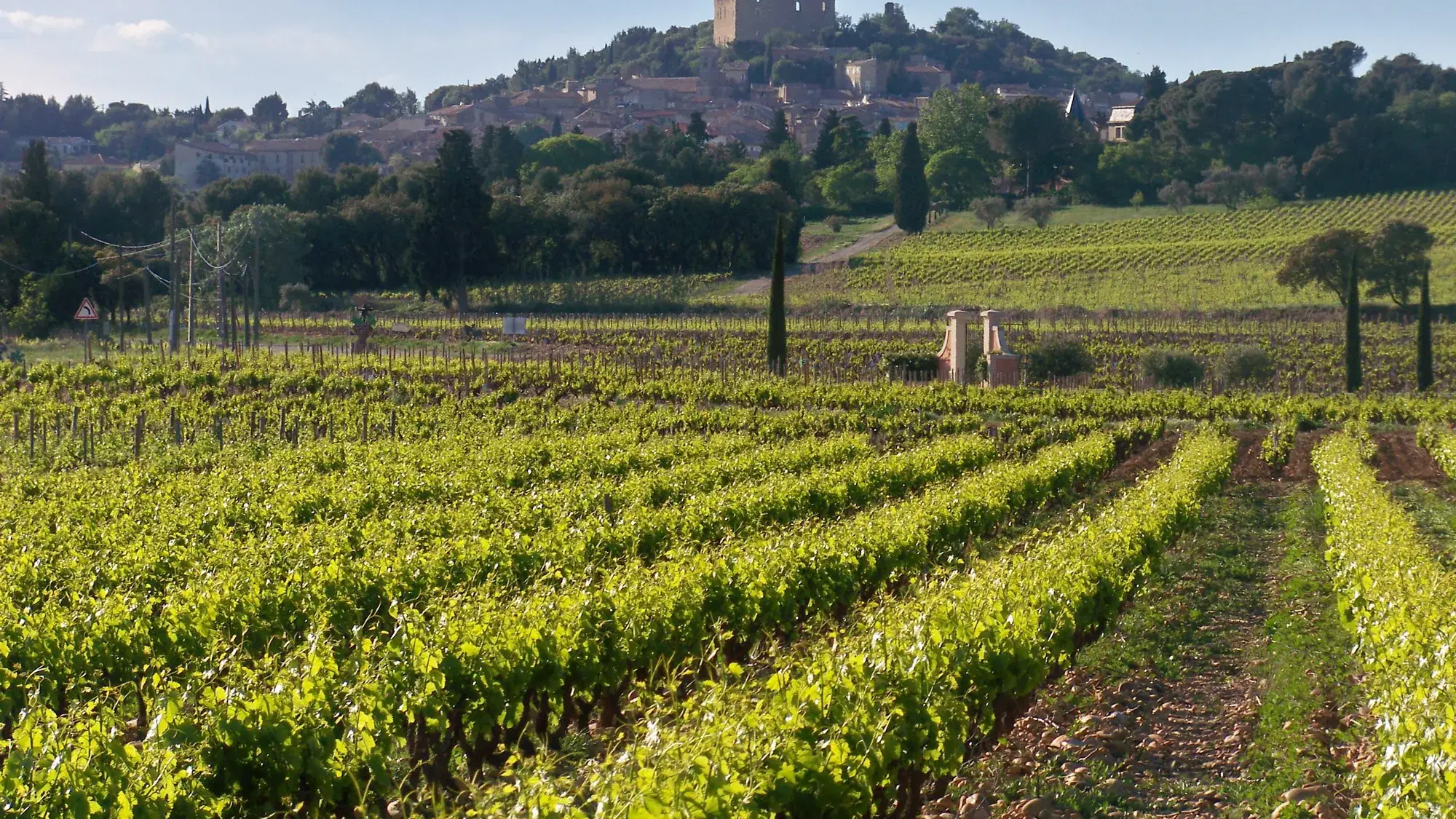
Saxum Vineyards has a terroir-first personality, with limestone-rich soils, elevation shifts and early marine influence setting this corner of Willow Creek apart. The text positions the site itself as the premise for the wines, and that focus produces a sophisticated, almost academic air: winemaking driven by geology and microclimate rather than gimmick. Visitors encounter a contemplative rural setting where vineyard details matter: older-vine material, low yields and Rhône varieties are part of an intentional program. The result is refined, restrained wines and a tasting experience that privileges provenance and technical rigor over flash.
Best For
This is a stop for wine-focused visits and for people who come to Paso Robles to study site and style. Saxum is part of a deliberate repositioning of western Paso into fine wine territory, so it suits enthusiasts seeking education, collectors evaluating terroir-driven Rhône varieties, and celebratory visits centered on wine. The setting’s remoteness and emphasis on vineyard expression also support solitary exploration or intimate appointments rather than loud, social tasting-room crowds. It reads as a destination best appreciated by those who care about site and vintage nuance.
Tasting Tips
When tasting at Saxum, prioritize the Rhône varieties called out in the description (Grenache, Syrah and Mourvèdre) and the blends that showcase them. Calcareous soils, older vines and low yields shape the wines, so expect texture, minerality and layered concentration; ask staff about allocations or small-production bottlings that reflect specific parcels. Given the estate’s emphasis on terroir and aging potential, request notes on cellarability and consider tasting back vintages if available to understand how the wines evolve with time.
Venue details
Ambiance
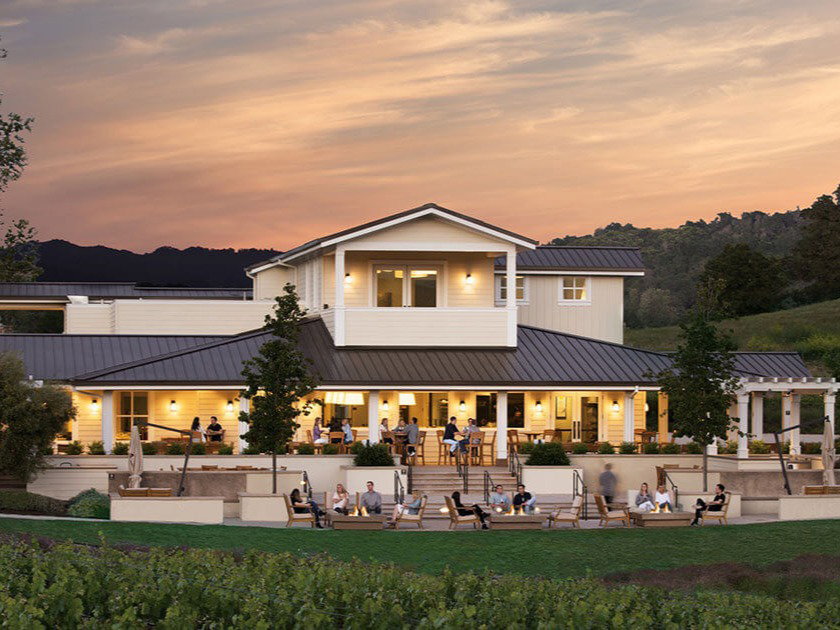
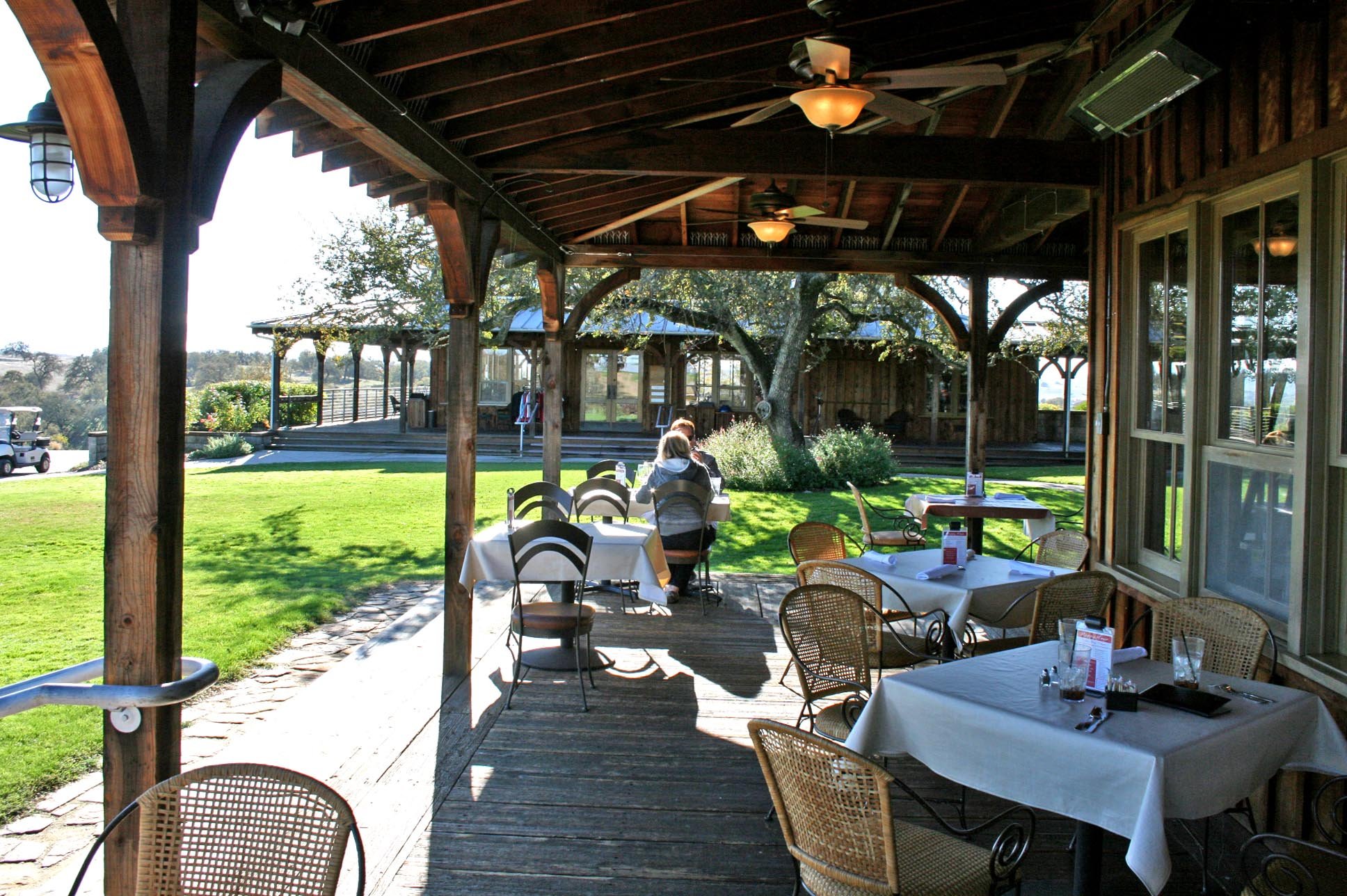
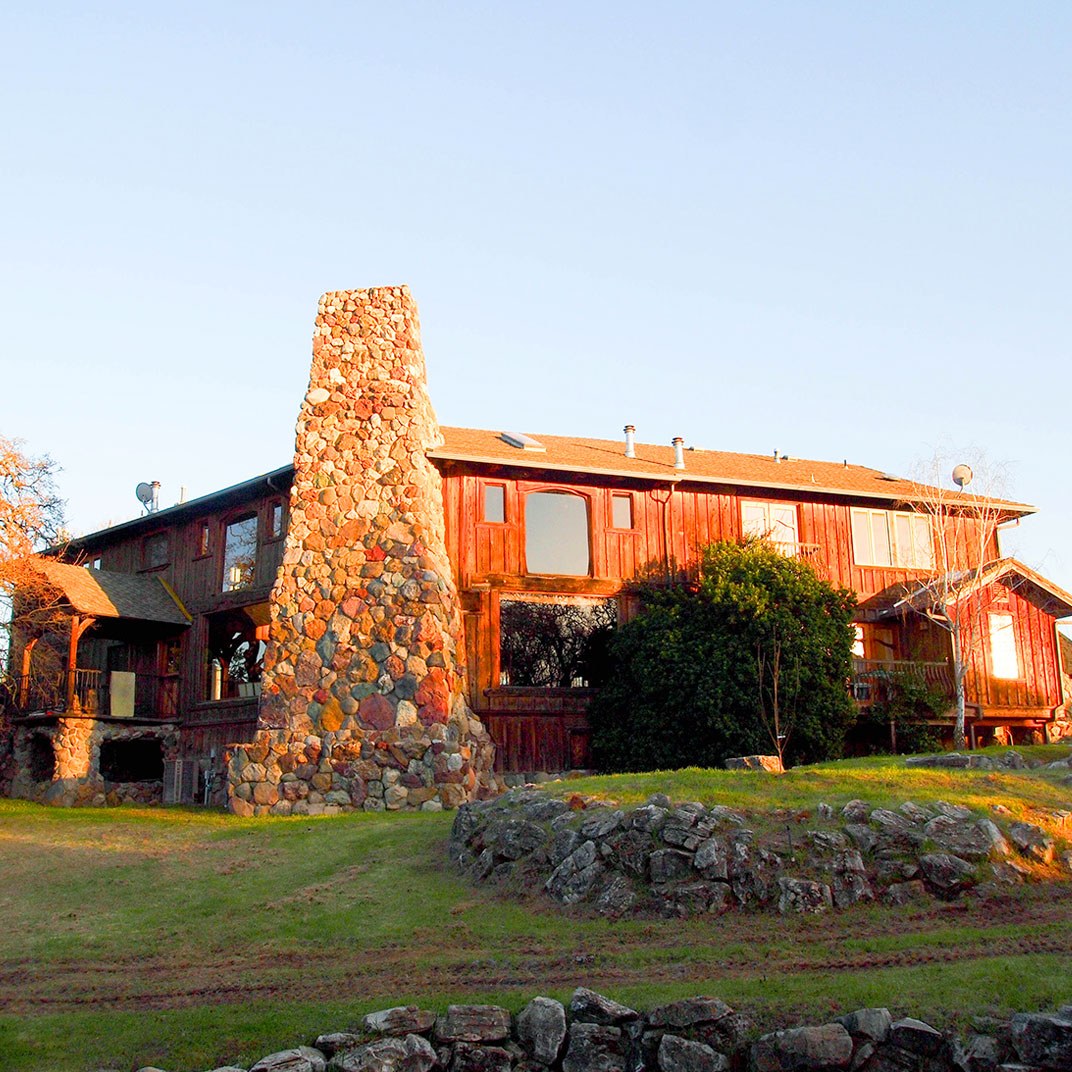
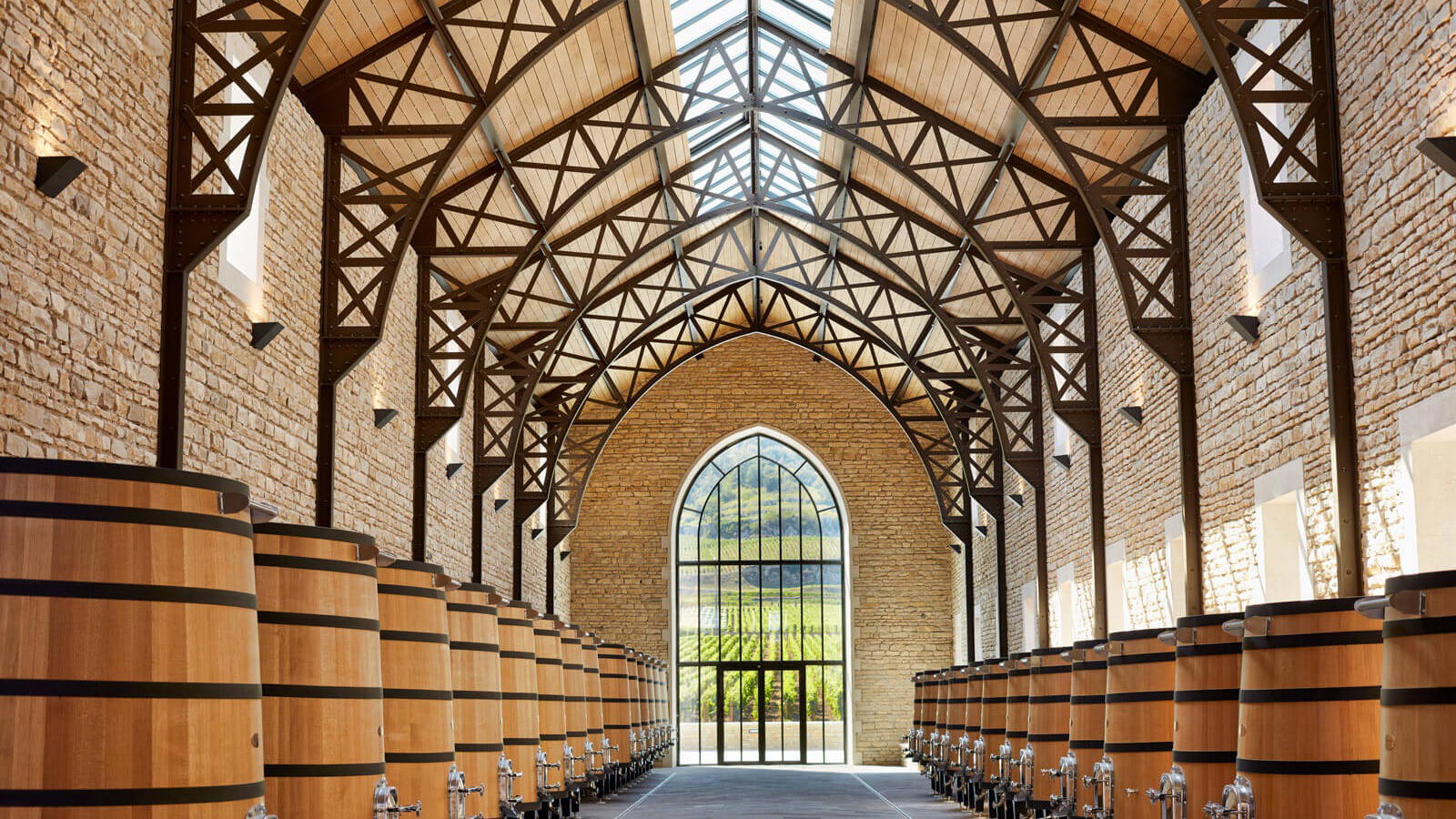
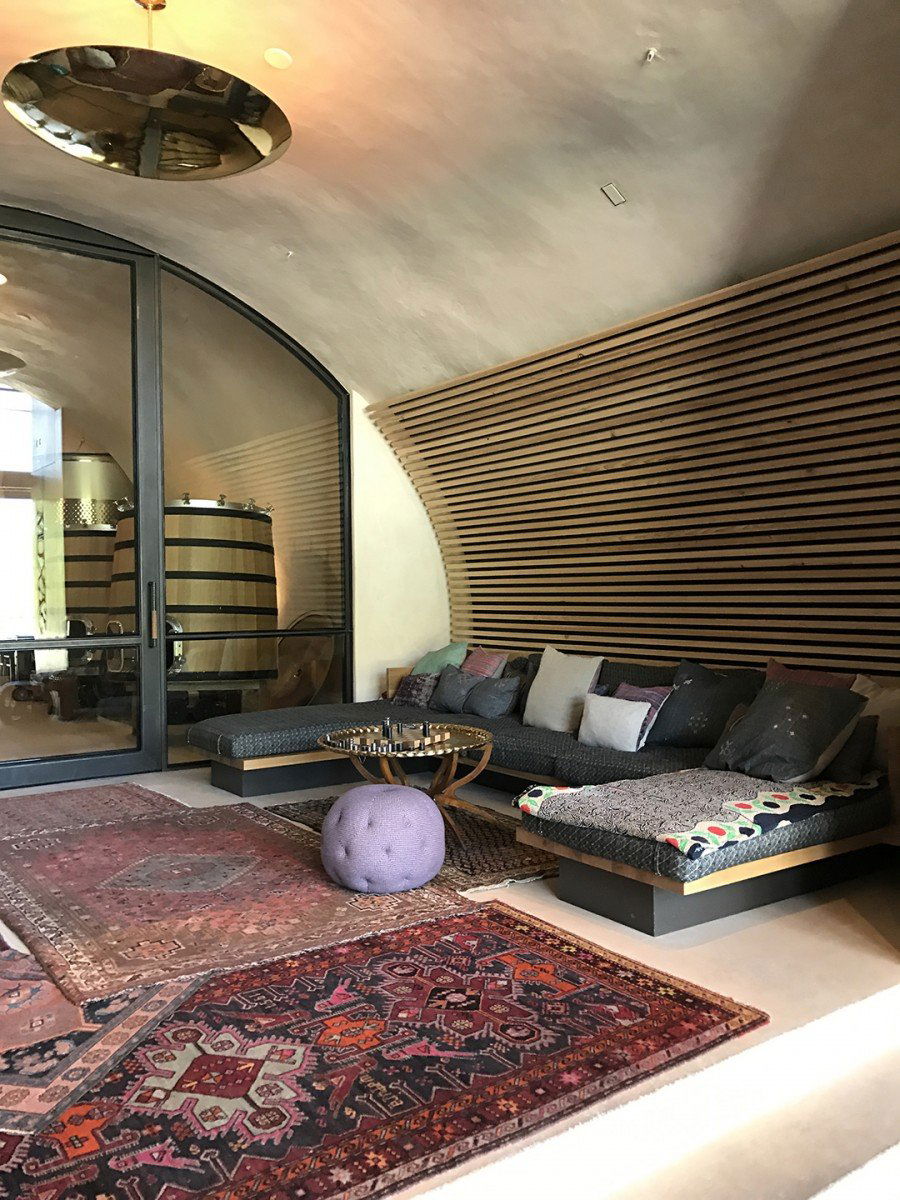
Intimate, rustic winery setting amid scenic vineyards with cave aging for optimal wine preservation.
Tags
Vibe
Best For
Experience
Sourcing
View
At the Vineyard
- Appellation
- Paso Robles AVA
- Varietals
- Grenache, Syrah, Mataro, Grenache Blanc, Roussanne
- Tour Duration
- 60-90 minutes
- Tour Languages
- English
- Visits
- By appointment only
- Farming
- Sustainable
- Production
- Small producer
- Wine Styles
- Still Red, Still White
- Wine Club
- Available
Know before you go
Know Before You Go
- Getting there
- 2800 Willow Creek Rd, Paso Robles, CA 93446
Planning details
Location
Recognition and awards

Also consider
Where to look if access does not line up
If Saxum is not workable, start with Denner Vineyards or Clos Selene Winery for serious Paso Robles alternatives. For mixed groups, Jada Vineyard & Winery is the more practical cross-shop.
Winery context
How Saxum compares in Paso Robles
Saxum Vineyards is the harder-chase option in this set: choose it when scarcity, reputation, and long-term cellar interest matter more than easy scheduling. Denner Vineyards and Clos Selene Winery are better cross-shops for visitors who still want serious Paso Robles wine but need a more conventional tasting-day structure.
For a broader group, Jada Vineyard & Winery is the safer pick if the goal is an accessible winery stop rather than an allocation-focused target. Ledge Vineyards makes sense for travelers who want an independent-producer feel, while San Marcos Creek Vineyard is the more relaxed choice if ambiance and ease matter more than chasing a tightly held label.
The decision is simple: put Saxum first for a collector-led Paso Robles trip, Denner or Clos Selene for serious tasting with less friction, and Jada, Ledge, or San Marcos Creek when the group needs a smoother day.
Around this place
Discover more on Pearl
Unlock the full Saxum Vineyards guide in Pearl, including awards, comparisons, FAQs, planning details, and nearby places.
Compare Saxum Vineyards
| Venue | Location | Awards |
|---|---|---|
| Saxum Vineyards | Paso Robles | 2026 Falstaff Winery Guide |
| Denner Vineyards | Paso Robles | 2026 Falstaff Winery Guide |
| Clos Selene Winery | Paso Robles | No published awards |
| Jada Vineyard & Winery | Paso Robles | No published awards |
| Ledge Vineyards | Paso Robles | No published awards |
| San Marcos Creek Vineyard | Paso Robles | No published awards |
How Saxum Vineyards Paso Robles compares with similar nearby venues.
FAQ
Frequently Asked Questions
When is the best time to visit Saxum Vineyards?
The best time is whatever fits Saxum Vineyards and the rest of your Paso Robles itinerary.
What other venues should I compare with Saxum Vineyards?
Denner Vineyards, Clos Selene Winery, Jada Vineyard & Winery, Ledge Vineyards, and San Marcos Creek Vineyard are useful names to compare when planning a broader itinerary with Saxum Vineyards.