Peachy Canyon Winery
Adelaida District, Paso Robles
Winery in Paso Robles, United States
 Book with Pearl
The Read
Westside Zinfandel Authority
Price
$20–30tasting
Why go
Peachy Canyon Winery is worth considering for a Paso Robles tasting day when the priority is a calmer Templeton-side stop rather than a downtown tasting-room crawl. Plan it deliberately, especially for groups, because key visit details should be confirmed before building a tight itinerary around it.
About Peachy Canyon Winery
For readers mapping a wider Paso Robles trip, use general Paso Robles planning resources for restaurants, hotels, bars, and experiences to keep the rest of the day organized.
A Paso Robles winery with confirmed recognition
Because details are limited, avoid assuming a particular experience style. If the group wants a broader comparison set before choosing, look at Austin Hope Winery, Castoro Cellars, J Dusi Wines, SummerWood Winery, and Zenaida Cellars.
Who should prioritize it, and who should cross-shop
Cross-shop if you need information about timing, capacity, tasting structure, pricing, or other operational details before deciding.
For a first Paso Robles visit, keep the comparison practical: choose the winery that best matches the day's pace, then build meals and transport around confirmed details. Peachy Canyon Winery can be compared naturally with Austin Hope Winery, Castoro Cellars, J Dusi Wines, SummerWood Winery, and Zenaida Cellars when narrowing a winery shortlist.
Planning details
- Location
- 1480 N Bethel Rd, Templeton, CA 93465
- Website
- peachycanyon.com
- Phone
- +1 805-239-1918
The take
The Take
The Vibe
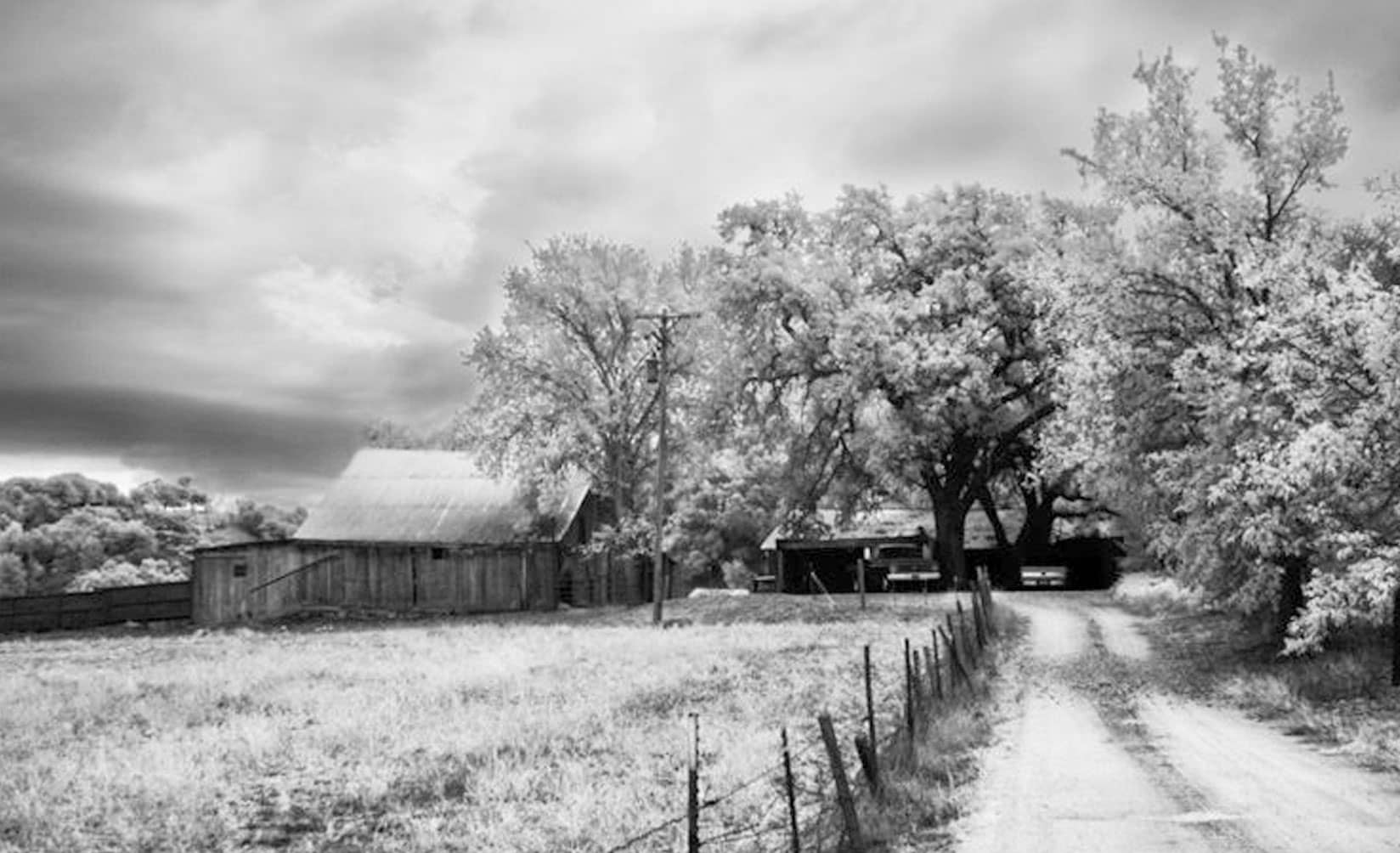
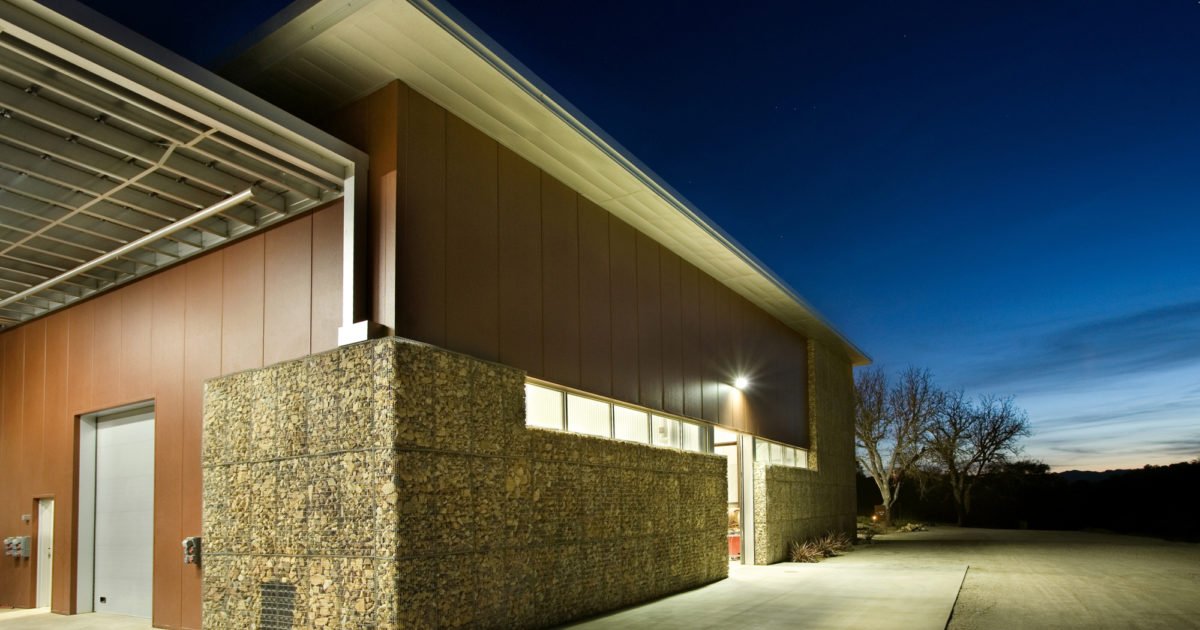
Peachy Canyon presents a quietly assured winery experience rooted in the westside hills of Paso Robles. The property reads as honest and unpolished: dry, scrubby terrain and interrupted oak woodland give way to pale, rocky soils where limestone sits near the surface. On clear afternoons low-angle light sculpts the ridgelines, and the lack of neighboring tasting rooms reinforces a feeling of seclusion. The overall mood is serene and relaxed, appealing to visitors who prefer an unpretentious, terroir-forward encounter rather than a highly produced tasting-room spectacle.
Best For
This is a place for wine-focused visits that prioritize site and soil over flash. The Templeton Gap, calcareous soils and the region’s marine influence make Peachy Canyon well suited to tastings that explore structural tension and deliberate ripening. Small groups and organized wine-education outings fit naturally here, as do visitors seeking a quiet, uncrowded estate setting to learn about how westside conditions shape Zinfandel, Cabernet and other bottlings from the property.
Tasting Tips
When tasting at Peachy Canyon, lean into wines that showcase westside character: bottles that display structure, tension and the influence of calcareous soils. Framing your tasting around site-driven differences will reveal the contrasts the copy signals between the cooler, marine‑influenced westside and Paso Robles’ warmer east.
Venue details
Ambiance
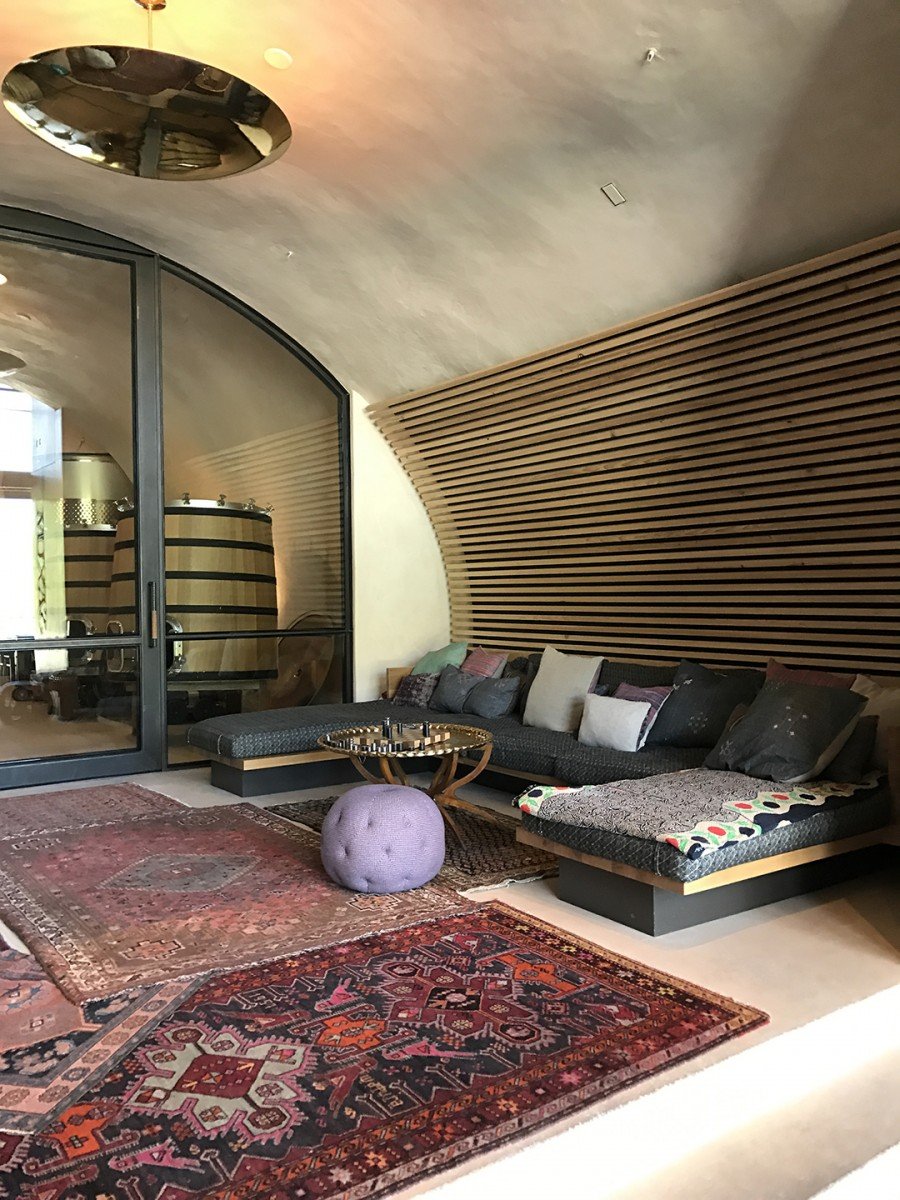
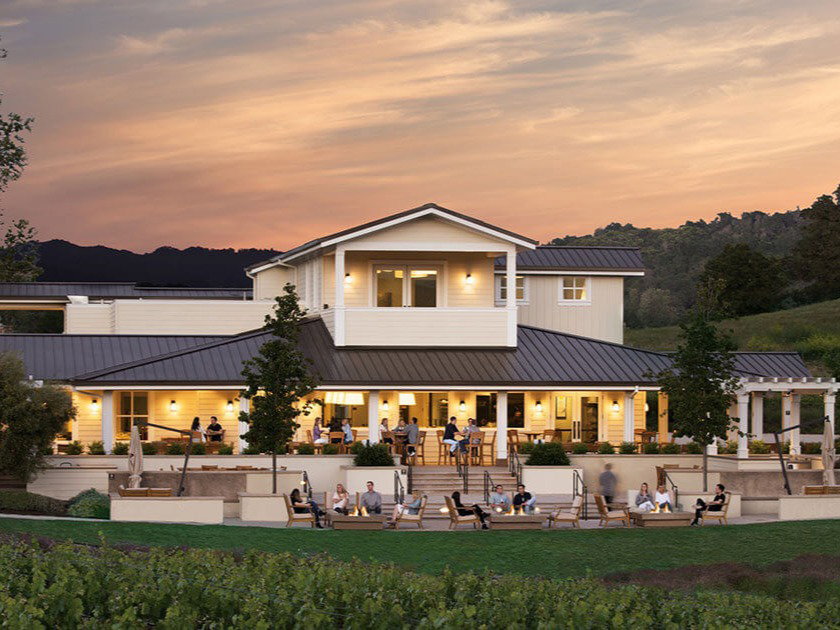
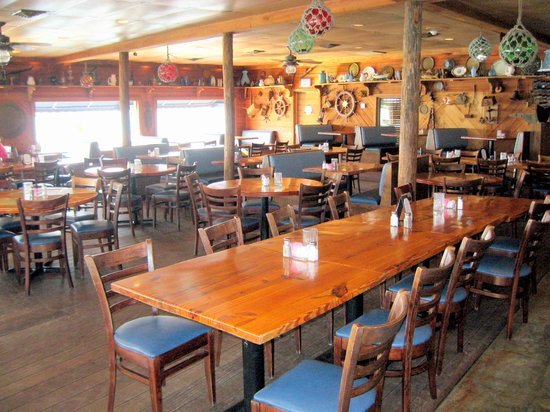
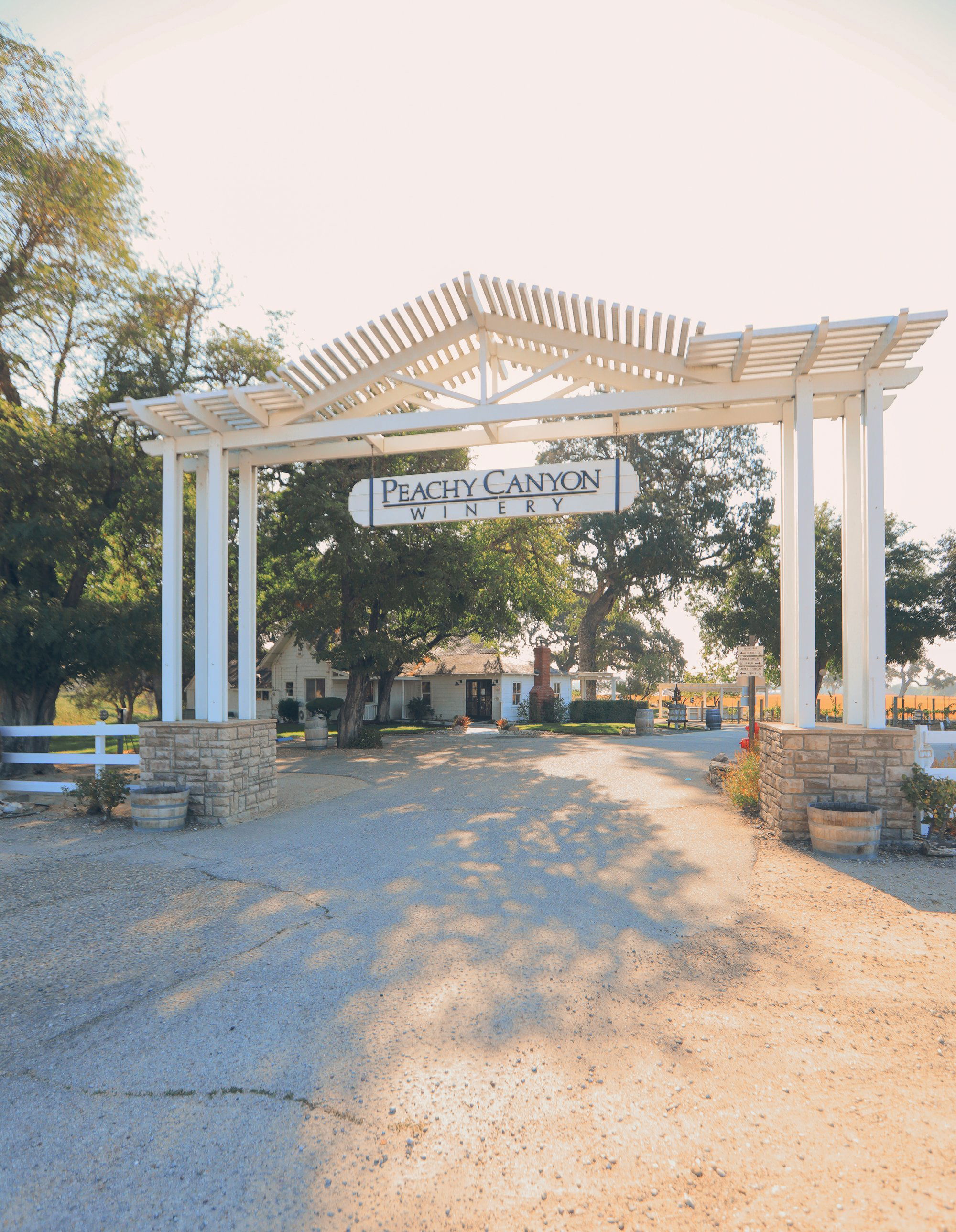
Cozy and rustic atmosphere in a refurbished 1800s schoolhouse with friendly staff, indoor tasting bar, and shaded outdoor garden seating.
Tags
Vibe
Best For
Experience
Sourcing
View
At the Vineyard
- Appellation
- Paso Robles AVA
- Varietals
- Zinfandel, Petite Sirah, Grenache, Syrah, Cabernet Sauvignon
- Tour Duration
- 60-90 minutes
- Visits
- Walk-ins welcome
- Farming
- Organic
- Wine Styles
- Still Red
- Food Pairing
- Offered
- Wine Club
- Available
Know before you go
Know Before You Go
- Getting there
- 1480 N Bethel Rd, Templeton, CA 93465
Planning details
Location
Also consider
Where to Go If This Does Not Fit
If the group wants a more high-profile Paso Robles tasting-room experience, choose Austin Hope Winery instead. If the priority is a casual local-feeling stop with easier itinerary flexibility, compare J Dusi Wines and Castoro Cellars.
Winery context
How It Compares
Choose Peachy Canyon Winery if the day is built around a quieter Paso Robles route and the group wants a regional-feeling stop rather than a more polished hospitality play. Austin Hope Winery is the stronger cross-shop for visitors who want a higher-profile tasting-room experience, while J Dusi Wines is a better fit for travelers who want a family-winery feel closer to the core Paso Robles circuit.
Zenaida Cellars and SummerWood Winery make sense if the itinerary is already oriented around west-side Paso Robles and the group wants a more packaged stop. Castoro Cellars is the practical alternative for visitors who care more about an easygoing, broad-appeal setting than a tasting decision.
The right call is about planning risk: Peachy Canyon is better for a deliberate, wine-focused stop; Austin Hope is better for a more produced experience; J Dusi Wines and Castoro Cellars are easier choices when the group wants the day to feel casual.
Around this place
Discover more on Pearl
Unlock the full Peachy Canyon Winery guide in Pearl, including awards, comparisons, FAQs, planning details, and nearby places.
Compare Peachy Canyon Winery
| Venue | Location | Awards |
|---|---|---|
| Peachy Canyon Winery | Paso Robles | No published awards |
| Zenaida Cellars | Paso Robles | No published awards |
| J Dusi Wines | Paso Robles | No published awards |
| Castoro Cellars | Templeton | No published awards |
| SummerWood Winery | Paso Robles | No published awards |
| Austin Hope Winery | Paso Robles | No published awards |
How Peachy Canyon Winery Paso Robles compares with similar nearby venues.
FAQ
Frequently Asked Questions
What other wineries should I compare with Peachy Canyon Winery?
Zenaida Cellars, J Dusi Wines, Castoro Cellars, SummerWood Winery, and Austin Hope Winery are sensible comparison wineries for travelers considering Peachy Canyon Winery as part of a wine plan.