
Winery in Paso Robles, United States
Larmandier-Bernier
1,250ptsCôte des Blancs Terroir Expression

About Larmandier-Bernier
Larmandier-Bernier is a grower Champagne house based in Vertus, on the Côte des Blancs, where Pierre and Sophie Larmandier have produced Blanc de Blancs from their own vineyards since 1982. The domaine earned a Pearl 4 Star Prestige rating in 2025. For Paso Robles visitors exploring high-end sparkling wine, these bottles represent the grower Champagne tier at its most considered.
Champagne in California: Where Blancs-Coteaux Meets Paso Robles
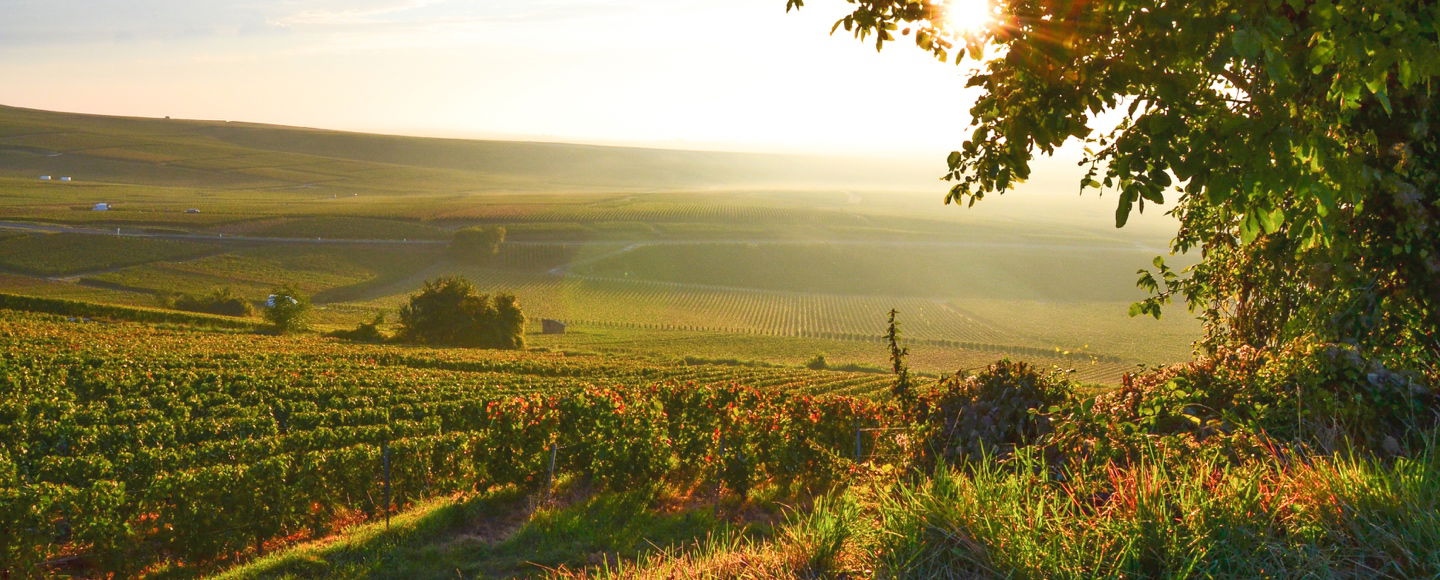
There is a particular quality of light in the Côte des Blancs that does not exist anywhere else — a chalk-filtered luminescence that rises from the soil itself and shapes every wine grown above it. Larmandier-Bernier, whose vineyards sit in Vertus and Cramant in the village of Blancs-Coteaux, is a house defined by that terroir in the most literal sense. The address reads 19 Avenue du Général de Gaulle; the sensory reality is all pale limestone, cool cellar air, and the precise, mineral tension that Chardonnay expresses when it grows above chalk rather than clay.
That EP Club features this Champagne house within its Paso Robles editorial orbit reflects something worth understanding about how premium wine culture has evolved in California's Central Coast. Paso Robles has spent the past decade assembling a peer set of serious producers: Adelaida Vineyards, DAOU Vineyards, Halter Ranch Vineyard, and Herman Story Wines among them. Against that backdrop, a grower Champagne house with a 1982 founding vintage and a 2025 Pearl 4 Star Prestige from EP Club represents a different kind of benchmark — one rooted in Old World restraint and a philosophy of non-interventionist viticulture that Paso's own emerging generation of serious winemakers increasingly references as a model.
The Sensory Register of a Grower Champagne
Grower Champagne occupies a sensory category distinct from the large négociant houses. Where the grandes marques trade in consistency , the same house style year on year, blended across hundreds of growers and dozens of villages , estate-grown Champagne from a single domaine carries the particular character of its parcels. At Larmandier-Bernier, that character is Chardonnay-dominant and chalk-driven. The nose of a well-cellared blanc de blancs from this producer tends toward the austere: green apple, white flower, and a mineral register that critics have repeatedly described as saline or almost flinty. The mousse is fine rather than aggressive. The finish is long and dry.
These are not wines designed for immediate celebration. They reward the kind of attention that a quiet tasting room in the Côte des Blancs invites , cool stone walls, subdued light, the faint smell of chalk dust and lees. Pierre and Sophie Larmandier, who have managed the domaine together, work with biodynamic viticulture across their grand cru and premier cru holdings. That commitment shapes the texture of the wines in ways that are genuinely sensory: lower dosage means the fruit is less padded, the acidity more present, the terroir character less obscured. For drinkers accustomed to the sweeter, richer style of many entry-level Champagnes, Larmandier-Bernier requires calibration , and rewards it.
The First Vintage and What 1982 Signals
The first commercial vintage of 1982 places Larmandier-Bernier firmly within the generation of grower producers who came of age before the récoltant-manipulant category achieved its current profile in export markets. In 1982, California was still processing the shock of the 1976 Judgment of Paris; Paso Robles was not yet a recognized appellation. The Champagne world was dominated by the grandes marques. A small grower bottling their own wine and exporting it was an act of quiet conviction rather than obvious commercial logic.
That founding context matters when reading the 2025 Pearl 4 Star Prestige award. It signals not a house in emergence, but one with more than four decades of continuous production and the critical recognition that accumulates over that kind of timeline. For drinkers comparing houses within the grower Champagne category, a founding vintage of 1982 and current prestige-tier recognition positions Larmandier-Bernier alongside a cohort of serious domaines , Egly-Ouriet, Selosse, Ulysse Collin , rather than within the larger mid-market tier.
Positioning Against California's Premium Tier
California's wine culture has historically gravitates toward Cabernet and Chardonnay in a richer, oak-influenced idiom. The producers gaining most attention in Paso Robles and beyond, including Bianchi Winery and peers across the Westside's calcareous hills, work in that context. Comparing them to a Champagne grower in Blancs-Coteaux is not a direct tasting comparison but an editorial one: both traditions, at their serious end, share a preoccupation with soil expression over winemaker intervention.
That shared preoccupation is visible in how California's own prestige tier has shifted. Accendo Cellars in St. Helena, Alpha Omega Winery in Rutherford, and Artesa Vineyards and Winery in Napa all operate in a market where the conversation has moved from extraction and new oak toward site specificity and restraint. Larmandier-Bernier represents the tradition against which that shift is measured. In Oregon, houses like Adelsheim Vineyard in Newberg have built entire programs around Burgundian and Champagne-influenced minimalism. In California's Central Coast, Alban Vineyards in Arroyo Grande and Andrew Murray Vineyards in Los Olivos represent a Rhône-focused parallel.
The picture that emerges is one of a premium wine world in conversation across regions and styles, with Old World grower estates like Larmandier-Bernier providing a reference point rather than a direct competitor. Alexander Valley Vineyards in Geyserville and Aberlour in Aberlour represent entirely different sensory traditions, which is exactly the point: EP Club's editorial scope maps the full register of prestige production, from Speyside single malt to Côte des Blancs blanc de blancs, because serious drinkers do not confine their attention to a single category. Achaia Clauss in Patras and its long Mediterranean winemaking lineage represent yet another strand of that conversation.
Planning Around Larmandier-Bernier
The domaine is located at 19 Avenue du Général de Gaulle in Blancs-Coteaux, in the Marne département of the Champagne region , a roughly 90-minute drive from Paris via the A4. Contact details for visits and allocations are leading confirmed directly through the domaine, as grower Champagne producers at this level typically operate with limited export allocations and variable visitor policies. Phone and website information is not listed in EP Club's current database; prospective visitors should source current contact information through a specialist importer or wine merchant in their market.
Within the Champagne region, the Côte des Blancs is most practically accessed from Épernay, itself 30 minutes from Reims. The village of Vertus sits at the southern end of the Côte des Blancs and is less trafficked by casual wine tourists than Épernay's main avenue, which makes the area feel quieter and more agricultural , more consistent, in other words, with the sensory experience the wines themselves suggest.
For readers building itineraries that combine California and European wine travel, our full Paso Robles restaurants guide covers the Central Coast context in depth.
Frequently Asked Questions
- What wine is Larmandier-Bernier famous for?
- Larmandier-Bernier is associated with grower Champagne from the Côte des Blancs, with a particular emphasis on Chardonnay-dominant and blanc de blancs cuvées grown over chalk-rich grand cru and premier cru vineyards in Vertus and Cramant. Pierre and Sophie Larmandier manage the domaine using biodynamic viticulture, and the wines are recognised in EP Club's 2025 ratings with a Pearl 4 Star Prestige designation.
- What is the main draw of Larmandier-Bernier?
- The draw is a combination of terroir specificity, low-dosage precision, and a production lineage going back to a 1982 first vintage. The 2025 Pearl 4 Star Prestige award from EP Club positions the domaine within the upper tier of grower Champagne producers. Price information is not listed in EP Club's current database; specialist importers in your market will have current allocation pricing.
- Do I need a reservation to visit Larmandier-Bernier?
- Grower Champagne domaines at this level generally require appointments rather than accepting walk-in visitors. Phone and website details for Larmandier-Bernier are not currently listed in EP Club's database. Contact a specialist Champagne importer or retailer in your region to arrange access to both allocations and potential visits, particularly given the domaine's prestige-tier recognition in 2025.
Recognized By

Related editorial
- Best Fine Dining Restaurants in ParisFrom three-Michelin-star icons to the next generation of Parisian chefs pushing boundaries, these are the restaurants that define fine dining in the world's culinary capital.
- Best Luxury Hotels in RomeFrom rooftop terraces overlooking ancient ruins to Michelin-starred hotel dining, these are the luxury hotels that make Rome unforgettable.
- Best Cocktail Bars in KyotoFrom sleek lounges to hidden speakeasies, Kyoto's cocktail scene blends Japanese precision with global influence in ways you won't find anywhere else.
Save or rate Larmandier-Bernier on Pearl
Keep this venue in your Pearl passport, rate it after you visit, and track it alongside every other place you collect.