
Grey Wolf Cellars
Westside, Paso Robles
Winery in Paso Robles, United States
 Book with Pearl
The Read
Westside Calcareous Precision
Price
$30–50tasting
Why go
Grey Wolf Cellars is a stronger fit for a planned Paso Robles tasting day than a casual drop-in. Choose it when the wine stop is part of a celebration or westside itinerary, and pair it with a separate restaurant plan because it is not a full dining experience.
About Grey Wolf Cellars
The confirmed dress code is casual, which makes it easy to include in a relaxed Paso Robles plan.
For a separate meal, use Our full Paso Robles restaurants guide.
If you are comparing other regional options, consider Midnight Cellars, Sextant Wines, Four Lanterns Winery, Booker Vineyard, and Niner Wine Estates before finalizing your route.
How to fit it into a Paso Robles day
Treat Grey Wolf Cellars as one part of a wider Paso Robles plan. For more options around the same destination, use Our full Paso Robles wineries guide and Our full Paso Robles experiences guide.
If the goal is cross-shopping, keep the comparison focused on names rather than unsupported claims about style or format. Booker Vineyard, Four Lanterns Winery, Midnight Cellars, Niner Wine Estates, and Sextant Wines are natural comparison points for readers considering Grey Wolf Cellars in Paso Robles.
Planning details
- Location
- 2174 CA-46 West, Paso Robles, CA 93446
- Website
- bartonfamilywines.com
- Phone
- +1 805-237-0771
The take
The Take
The Vibe
Grey Wolf Cellars reads as a terroir-first producer rooted in the distinctive geology of Paso Robles’ westside. Limestone and calcareous soils, strong diurnal swings via the Templeton Gap, and a focus on Rhône and Iberian varieties shape a measured, intellectually driven approach to farming and winemaking. The overall impression is refined and purposeful, with the land and climate clearly shaping the wines.
Best For
Grey Wolf Cellars is best for visitors who come with a curiosity about place and varietal expression. The description zeroes in on sub-appellations, soils, and microclimate effects: so the cellar is especially well suited to those interested in comparative tasting, terroir study, and deeper conversations about Rhône and Iberian varietals in Paso Robles. Casual drop-ins seeking a generic tasting experience may find the emphasis here leans toward education and site-specificity rather than light, recreational sipping.
Tasting Tips
When you visit, orient your tasting around the estate’s Rhône and Iberian offerings and ask staff about the specific vineyard sites and soil types that informed each wine: limestone-calcareous versus valley alluvials matter here. Inquire about how the Templeton Gap’s marine influence and diurnal temperature swings affect acid retention and phenolic development; that context will illuminate differences between vintages and bottlings.
Venue details
Ambiance
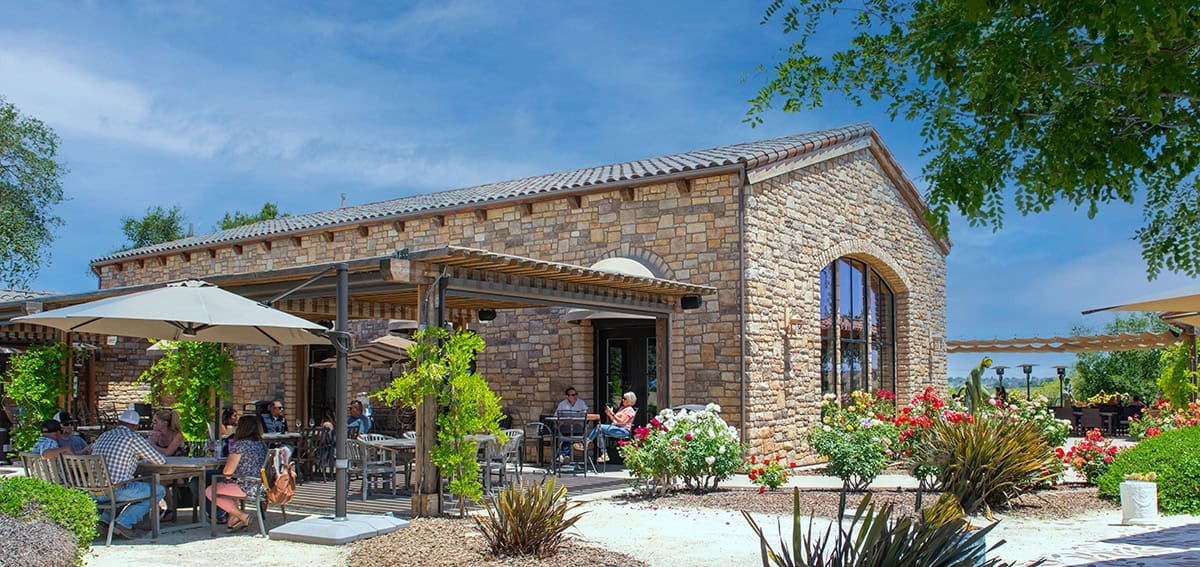
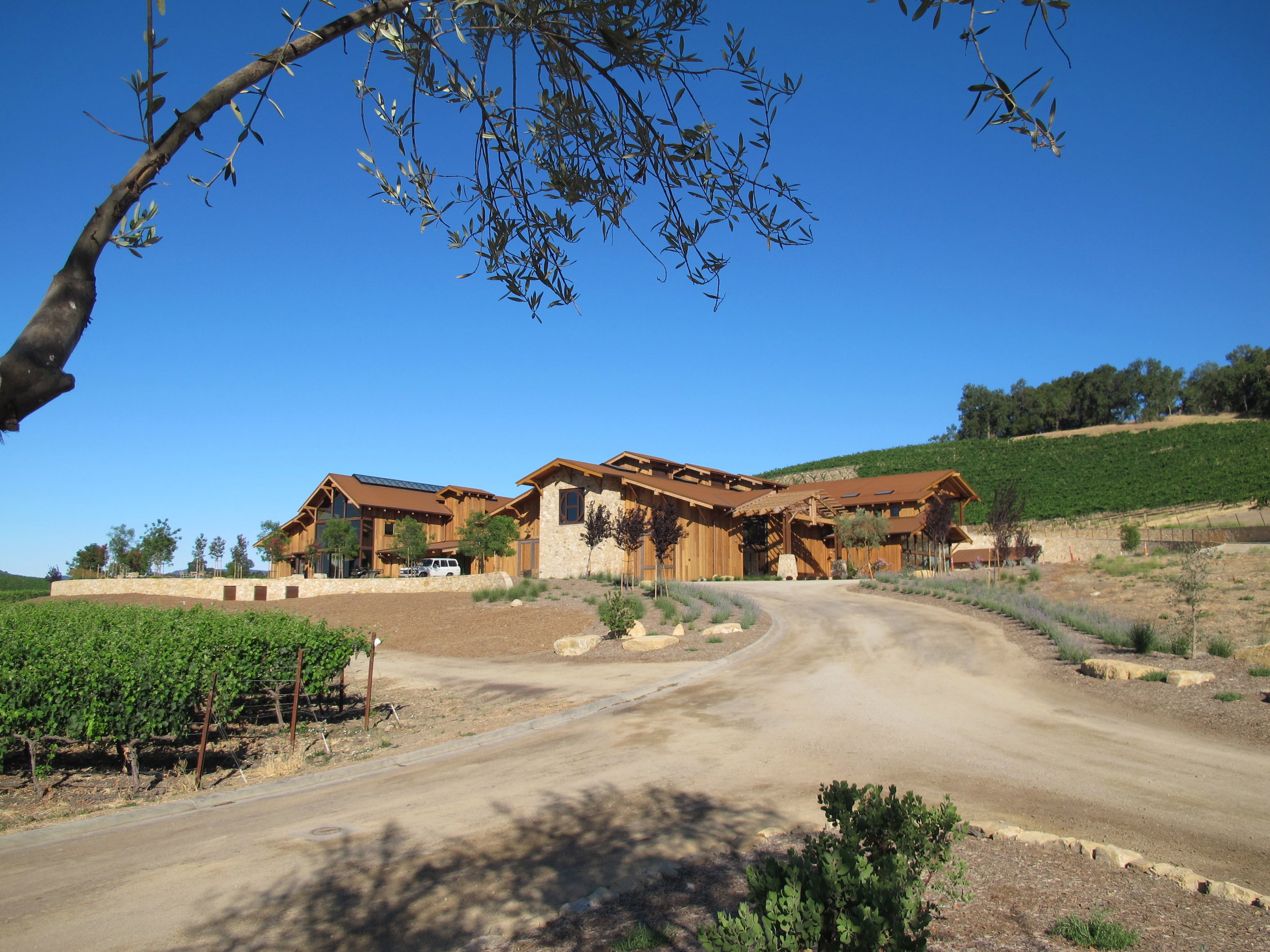
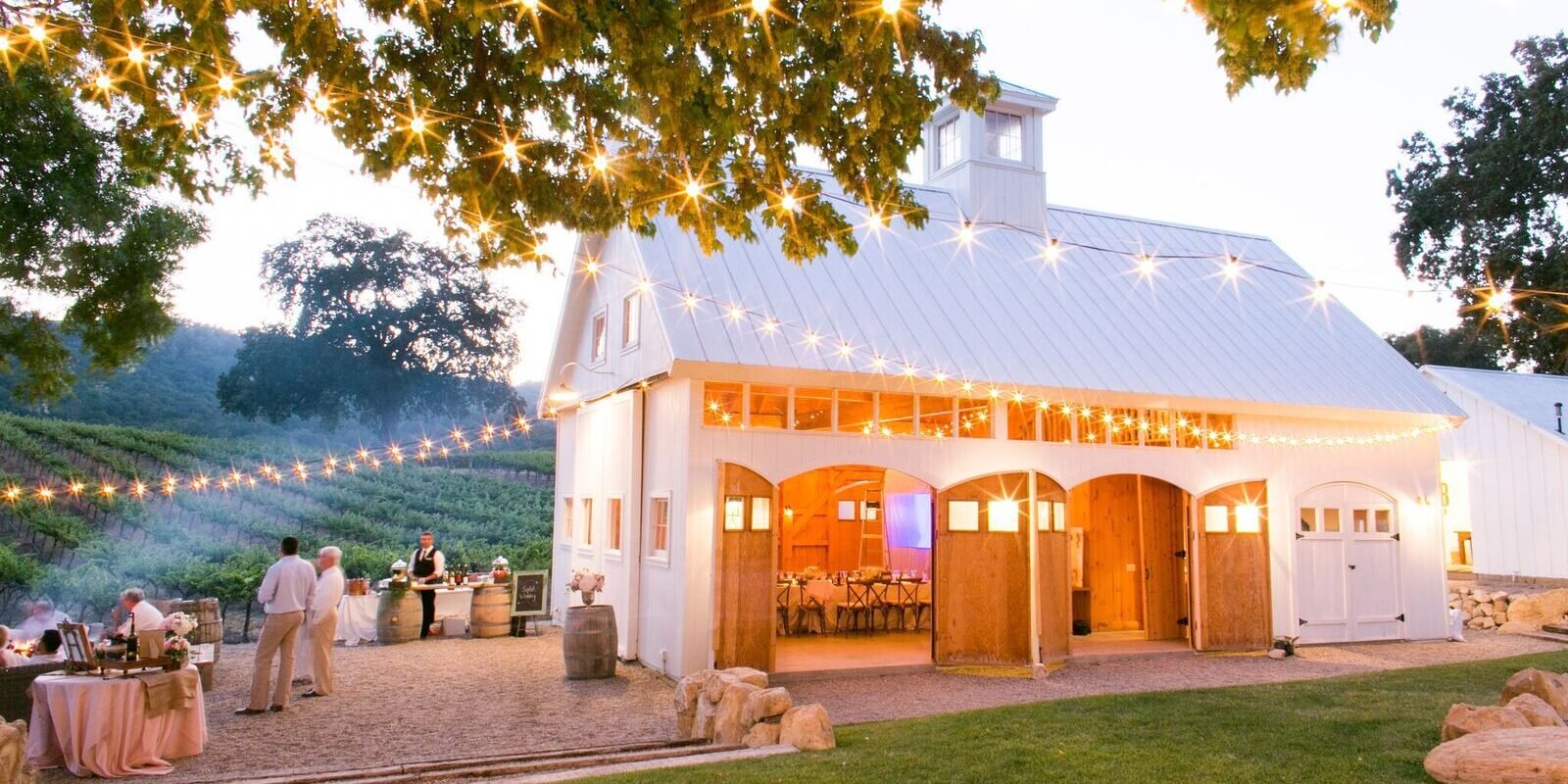
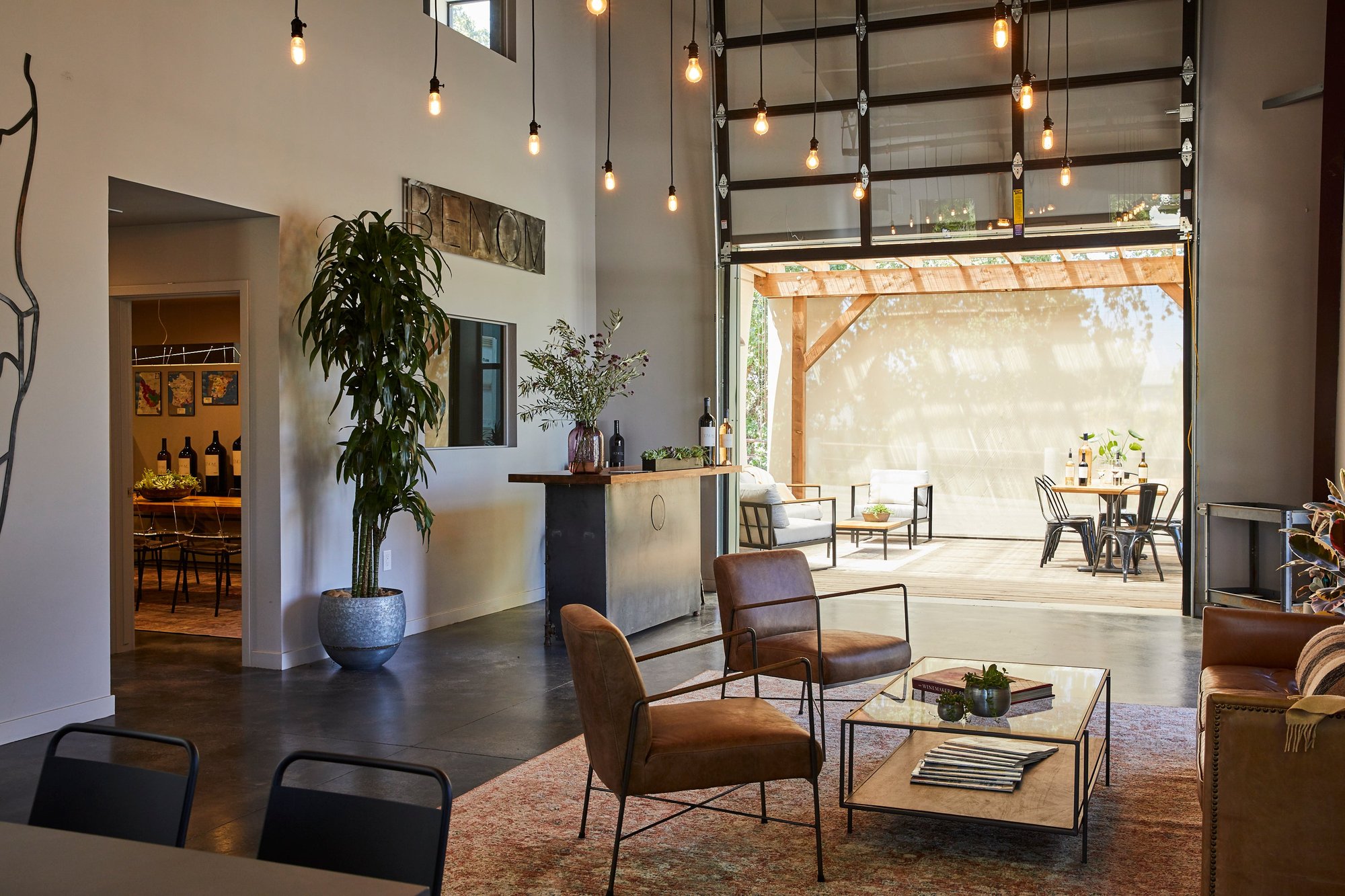
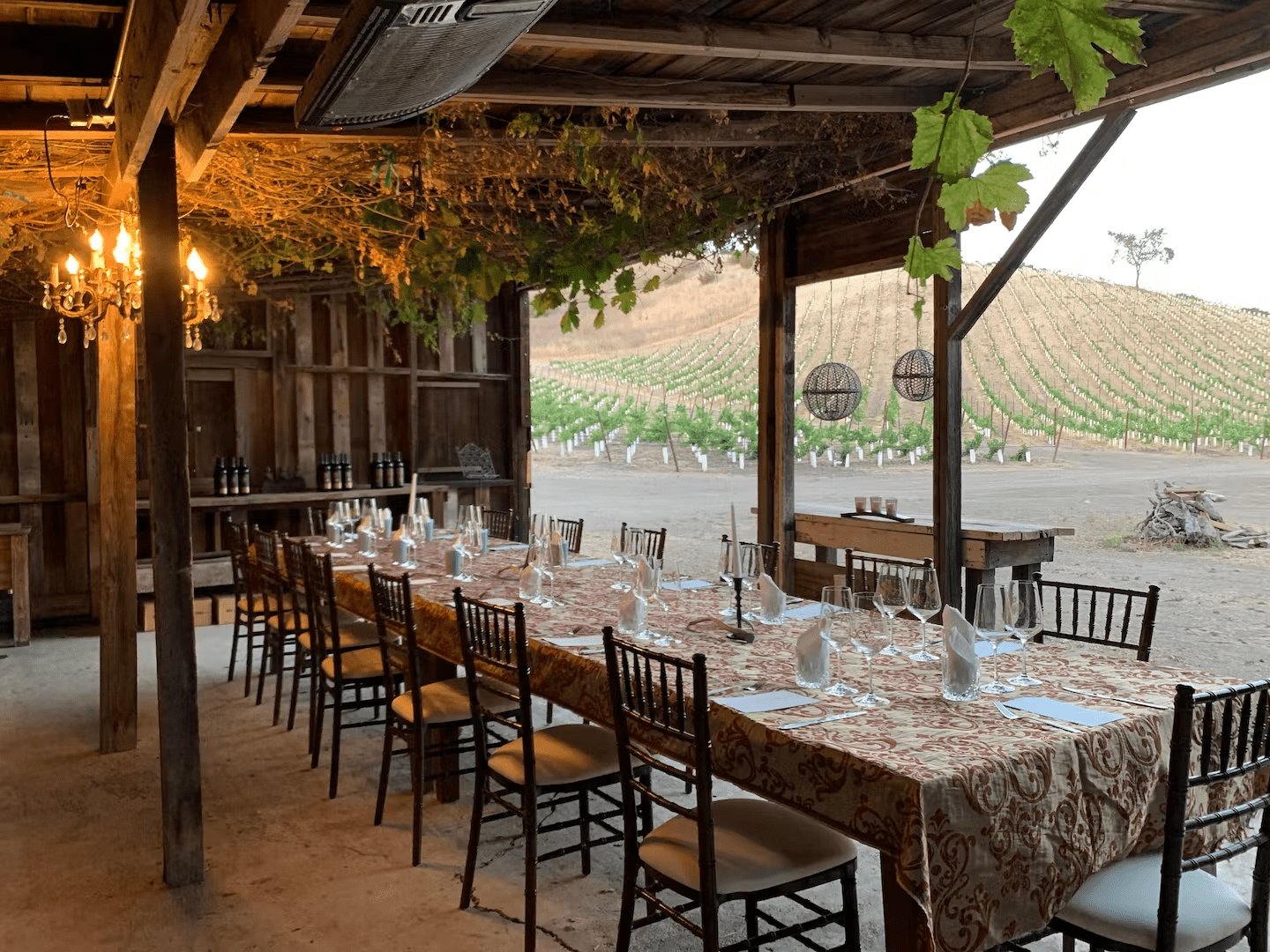
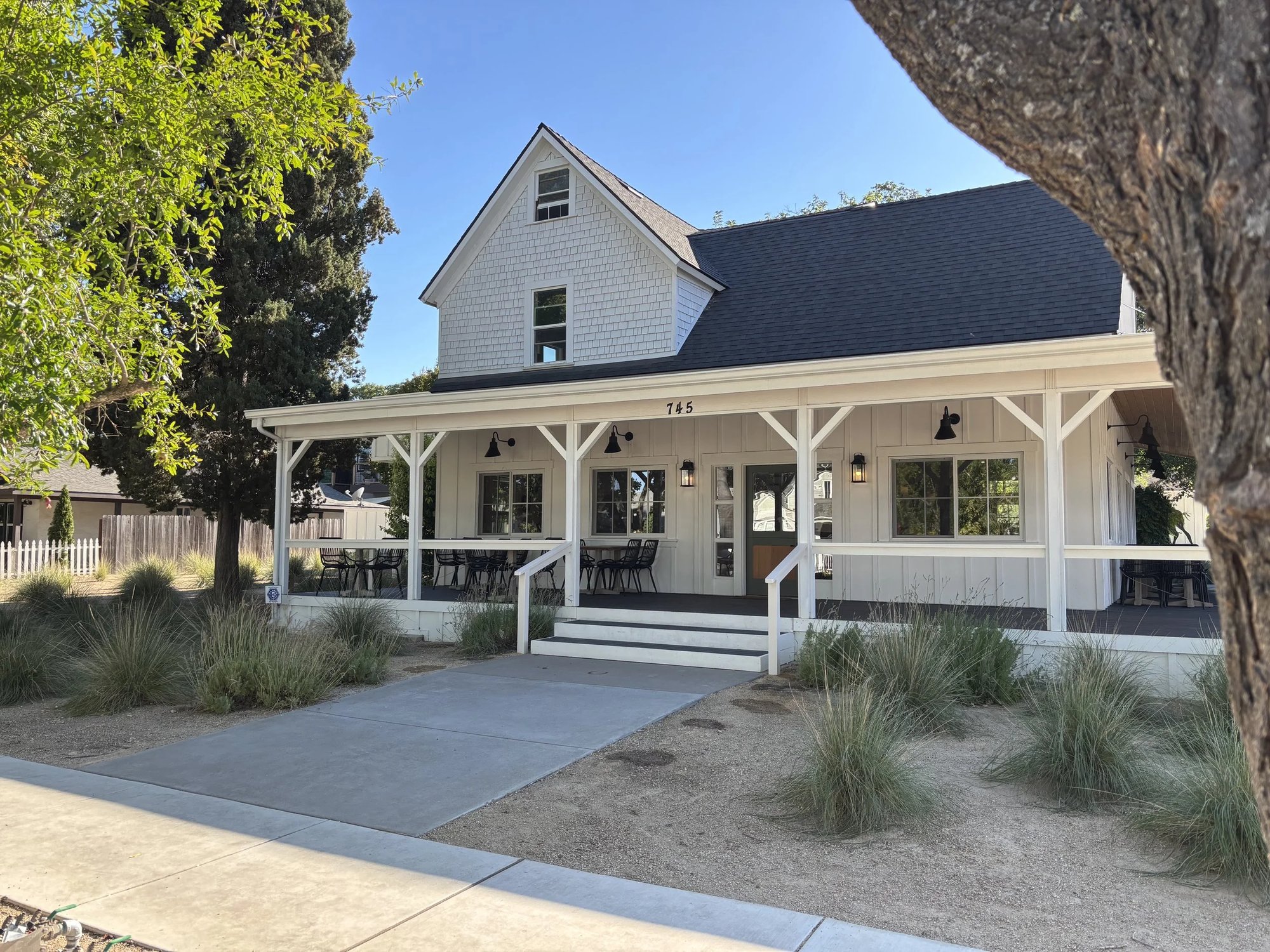
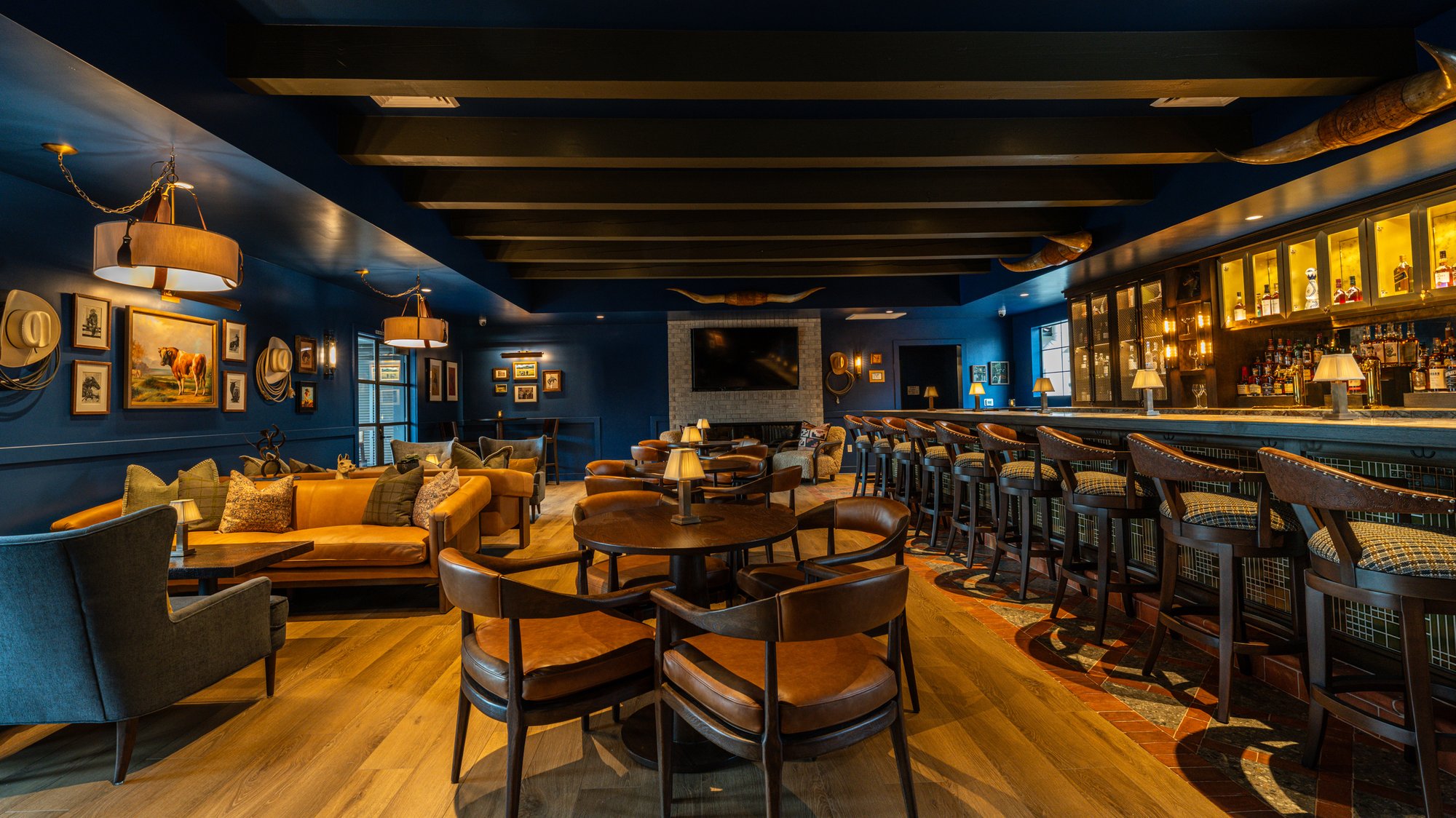
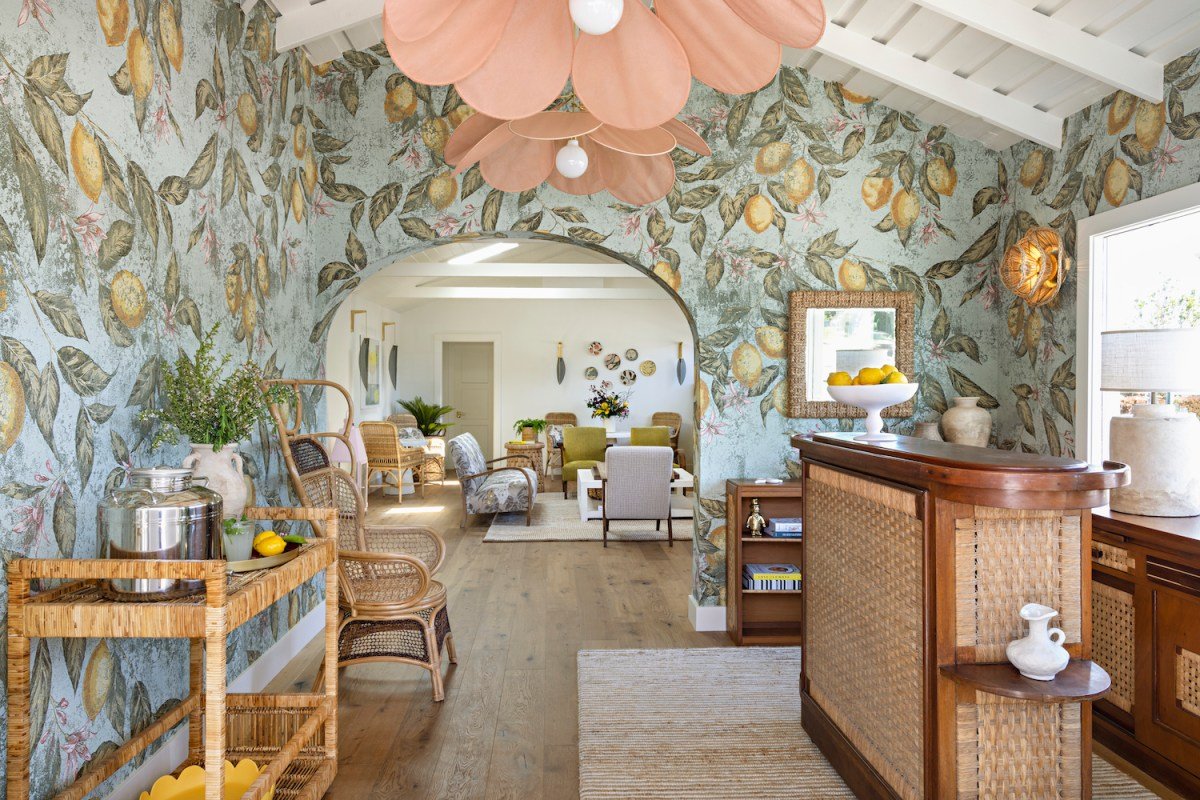
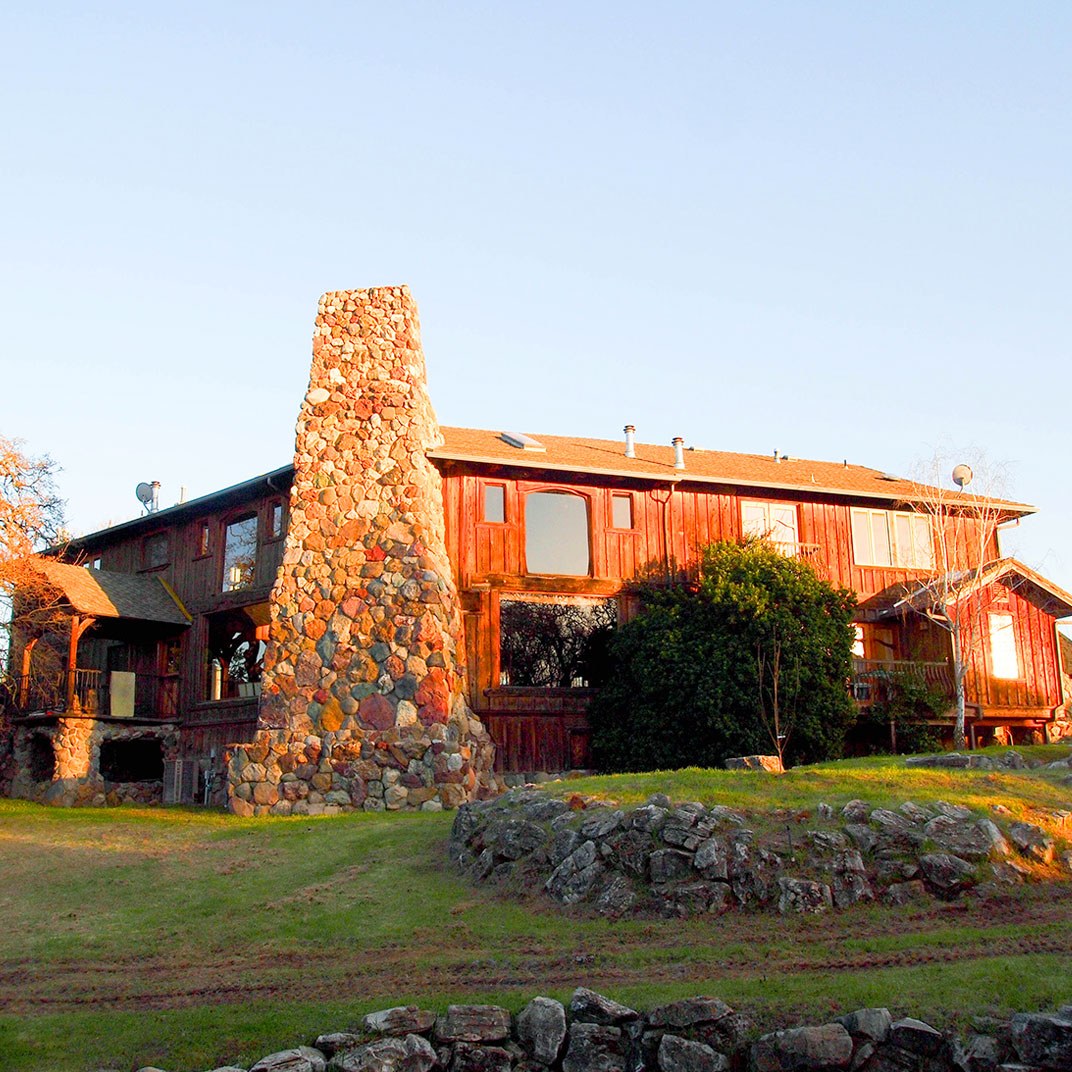
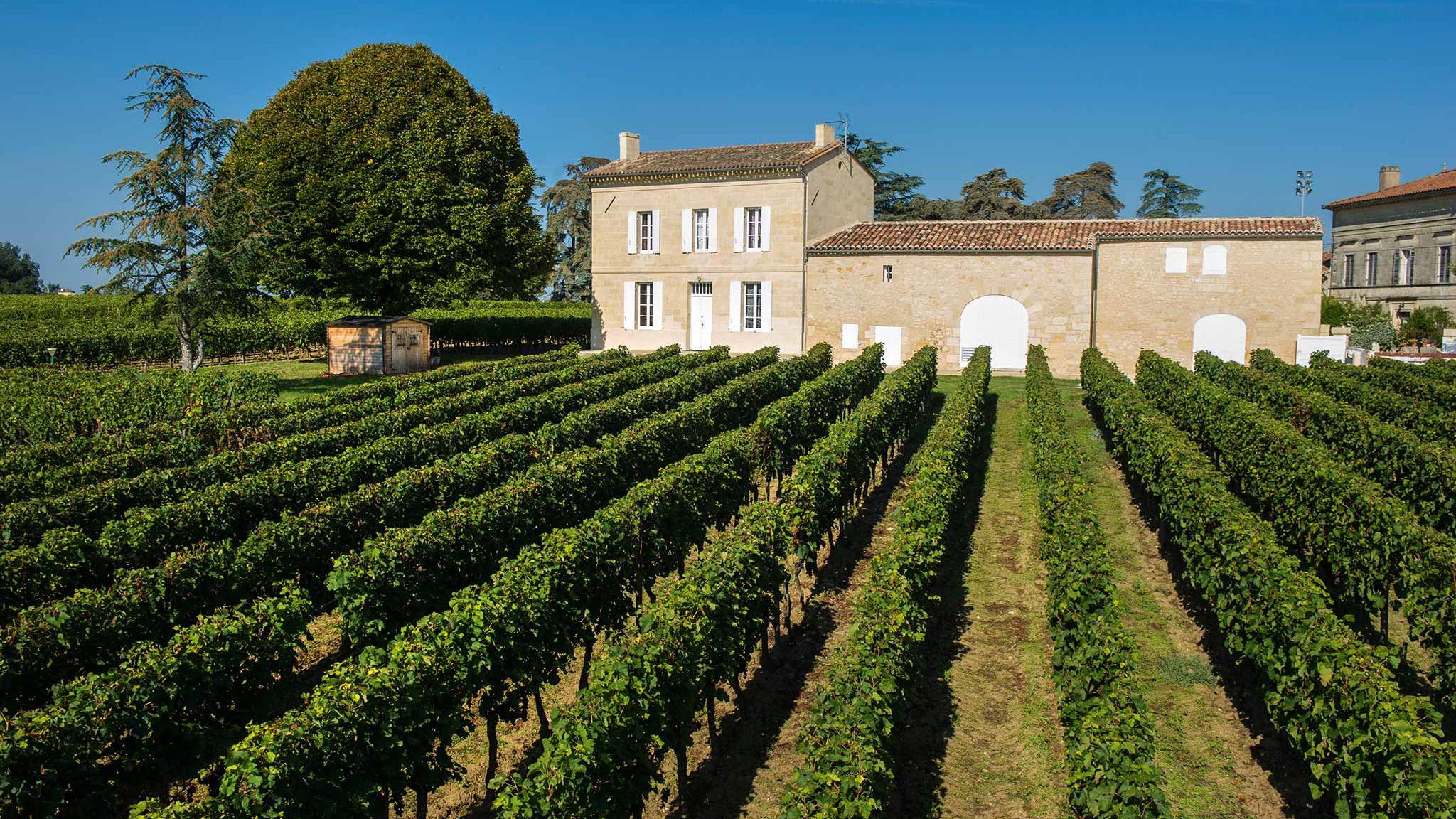
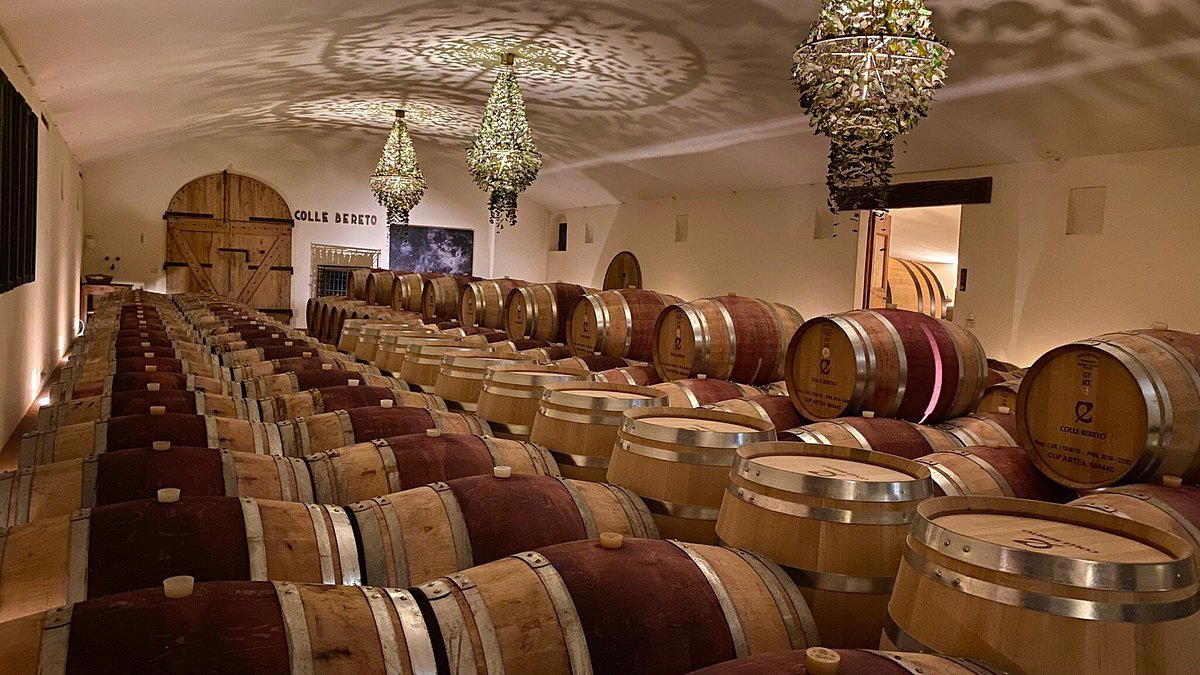
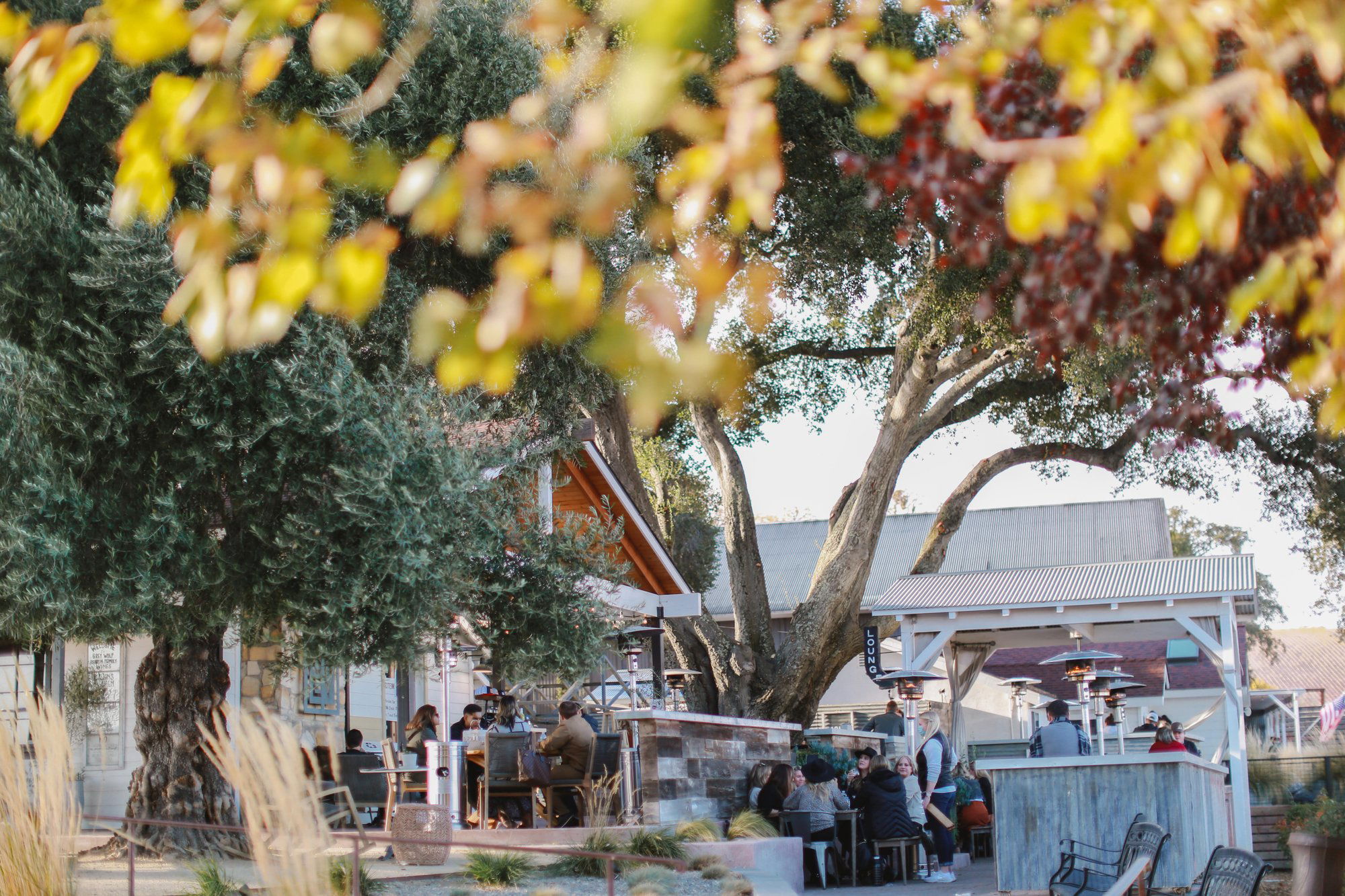
Farmhouse chic atmosphere under ancient live oaks, with casual outdoor seating amid vineyards and accommodating indoor spaces.
Tags
Vibe
Best For
Experience
View
Accessibility
At the Vineyard
- Appellation
- Paso Robles
- Varietals
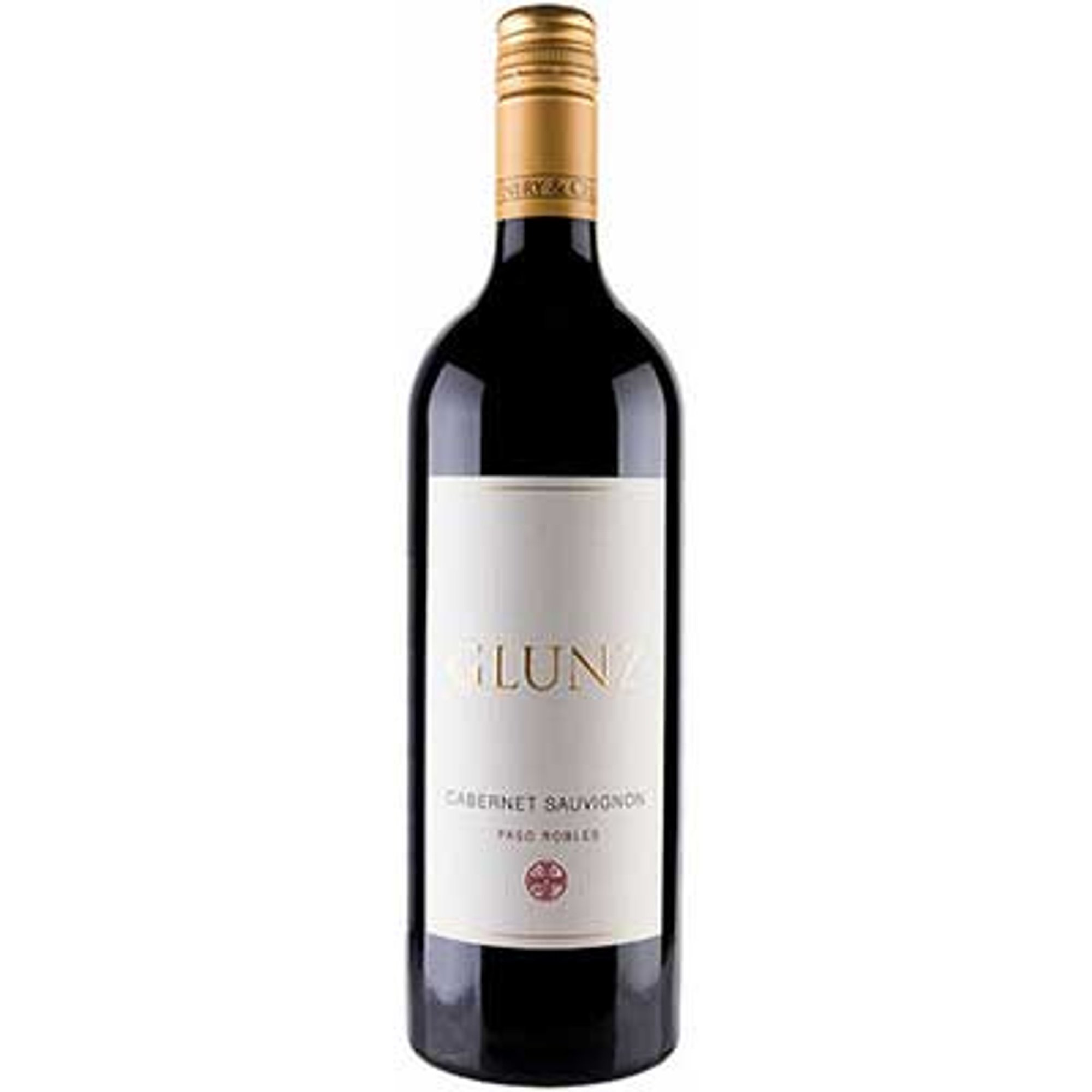
- Cabernet Sauvignon, Grenache, Zinfandel, Syrah, Petite Verdot
- Tour Duration
- 60-90 minutes
- Visits
- By reservation
- Wine Styles
- Still Red
- Food Pairing
- Offered
- Shipping
- Available
- Wine Club
- Available
Know before you go
Know Before You Go
- Getting there
- 2174 CA-46 West, Paso Robles, CA 93446
Planning details
Location
Recognition and awards

Also consider
If Grey Wolf Cellars does not fit the day
Start with Niner Wine Estates if the group wants a winery stop that may pair more naturally with a broader day plan. Check Booker Vineyard if the priority is another serious Paso Robles wine name for a celebration-focused itinerary.
Winery context
How Grey Wolf Cellars compares in Paso Robles
Grey Wolf Cellars is the pick when the group wants a prestige-led tasting stop and is willing to plan around it. Against Midnight Cellars and Four Lanterns Winery, it reads as the more occasion-driven choice, especially for a date, birthday, or client itinerary where the venue needs to feel selected rather than improvised.
If value and flexibility matter more than recognition, compare availability across Sextant Wines, Niner Wine Estates, and Booker Vineyard before committing. Without confirmed public pricing here, the smarter move is to judge by format: choose Grey Wolf Cellars for a focused tasting anchor, then use the others to round out the day if the schedule needs a second stop.
Explore Paso Robles
Around this place
Discover more on Pearl
Unlock the full Grey Wolf Cellars guide in Pearl, including awards, comparisons, FAQs, planning details, and nearby places.
Compare Grey Wolf Cellars
| Venue | Location | Awards |
|---|---|---|
| Grey Wolf Cellars | Paso Robles | 2026 Falstaff Winery Guide |
| Midnight Cellars | Paso Robles | No published awards |
| Sextant Wines | Paso Robles | No published awards |
| Booker Vineyard | Paso Robles | No published awards |
| Four Lanterns Winery | Paso Robles | No published awards |
| Niner Wine Estates | Paso Robles | No published awards |
How Grey Wolf Cellars Paso Robles compares with similar nearby venues.