Chronic Cellars
Paso Robles
Winery in Paso Robles, United States
 Book with Pearl
The Read
Counter-Culture Paso Robles Pours
Why go
Chronic Cellars is a credentialed Paso Robles wine brand whose tasting room has permanently closed, so it is not an anchor for a wine-focused occasion or flexible group planning.
About Chronic Cellars
Consider it when that recognition matters to the shape of the day. In other words, the strongest reason to put Chronic Cellars on the radar is the prestige marker itself, not a long public checklist of amenities, service promises, or visit mechanics.
Food service, tasting formats, pricing, hours, production details, or group policies are not specified. This matters for planning, because each of those details can change the feel of a stop and the amount of time, coordination, or flexibility it requires. Chronic Cellars is also listed with a casual dress code, so plan for a low-formality visit unless the venue advises otherwise. Casual, however, should not be treated as a substitute for confirmation; it only helps set expectations around formality, not around the structure of the experience.
Plan around the recognition, while confirming the practical details
Chronic Cellars is a stronger candidate when you want a recognized Paso Robles stop rather than a fully documented experience with every logistical detail already established. Do not assume specific service formats, food availability, pricing, or capacity.
That distinction is especially useful if the visit has moving parts. If timing is tight, if the group size matters, if food availability is important, or if pricing affects the plan, those questions should be settled with the venue rather than inferred. This keeps the planning grounded in what is known while leaving room for the venue to clarify current conditions.
If the day also needs restaurants or other plans in Paso Robles, use Our full Paso Robles restaurants guide and confirm current details with each venue before building the itinerary around a single stop. That is the safest way to avoid overloading Chronic Cellars with unsupported expectations. It also lets the recognition remain meaningful without turning it into a promise about food, format, timing, or logistics.
How to think about the comparison set
Its format, pricing, or logistics are not established; the recognition simply makes it a legitimate reason to include it in the shortlist. The comparison should therefore be framed carefully: Chronic Cellars has a clear prestige signal available, while the practical experience still needs confirmation before it can be weighed against the others in a detailed way.
Chronic Cellars belongs in that process as a recognized candidate, not as a fully described one.
Planning details
- Location
- 2020 Nacimiento Lake Dr, Paso Robles, CA 93446
- Website
- chroniccellars.com
- Phone
- +1 805-237-7848
The take
The Take
The Vibe
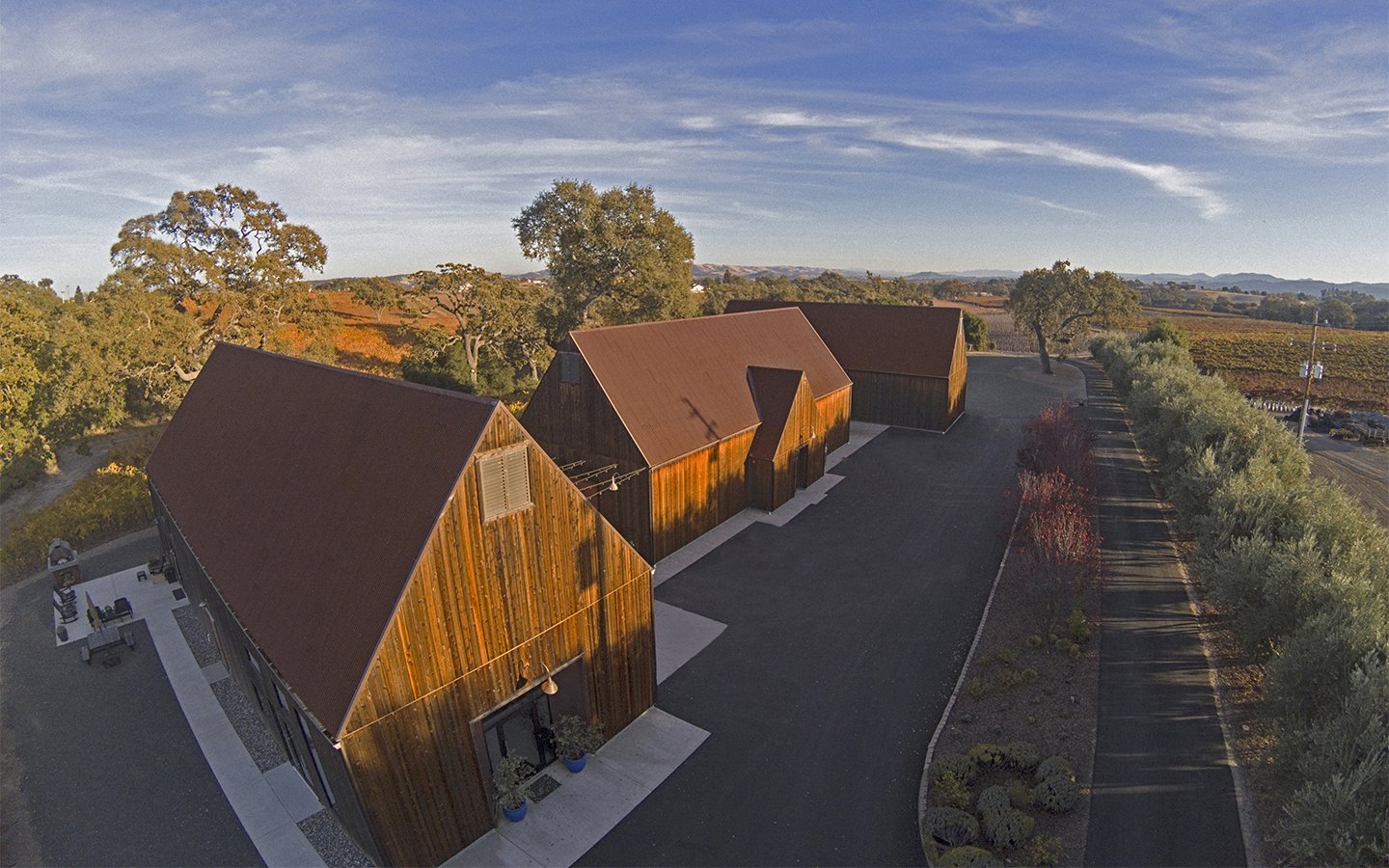
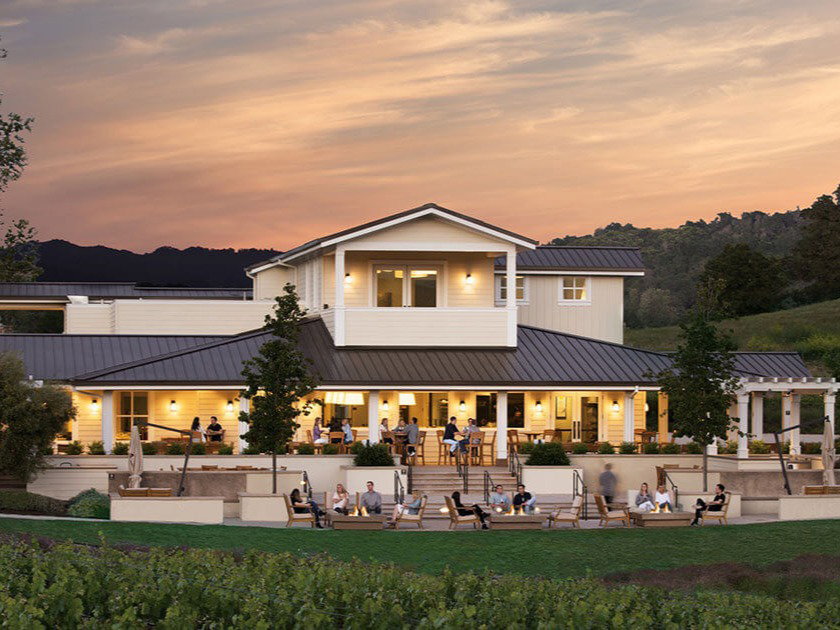
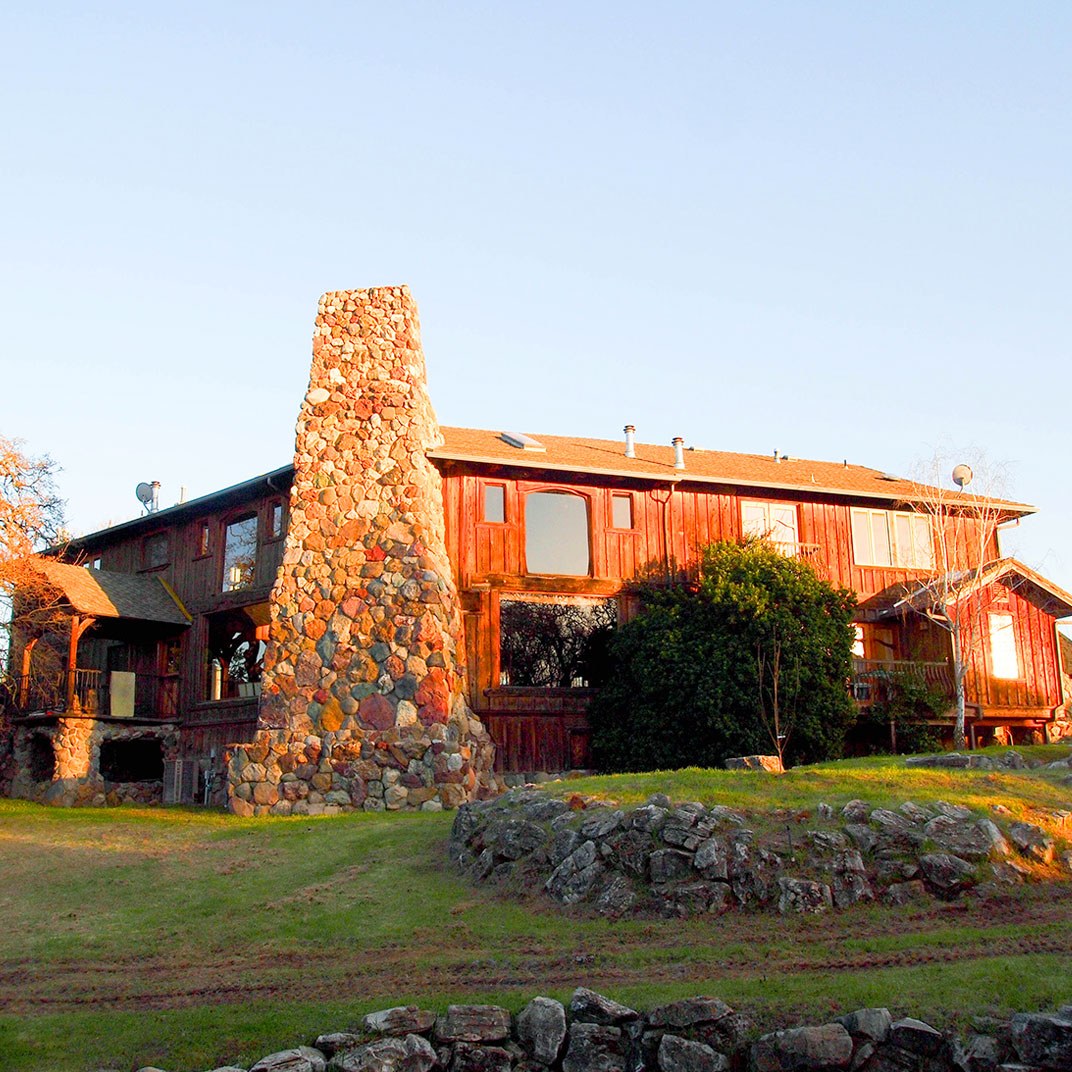
Chronic Cellars reads like a winery for people who care about place. Set on the western side of Paso Robles, the site’s cooler marine influence and calcareous soils give the tasting room a quietly dramatic, scenic quality: you feel the regional argument as much as you taste it. The overall impression is sophisticated and focused, with an intimate tasting experience that rewards curiosity about terroir and winemaking.
Best For
This is a tasting destination for discerning visitors building a focused itinerary: students of terroir, collectors and tasting-room visitors who prize depth over novelty. Chronic Cellars suits solo explorers who want detailed discussion with staff as well as small groups seeking an educational visit rather than a casual stop. It’s less of a tourist-facing, high-volume attraction and more of a producer whose releases and vineyard stories merit attention, making it a smart stop on a serious Paso Robles tasting route or for anyone prioritizing wine education.
Tasting Tips
Treat the tasting as a conversation: ask staff about the Adelaida District soils, the influence of the Templeton Gap and why the wines skew toward structure and tension. Take notes and follow up with questions about viticulture and winemaking decisions; the tasting room is described as fluent on those topics, so leverage that expertise to deepen your understanding rather than just sampling broadly.
Venue details
Ambiance
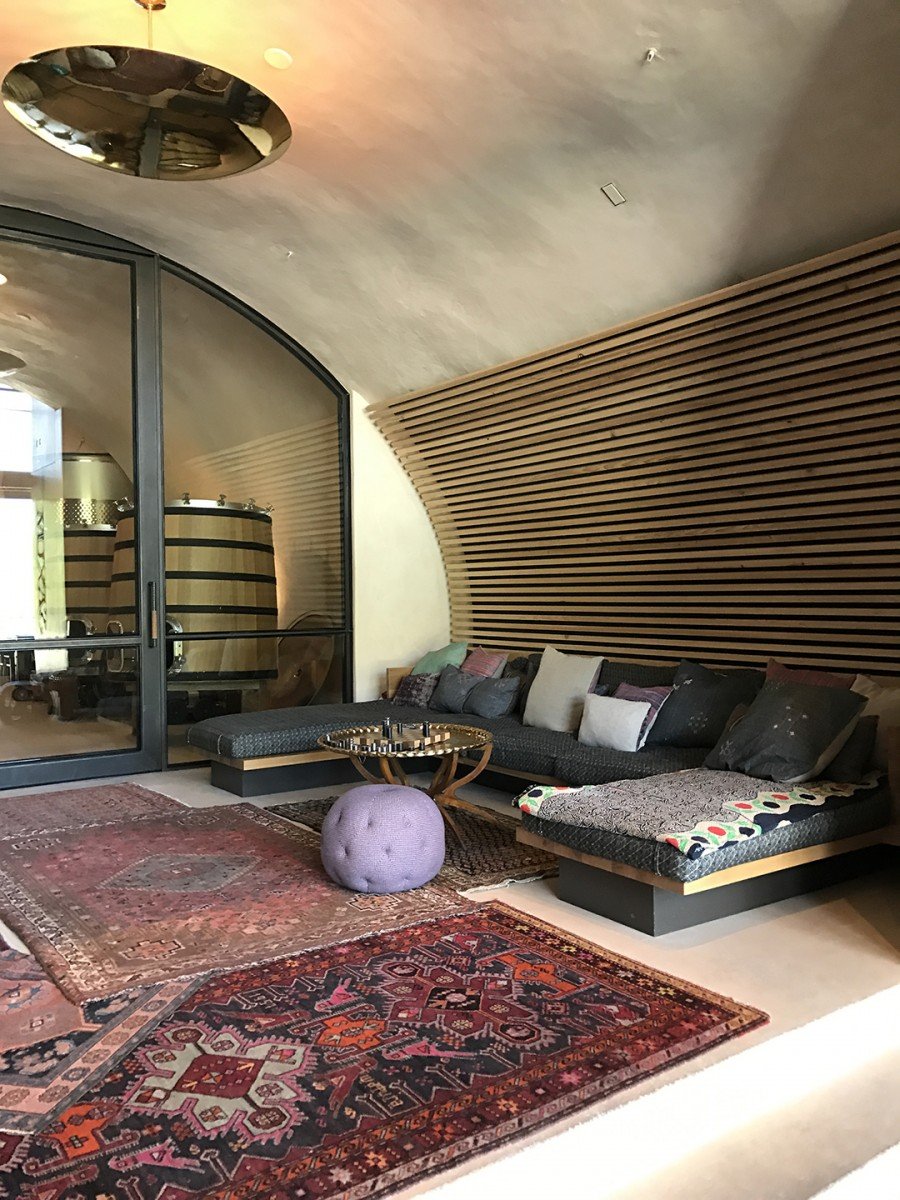
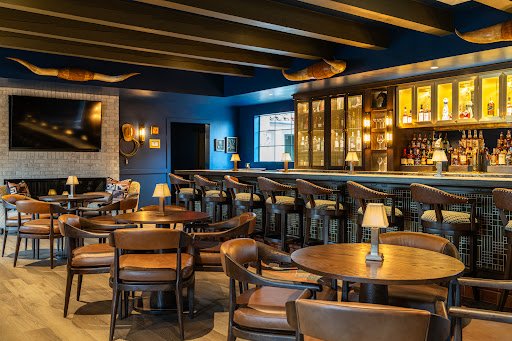
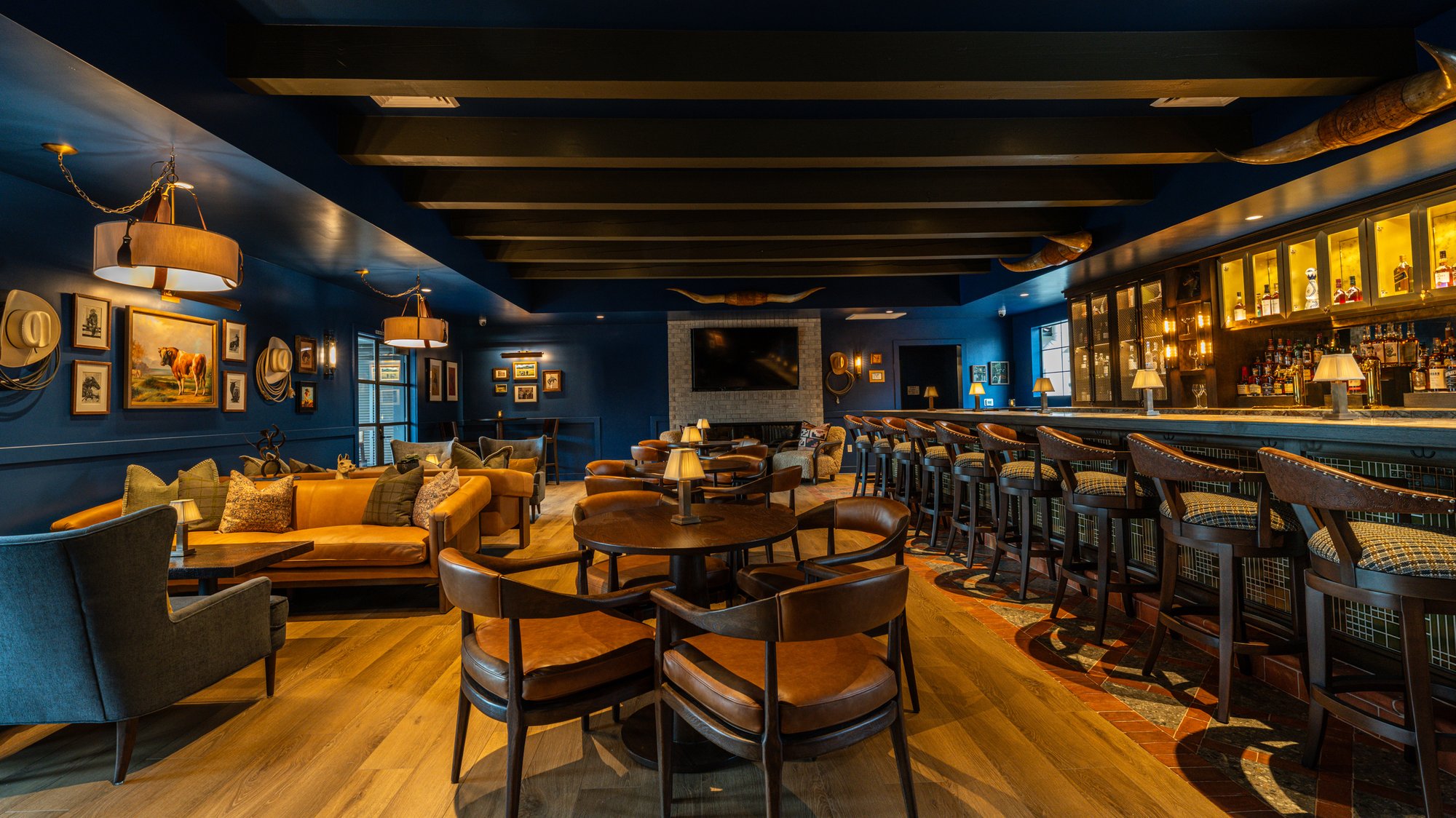
Laid-back living room vibe with colorful Dia de los Muertos artwork, bluegrass music, and subtle incense.
Tags
Vibe
Best For
Experience
View
At the Vineyard
- Appellation
- Paso Robles AVA
- Varietals
- Zinfandel, Syrah, Grenache, Petit Sirah, Viognier
- Tour Duration
- 60-90 minutes
- Visits
- By reservation
- Production
- Small producer
- Wine Styles
- Still Red, Still White, Still Rose, Sparkling
- Food Pairing
- Offered
- Shipping
- Available
- Wine Club
- Available
Know before you go
Know Before You Go
- Getting there
- 2020 Nacimiento Lake Dr, Paso Robles, CA 93446
Planning details
Location
Also consider
Where to look if this is unavailable
If Chronic Cellars is unavailable, try Alta Colina when the tasting-room setting matters, or McPrice Myers when the priority is keeping the Paso Robles itinerary intact. For a broader backup list, use Our full Paso Robles wineries guide.
Winery context
How Chronic Cellars compares in Paso Robles
Chronic Cellars is the higher-friction pick in this Paso Robles group because booking difficulty is marked Near Impossible. Choose it when the winery is the main event and the date can bend around availability. If the day needs fewer moving parts, start with Le Cuvier Winery or Villicana Winery as practical alternates.
For ambiance-led planning, Alta Colina and Parrish Family Vineyard are the better cross-shops when the experience around the tasting matters as much as the wine. Chronic Cellars is the stronger call when recognition and scarcity are part of the appeal.
McPrice Myers is the peer to keep in reserve if availability becomes the deciding factor. Without confirmed pricing across the set, value should be judged by fit: Chronic Cellars for a hard-to-land centerpiece, the others for a smoother Paso Robles itinerary.
Around this place
Discover more on Pearl
Unlock the full Chronic Cellars guide in Pearl, including awards, comparisons, FAQs, planning details, and nearby places.
Compare Chronic Cellars
| Venue | Location | Awards |
|---|---|---|
| Chronic Cellars | Paso Robles | No published awards |
| Le Cuvier Winery | Paso Robles | No published awards |
| Villicana Winery | Paso Robles | No published awards |
| Alta Colina | Paso Robles | No published awards |
| Parrish Family Vineyard | Paso Robles | No published awards |
| McPrice Myers | Paso Robles | No published awards |
How Chronic Cellars Paso Robles compares with similar nearby venues.
FAQ
Frequently Asked Questions
What other venues can I compare with Chronic Cellars?
Le Cuvier Winery, Villicana Winery, Alta Colina, Parrish Family Vineyard, and McPrice Myers are useful comparisons.