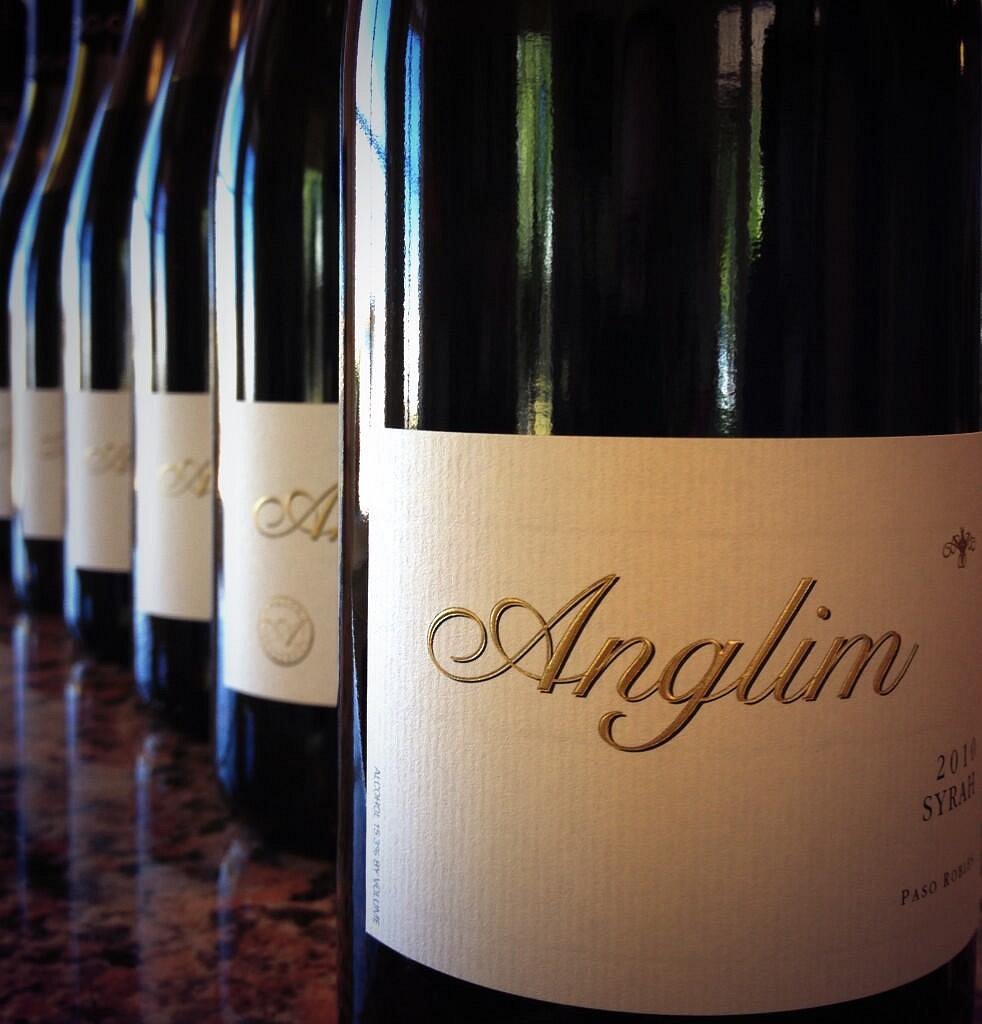
Anglim Winery
Paso Robles
Winery in Paso Robles, United States
 Book with Pearl
The Read
Production-Floor Craft
Price
$20–30tasting
Why go
Anglim Winery is worth prioritizing for Paso Robles drinkers who want a focused, wine-first stop rather than a large estate experience. It suits visitors comparing smaller-production tasting rooms and willing to plan ahead; groups seeking scenery, broad amenities, or easier availability should cross-shop nearby peers.
About Anglim Winery
For broader trip planning, pair venue research with Our full Paso Robles restaurants guide and other Paso Robles planning resources.
Book with confirmed details, not assumptions
For comparison while planning, consider Anglim Winery alongside Aaron Wines, Desparada Wines, Field Recordings Winery, Levo Wine, and Turtle Rock Vineyards.
Planning details
- Location
- 3340 Ramada Dr Suite D, Paso Robles, CA 93446, USA
- Website
- anglimwinery.com
- Phone
- +1 805-227-6813
The take
The Take
The Vibe
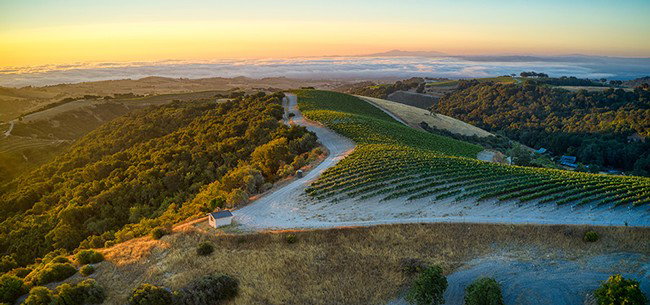
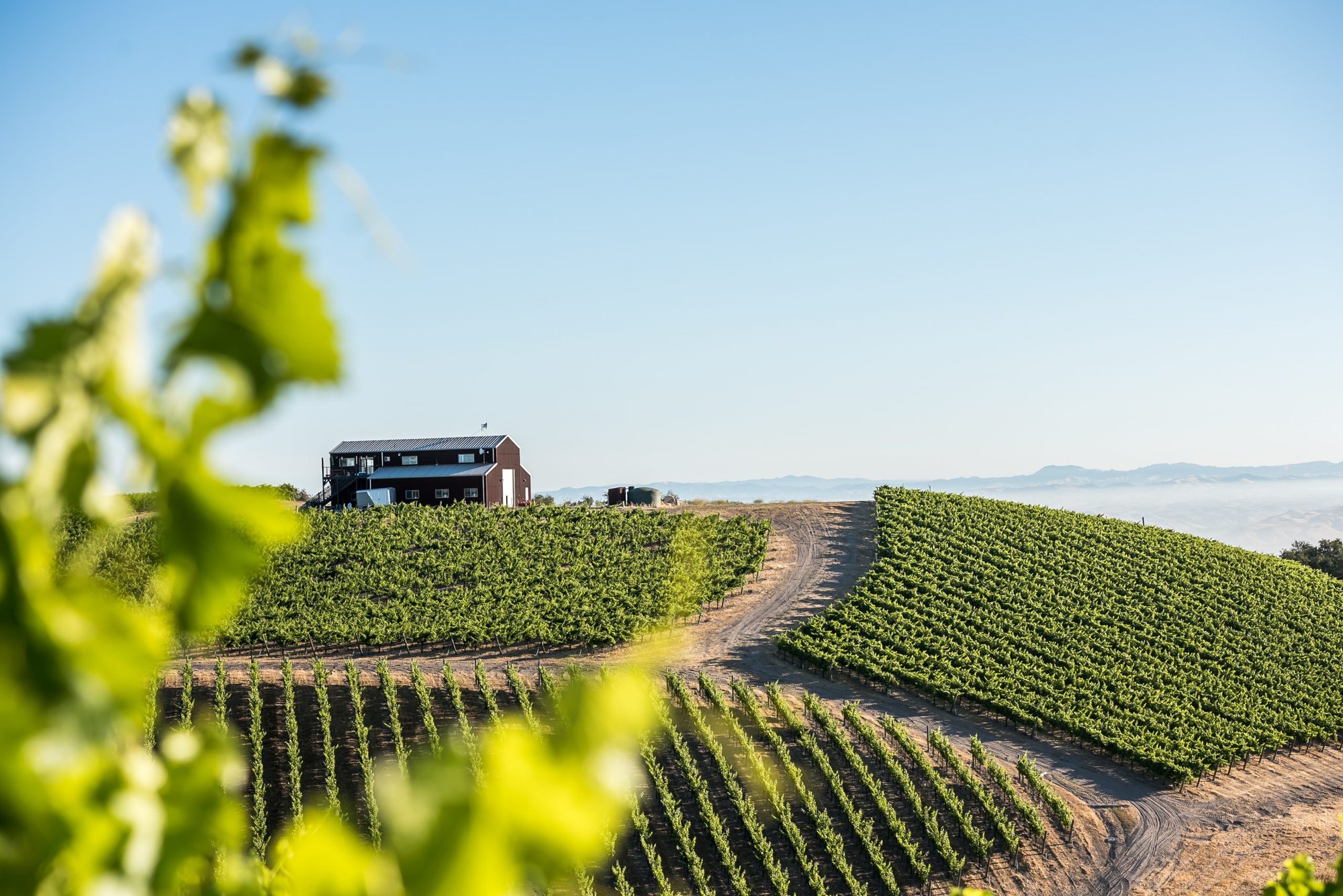
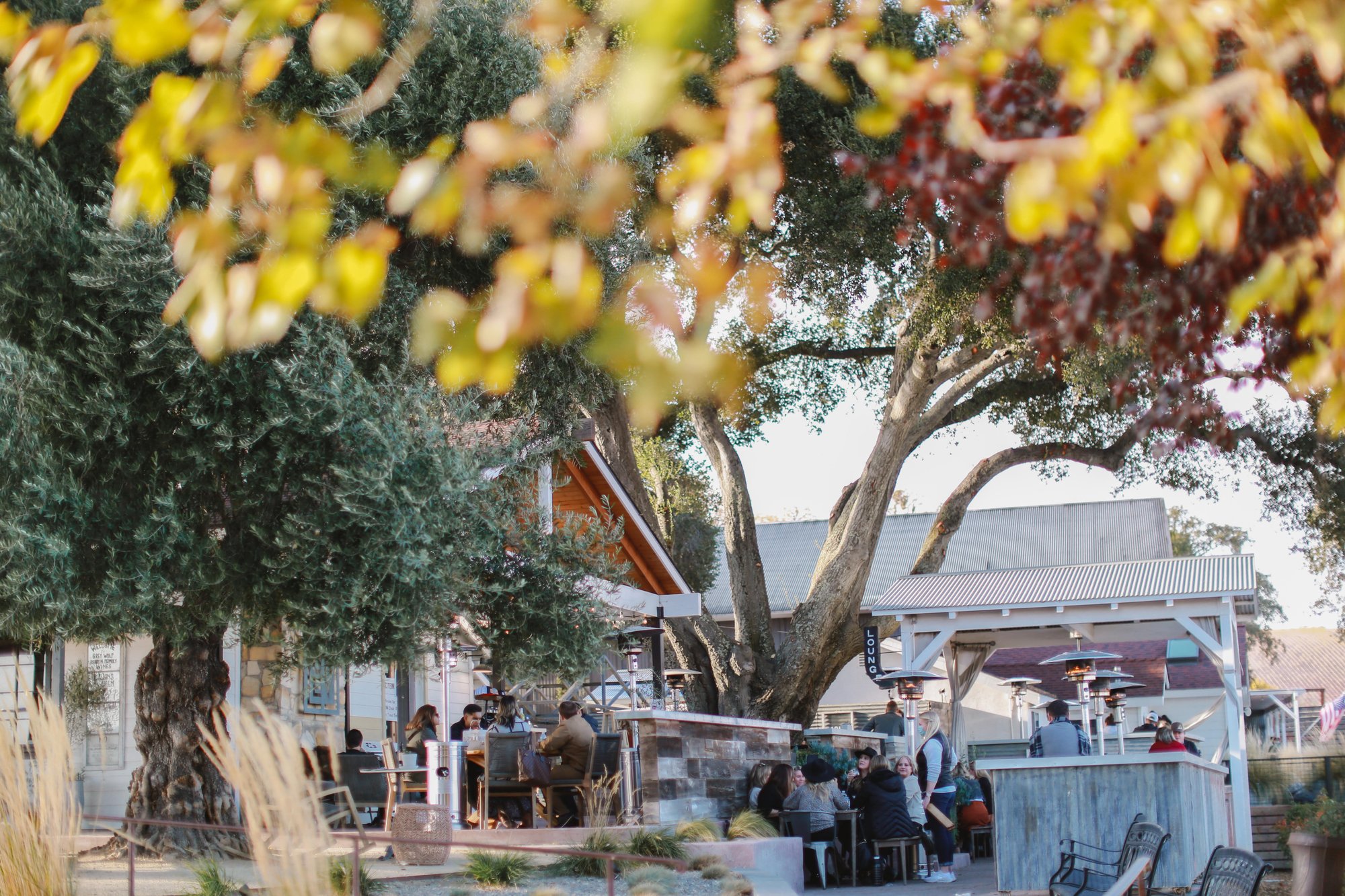
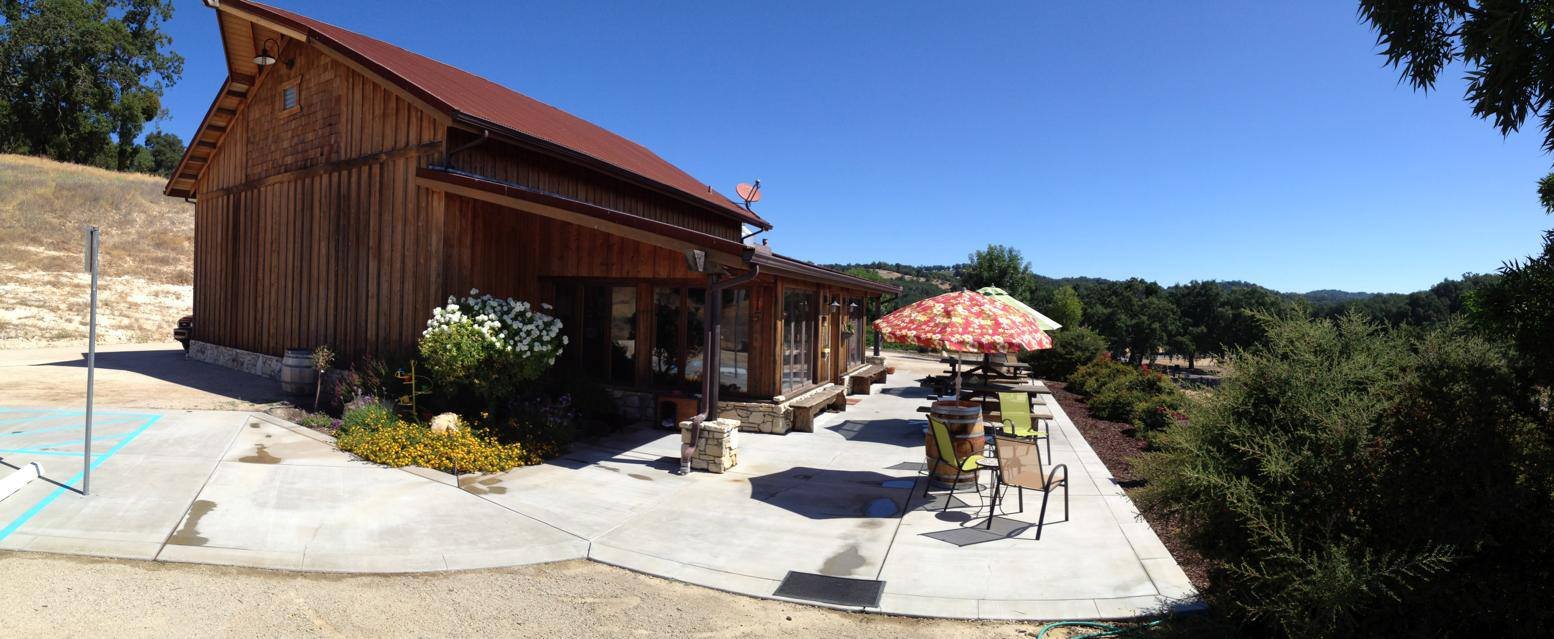
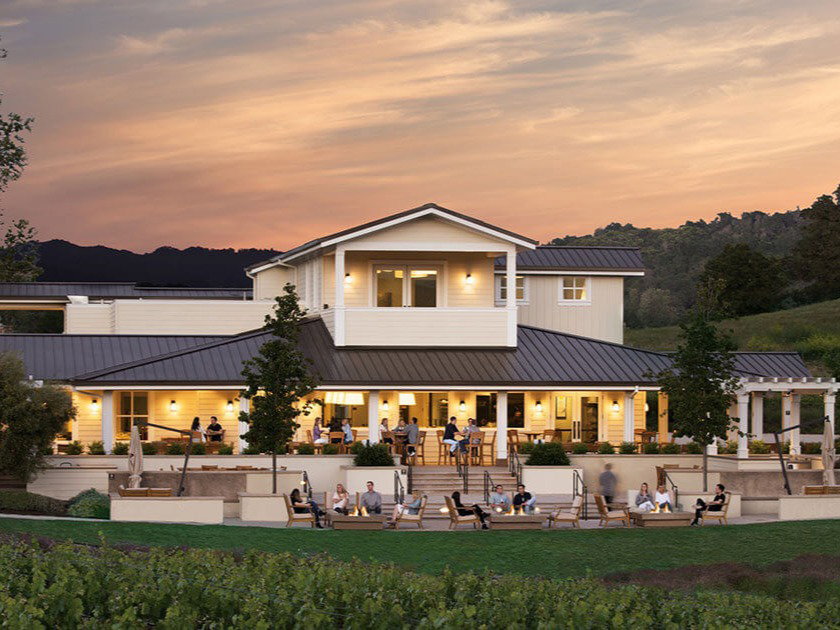
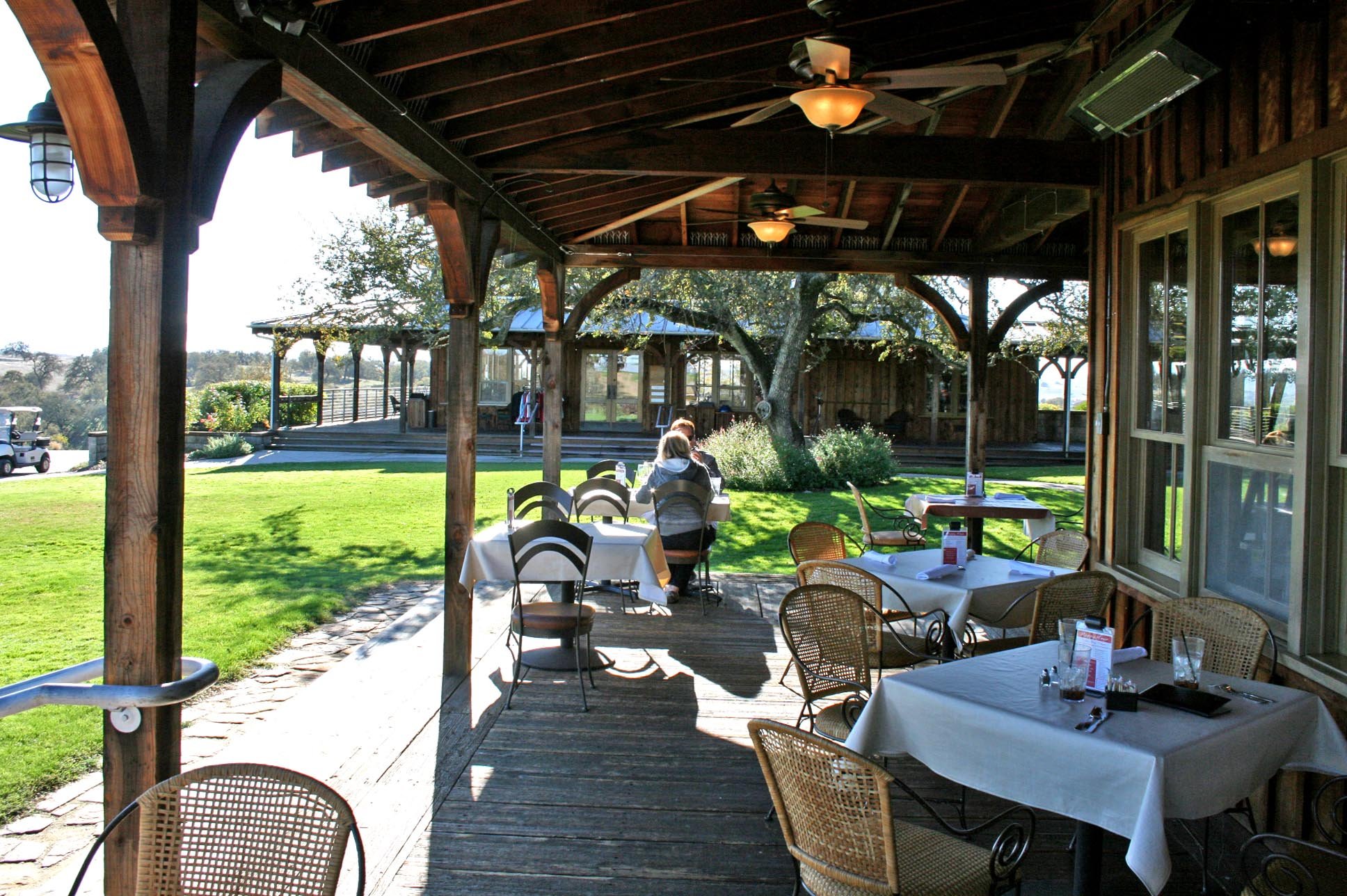
Anglim reads like a focused, place-driven winery: oak-studded hills, cooling Pacific fog and deliberately parceled vineyards set a scenic, quietly refined tone. Visitors encounter a landscape-first sensibility, cool afternoons, limestone influence and restrained vineyard blocks, that feels serene and purposeful. The overall impression is of a winery that prioritizes terroir expression and consistent quality, appealing to guests who favor attentive, landscape-rooted tasting experiences over flashy production.
Best For
Anglim is best for focused wine lovers and small groups wanting to understand Paso Robles’ West Side narrative. The appellation has distinct soils and a cooling marine influence, so tastings here suit people interested in wine education, comparative tasting and terroir-driven conversation. Solo visitors who want a concentrated tasting experience and small groups exploring regional differences will get the most out of a visit; the winery’s prestige-level recognition also gives it appeal for those seeking reliably crafted bottles rather than casual drop-in tastings.
Tasting Tips
Ask to taste wines that showcase the West Side’s cool-climate signature: bottlings that reflect calcareous soils, limestone influence and the marked diurnal temperature swings. If staff offer flights that compare block or vintage differences, prioritize those to hear how siting and cooling influence acid structure and aromatic lift. Focus questions on site-specific fruit sources and winemaking choices to deepen your understanding of Anglim’s West Side argument.
Venue details
Tags
Vibe
Best For
Experience
Sourcing
At the Vineyard
- Varietals
- Viognier, Roussanne, Syrah, Grenache, Mourvèdre
- Visits
- By reservation
- Wine Styles
- Still Red, Still White, Still Rose
- Shipping
- Available
- Wine Club
- Available
Know before you go
Know Before You Go
- Getting there
- 3340 Ramada Dr Suite D, Paso Robles, CA 93446, USA
Planning details
Location
Also consider
Where to look if this is full
If Anglim Winery is not workable, try Aaron Wines for a similarly serious Paso Robles wine stop, or Field Recordings Winery for an easiergoing tasting-room option. Desparada Wines is the better backup when the group wants a smaller, more distinctive producer rather than a broad estate visit.
Winery context
How Anglim Winery compares in Paso Robles
Choose Anglim Winery when the priority is a compact, wine-led tasting rather than a broad hospitality production. Field Recordings Winery is the better cross-shop for a more casual, design-forward Paso Robles stop, while Desparada Wines makes sense for drinkers who want a more distinctive small-label feel.
For value, the deciding factor is what kind of experience the group wants to pay for. Aaron Wines is the stronger alternative for visitors specifically chasing serious Paso Robles wine depth, while Anglim Winery is better suited to an itinerary that needs a tighter stop in town. Turtle Rock Vineyards and Levo Wine are useful backups if availability becomes the deciding factor.
Booking difficulty is the practical issue: treat Anglim Winery as a plan-ahead choice. If the group is flexible and wants a lower-friction tasting day, start with Field Recordings Winery or Levo Wine; if the goal is a more serious comparative Paso Robles lineup, keep Aaron Wines and Desparada Wines in the mix.
Explore Paso Robles
Around this place
Discover more on Pearl
Unlock the full Anglim Winery guide in Pearl, including awards, comparisons, FAQs, planning details, and nearby places.
Compare Anglim Winery
How it compares
Anglim Winery is the pick for a focused, wine-first Paso Robles stop. Field Recordings Winery is a better fit for a looser, more casual tasting-room mood, while Desparada Wines should be on the list for visitors who want a smaller-label experience with more edge.
Aaron Wines is the most direct cross-shop for serious wine travelers prioritizing depth over convenience. Turtle Rock Vineyards and Levo Wine are practical alternatives when availability, group timing, or a less compressed itinerary matters more than chasing the harder booking.
FAQ
Frequently Asked Questions
Does this page verify membership details for Anglim Winery?
Review current information directly with the venue before making any decision.
What other venues can I compare with Anglim Winery?
For comparison while planning, look at Aaron Wines, Desparada Wines, Field Recordings Winery, Levo Wine, and Turtle Rock Vineyards, then confirm current details with each venue.