

Winery in Pamhagen, Austria
Andert Distillery
500Pearl PointsDrink-First Stop
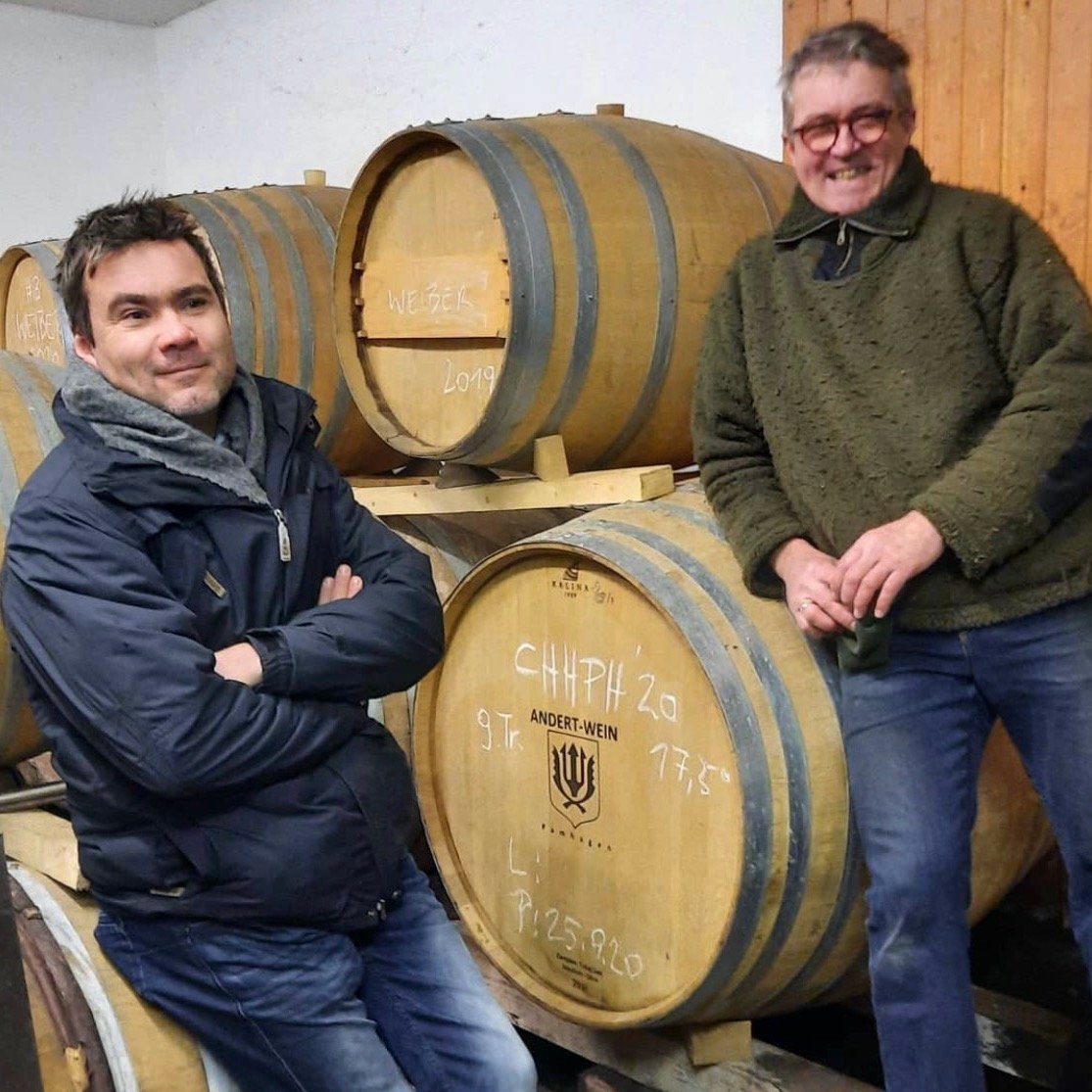
About Andert Distillery
Andert Distillery is a plan-ahead Pamhagen choice for small, drink-focused occasions rather than a casual large-group stop. It suits travelers who want a regional Burgenland detour and are comfortable arranging details in advance; if convenience or a classic winery format matters more, compare nearby wine-focused peers first.
Andert Distillery is a Pamhagen venue with confirmed Pearl 2 Star Prestige recognition for 2025. Beyond that, the verified public details available here are limited, so the safest way to evaluate it is as a specific Pamhagen stop rather than by assuming a particular tasting format, dining offer, price level, schedule, or group setup.
For planning, keep the confirmed basics in view: the venue is in Pamhagen, the dress code is casual, the Pearl 2 Star Prestige (2025) recognition is part of its current profile. Any practical details that would affect a visit, such as timing, reservations, menus, tastings, or group arrangements, should be checked directly before building an itinerary around it.
A focused Pamhagen stop for carefully confirmed plans
Andert Distillery is worth considering if your plans specifically include Pamhagen and you are comfortable confirming visit details in advance. The verified information does not establish a particular service style, menu format, tasting structure, price, or capacity, so it should not be treated as a fully documented hospitality setup without direct confirmation.
If you are comparing options for a broader regional itinerary, keep Andert Distillery in the mix alongside clearly named alternatives such as Weingut Hans Tschida, Weingut Johann Schwarz, Weingut Kracher, Weingut Scheiblhofer Distillery, Zantho (Weingut Zantho). Other dining in Pamhagen can also be considered generically, but specific claims about Andert Distillery should stay limited to what is confirmed.
How to frame Andert Distillery in a visit plan
On the verified record available here, Andert Distillery is best described simply as a Pamhagen venue with Pearl 2 Star Prestige (2025) recognition and a casual dress code. The available facts do not confirm a broader national positioning, a detailed drinks program, a published tasting-room model, or a specific hospitality format.
For comparison within the same planning conversation, use only clearly identified venues such as Andert Distillery, Weingut Hans Tschida, Weingut Johann Schwarz, Weingut Kracher, Weingut Scheiblhofer Distillery, Zantho (Weingut Zantho). Those names can help frame alternatives, but any itinerary decision should be based on directly confirmed current details.
Frequently Asked Questions
Do I need a reservation at Andert Distillery?
The verified information here does not confirm a reservation policy. Because practical visit details are not established, confirm directly with Andert Distillery before planning around a specific time in Pamhagen.
What other venues can I compare with Andert Distillery?
Useful named comparisons include Weingut Kracher, Weingut Hans Tschida, Zantho (Weingut Zantho), Weingut Scheiblhofer Distillery, Weingut Johann Schwarz. Treat them as comparison points and verify current visit details directly with each venue.
Can Andert Distillery handle large groups?
The verified information here does not confirm group capacity or event handling. If you are planning for a group, contact Andert Distillery directly before assuming it can accommodate your plans in Pamhagen.
Does Andert Distillery have a wine club?
No verified wine club details are available here. Do not assume membership terms, benefits, or availability without checking directly with Andert Distillery.
How long should I plan for a visit to Andert Distillery?
The verified information here does not establish a typical visit length. Confirm the current format and timing directly before building Andert Distillery into a Pamhagen itinerary.
Location
Lerchenweg 16, 7152 Pamhagen
Pamhagen, Austria
Compare Andert Distillery
| Venue | Location | Awards |
|---|---|---|
| Andert Distillery | Pamhagen | Pearl 2 Star Prestige (2025) |
| Weingut Kracher | Illmitz | , |
| Weingut Hans Tschida | Illmitz | , |
| Zantho (Weingut Zantho) | Andau | , |
| Weingut Scheiblhofer Distillery | Andau | , |
| Weingut Johann Schwarz | Andau | , |
How Andert Distillery Pamhagen compares with similar nearby venues.
Also Consider
- Weingut Kracher, Notable alternative
- Weingut Hans Tschida, Notable alternative
- Zantho (Weingut Zantho), Notable alternative
- Weingut Scheiblhofer Distillery, Notable alternative
- Weingut Johann Schwarz, Notable alternative
How it compares in the Pamhagen area
Choose Andert Distillery when the brief is a smaller, more focused drinks stop in Pamhagen rather than a conventional winery tasting. Weingut Kracher and Weingut Hans Tschida are the stronger cross-shops for travelers who want a wine-led Burgenland visit with broader cellar expectations, while Andert is the more specific pick for a distillery angle.
Zantho (Weingut Zantho) is the easier recommendation for groups that want a more winery-coded experience and clearer fit with a regional wine route. Weingut Scheiblhofer Distillery is the closest conceptual comparison because it also brings distillery context into the decision, so compare these two first if spirits are central to the plan.
For a more classic producer visit, Weingut Johann Schwarz is the safer cross-shop. Andert Distillery is the better call only when the group actively wants a smaller-format Pamhagen stop and is willing to prioritize regional character over predictable large-group convenience.
Explore Pamhagen
Save or rate Andert Distillery on Pearl
Keep this venue in your Pearl passport, rate it after you visit, and track it alongside every other place you collect.