Viña MontGras
Palmilla
Winery in Palmilla, Chile
 Book with Pearl
The Read
Colchagua Prestige-Tier Viticulture
Price
$30–50tasting
Why go
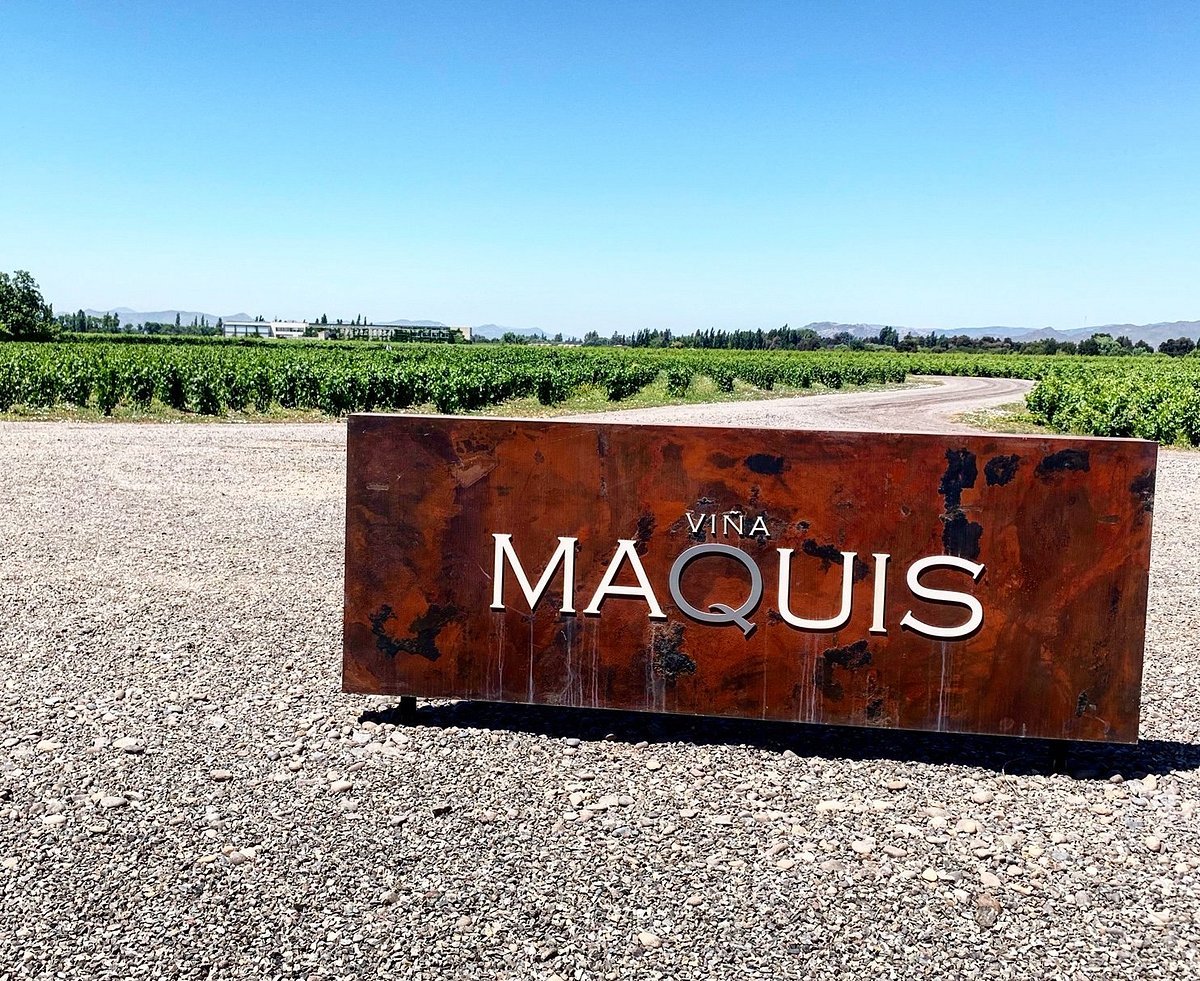
Viña MontGras is a sensible Palmilla anchor for travelers building a focused Chilean wine-country day around regional context rather than a trophy-only stop. Cross-shop it with Viña Maquis for another Palmilla option, or Clos Apalta if the brief is a more destination-led splurge.
About Viña MontGras
Viña MontGras is a Palmilla venue. Practical notes include a casual dress code, and the venue holds Pearl 3 Star Prestige recognition for 2025. For other specifics, planning should stay flexible and should be confirmed directly with the venue before making it the center of a trip.
Viña MontGras is a Palmilla stop to consider alongside a small set of comparison venues. Clos Apalta (Casa Lapostolle), Viña Maquis, Viña Viu Manent, Viña Caliterra, Viña Sutil, and Viña MontGras are the relevant names to compare when shaping an itinerary. Beyond that, avoid making assumptions about hours, formats, pricing, group capacity, or specific visitor services.
A Palmilla anchor for travelers who want regional context
Viña MontGras can be considered as part of a Palmilla-focused plan, especially for travelers comparing a few venues rather than building a day around uncertain details. Key features are its Palmilla location, casual dress code, and Pearl 3 Star Prestige recognition for 2025.
For comparison, Viña Maquis, Viña Viu Manent, Viña Caliterra, Viña Sutil, and Clos Apalta (Casa Lapostolle) are useful names to keep in the same research set. The practical recommendation is to check current visitor information directly before committing to timing, transportation, or group plans.
Who should choose it, and who should cross-shop
Consider Viña MontGras if you want a Palmilla venue with Pearl 3 Star Prestige recognition and a casual dress code. Cross-shop with Clos Apalta (Casa Lapostolle), Viña Maquis, Viña Viu Manent, Viña Caliterra, and Viña Sutil if you are comparing options before choosing where to spend your time.
Check with the venue for details such as hours, prices, reservation requirements, menu or visit formats, group capacity, phone details, or specific visitor services. For broader Palmilla planning, keep the rest of the day flexible and avoid building the itinerary around unsubstantiated assumptions.
Planning details
- Location
- Camino Isla de Yáquil - s/N, 3160000 Palmilla, O'Higgins
- Website
- montgras.cl
- Phone
- +56 9 9733 8304
The take
The Take
The Vibe
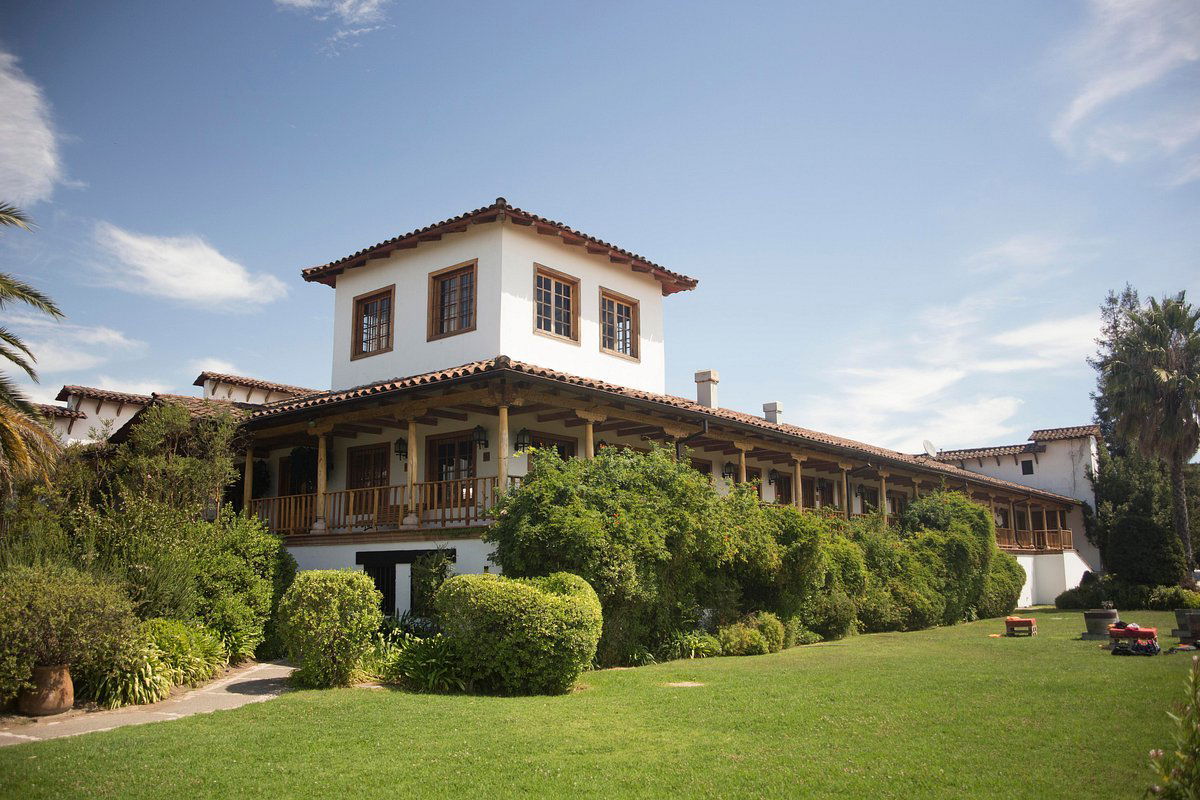
Viña MontGras reads like an upper‑bracket Colchagua estate where vineyard landscape and careful winemaking are equally central. The property sits amid working vineyards and orchards outside Palmilla, and the hospitality approach is deliberately unhurried: visits are designed to let guests absorb both the scenery and the cellar work. Recognition among peer estates and a recent industry accolade underline a polished, tradition‑minded sensibility. Overall the experience feels classic and serene, with a sophisticated edge that reflects the winery’s place in the valley’s export‑oriented, terroir‑focused tiering.
Best For
MontGras is well suited to leisurely group outings, educational tastings, and celebratory visits where time and landscape matter. The description frames the estate as part of a set of wineries whose hospitality infrastructure encourages extended engagement, so visitors can expect a paced tasting that pairs conversation with vineyard views. Because the Colchagua Valley’s signature varieties are central to the estate’s identity, the site naturally serves wine‑focused groups and learners who want to understand how vineyard sub‑zones and estate decisions shape Cabernet Sauvignon and Carmenère expressions.
Tasting Tips
When tasting at MontGras, prioritize the valley’s hallmark grapes—Cabernet Sauvignon and Carmenère—as the text highlights them as Colchagua signatures. Allow extra time for the visit so you can experience both the vineyard landscape and the winery’s hospitality; the estate emphasizes unhurried visits. Ask the hosts about sub‑zone or estate‑designated bottlings, since the property’s identity is tied to specific valley sub‑zones and some wines circulate by allocation, making provenance and limited releases especially relevant.
Venue details
Ambiance
Welcoming atmosphere with stunning Andes and vineyard views, warm hospitality, and educational tastings in a family-friendly setting.
Tags
Vibe
Best For
Experience
Sourcing
View
At the Vineyard
- Appellation
- Valle de Colchagua
- Varietals
- Cabernet Sauvignon, Carmenère, Syrah, Malbec, Merlot
- Tour Duration
- 60-90 minutes
- Tour Languages
- Español, Inglés
- Visits
- By reservation
- Farming
- Sustainable
- Production
- Large producer
- Wine Styles
- Still Red
- Food Pairing
- Offered
- Wine Club
- Not available
Know before you go
Know Before You Go
- Getting there
- Camino Isla de Yáquil - s/N, 3160000 Palmilla, O'Higgins
Planning details
Location
Also consider
If you cannot get the slot you want
Try Viña Maquis first if the goal is to stay in Palmilla. Choose Clos Apalta (Casa Lapostolle) instead if the visit needs to feel like the main event of the day rather than one stop in a wider route.
Winery context
How it compares in and around Palmilla
Viña MontGras is the practical pick for travelers who want a Palmilla-based winery anchor without making the whole day revolve around a single prestige stop. Viña Maquis is the closest like-for-like comparison for a Palmilla itinerary, while Clos Apalta (Casa Lapostolle) is the stronger choice when the trip calls for a more destination-style splurge.
Viña Viu Manent makes sense for travelers who want a broader Colchagua visitor circuit, while Viña Caliterra and Viña Sutil are better treated as add-ons only if the day has enough driving buffer. For value of time, keep Viña MontGras high on the list if staying near Palmilla is the priority; choose Clos Apalta when ambiance and occasion matter more than convenience.
Explore Palmilla
Around this place
Discover more on Pearl
Unlock the full Viña MontGras guide in Pearl, including awards, comparisons, FAQs, planning details, and nearby places.
Compare Viña MontGras
| Venue | Location | Awards |
|---|---|---|
| Viña MontGras | Palmilla | No published awards |
| Viña Maquis | Palmilla | No published awards |
| Viña Caliterra | Colchagua | 2026 Falstaff Winery Guide |
| Clos Apalta (Casa Lapostolle) | Santa Cruz | 2025 World's 50 Best Vineyards · #652023 World's 50 Best Vineyards · #392022 World's 50 Best Vineyards · #182021 World's 50 Best Vineyards · #172020 World's 50 Best Vineyards · #272019 World's 50 Best Vineyards · #6 |
| Viña Sutil | Colchagua | No published awards |
| Viña Viu Manent | Santa Cruz | 2026 Falstaff Winery Guide2025 World's 50 Best Vineyards · #402024 World's 50 Best Vineyards · #192023 World's 50 Best Vineyards · #432022 World's 50 Best Vineyards · #322021 World's 50 Best Vineyards · #452020 World's 50 Best Vineyards · #432019 World's 50 Best Vineyards · #23 |


How Viña MontGras Palmilla compares with similar nearby venues.
FAQ
Frequently Asked Questions
What other venues should I compare with Viña MontGras?
Useful comparison venues include Viña Maquis, Viña Caliterra, Clos Apalta (Casa Lapostolle), Viña Sutil, and Viña Viu Manent. Viña MontGras itself is in Palmilla, so use it as one reference point when comparing options.
When is the best time to visit Viña MontGras?
Can Viña MontGras handle large groups?
What details are confirmed for Viña MontGras?
Key details include its Palmilla location, casual dress code, and Pearl 3 Star Prestige recognition for 2025. Other planning details should be checked directly with Viña MontGras.
How long should I plan for a visit to Viña MontGras?
Confirm the current format and timing directly with Viña MontGras, especially if you are comparing it with venues such as Viña Viu Manent or Clos Apalta (Casa Lapostolle).
Do I need a reservation at Viña MontGras?
What should I know before choosing Viña MontGras?
Research Viña MontGras directly for the latest visitor information.