Viña Maquis
Palmilla
Winery in Palmilla, Chile
 Book with Pearl
The Read
Palmilla Terroir Precision
Price
$30–50tasting
Why go
A serious Palmilla winery pick for travelers who plan ahead rather than improvise. Viña Maquis is worth prioritizing if the goal is a focused Colchagua Valley wine visit, but the extremely difficult booking signal makes it a poor fit for last-minute tasting crawls.
About Viña Maquis
Viña Maquis is a Palmilla venue with a smart casual dress code and Pearl 2 Star Prestige recognition for 2025. Plan with the venue directly for practical details such as hours, pricing, food service, visit formats, booking needs, and hospitality arrangements.
The recommendation is yes if you are looking for a recognized Palmilla stop and are comfortable confirming the practical details before you go. The key signals are simple: the venue is Viña Maquis in Palmilla, the dress code is smart casual, and the 2025 Pearl 2 Star Prestige recognition gives it a clear distinction.
Book it as a Palmilla stop with details confirmed in advance
Because food service, fixed formats, pricing, and opening hours are not specified here, the safer plan is to confirm the visit directly and keep the rest of the day flexible. Do not assume lunch, a particular visit structure, a specific offering, or a set duration unless Viña Maquis confirms it.
If you are comparing other options, consider Viña Maquis alongside Clos Apalta (Casa Lapostolle), Viña Caliterra, Viña MontGras, Viña Montes, and Viña Viu Manent. Keep the comparison practical: confirm location, access, hours, and visit format with each venue before building the route.
How to think about the confirmed details
The information here does not support naming a flagship item, production method, tasting menu, or fixed visitor format. Treat Viña Maquis as a recognized Palmilla venue rather than a guaranteed checklist of specific offerings or experiences.
For planning, the useful approach is direct: dress smart casual, confirm the visit details directly, and avoid building the day around assumptions. Viña Maquis is best framed as a Palmilla visit with confirmed Pearl 2 Star Prestige recognition in 2025, not as a page for specific prices, dishes, bottles, or service promises.
Planning details
- Location
- Viña Maquis, Palmilla, O'Higgins
- Website
- maquis.cl
- Phone
- +56223741801
The take
The Take
The Vibe
Viña Maquis reads as a terroir-first Colchagua estate that prizes clarity and site expression over flashy presentation. The narration in the description centers on Palmilla’s diurnal shifts, alluvial fan soils and block-by-block variation, and the winery’s inclusion in a deliberate, quality-oriented cohort. Recognition with a Pearl 2 Star Prestige rating reinforces a sense of measured craftsmanship: wines are presented as arguments for place rather than labels. Visitors can expect a focused, contemplative atmosphere where vineyard detail and structural balance drive the conversation, and the estate’s stylistic intent is more educational than showy.
Best For
This estate is best for visitors who come to learn about place: wine students, curious solo tasters and small groups who want to hear how microclimate, soil and harvest timing shape bottles. The write-up emphasizes varietal behaviour — notably Carménère — and the ways block-level decisions translate into finished wines, so the tasting program is oriented toward comparative, site-specific exploration rather than generic flighting. It suits travelers seeking a thoughtful, terroir-driven tasting that highlights O'Higgins’ geographic nuances.
Tasting Tips
When tasting at Viña Maquis, prioritize wines that showcase site specificity and the estate’s red varieties, especially Carménère, which the description frames as emblematic of Colchagua. Look for bottlings that reference specific blocks or vineyard sites to hear how soil and diurnal temperature shifts influence acidity and structure. Frame questions around harvest timing and block selection to deepen your understanding of why wines read differently from one plot to the next. Favor comparative sips that let you evaluate the estate’s claim to terroir rather than reaching for entry-level, blended labels alone.
Venue details
Ambiance
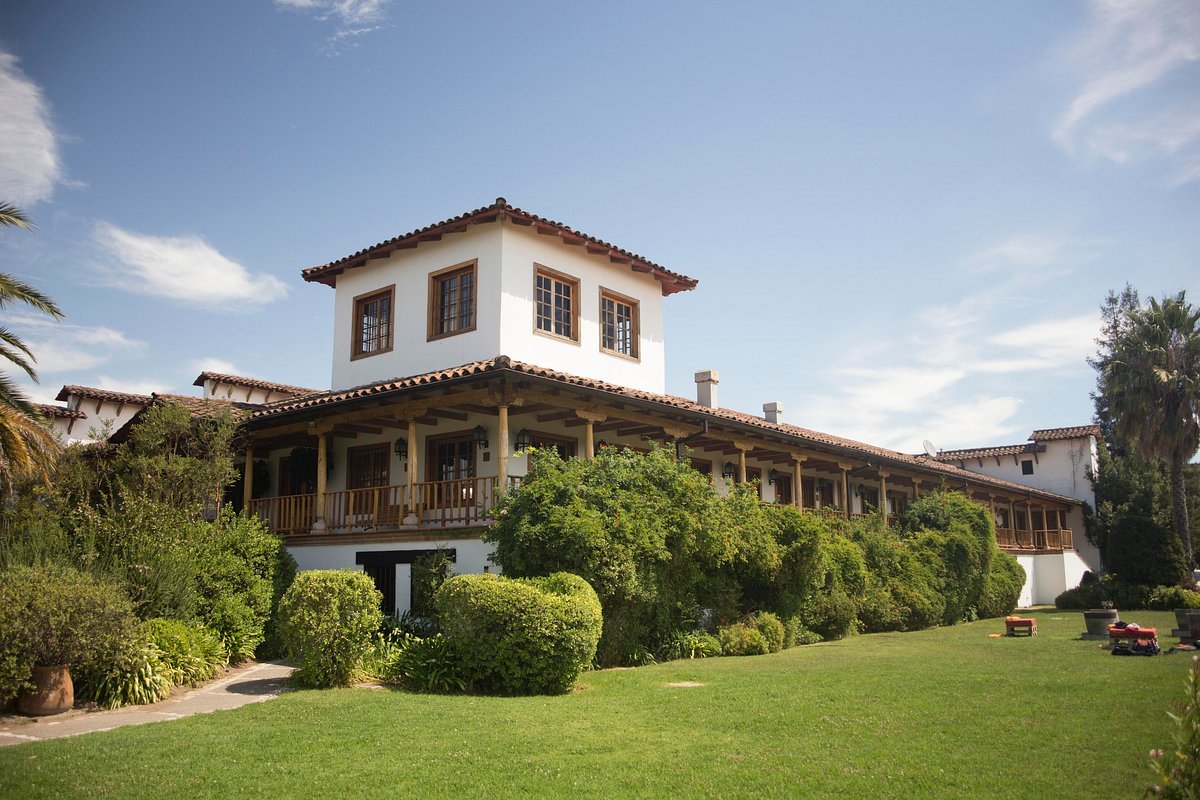
Relaxed and scenic atmosphere with natural surroundings along the river, pleasant and uncrowded setting praised for its beauty and tranquility.
Tags
Vibe
Best For
Experience
Sourcing
View
Accessibility
At the Vineyard
- Appellation
- Colchagua Valley
- Varietals
- Carmenere, Malbec
- Tour Duration
- 1.5 hours
- Tour Languages
- Spanish, English
- Visits
- By reservation
- Farming
- Sustainable
- Wine Styles
- Still Red, Still White, Still Rose
- Food Pairing
- Offered
- Wine Club
- Not available
Know before you go
Know Before You Go
- Getting there
- Viña Maquis, Palmilla, O'Higgins
Planning details
Location
Also consider
Where to Look If This Is Full
If availability is the issue, try Viña MontGras first for a nearby Palmilla alternative. For a broader Colchagua-style itinerary, Viña Viu Manent is the other practical backup from this set.
Winery context
How It Compares
Choose Viña Maquis when the priority is a more selective Palmilla winery visit with a strong recognition signal. Viña MontGras is the more practical cross-shop for visitors who want a Palmilla name without building the day around a hard booking, while Viña Maquis is the better target for travelers treating the appointment as the main event.
Viña Caliterra, Clos Apalta (Casa Lapostolle), Viña Montes, and Viña Viu Manent all make more sense as alternatives if the route extends beyond Palmilla or if availability drives the day. Without confirmed public pricing across the set, the cleaner decision factor is access: Viña Maquis carries the toughest booking signal, so it is less useful as a fallback and stronger as the first request.
For ambiance, keep expectations wine-led rather than restaurant-led. If the group wants a relaxed, easy-to-schedule tasting day, start with Viña MontGras or Viña Viu Manent. If the group wants the highest-conviction Palmilla target and can plan around availability, Viña Maquis is the sharper call.
Explore Palmilla
Around this place
Discover more on Pearl
Unlock the full Viña Maquis guide in Pearl, including awards, comparisons, FAQs, planning details, and nearby places.
Compare Viña Maquis
| Venue | Location | Awards |
|---|---|---|
| Viña Maquis | Palmilla | No published awards |
| Viña MontGras | Palmilla | No published awards |
| Viña Caliterra | Colchagua | 2026 Falstaff Winery Guide |
| Clos Apalta (Casa Lapostolle) | Santa Cruz | 2025 World's 50 Best Vineyards · #652023 World's 50 Best Vineyards · #392022 World's 50 Best Vineyards · #182021 World's 50 Best Vineyards · #172020 World's 50 Best Vineyards · #272019 World's 50 Best Vineyards · #6 |
| Viña Montes | Santa Cruz | 2026 Falstaff Winery Guide2025 World's 50 Best Vineyards · #102024 World's 50 Best Vineyards · #172023 World's 50 Best Vineyards · #72022 World's 50 Best Vineyards · #32021 World's 50 Best Vineyards · #52020 World's 50 Best Vineyards · #42019 World's 50 Best Vineyards · #6 |
| Viña Viu Manent | Santa Cruz | 2026 Falstaff Winery Guide2025 World's 50 Best Vineyards · #402024 World's 50 Best Vineyards · #192023 World's 50 Best Vineyards · #432022 World's 50 Best Vineyards · #322021 World's 50 Best Vineyards · #452020 World's 50 Best Vineyards · #432019 World's 50 Best Vineyards · #23 |


How Viña Maquis Palmilla compares with similar nearby venues.
FAQ
Frequently Asked Questions
How long should I plan for a visit to Viña Maquis?
Does Viña Maquis serve food?
Food service is not specified in the available information. If you need a meal as part of your Palmilla plans, arrange that separately unless Viña Maquis confirms current food options directly.
What should I wear to Viña Maquis?
The dress code is smart casual. Choose polished, comfortable clothing appropriate for a Palmilla venue visit.