
Winery in Padua, Italy
Aperol (Barbieri)
250ptsBotanical Aperitivo Heritage
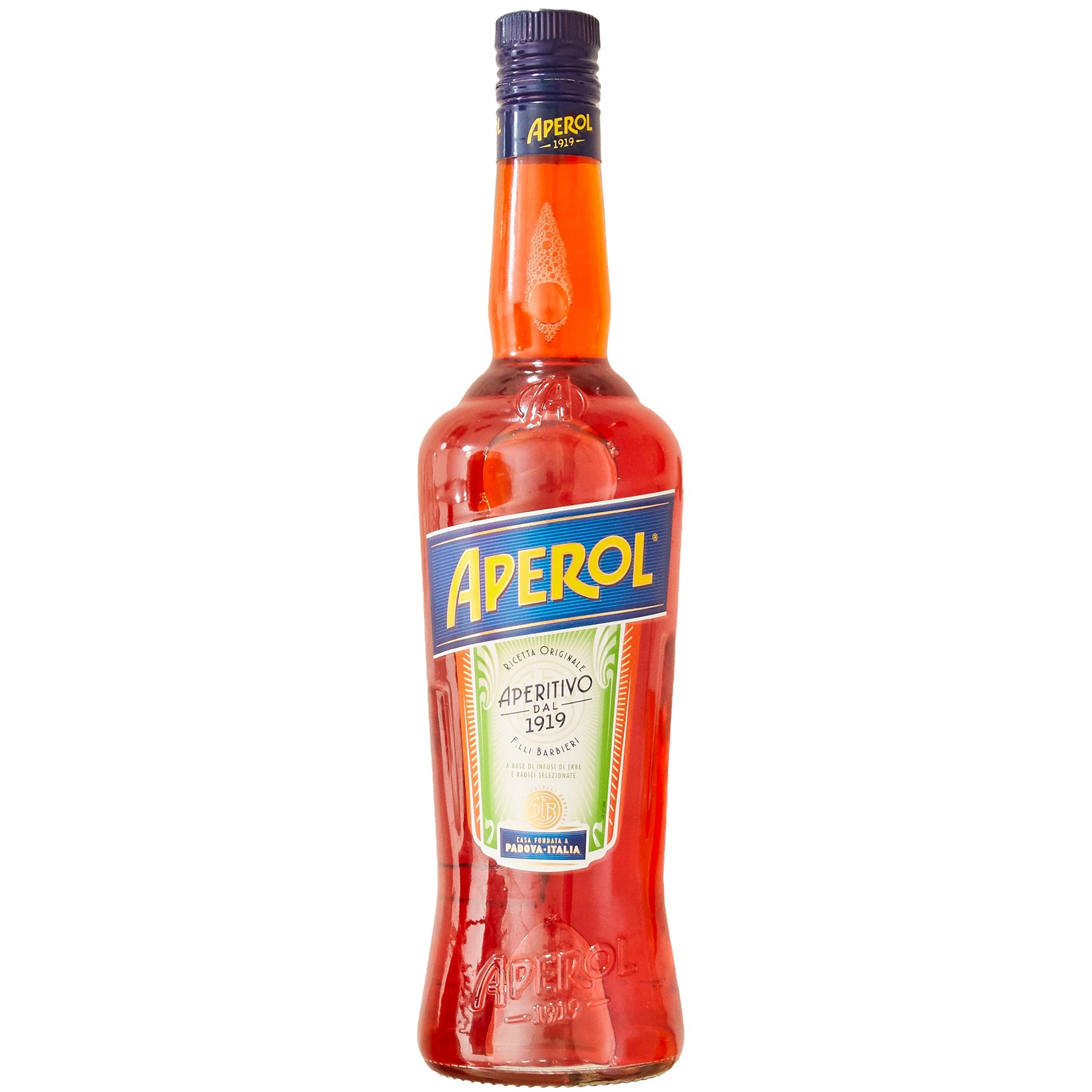
About Aperol (Barbieri)
Aperol (Barbieri) holds a Pearl 1 Star Prestige rating for 2025, placing it among a select tier of recognised producers in the Padua area. The address on Via Venezuela situates it within a city whose relationship with aperitivo culture runs deeper than the drink itself. For anyone mapping Italy's spirits and liqueur tradition, this is a reference point worth understanding in context.
Padua and the Aperitivo Tradition
The aperitivo hour in northern Italy is not a marketing category. It is a daily civic ritual, and in Padua the ritual has a particular intensity. The city sits at the heart of the Veneto, a region whose social culture has long organised itself around the ombra, a small glass of wine or spirits taken standing at a counter before a meal. That culture produced one of the most replicated drinks in the world, and the Barbieri family name sits at the origin of that production.
Aperol, the bitter orange liqueur that became a global shorthand for Italian summer drinking, was created in Padua in 1919 by the Barbieri brothers. The drink's identity, its low alcohol, its citrus-forward bitterness, its amber colour, is a direct product of the northeastern Italian ingredient tradition: gentian, rhubarb, cinchona, and botanicals that the region has traded and processed for centuries. In that sense, Aperol is not merely a brand success story but an expression of a specific geographic and culinary inheritance.
For a comparable frame of reference, consider how other Italian producers have used regional botanical and terroir signals to define their category. Nonino Distillery in Pavia di Udine built its identity around Friulian grappa culture with similar geographic specificity. Distilleria Marzadro in Nogaredo operates in the same Trentino-Alto Adige tradition of alpine-influenced distillation. What connects these producers is that their character is not invented but located: the land and the local tradition do the defining.
Where Aperol (Barbieri) Sits in the Category
Aperol (Barbieri) carries a Pearl 1 Star Prestige rating for 2025, a recognition that places it within the upper tier of producers assessed by EP Club's framework. That designation is relevant not just as a quality signal but as a positioning marker. In the broader Italian spirits and liqueur field, Pearl-level recognition separates producers with documented, consistent provenance from those operating in the mid-market.
The comparison set here is not wine regions or single-estate grapes, though the terroir logic is analogous. In the spirits category, the equivalent conversation is about botanical origin, production continuity, and the degree to which a product's character holds its regional reference. Campari in Milan occupies a parallel position in the Italian bitters tradition, with a competing botanical formula and a production heritage that similarly traces back to the nineteenth century. Both sit in a category where the formula itself carries the terroir argument, rather than a vineyard or a single harvest.
Further afield in the Italian production hierarchy, the analogies multiply. Ca' del Bosco in Erbusco has built its Franciacorta identity around Lombardy's specific limestone and moraine soils. Aldo Conterno in Monforte d'Alba works within the Barolo tradition of Langhe terroir. These are wine examples, but they reflect the same principle: that the most recognised Italian producers are those whose product cannot be convincingly relocated without becoming something different. Aperol's bitterness profile is calibrated for the Veneto palate and the Veneto evening, and that specificity is part of what the Pearl recognition is acknowledging.
The Botanical Logic Behind the Liquid
Understanding Aperol as a terroir product requires a slight recalibration of the usual terroir vocabulary. There is no vineyard, no vintage, no winemaker in the conventional sense. What there is, instead, is a botanical sourcing logic that reflects the northeastern Italian pharmacological tradition: the same gentian roots and cinchona bark that entered the region through centuries of trade with central Europe and the Levant, processed in a city that has housed one of Europe's oldest medical universities since the thirteenth century.
Padua's relationship with botanical medicine and liqueur production is not incidental. The city's apothecary culture and its proximity to the Alpine foothills, where many of the key botanicals were cultivated or collected, shaped the conditions in which a drink like Aperol became possible. That context matters when situating the 2025 Pearl 1 Star Prestige rating: the recognition is, in part, acknowledging a production legacy rooted in a very specific intellectual and geographic tradition.
Producers in other Italian regions have built similar arguments around place. Distilleria Romano Levi in Neive drew its identity from Langhe grappa tradition and a handcrafted singularity that resisted industrial scaling. Lungarotti in Torgiano built a winery in Umbria that is inseparable from the family's investment in the local landscape. The thread connecting these producers is that their standing depends on specificity, and the difficulty of replication that specificity creates.
Padua as a Spirits Reference Point
Visitors to Padua tend to arrive for the Scrovegni Chapel, the botanical garden, or the university. Aperol's Barbieri origins are less visible on the tourist map, but for anyone tracing the geography of Italian drinking culture, Via Venezuela is a legitimate reference address. The city's own bar culture still honours the aperitivo format that gave the drink its original context: early evening, standing at a marble counter, a glass that is more about sociability than intoxication.
That culture has spread considerably. The Aperol Spritz has become the most ordered cocktail in several European countries, and its ubiquity has paradoxically obscured the drink's specific local character. Arriving in Padua to understand the original context is a different exercise from ordering one at a rooftop bar in London or Barcelona. The production address on Via Venezuela, Padova, retains its role as a geographic anchor even as the brand operates at a global scale.
For context on how Italian producers in adjacent categories are positioned internationally, see Planeta in Menfi, Castello di Volpaia in Radda in Chianti, and L'Enoteca Banfi in Montalcino. Each of these producers operates with a geographic specificity that informs their international profile. Poggio Antico in Monte San Vito makes the same argument in the Brunello context. The pattern across Italian premium production is consistent: location defines the product before the label does.
For readers building a broader Italian itinerary, the full Padua restaurants guide maps the city's dining and drinking scene in detail, including where the aperitivo tradition is most legibly expressed in contemporary venues. And for those extending into Napa Valley as a comparison for premium terroir arguments, Accendo Cellars in St. Helena offers a useful parallel in how small-production houses establish identity through geographic precision.
The Fratelli Barbieri entry in the EP Club database provides the direct producer record for this address. Practical access to the Via Venezuela site is worth confirming in advance, as production facilities at this scale do not always operate visitor programmes on a walk-in basis. Telephone and website details are not listed in the current EP Club database record, so contact should be approached through the Fratelli Barbieri directory entry or through the Campari Group, which now holds the brand.
Frequently Asked Questions
- What should I taste at Aperol (Barbieri)?
- Aperol itself is the reference point: a low-alcohol bitter liqueur built on gentian, rhubarb, cinchona, and citrus botanicals, produced in Padua since 1919. The 2025 Pearl 1 Star Prestige recognition from EP Club signals production at the recognised level of the Italian spirits category. The original Aperol Spritz format, three parts Prosecco to two parts Aperol with a splash of soda, remains the most legible way to read the drink in the context of Veneto aperitivo culture. For winery and regional comparators, the Fratelli Barbieri record offers further detail on the production context.
- What is the defining thing about Aperol (Barbieri)?
- The defining quality is geographic origin combined with category creation. Aperol was developed in Padua in 1919, and its botanical formula reflects the northeastern Italian tradition of bitter liqueur production. The 2025 Pearl 1 Star Prestige award places the producer in the recognised upper tier of EP Club's assessment framework. For a city whose aperitivo culture is as old as its university, this is not incidental: Padua is the correct place to understand the drink. Price positioning is not listed in the current database, but the Pearl recognition situates it above the commodity tier of the category.
- Do I need a reservation for Aperol (Barbieri)?
- The Via Venezuela address in Padua is a production facility rather than a standard hospitality venue, which means visitor access is not guaranteed on a walk-in basis. Phone and website details are not currently held in the EP Club database, so advance contact through the Fratelli Barbieri record or through the Campari Group is advisable before visiting. For dining and drinking venues in Padua that express the aperitivo tradition in a visitor-ready format, the Padua city guide is the more practical planning resource.
- What is Aperol (Barbieri) a strong choice for?
- Aperol (Barbieri) is a strong reference point for anyone mapping the geography of Italian aperitivo culture or Italian spirits production with regional specificity. The 2025 Pearl 1 Star Prestige recognition anchors it in the documented upper tier of EP Club's category assessments. In a city like Padua, where the drink was created and where its botanical logic has a traceable local context, visiting the production address adds a layer of provenance that most tastings of the Spritz elsewhere cannot provide. It sits alongside producers like Campari in Milan as one of the founding references in Italian bitters tradition.
- How does Aperol (Barbieri) relate to the broader Italian bitter liqueur tradition?
- Aperol occupies the founding position in the modern Italian aperitivo bitters category, predating many of its current competitors and establishing the low-alcohol, citrus-forward bitter format that the category subsequently built around. Its 2025 Pearl 1 Star Prestige rating from EP Club reflects production continuity and recognised category standing. The Padua production origin is not merely historical: the botanical sourcing tradition in the Veneto, shaped by centuries of Alpine trade routes and the city's pharmacological culture, is part of what gives the formula its regional character. Producers in adjacent Italian spirits categories, such as Nonino in Pavia di Udine, operate within comparable regional-terroir arguments, making a Veneto spirits itinerary a coherent editorial framework for serious visitors.
Related editorial
- Best Fine Dining Restaurants in ParisFrom three-Michelin-star icons to the next generation of Parisian chefs pushing boundaries, these are the restaurants that define fine dining in the world's culinary capital.
- Best Luxury Hotels in RomeFrom rooftop terraces overlooking ancient ruins to Michelin-starred hotel dining, these are the luxury hotels that make Rome unforgettable.
- Best Cocktail Bars in KyotoFrom sleek lounges to hidden speakeasies, Kyoto's cocktail scene blends Japanese precision with global influence in ways you won't find anywhere else.
Save or rate Aperol (Barbieri) on Pearl
Keep this venue in your Pearl passport, rate it after you visit, and track it alongside every other place you collect.