Pisquera Casa Juliá
Limarí Valley, Ovalle
Winery in Ovalle, Chile
 Book with Pearl
The Read
Desert-Terroir Pisco
Why go
Choose Pisquera Casa Juliá if the goal is a pisco-focused stop near Ovalle rather than a general winery day. Viña Tabalí is the safer choice for a classic wine visit, while Casa Juliá makes more sense for returning visitors comparing regional distilleries and willing to plan around limited public logistics.
About Pisquera Casa Juliá
Pisquera Casa Juliá is located in Ovalle. The dress code is casual, and the venue is recognized with Pearl 2 Star Prestige (2025). Specific public-facing details such as hours, pricing, capacity, booking process, visit format, menu, bottle pricing, shipping, or phone and website information are not available.
If you are comparing stops, consider Pisquera Casa Juliá alongside Black Heron Pisco Distillery, Fundo Los Nichos, Pisco Mal Paso, Pisco Waqar Distillery, and Viña Tabalí, then confirm current access and visit details directly before making firm plans.
Consider this stop, but confirm visit details
The specific visit format at Pisquera Casa Juliá is not available. Do not assume a tasting, tour, retail counter, lunch service, or structured program unless you have confirmed it with the venue. The strongest reason to keep Pisquera Casa Juliá on a shortlist is its Pearl 2 Star Prestige (2025) recognition in Ovalle.
For surrounding dining plans, Ovalle restaurants guide can help with other options in the city. For venue comparisons, keep the shortlist focused on named alternatives such as Black Heron Pisco Distillery, Fundo Los Nichos, Pisco Mal Paso, Pisco Waqar Distillery, and Viña Tabalí, without assuming that each offers the same style of visit.
Worth considering when access is the constraint
The main caution is uncertainty. Because hours, booking requirements, capacity, prices, and visit structure are not available, Pisquera Casa Juliá is not a stop to treat casually if the schedule is tight. Casual dress is permitted, but practical access details should still be checked before you go.
Cross-shop it with Black Heron Pisco Distillery, Pisco Waqar Distillery, Pisco Mal Paso, Fundo Los Nichos, and Viña Tabalí if you are building a venue-focused itinerary. If the group needs a tightly organized day, confirm each venue's current visitor information before deciding which stop should anchor the plan.
Planning details
- Location
- Calle Manuel Antonio Matta s/n, Monte Patria, Coquimbo
- Website
- piscowiluf.cl
- Phone
- +56954229825
The take
The Take
The Vibe
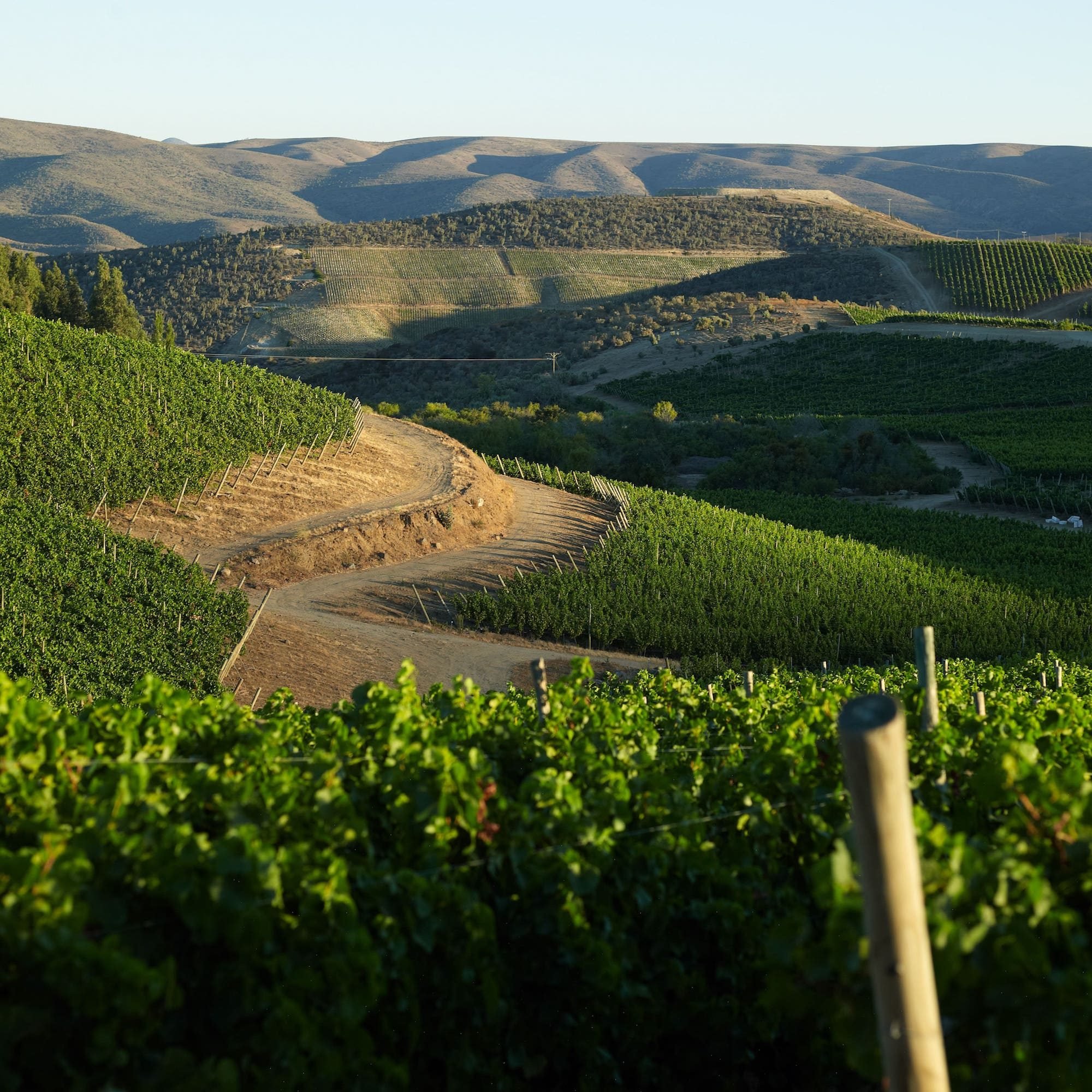
Pisquera Casa Juliá reads like a terroir-forward distillery anchored in the high reaches of the Limarí Valley. The write-up emphasizes altitude, sharp daytime heat and cool nights — conditions that slow fermentation and intensify aromatic compounds — and it locates the pisquera within a drier, gravelly pocket of the valley. That interplay of climate and soil gives the house a considered, provenance-driven character: the description positions the producer among outfits resisting homogenized spirits in favor of single-valley expression. The tone is analytical rather than decorative, aimed at readers who appreciate climate, site and craft.
Best For
This is a stop for anyone focused on wine- and spirits-led education rather than a generic tasting-room outing. The text frames Pisquera Casa Juliá within conversations about denomination, sub-zone distinction and single-valley fruit, making it especially useful for students, sommeliers and curious drinkers who want to read terroir in a glass. The mention of a 2025 Pearl 2 Star Prestige award underscores a credentials-driven appeal: visitors expecting discussions around distillation cuts, varietal muscat character and how Coquimbo’s microclimates shape pisco will get the most from a visit.
Tasting Tips
When sampling or buying from Pisquera Casa Juliá, lean into expressions that emphasize single-valley provenance and varietal character. The description highlights smaller, concentrated muscat-family berries and producers preserving varietal aromatics with lower distillation cuts, so prioritize bottles or tasting pours described as single-valley or estate fruit. Note the mention of the 2025 Pearl 2 Star Prestige award as a quality marker. In tasting, pay attention to aromatic intensity and the interplay of concentrated sugars with cooler-night freshness—the write-up makes clear those are central to what distinguishes this house’s pisco.
Venue details
Ambiance
Traditional and artisanal atmosphere focused on pisco production.
Tags
Vibe
Best For
Experience
View
At the Vineyard
- Appellation
- Valle del Limarí
- Varietals
- Moscatel Rosada, Moscatel de Alejandría
- Visits
- By appointment only
- Wine Club
- Not available
Know before you go
Know Before You Go
- Getting there
- Calle Manuel Antonio Matta s/n, Monte Patria, Coquimbo
Planning details
Location
Also consider
Where to go if this is hard to arrange
If access is difficult, try Viña Tabalí for the easier Ovalle winery fallback. For a similar pisco brief, compare Black Heron Pisco Distillery or Pisco Mal Paso before changing the day's route entirely.
Winery context
How It Compares
Pisquera Casa Juliá is the more specialist choice if the decision is pisco versus wine. Viña Tabalí is the stronger Ovalle pick for a conventional winery day, especially for mixed groups that want a broader wine-country format. Casa Juliá is better for someone who has already done the vineyard route and wants a more focused spirits stop.
For pisco cross-shopping, Pisco Waqar Distillery, Black Heron Pisco Distillery, Pisco Mal Paso, and Fundo Los Nichos are the useful alternatives. Because Casa Juliá has limited public visitor logistics, keep one of those peers as a backup if timing matters, especially for larger groups or a tightly routed valley day.
On value, avoid judging Casa Juliá by an assumed tasting fee or bottle price. The better question is whether a pisco-specific visit is worth a slot in the itinerary. If yes, it deserves a place on the shortlist. If the group wants easier planning, broader appeal, or a more familiar winery rhythm, start with Viña Tabalí instead.
Explore Ovalle
Around this place
Discover more on Pearl
Unlock the full Pisquera Casa Juliá guide in Pearl, including awards, comparisons, FAQs, planning details, and nearby places.
Compare Pisquera Casa Juliá
| Venue | Location | Awards |
|---|---|---|
| Pisquera Casa Juliá | Ovalle | No published awards |
| Pisco Waqar Distillery | Tulahuén | No published awards |
| Black Heron Pisco Distillery | Coquimbo | No published awards |
| Pisco Mal Paso | Vicuña | No published awards |
| Viña Tabalí | Ovalle | No published awards |
| Fundo Los Nichos | Pisco Elqui | No published awards |
How Pisquera Casa Juliá Ovalle compares with similar nearby venues.
FAQ
Frequently Asked Questions
Do I need a reservation at Pisquera Casa Juliá?
Reservation requirements are not available. Plan ahead and confirm current access before you travel to Pisquera Casa Juliá in Ovalle. Details include casual dress and Pearl 2 Star Prestige (2025), so do not assume drop-in availability or a specific booking process.
What other venues should I compare with Pisquera Casa Juliá?
If you are comparing stops, consider Viña Tabalí, Fundo Los Nichos, Black Heron Pisco Distillery, Pisco Waqar Distillery, and Pisco Mal Paso. Confirm each venue's current visit format before building an itinerary, since details such as hours, tours, tastings, or booking requirements are not available for Pisquera Casa Juliá.
Does Pisquera Casa Juliá offer shipping?
Shipping information is not available. Do not plan around remote ordering from Pisquera Casa Juliá unless you have confirmed current purchasing and shipping options directly with the venue.
Does Pisquera Casa Juliá have a membership program?
Membership details are not available. The venue's known details include its Ovalle location, casual dress code, and Pearl 2 Star Prestige (2025) recognition, but not a membership program.
Can Pisquera Casa Juliá handle large groups?
Group capacity is not available. If you are planning with a larger party, confirm visit availability, timing, and any group requirements directly before going to Pisquera Casa Juliá in Ovalle.
How long should I plan for a visit to Pisquera Casa Juliá?
No visit length or program format is available. Treat Pisquera Casa Juliá as a stop that needs direct confirmation before you allocate a fixed amount of time, especially if you are pairing it with Black Heron Pisco Distillery, Pisco Waqar Distillery, Fundo Los Nichos, Pisco Mal Paso, or Viña Tabalí.
When is the best time to visit Pisquera Casa Juliá?
The best time to visit is not available because hours and visit format are not listed. Before traveling within Ovalle, confirm current opening details and any booking requirements with Pisquera Casa Juliá.