
Gut Oggau Winery
Oggau
Winery in Oggau, Austria
 Book with Pearl
The Read
Pannonian Terroir Naturalism
Why go
Book Gut Oggau if wine is the main reason for being in Oggau am See, not if you need a guaranteed food-led visit. The smarter plan is to anchor the day around the winery, keep meal plans separate, and allow enough time for rural Burgenland logistics.
About Gut Oggau Winery
Against a broader Burgenland tasting day, Gut Oggau is the one to plan around if the goal is a winery-led stop rather than a restaurant-led afternoon. Oggau am See sits in the Leithaberg orbit, where the better choice is usually to keep the schedule light: one focused winery visit, then build meals and drinks elsewhere rather than trying to stack too many rural stops into the same day.
The booking case is simple: go if wine is the point of the trip. The available profile does not support treating this as a full dining destination, so anyone returning after a first visit should think less about “what to eat next” and more about how to structure the day around tasting, transport, and enough time before or after for food nearby. For planning around the village, start with our full Oggau Am See wineries guide, then use our full Oggau Am See restaurants guide, our full Oggau Am See bars guide, our full Oggau Am See hotels guide, and our full Oggau Am See experiences guide to avoid overcommitting the same window.
Plan the visit around the wine, not a meal slot
For a regular who has already been once, the smarter repeat visit is a cleaner itinerary: arrive with time, avoid making this the only food plan of the day, and treat any pairing or snack element as secondary unless confirmed directly through the winery’s own channels. The stronger value is in making the tasting the anchor and keeping logistics flexible around Oggau am See and Leithaberg.
If this stop is unavailable, broaden the winery search rather than forcing a like-for-like substitute. Nearby-planning research can start with »der Steiner« Hans Steiner in Podersdorf am See, Achs-Wendelin Weine in Gols, Alexander Koppitsch in Neusiedl am See, A-Nobis Sektkellerei Norbert Szigeti in Zurndorf, and Abfindungsbrennerei Franz in Leithaprodersdorf.
Planning details
- Location
- Hauptstraße 31, 7063 Oggau am Neusiedler See, Burgenland, Austria
- Website
- gutoggau.com
- Phone
- +436642069298
The take
The Take
The Vibe
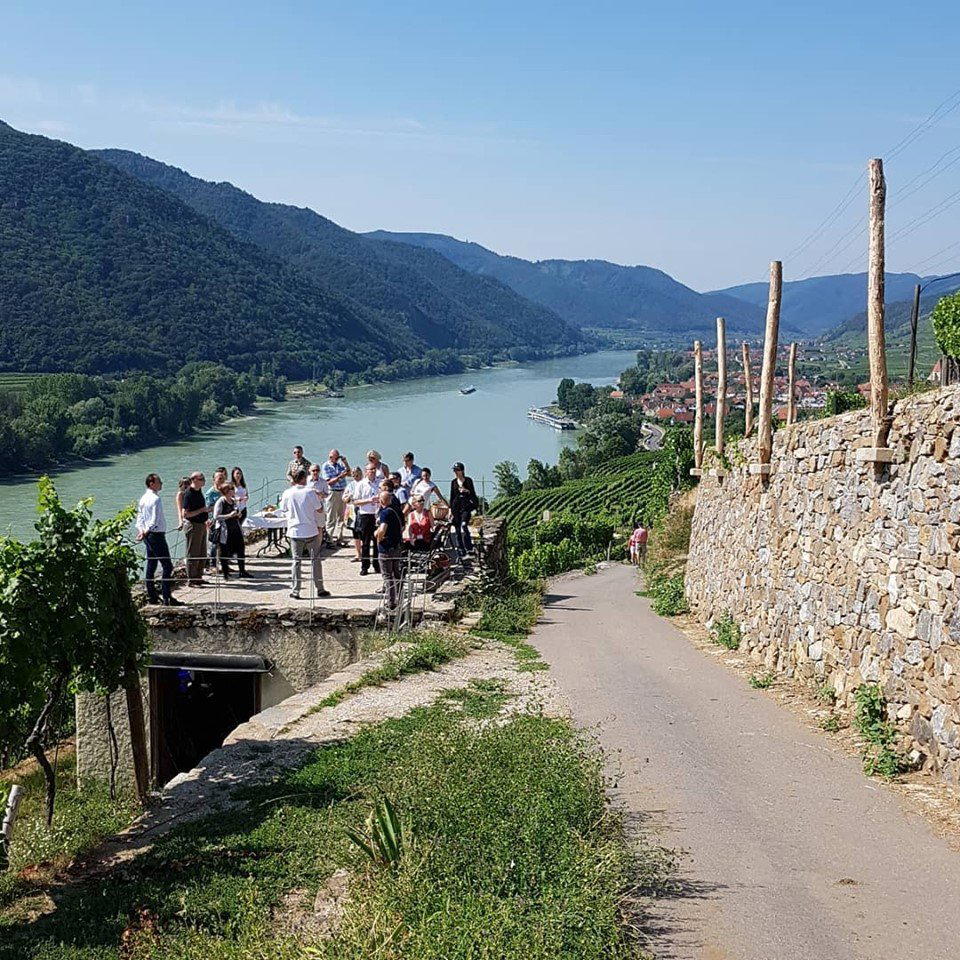
Gut Oggau presents as a quietly celebrated estate where close attention to place shapes every bottle. The winery sits in a small village between the Leithagebirge and the reed-fringed edge of Neusiedler See, and the text foregrounds soil variation, diurnal temperature swings and low‑intervention farming. That technical, terroir-first focus is balanced by a sense of deliberate obscurity: the estate is not a flashpoint of tourism, but a producer whose reputation is built among critics and importers. Recent awards underline the producer’s seriousness, giving the property an understated, sophisticated aura that appeals to committed wine lovers.
Best For
This is a destination for people who want to learn about terroir and contemporary Burgenland winemaking. The copy frames Gut Oggau as part of the region’s natural‑wine conversation and as a property that has made local soils and microclimates legible, making it ideal for wine education and focused tasting visits. Its modest village location and cultivated reputation also suit solo explorers and travelers who prize provenance; the estate’s recognition and stylistic clarity make it a fitting stop for small special‑occasion visits among enthusiasts rather than noisy, mass‑tourism crowds.
Tasting Tips
Expect to orient your visit around the wines and their sites: prioritize estate expressions that highlight the region’s limestone, clay and loam soils, and ask staff about how the Neusiedler See’s thermal influence shapes acidity and ripeness. Given the winery’s emphasis on low‑intervention practices and terroir, favor guided tastings or curated flights that trace vineyard differences rather than single bottles chosen at random. If available, seek out producer commentary or vintage comparisons to better understand the estate’s stylistic approach.
Venue details
Ambiance
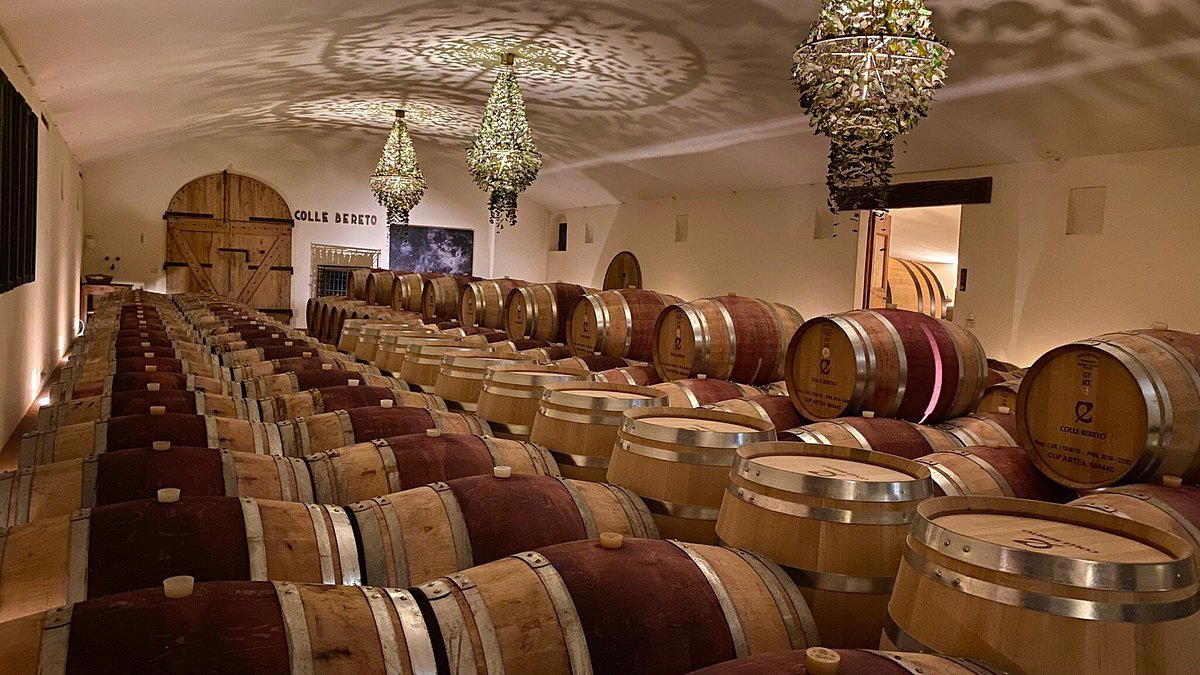
Relaxed and pleasant with high-quality wine in a rustic, scenic vineyard setting.
Tags
Vibe
Best For
Experience
Sourcing
View
At the Vineyard
- Appellation
- Burgenland
- Varietals
- Blaufränkisch, Zweigelt, Grüner Veltliner, Welschriesling, Weissburgunder
- Tour Duration
- 60-90 minutes
- Visits
- By appointment only
- Farming
- Biodynamic
- Production
- Small producer
- Wine Styles
- Still White, Still Red, Still Rose, Skin Contact
- Wine Club
- Not available
Know before you go
Know Before You Go
- Getting there
- Hauptstraße 31, 7063 Oggau am Neusiedler See, Burgenland, Austria
Planning details
Location
Hauptstraße 31, 7063 Oggau am Neusiedler See, Burgenland, Austria · Directions
Recognition and awards

Explore Oggau
Around this place
Discover more on Pearl
Unlock the full Gut Oggau Winery guide in Pearl, including awards, comparisons, FAQs, planning details, and nearby places.
FAQ
Frequently Asked Questions
Do I need a reservation at Gut Oggau?
Plan ahead rather than assuming drop-in access, especially if you are making the trip to Oggau am See specifically for Gut Oggau. The Falstaff Listed (2026) status makes it sensible to treat this as a scheduled winery visit, not a casual detour.
Is the wine club at Gut Oggau worth joining?
Join if you already like buying from the estate and want regular access to bottles from this Burgenland producer. If you only visit once a year, the club is harder to justify than simply buying what you want on each visit to Oggau am See.
What other wineries are near Gut Oggau?
The most relevant nearby wine context is Leithaberg in Burgenland, since Gut Oggau is listed at Oggau am See, Leithaberg, Burgenland, Österreich. For a comparison day, stay within the Leithaberg area rather than planning around a single stop.