

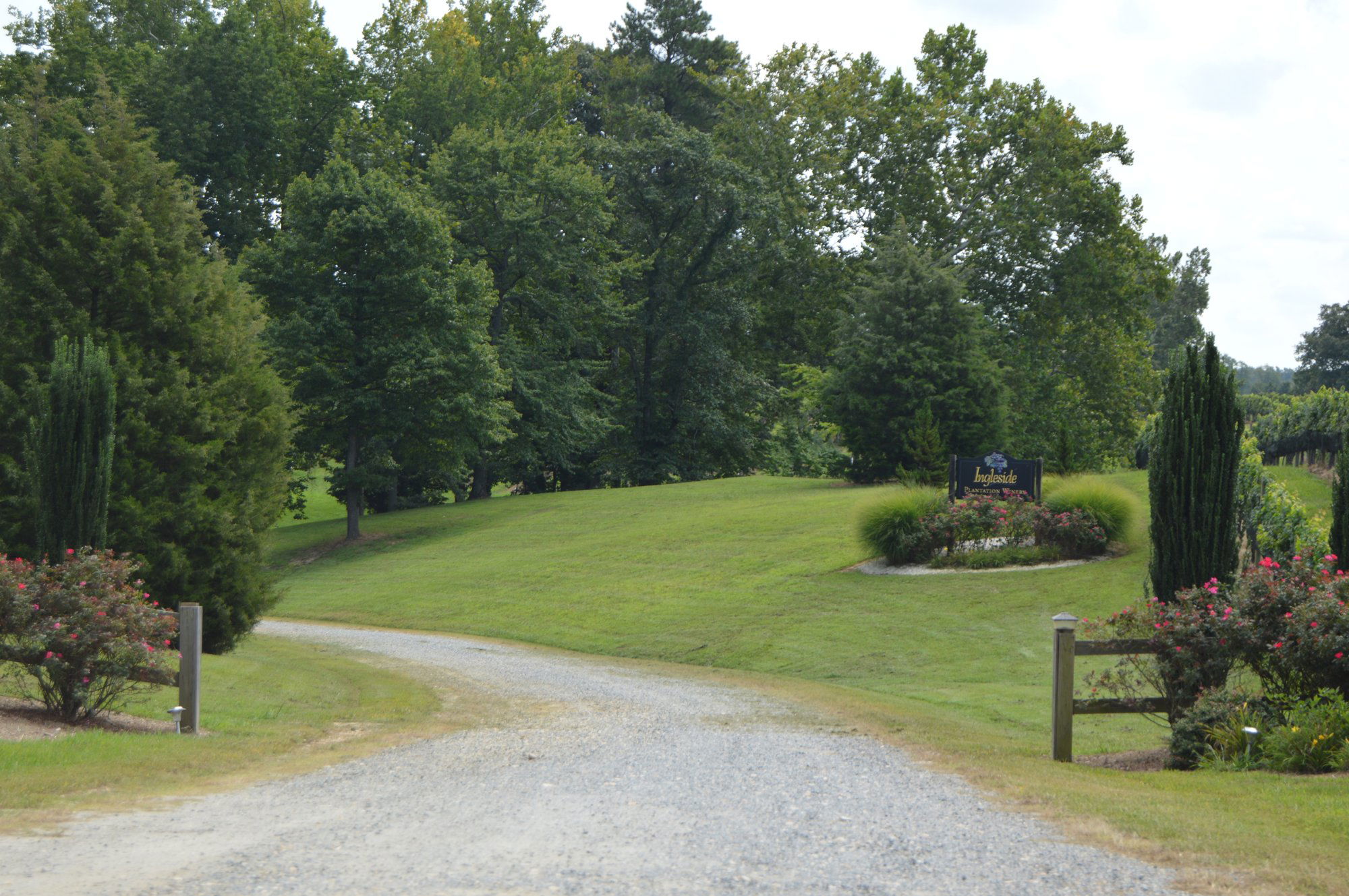
Ingleside Vineyards
Oak Grove
Winery in Oak Grove, United States
 Book with Pearl
The Read
Tidewater Terroir Precision
Why go
Ingleside Vineyards is worth planning as a deliberate Oak Grove winery stop, especially for travelers building a Virginia wine-country route rather than chasing a quick tasting. Go with a small group, leave schedule padding, and confirm practical details before arranging a larger visit.
About Ingleside Vineyards
That is enough to make it worth considering for an Oak Grove itinerary, but not enough to assume specific visit formats, food options, hours, pricing, group policies, or reservation rules without checking directly.
If Ingleside Vineyards is the reason for the trip, confirm current visit details through the venue before building the rest of the day around it. For broader trip building, keep backup options in mind without assuming services at Ingleside Vineyards.
Plan this as the anchor stop, not an add-on
Leave enough flexibility in the schedule, as details on format, available services, hours, and pricing may vary. Treat Ingleside Vineyards as a planned Oak Grove stop and confirm practical details before arrival, especially if timing matters.
The casual dress code makes the baseline planning simple, but it does not answer questions about reservations, group size, menus, or specific services. If anyone in the group needs fixed logistics, confirm them directly with the venue and keep alternative plans available before setting out.
Who should choose this over a broader venue search
Be more cautious if the day depends on specific menus, pricing, hours, or group arrangements, since those details should be confirmed directly.
For readers comparing options, keep the comparison grounded in planning needs rather than assumed service details. Other relevant names to consider include Effingham Manor Winery, Good Luck Cellars, New Kent Winery, Potomac Point Winery & Vineyard, and Saudé Creek Vineyards.
Planning details
- Location
- 5872 Leedstown Rd, Oak Grove, VA 22443
- Website
- inglesidevineyards.com
- Phone
- +1 804-224-8687
The take
The Take
The Vibe
Ingleside Vineyards sits within a quietly pastoral corner of Virginia’s Northern Neck, where tidal creeks, loblolly pines and open farmland set the tone. The writing emphasizes a maritime microclimate rather than a sun-baked valley, so the property feels measured and calm rather than overtly dramatic. The vineyard’s historic agricultural context and its recognition within regional wine circles give the place a composed, understated elegance: rustic textures and scenic views are part of the appeal, but the dominant impression is one of serene, carefully tended countryside where the land’s character informs everything guests experience.
Best For
This is a destination for visitors who want to learn about Virginia viticulture and to appreciate terroir-driven wines. It’s well suited to groups or small parties traveling the Northern Neck wine corridor and to travelers seeking context—how microclimate and site shape grape ripening—rather than just a casual tasting. Visitors who prioritize regional education and thoughtful wine production will find Ingleside rewarding.
Venue details
Ambiance
Relaxed and comfortable with a charming courtyard, indoor fireplace tastings, and peaceful historic setting praised for its welcoming atmosphere.
Tags
Vibe
Best For
Experience
View
At the Vineyard
- Appellation
- Northern Neck George Washington Birthplace AVA
- Varietals
- Petit Verdot, Albariño, Cabernet Sauvignon, Merlot, Sangiovese
- Tour Languages
- English
- Visits
- Walk-ins welcome
- Wine Styles
- Still Red, Still White, Sparkling
- Wine Club
- Not available
Know before you go
Know Before You Go
- Getting there
- 5872 Leedstown Rd, Oak Grove, VA 22443
Planning details
Location
Also consider
Also Consider
- Potomac Point Winery & Vineyard, Notable alternative
- New Kent Winery, Notable alternative
- Effingham Manor Winery, Notable alternative
- Saudé Creek Vineyards, Notable alternative
- Good Luck Cellars, Notable alternative
Winery context
How it compares with nearby Virginia winery options
Ingleside Vineyards is the better pick if Oak Grove is already central to the trip and the goal is a focused winery stop with a quieter, route-based feel. Potomac Point Winery & Vineyard and New Kent Winery make more sense for travelers who want a broader destination-style outing and are willing to build the day around a longer drive.
For groups comparing ease and ambiance, Effingham Manor Winery and Saudé Creek Vineyards are better cross-shops when the setting matters as much as the wine. Good Luck Cellars is the practical alternative to consider if the plan needs a simpler backup in the wider Virginia winery circuit.
The decision is mainly about itinerary shape. Choose Ingleside when Oak Grove is the anchor and the group is small enough to stay flexible. Choose one of the broader peer options when the outing needs more predictable logistics, a larger group plan, or a winery that can carry the full afternoon by itself.
Explore Oak Grove
Around this place
Discover more on Pearl
Unlock the full Ingleside Vineyards guide in Pearl, including awards, comparisons, FAQs, planning details, and nearby places.
Compare Ingleside Vineyards
| Venue | Location | Awards |
|---|---|---|
| Ingleside Vineyards | Oak Grove | No published awards |
| Potomac Point Winery & Vineyard | Stafford | No published awards |
| New Kent Winery | New Kent | No published awards |
| Effingham Manor Winery | Nokesville | No published awards |
| Saudé Creek Vineyards | Lanexa | No published awards |
| Good Luck Cellars | Kilmarnock | No published awards |
How Ingleside Vineyards Oak Grove compares with similar nearby venues.
FAQ
Frequently Asked Questions
When is the best time to visit Ingleside Vineyards?
Confirm current hours and visit details through the venue before finalizing your schedule.
How long should I plan for a visit to Ingleside Vineyards?
A recommended visit length is not specified. If you are pairing Ingleside Vineyards with other stops, leave enough flexibility for travel, check-in, and any current visit format confirmed by the venue.
Are memberships or special programs available at Ingleside Vineyards?
Membership or special-program details are not provided here. If any such option is currently offered, judge it by the venue's terms and by how often you expect to return to Oak Grove.
What other venues are useful to compare with Ingleside Vineyards?
Useful comparison names include Potomac Point Winery & Vineyard, New Kent Winery, Effingham Manor Winery, Saudé Creek Vineyards, and Good Luck Cellars. Use them as planning references, but confirm each venue's current hours, format, and policies directly before building an itinerary.
Do I need a reservation at Ingleside Vineyards?
A specific reservation policy is not detailed.