

Thummerer Winery
Noszvaj
Winery in Noszvaj, Hungary
 Book with Pearl
The Read
Volcanic Terroir Precision
Why go
Thummerer Winery is worth prioritising for a planned Noszvaj tasting if the group wants a serious cellar stop rather than a casual walk-in. The 2025 Pearl 2 Star Prestige signal makes it a stronger first enquiry, but keep Bolyki Winery or Gál Tibor Winery as practical fallbacks if availability is tight.
About Thummerer Winery
Thummerer Winery is a Noszvaj venue with a casual dress code and Pearl 2 Star Prestige recognition in 2025. For travelers choosing among winery stops, the reasons to shortlist it are direct: the venue is in Noszvaj, the dress expectation is casual, and the recognition gives it a clear quality signal.
That does not mean every detail of a visit should be assumed in advance. Tasting formats, walk-in access, group capacity, pricing, food service, and specific wines should be checked directly before building an itinerary around the stop. For comparison, Bolyki Winery is another relevant winery to consider.
Worth targeting when the winery itself is the point
The right guest is someone who wants to include a recognized Noszvaj winery in the plan and is comfortable checking practical details before visiting. Avoid assuming a particular style of service before checking formats, schedules, or capacities. Treat Thummerer Winery as a serious enquiry rather than a guaranteed walk-in plan.
For value, focus first on the Noszvaj setting and Pearl 2 Star Prestige recognition, not on any specific price point or package. Travelers comparing options can keep the search focused on relevant names such as Bukolyi Winery, Gróf Buttler Winery, Tóth Ferenc Pincészet, Gál Tibor Winery, and Bolyki Winery.
Plan the day around Noszvaj, not just the venue
Use Noszvaj as the planning frame. Pairing a winery visit with other Noszvaj plans may make the day easier than trying to build the visit around assumptions.
If this enquiry does not convert, keep the category search practical. Relevant names to check include Bukolyi Winery, Gróf Buttler Winery, Tóth Ferenc Pincészet, Gál Tibor Winery, and Bolyki Winery. Thummerer Winery remains the Noszvaj pick when the priority is a casually dressed winery visit with Pearl 2 Star Prestige recognition in 2025.
Planning details
- Location
- Noszvaj, Szomolyai út 2101/3, 3325
- Website
- thummerer.hu
- Phone
- +36 36 463 269
The take
The Take
The Vibe
Thummerer Winery reads as a terroir-forward, refined estate that lets geology do the talking. The copy emphasizes rhyolite tuff and andesite-rich soils in the Bükk foothills, and positions the address itself as the primary explanation for the wines. That seriousness—paired with a recent 2025 Pearl 2 Star Prestige recognition and the winery's role in Eger's quality resurgence—creates a composed, sophisticated impression. Expect wines that favor structure, mineral austerity and acidity rather than overt fruitiness; the tone is more about discipline and place than showy production.
Best For
Thummerer is best suited to visitors who come to study wine and terroir rather than seek a party atmosphere. The estate orientation and the editorial focus on soil, structure and cellaring make it a natural fit for educational tastings, focused group outings of enthusiasts, and special-occasion visits where the lineage of place and winemaking discipline matter. Guests drawn to Egri Bikavér and other regionally important blends will find context here: the site foregrounds why the wines taste the way they do, which rewards curious palates and collectors thinking about ageability.
Tasting Tips
When engaging with Thummerer's wines, prioritize questions about site and vintage: the copy repeatedly ties character back to volcanic soils and seasonal variation, so ask how specific plots and years express rhyolite tuff and andesite influence. Inquire about Egri Bikavér blends and any prestige-designated bottlings—note the estate's 2025 Pearl award as a benchmark. Because the text highlights acidity and structural backbone, seek bottles with known ageing potential if you plan to cellar, and request guidance from staff on which vintages to drink now versus hold.
Venue details
Ambiance
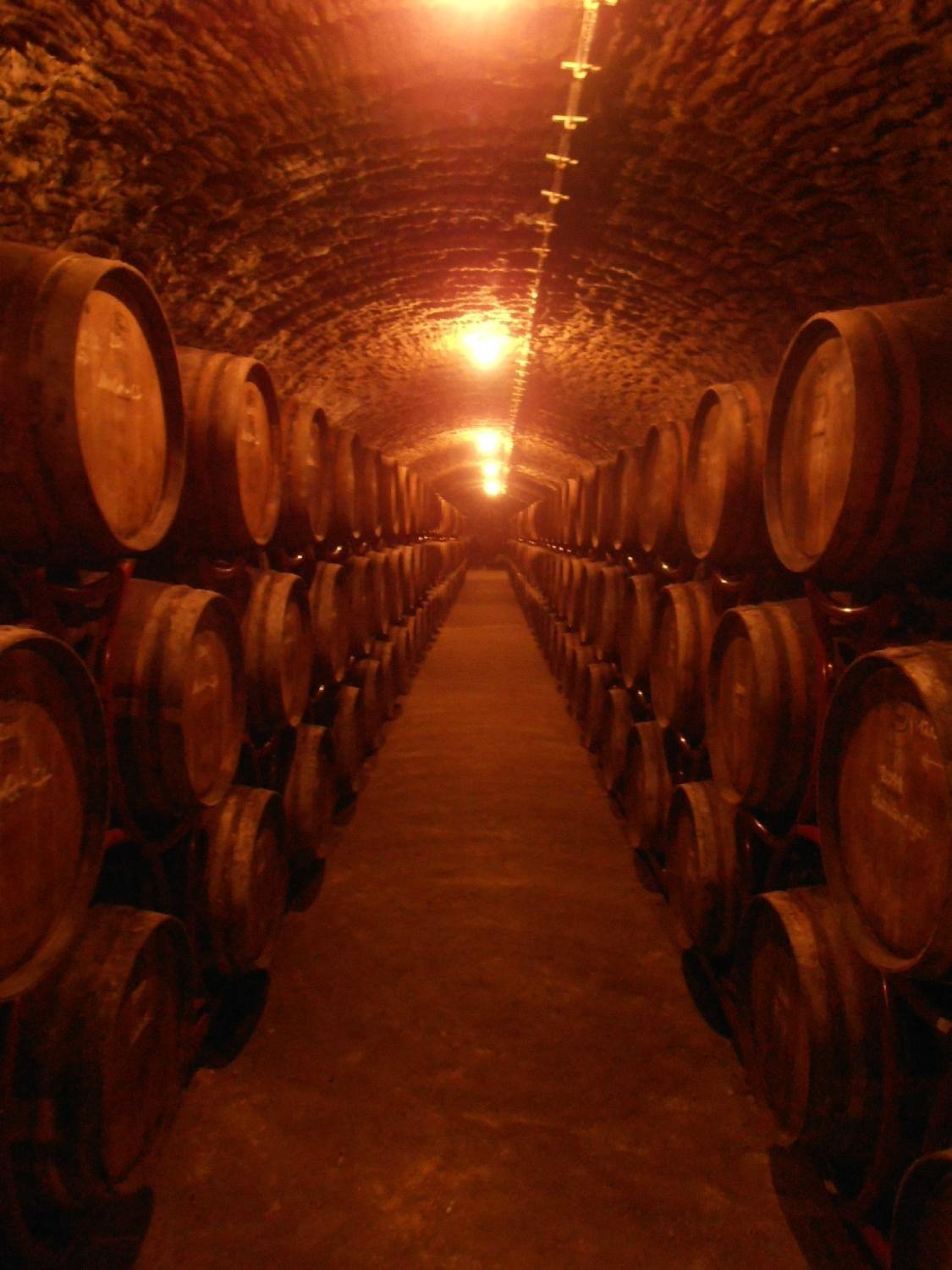
Historic underground cellar atmosphere with noble mold-covered walls, cool volcanic stone surroundings, and traditional winemaking heritage.
Tags
Vibe
Best For
Experience
Sourcing
View
At the Vineyard
- Appellation
- Eger
- Varietals
- Kékfrankos, Cabernet Sauvignon, Cabernet Franc, Merlot, Syrah
- Tour Duration
- 90-120 minutes
- Tour Languages
- Hungarian, English
- Visits
- By reservation
- Farming
- Sustainable
- Wine Styles
- Still Red, Still White, Sparkling
- Food Pairing
- Offered
- Shipping
- Available
- Wine Club
- Not available
Know before you go
Know Before You Go
- Getting there
- Noszvaj, Szomolyai út 2101/3, 3325
Planning details
Location
Also consider
Where to look if this is unavailable
If Thummerer Winery is hard to schedule, try Bolyki Winery for a more group-friendly atmosphere or Gál Tibor Winery if an Eger-based plan is easier. For a quieter Noszvaj-focused backup, check Bukolyi Winery.
Winery context
How it compares in and around Noszvaj
Thummerer Winery is the stronger first enquiry for visitors who want a more serious, appointment-led tasting in Noszvaj. Bolyki Winery is the better cross-shop for a livelier, more casual group mood, while Gál Tibor Winery makes sense if the plan shifts closer to Eger and convenience becomes the priority.
For value, compare confirmed tasting terms before committing. Without published prices here, the safer assumption is that Thummerer is worth booking for confidence and recognition rather than bargain hunting. Tóth Ferenc Pincészet and Gróf Buttler Winery are useful alternatives if the group wants to compare formats before locking a route.
If availability is difficult, do not wait too long on one enquiry. Bukolyi Winery is the practical backup for keeping the day wine-focused near Noszvaj, while Bolyki is the easier recommendation for groups that care more about atmosphere than a quiet tasting structure.
Explore Noszvaj
Around this place
Discover more on Pearl
Unlock the full Thummerer Winery guide in Pearl, including awards, comparisons, FAQs, planning details, and nearby places.
Compare Thummerer Winery
| Venue | Location | Awards |
|---|---|---|
| Thummerer Winery | Noszvaj | No published awards |
| Bukolyi Winery | Eger | No published awards |
| Gróf Buttler Winery | Eger | No published awards |
| Bolyki Winery | Eger | No published awards |
| Tóth Ferenc Pincészet | Eger | No published awards |
| Gál Tibor Winery | Eger | No published awards |
How Thummerer Winery Noszvaj compares with similar nearby venues.
FAQ
Frequently Asked Questions
Is the wine club at Thummerer Winery worth joining?
Ask the venue for current wine club terms before joining. The main draw is the Noszvaj winery itself, with casual dress and Pearl 2 Star Prestige recognition in 2025.
What is the flagship wine at Thummerer Winery?
Do not plan the visit around a single named bottle; focus on Thummerer Winery as a recognized Noszvaj winery.
When is the best time to visit Thummerer Winery?
The best time depends on the winery’s current opening hours and visit format, so check directly with Thummerer Winery before setting a time for a Noszvaj itinerary.
What other wineries are relevant comparisons for Thummerer Winery?
Bukolyi Winery, Gróf Buttler Winery, Bolyki Winery, Tóth Ferenc Pincészet, and Gál Tibor Winery are relevant comparisons. Thummerer Winery is a Noszvaj option with Pearl 2 Star Prestige recognition in 2025.
Can Thummerer Winery handle large groups?
For a larger party, ask Thummerer Winery about capacity and group-visit terms before relying on it for the Noszvaj schedule.
How long should I plan for a visit to Thummerer Winery?
Set aside time only after checking the visit format directly with Thummerer Winery.
Does Thummerer Winery serve food?
If a meal is important, plan separately around Noszvaj dining and ask the winery about any on-site options.