Distilleria Ceschia
Ramandolo, Nimis
Winery in Nimis, Italy
 Book with Pearl
The Read
Schist-Country Distillation
Price
$10–20tasting
Why go
Distilleria Ceschia is worth pursuing for a serious Friuli drinks itinerary, especially if a distillery-focused stop matters more than easy visitor logistics. Booking is the main hurdle, so treat it as a planned anchor rather than a casual Nimis add-on, and keep nearby winery alternatives ready.
About Distilleria Ceschia
Distilleria Ceschia is a Nimis venue with a casual dress code and Pearl 2 Star Prestige recognition for 2025. Practical visitor details, such as hours, pricing, menus, tastings, food service, shipping, or booking format, are not available.
A Nimis stop with limited planning detail
The venue holds 2025 Pearl 2 Star Prestige recognition. The dress code is casual, so there is no need to plan formal attire.
Details for a specific menu, tasting format, visitor hours, prices, seating, accessibility arrangements, dietary accommodations, take-out, delivery, or shipping are not available. Avoid assuming any of those details until you have checked the venue's own current information.
Build the day around Nimis, not assumptions
Given the limited information available, plan Distilleria Ceschia as one potential Nimis stop rather than the sole anchor of a tightly timed itinerary. Keep backup options in mind and confirm logistics before travel.
For broader context, travelers may compare it with other names such as Bastianich, Bepi Tosolini, Domenis 1898, Livio Felluga, and Nonino Distillery. Those comparisons should be used for planning perspective, not as proof that Distilleria Ceschia offers the same services or visitor format.
Verdict: consider Distilleria Ceschia if you are already planning time in Nimis and value a Pearl-recognized venue. Confirm all practical details directly, especially anything involving timing, purchases, tastings, food, or shipping.
Planning details
- Location
- Via Foscolo U., 4/8, 33045 Nimis UD
- Website
- grappeceschia.it
- Phone
- +39 0432 790071
The take
The Take
The Vibe
Distilleria Ceschia sits squarely in Friuli’s hill country, where vine-terraced slopes and centuries-old farming shape both landscape and spirit. The tone is terroir-driven rather than flash; small-scale distilling and a focus on indigenous grapes give the place a quietly classic, intimate feel. The description foregrounds agricultural memory and regional specificity—the stills are part of a long local tradition—so visitors encounter a producer that feels embedded in place and history rather than a commercial showpiece.
Best For
This is a destination for anyone interested in the mechanics and identities of regional distilling. The text emphasizes the distinct character of marc from Verduzzo Friulano and Schioppettino and contrasts Colli Orientali practices with larger commercial producers, so the venue is best for tasting-led visits, comparative sampling and focused learning about grappa and Ramandolo passito wine. It suits visitors who want to understand how specific grape varieties and micro-terroirs translate into distilled spirit profiles.
Tasting Tips
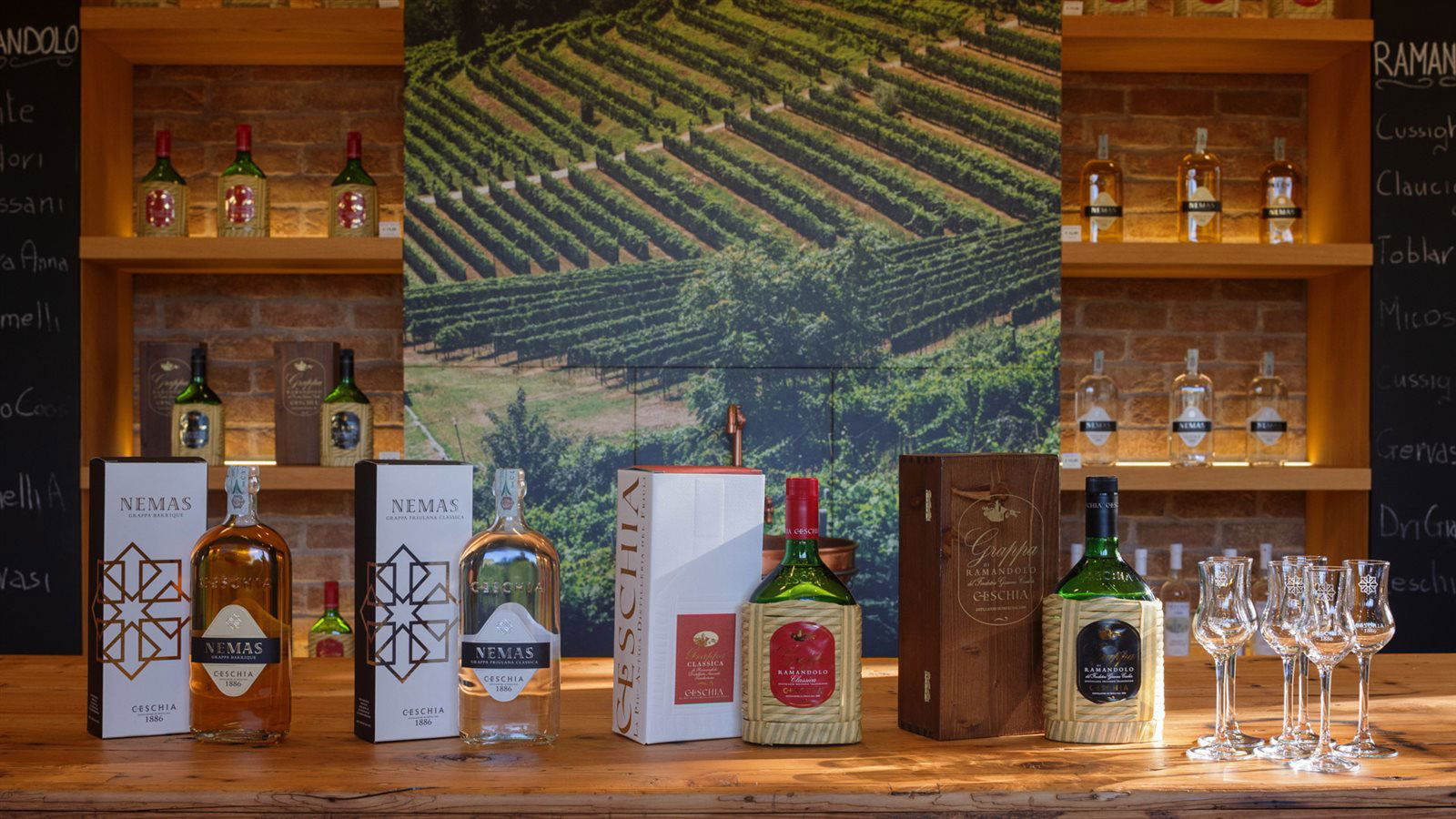
When you visit, prioritize tastings that let you compare marc from different grapes. The write-up highlights Verduzzo Friulano’s floral, dried-fruit register and Schioppettino’s darker, spice-forward tannic structure, so sample both grappas side by side to hear that contrast. Ask where the marc comes from and about the influence of passito grapes on finished spirits; pairing a sip of local Ramandolo (the region’s rare passito wine) alongside the grappas provides useful context for how residual sugar and oxidation carry through distillation.
Venue details
Ambiance
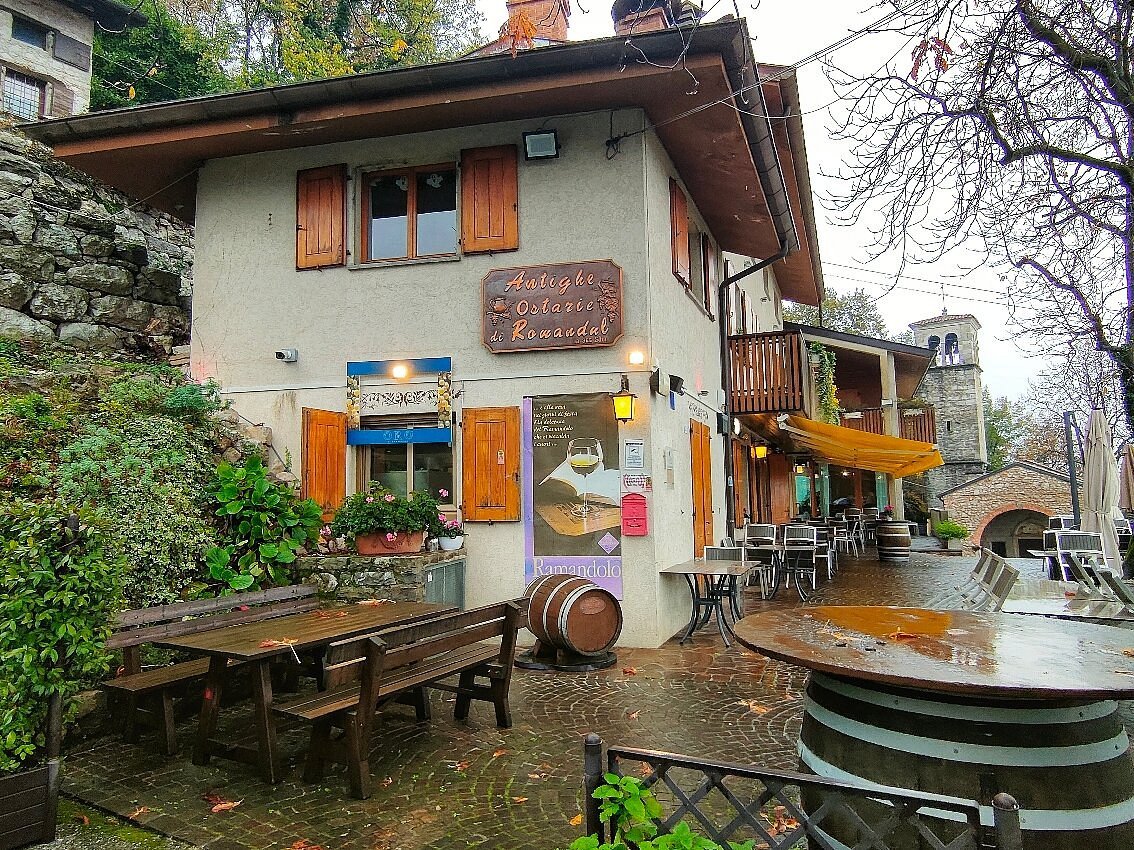
Warm and welcoming atmosphere typical of mountain homes with a fusion of history and innovation.
Tags
Vibe
Best For
Experience
View
At the Vineyard
- Appellation
- Ramandolo DOCG
- Varietals
- Verduzzo friulano
- Tour Duration
- 120 minutes
- Tour Languages
- Italian, English
- Visits
- By reservation
- Food Pairing
- Offered
- Wine Club
- Not available
Know before you go
Know Before You Go
- Getting there
- Via Foscolo U., 4/8, 33045 Nimis UD
Planning details
Location
Also consider
Also Consider
- Bepi Tosolini, Notable alternative
- Domenis 1898, Notable alternative
- Bastianich, Notable alternative
- Livio Felluga, Notable alternative
- Nonino Distillery, Notable alternative
Winery context
Compared with Bepi Tosolini and Domenis 1898, Distilleria Ceschia is the higher-friction choice: better for travelers who want a more targeted producer stop, weaker for anyone trying to keep the day flexible. If ease of planning matters more than scarcity, start with those peers before trying to secure this one.
Bastianich and Livio Felluga make more sense for a classic Friuli wine day, especially if the group includes people who want vineyard context rather than a distillery-led itinerary. Distilleria Ceschia is the sharper pick when the trip needs contrast: spirits-focused depth instead of another winery stop.
Nonino Distillery is the obvious cross-shop for a spirits-oriented route. Choose Nonino first if you want a more widely recognized Friuli distillery name; choose Distilleria Ceschia if the appeal is a harder-to-secure, narrower producer visit in Nimis. For value, the safer move is to hold at least one of these alternatives while working on access here.
Explore Nimis
Around this place
Discover more on Pearl
Unlock the full Distilleria Ceschia guide in Pearl, including awards, comparisons, FAQs, planning details, and nearby places.
Compare Distilleria Ceschia
| Venue | Location | Awards |
|---|---|---|
| Distilleria Ceschia | Nimis | No published awards |
| Bepi Tosolini | Povoletto | No published awards |
| Domenis 1898 | Cividale del Friuli | No published awards |
| Bastianich | Cividale del Friuli | 2026 Falstaff Winery Guide |
| Livio Felluga | Cormons | 2026 Falstaff Winery Guide |
| Nonino Distillery | Pavia di Udine | No published awards |

How Distilleria Ceschia Nimis compares with similar nearby venues.
FAQ
Frequently Asked Questions
Does Distilleria Ceschia offer shipping?
Shipping information for Distilleria Ceschia is not available. Confirm current options directly with the venue before relying on shipping for any purchase. If shipping matters to your plans, you can also compare practical arrangements with Bastianich or Livio Felluga.
Does Distilleria Ceschia serve food?
Food-service information for Distilleria Ceschia is not available. Do not plan it as a meal stop unless the venue directly confirms current food options. For meal planning, look separately at other dining in Nimis.
What is the flagship product at Distilleria Ceschia?
A flagship product or specific item for Distilleria Ceschia is not available. If a particular product is important to your visit, confirm the current offering directly. Nonino Distillery may be another useful comparison for travelers thinking about similar stops.
Is there a membership program at Distilleria Ceschia?
Information about a Distilleria Ceschia membership program or related benefits is not available. Review the venue's current terms directly before joining or planning around any member access. Livio Felluga can be a useful comparison point for travelers evaluating other venues.
When is the best time to visit Distilleria Ceschia?
Visitor hours or seasonal timing for Distilleria Ceschia are not available. The safest approach is to confirm current opening or appointment details directly before traveling to Nimis, especially if you are comparing the stop with Bepi Tosolini or Domenis 1898.
How long should I plan for a visit to Distilleria Ceschia?
Information on visit length, tasting format, or appointment structure for Distilleria Ceschia is not available. Confirm the expected duration directly before adding it to an itinerary, particularly if you are planning multiple stops alongside Nonino Distillery.
What other venues can I compare with Distilleria Ceschia?
Useful comparison names include Bepi Tosolini, Domenis 1898, Bastianich, Livio Felluga, and Nonino Distillery. Use them as planning context only; Distilleria Ceschia may not offer the same services, products, hours, or visitor format.