
Chehalem Winery
downtown Newberg, Newberg
Winery in Newberg, United States
 Book with Pearl
The Read
Willamette Barrel Precision
Price
$20–30tasting
Why go
Chehalem Winery is a strong Newberg choice for visitors who want a focused tasting rather than a loose winery crawl. Book it as a planned stop, especially if considering a private or upgraded format; value-minded groups may find A to Z Wineworks easier, while heritage-focused visitors should also compare Adelsheim Vineyard.
About Chehalem Winery
Chehalem Winery in Newberg is listed with Pearl 2 Star Prestige for 2025 and has a casual dress code. This provides a useful but limited starting point for travelers, suggesting a winery stop that does not require formal attire. The prestige note offers a basic editorial marker rather than a complete description of the experience. Visitors should confirm specific public-facing details such as tasting formats, pricing, hours, food service, shipping, or appointment requirements directly. Because those practical elements can shape the entire rhythm of a wine-country day, plan with flexibility and confirm current arrangements before building a day around the stop.
Chehalem Winery is best used as a Newberg winery reference point rather than as a fully mapped itinerary anchor. In practice, that means leaving room in your schedule, avoiding assumptions about how long a visit will take, and checking any detail that would affect transportation, meals, purchases, or timing. If the stop is part of a broader day in and around Newberg, compare it with other relevant winery names only at a high level. A to Z Wineworks, Adelsheim Vineyard, Argyle Vineyards, Bergstrom Wines, and Ponzi Vineyards are names to consider when shaping a broader wine itinerary, but the exact fit will depend on each venue's current availability and visit format.
Book this as a Newberg winery stop with limited visit details
The safest expectation is simple: Chehalem Winery is a casual-dress Newberg venue with Pearl 2 Star Prestige for 2025. That is enough to place it in the local winery conversation, but not enough to answer the operational questions that often matter most to visitors. If your plans depend on a specific tasting format, timing, price, accessibility need, purchase option, or shipping policy, confirm those details with the winery before you go. Consider any detail not specified by the winery as undetermined until the venue itself clarifies it, especially if you are coordinating a group, arranging transportation, or trying to fit multiple stops into the same day.
A practical way to approach the visit is to keep the known details separate from the unknowns. The known details are concise: Newberg, winery, casual dress code, and Pearl 2 Star Prestige for 2025. The unknowns are the ones that can change the feel of the visit, including whether a tasting is structured or informal, whether food is part of the experience, whether purchases or shipping are handled in a particular way, and whether timing is flexible or fixed. None of those should be assumed. By planning around these core facts and checking the rest directly, you can keep expectations clear without overreading a short listing.
For planning around the city, use Pearl's local guides to fill the rest of the trip: Our full Newberg restaurants guide, Our full Newberg hotels guide, Our full Newberg bars guide, Our full Newberg wineries guide, and Our full Newberg experiences guide. Those surrounding guides are useful because a winery visit rarely stands alone: meals, overnight stays, other tasting rooms, and nearby experiences often determine how comfortable the day feels. If you are comparing winery options, keep Chehalem Winery in context with A to Z Wineworks, Adelsheim Vineyard, Argyle Vineyards, Bergstrom Wines, and Ponzi Vineyards rather than relying on assumptions about service style or visit length. In that comparison, use the same discipline for every stop: confirm current availability, understand the visit format, and let confirmed details guide the final itinerary.
Planning details
- Location
- 31500 NE Bell Rd, Sherwood, OR 97140
- Website
- chehalemwines.com
- Phone
- +1 503-864-3404
The take
The Take
The Vibe
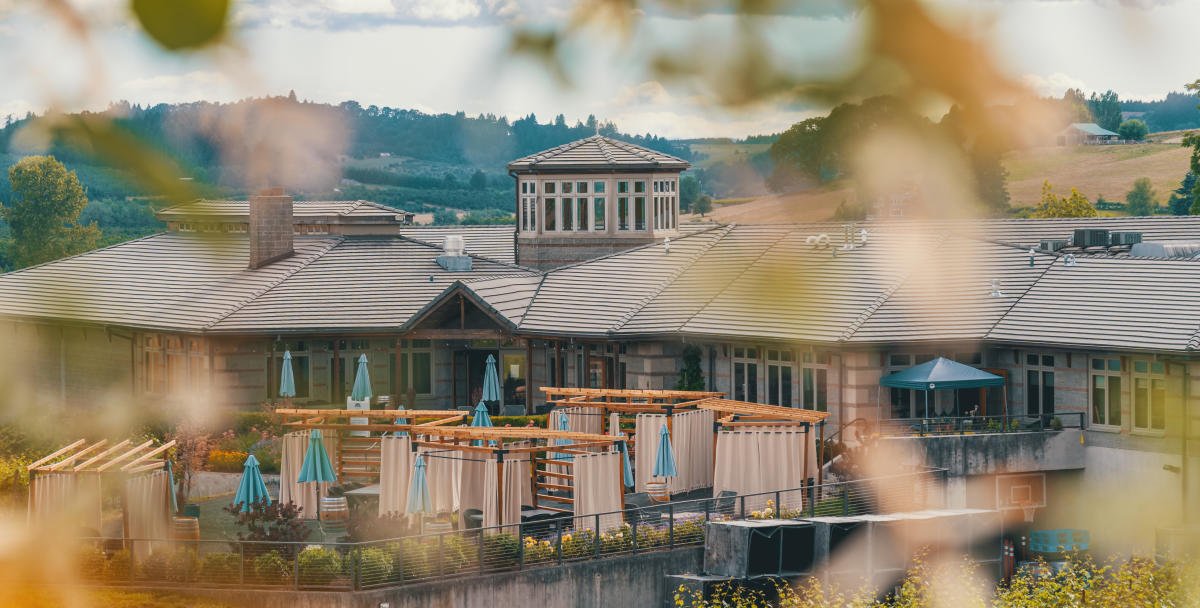
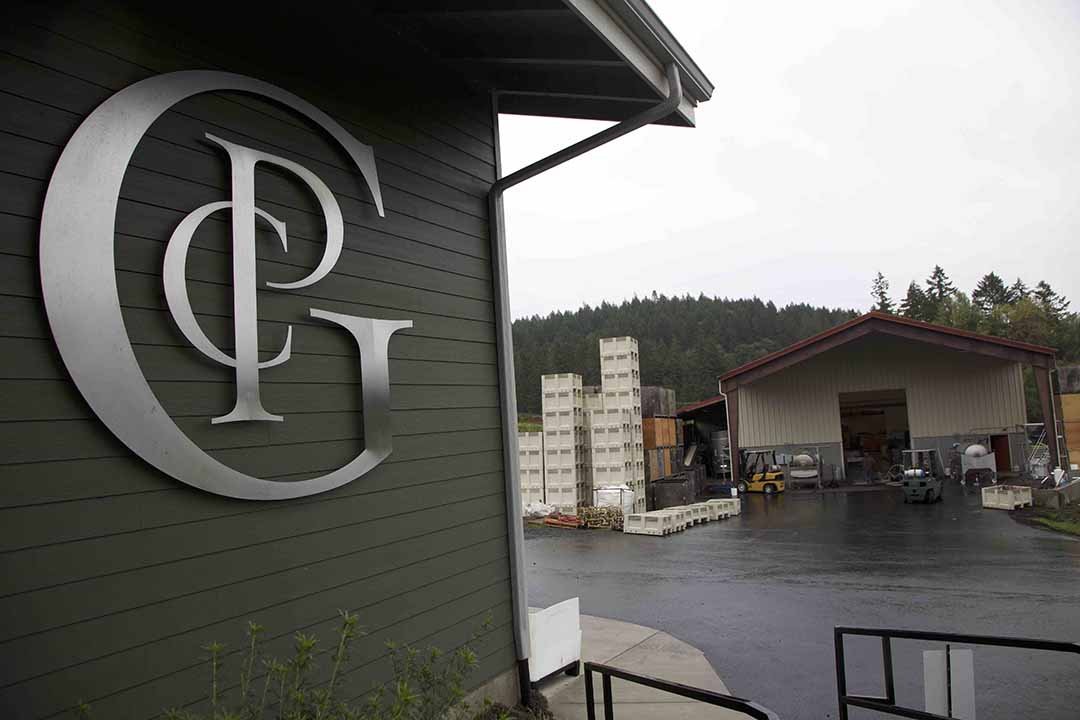
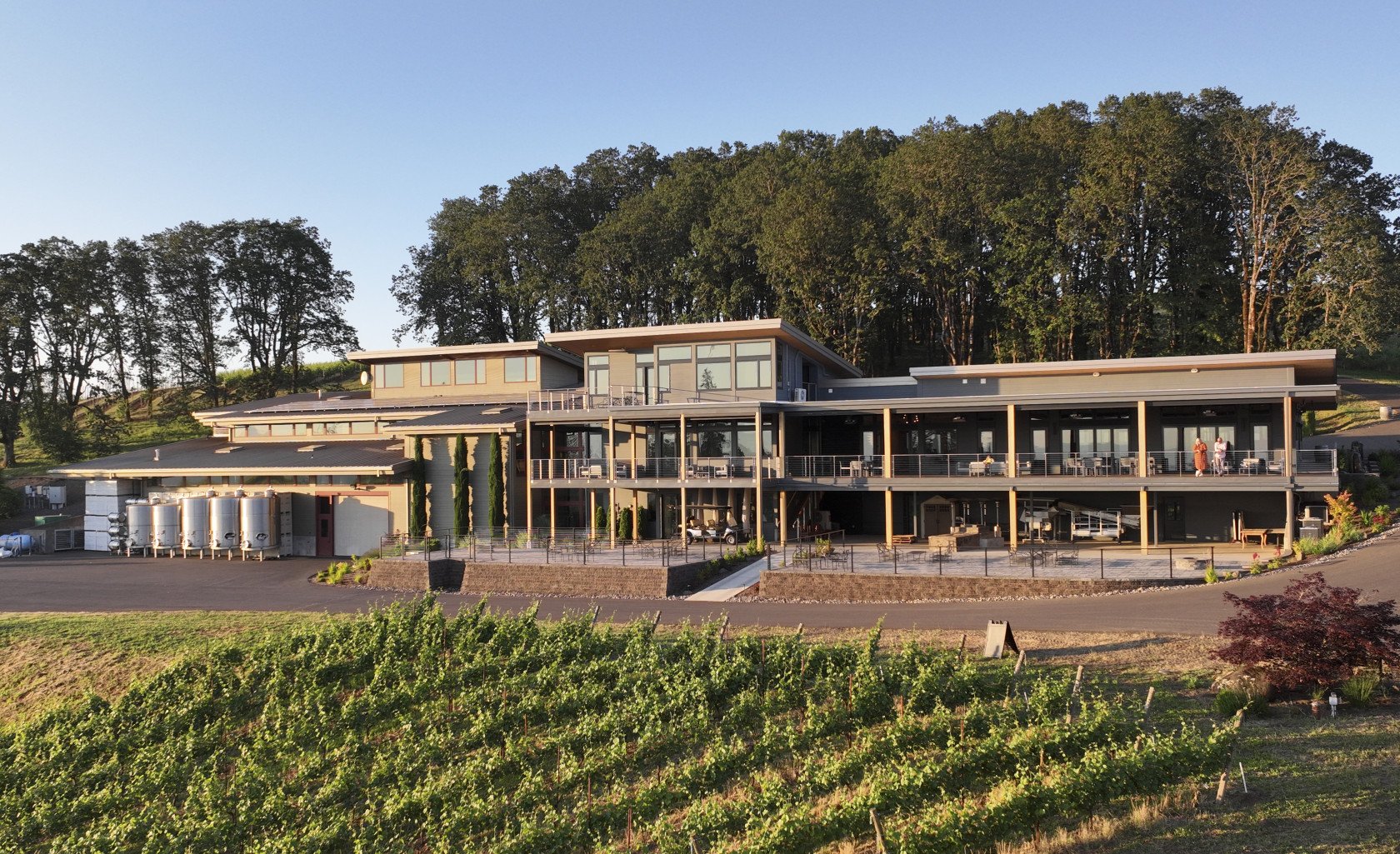
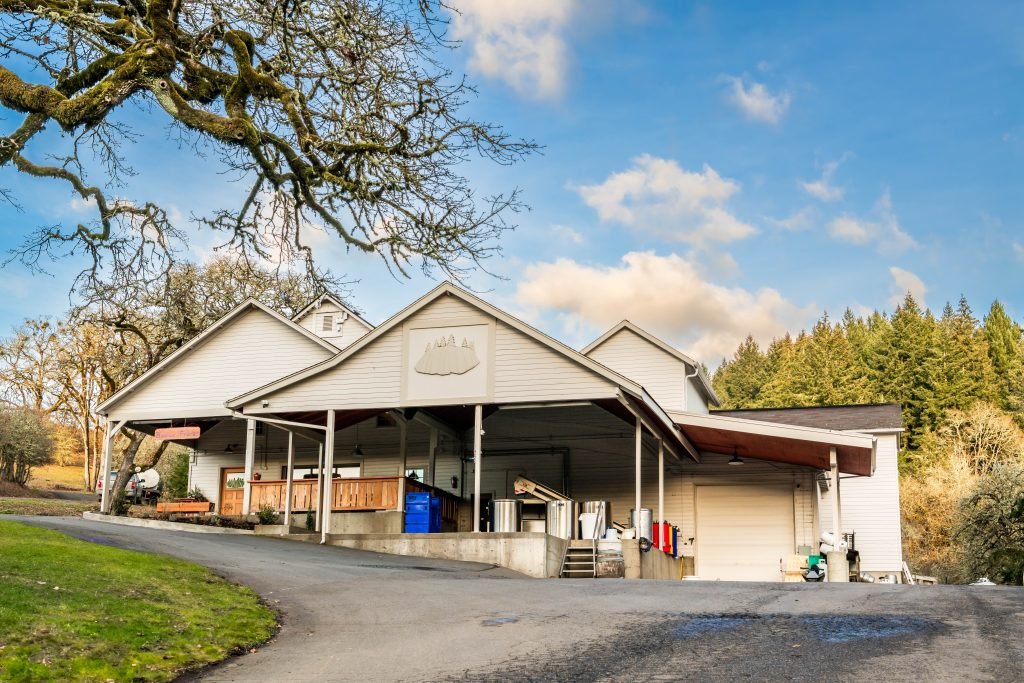
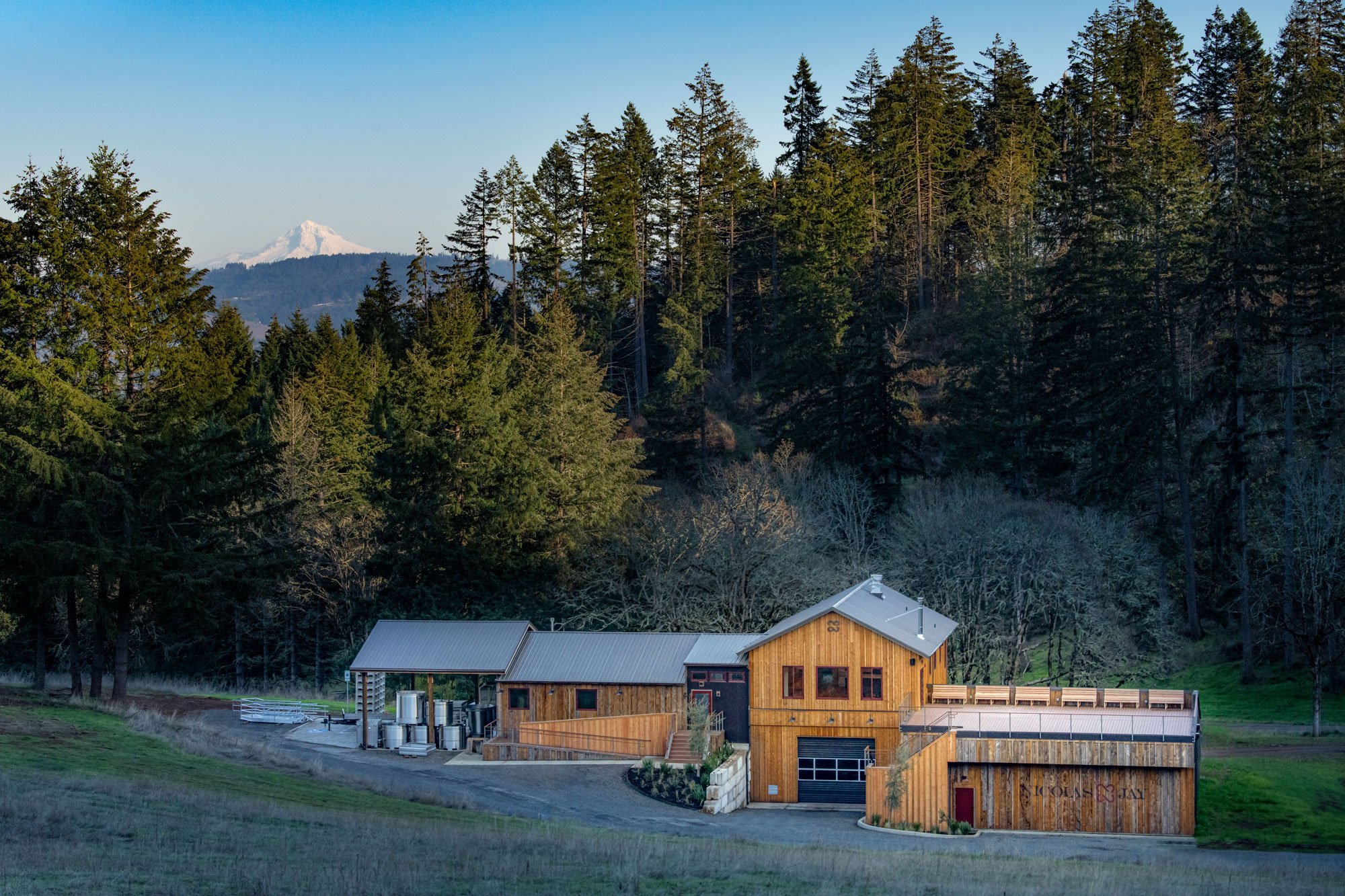
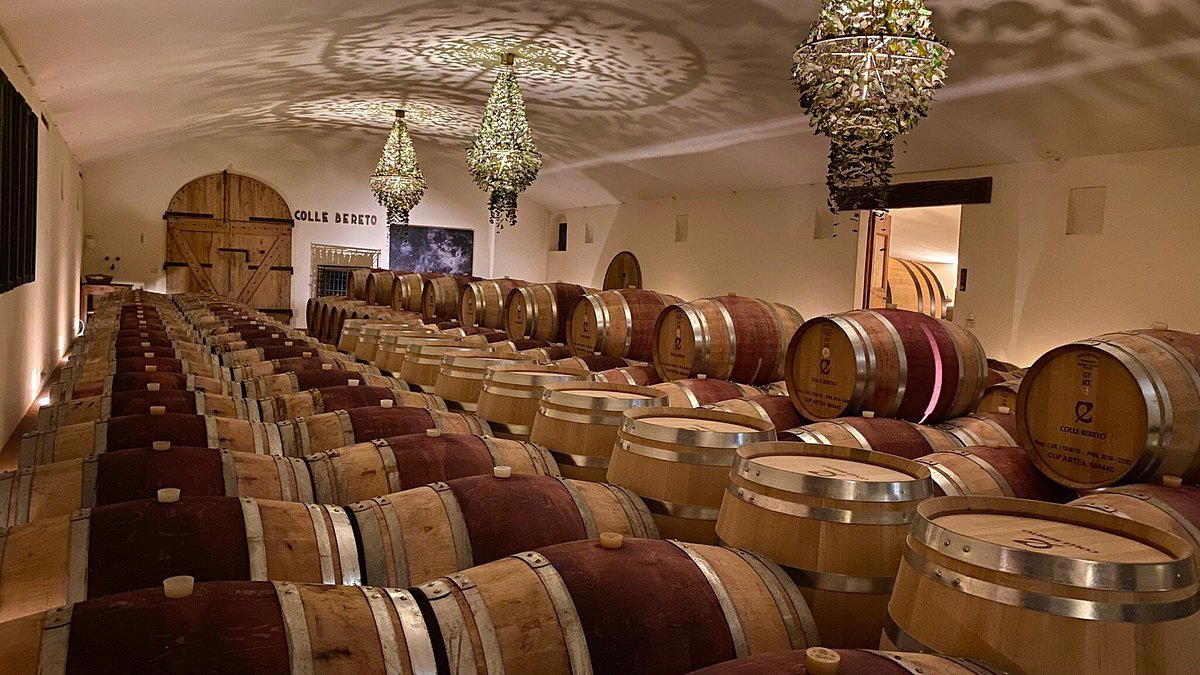
Chehalem Winery presents a restrained, workmanlike Willamette Valley personality: quiet, scenic and focused on what happens after harvest. The tone is agricultural rather than showroom — vineyard rows, barns and processing facilities frame a tasting experience grounded in cellar craft. The writing emphasizes technical choices — site-specific oak programs, barrel selection and soil distinctions — so the atmosphere reads as sophisticated and classic rather than flashy. A Pearl 2 Star Prestige rating signals a producer that balances boutique attention with an approachable scale, making the place feel thoughtfully serious about Pinot Noir and Chardonnay.
Best For
This property is best for visitors who come with curiosity about winemaking and terroir. It suits solo explorers and wine-education seekers who want to dig into the cellar side of production rather than surface-level hospitality. People interested in how barrel regimen and site expression shape Oregon Pinot Noir and Chardonnay will get the most from a visit, as will anyone drawn to the quiet, rural character of vineyards and working estate grounds just outside Newberg and Sherwood.
Tasting Tips
When you engage with staff, focus questions on the winery’s cellar choices: ask about their site-specific oak program and why certain blocks see new French oak versus older barrels. Inquire how Jory and Willakenzie soils influence particular bottlings and which vineyard-designate wines best showcase those differences. Prioritize Pinot Noir and Chardonnay bottlings if you want the clearest expression of the estate’s approach — the description frames Chehalem as a producer where post-harvest decisions make the defining difference.
Venue details
Ambiance
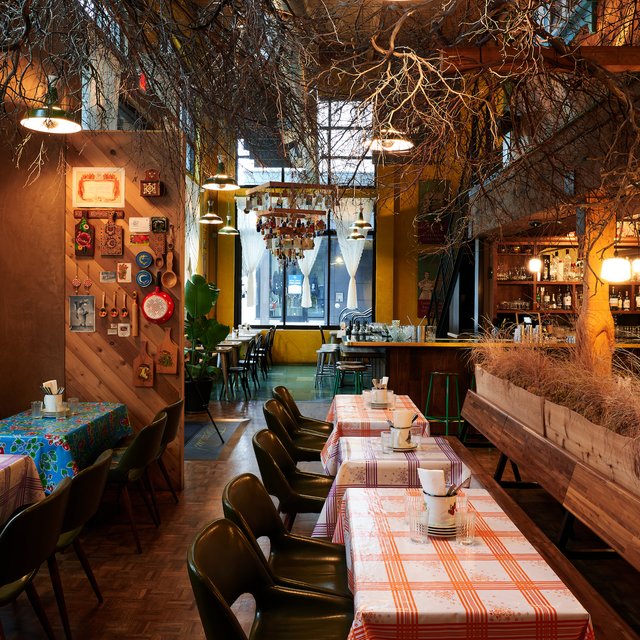
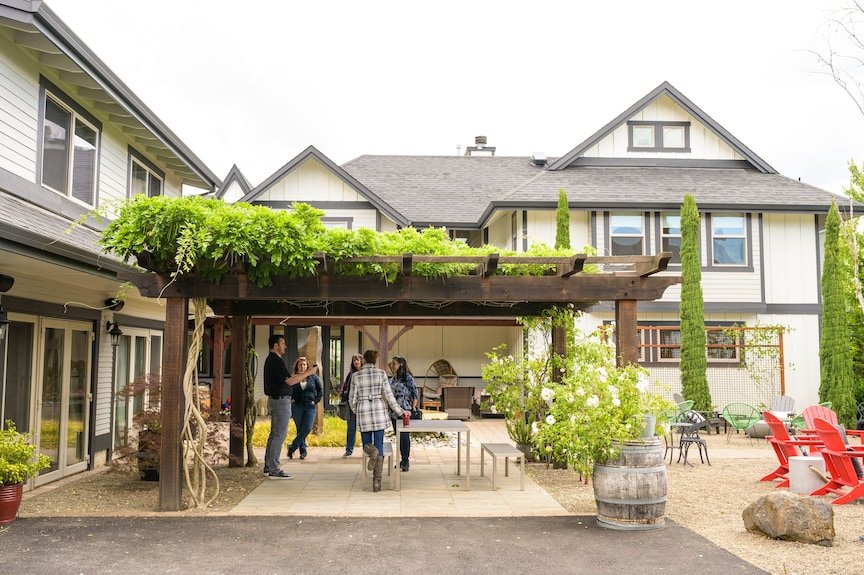
Bright, welcoming tasting room in a historic building with exposed wooden beams, simple decor, and a relaxing outdoor patio area.
Tags
Vibe
Best For
Experience
Sourcing
At the Vineyard
- Appellation
- Willamette Valley AVA
- Varietals
- Pinot Noir, Riesling, Pinot Gris, Chardonnay
- Visits
- By reservation
- Farming
- Sustainable
- Production
- Small producer
- Wine Styles
- Still Red, Still White, Still Rose
- Food Pairing
- Offered
- Wine Club
- Available
Know before you go
Know Before You Go
- Getting there
- 31500 NE Bell Rd, Sherwood, OR 97140
Planning details
Location
Recognition and awards

Also consider
Also Consider
- A to Z Wineworks, Notable alternative
- Ponzi Vineyards, Notable alternative
- Argyle Vineyards, Notable alternative
- Bergstrom Wines, Notable alternative
- Adelsheim Vineyard, Notable alternative
Winery context
How it compares in Newberg
Chehalem Winery is the better fit for visitors who want a more focused appointment in Newberg, while A to Z Wineworks is the safer value play for groups that want a broader, easiergoing tasting. If booking friction matters, start with A to Z before committing the day around Chehalem.
Adelsheim Vineyard is the stronger comparison for heritage-minded visitors, while Bergstrom Wines is better suited to drinkers who want a more serious, producer-led feel. Ponzi Vineyards and Argyle Vineyards are useful cross-shops if the priority is a polished tasting-room experience outside the immediate Newberg core.
For a first Newberg wine day, the practical move is to anchor one appointment here, then add either A to Z for value or Adelsheim for context. Do not stack too many tastings if the goal is to understand the wines rather than just cover names.
Explore Newberg
Around this place
Discover more on Pearl
Unlock the full Chehalem Winery guide in Pearl, including awards, comparisons, FAQs, planning details, and nearby places.
Compare Chehalem Winery
| Venue | Location | Awards |
|---|---|---|
| Chehalem Winery | Newberg | 2026 Falstaff Winery Guide |
| A to Z Wineworks | Newberg | No published awards |
| Ponzi Vineyards | Sherwood | 2026 Falstaff Winery Guide |
| Argyle Vineyards | Dundee | 2026 Falstaff Winery Guide2025 Pearl 4 Star Prestige |
| Bergstrom Wines | Dundee | 2025 Pearl 2 Star Prestige |
| Adelsheim Vineyard | Newberg | No published awards |

How Chehalem Winery Newberg compares with similar nearby venues.
FAQ
Frequently Asked Questions
What other wineries can I compare with Chehalem Winery?
A to Z Wineworks, Ponzi Vineyards, Argyle Vineyards, Bergstrom Wines, and Adelsheim Vineyard are useful comparison names when planning a wine-focused itinerary. Chehalem Winery itself is in Newberg and is listed with Pearl 2 Star Prestige for 2025.
When is the best time to visit Chehalem Winery?
Specific hours and visit timing are not available. Before you go to Chehalem Winery in Newberg, confirm the current schedule and any booking requirements directly with the venue.
Does Chehalem Winery ship wine?
What is Chehalem Winery known for?
Chehalem Winery is a Newberg winery listed with Pearl 2 Star Prestige for 2025. The dress code is casual.