Vice Versa Wines
Napa Valley, Napa
Winery in Napa, United States
 Book with Pearl
The Read
Northern Napa Restraint
Price
$150–200tasting
Why go
Vice Versa Wines is worth pursuing for a serious Napa tasting or special-occasion trip, but only if the group can plan ahead. Treat it as a high-demand Calistoga-area booking rather than a flexible walk-in stop, and have a nearby winery backup ready if timing does not line up.
About Vice Versa Wines
Is Vice Versa Wines worth considering in Napa? The safest read is simple: Vice Versa Wines is a Napa venue with 2 Star Prestige recognition for 2025 and a smart casual dress code. For planning, confirm visit format, pricing, hours, capacity, and reservation requirements directly before making firm plans.
A Napa venue with recognition
Vice Versa Wines is in Napa, carries 2 Star Prestige recognition for 2025, and has a smart casual dress code. That makes it a venue to keep on the shortlist for guests who want a more polished Napa outing, while avoiding assumptions about the exact structure of the experience.
Confirm pricing, visit format, hours, and visitor capacity directly before making firm plans. For value, the key question is not whether a particular format is promised, but whether the availability, timing, and current visit details fit the occasion.
How to think about the booking before committing
Before committing, contact Vice Versa Wines directly to confirm availability, timing, group fit, dress expectations, and what is currently offered. The dress guidance is smart casual, so guests should plan for a polished but not formal Napa visit.
If you are comparing options, consider Vice Versa Wines alongside Bennett Lane Winery, Carter Cellars, Chateau Montelena Winery, Newton Vineyard, and Tamber Bey Vineyards, or look more generally at other dining and wine options in the region. Keep the itinerary flexible until the current details are confirmed with the venue.
Planning details
- Location
- 3475 CA-128, Calistoga, CA 94515
- Website
- viceversawine.com
- Phone
- +17079685620
The take
The Take
The Vibe
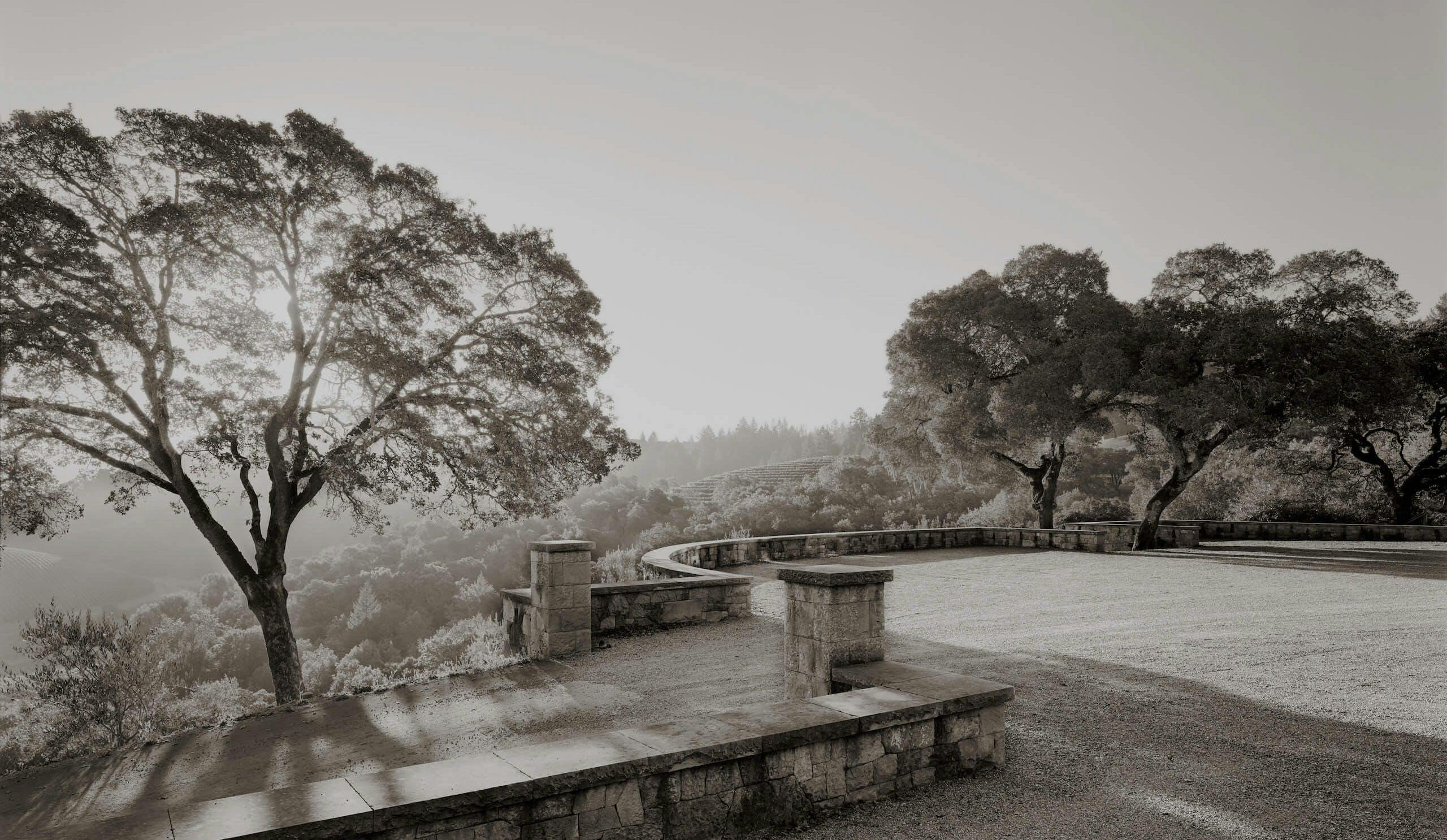
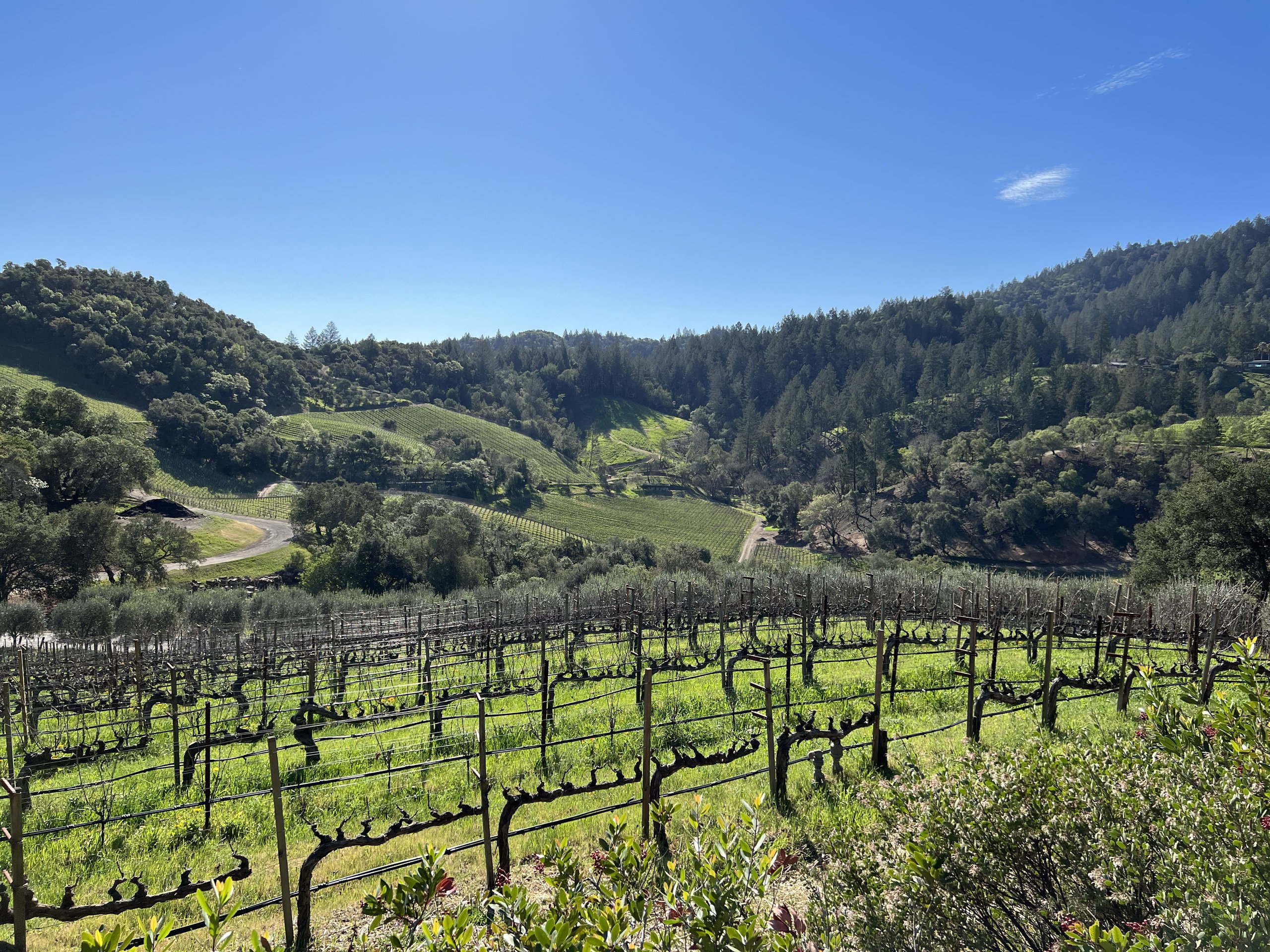
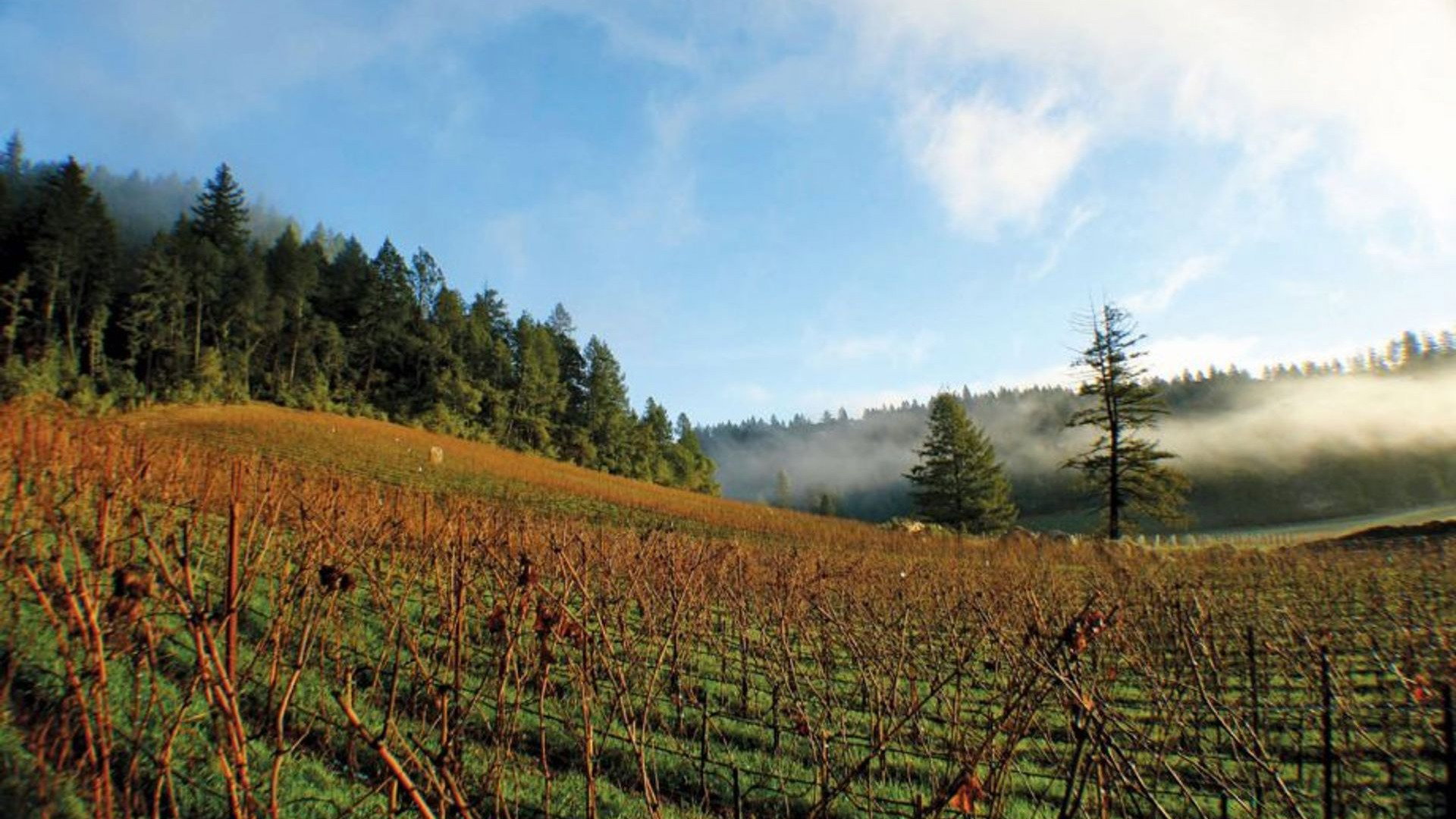
Vice Versa Wines reads like a boutique, site-focused producer tucked along the northern stretch of CA-128. The copy emphasizes a smaller scale and a deliberate distance from Napa’s mass-market tasting-room model, positioning the winery as the kind of operation that prizes vineyard expression over spectacle. The geography—where hills press closer and volcanic soils shape ripening—infuses the place with a quietly serious personality. A 2025 Pearl 2 Star Prestige recognition further cements that sense of craft and quality rather than volume, so visitors encounter a concentrated, terroir-driven tone rather than a tourist-focused showpiece.
Best For
This winery is best for guests who come with a wine-focused agenda: collectors, curious tasters, and people interested in how Calistoga’s volcanic soils and strong diurnal swings influence wines. The write-up highlights age-worthy Cabernet programs and a broader range of varieties grown for site specificity, so it favors visitors who want context and nuance rather than a high-volume, walk-up tasting. Its smaller-scale operation and accolade-driven positioning make it an appealing stop for those who prioritize quality, focused conversation with producers, and thoughtful bottle purchases.
Tasting Tips
Given the emphasis on site specificity and age-worthy Cabernet programs, steer toward the producer’s red program and any bottlings tied explicitly to Calistoga sites or volcanic soils. The profile signals limited production and a boutique peer set, so ask about current allocations or library releases and consider securing bottles during a visit. Because the winery distances itself from mass-market tasting-room practices, plan for a focused tasting—ask about vineyard sources, vintage differences, and cellar potential to get the most out of the appointment.
Venue details
Ambiance
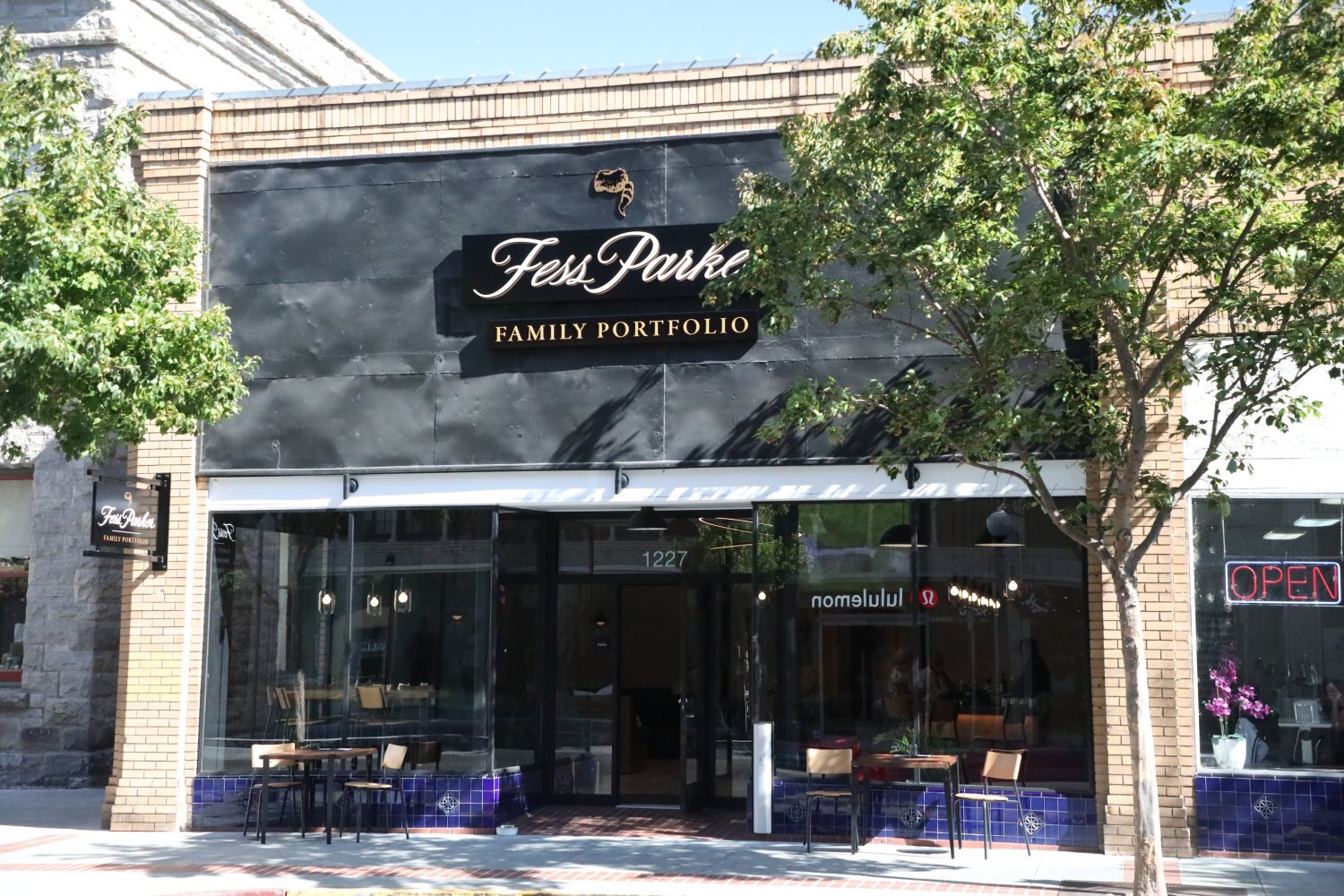
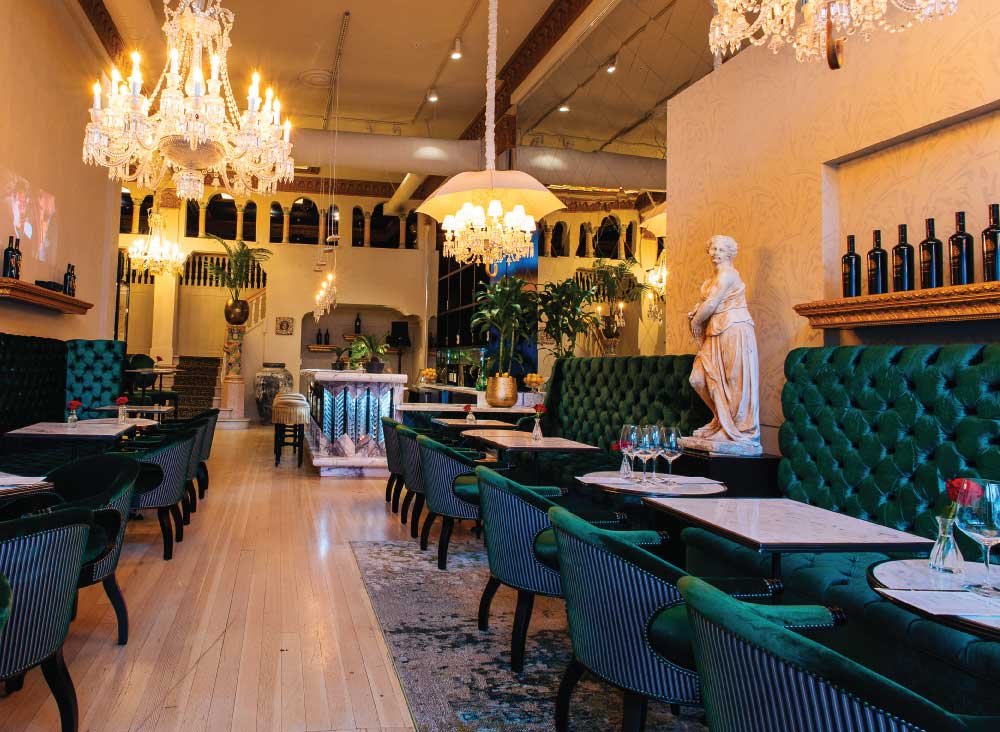
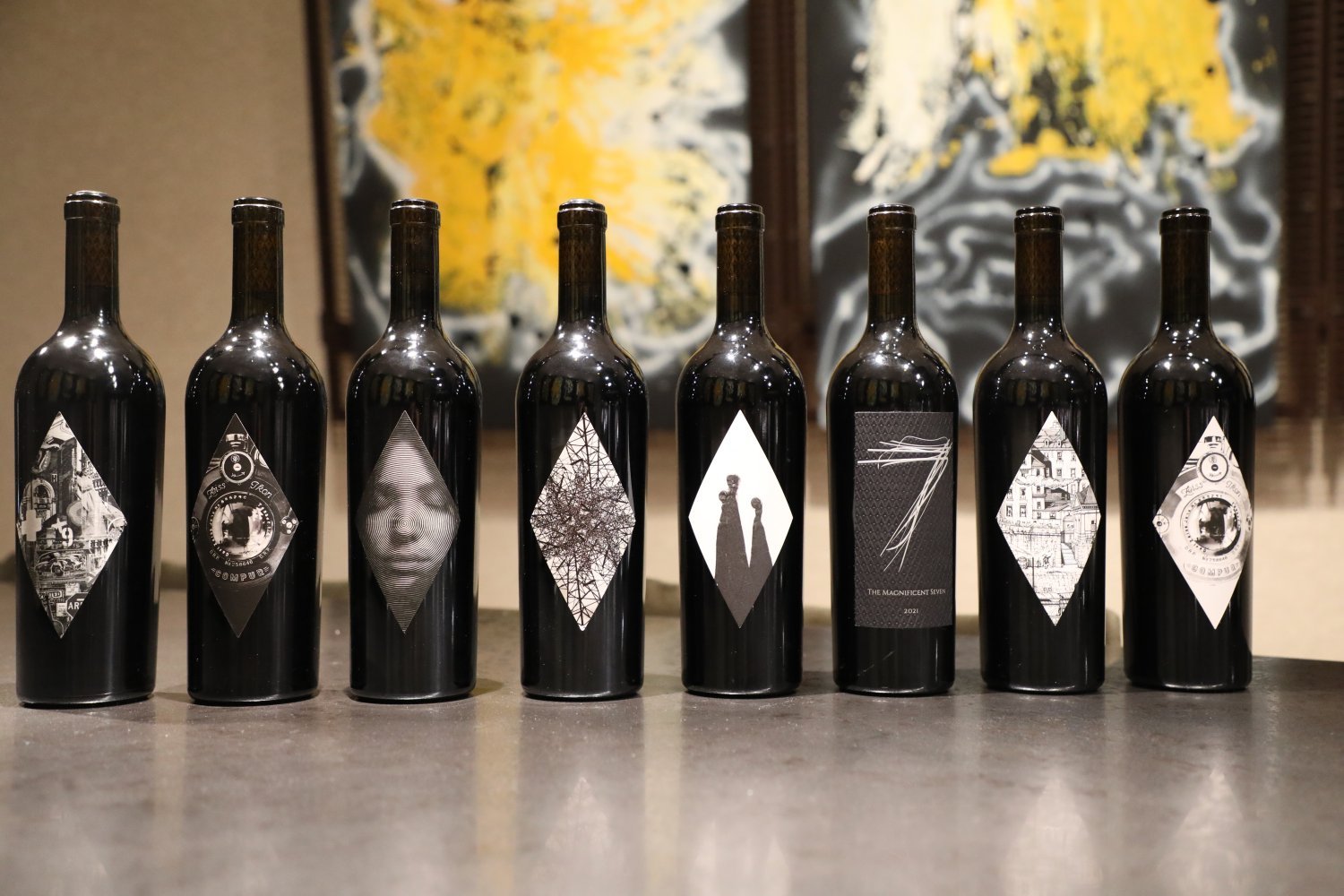
Refined and focused tasting environment emphasizing precision winemaking and terroir expression, with an artistic sensibility reflected in monochrome label design.
Tags
Vibe
Best For
Experience
Sourcing
View
At the Vineyard
- Appellation
- Napa Valley
- Varietals
- Cabernet Sauvignon, Cabernet Franc
- Visits
- By appointment only
- Farming
- Sustainable
- Wine Styles
- Still Red
- Shipping
- Available
- Wine Club
- Available
Know before you go
Know Before You Go
- Getting there
- 3475 CA-128, Calistoga, CA 94515
Planning details
Location
Also consider
If You Cannot Get In
Try Carter Cellars if the group is serious about Napa wine and less dependent on a broad estate visit. Choose Tamber Bey Vineyards when the priority is an easier group-friendly winery plan.
Winery context
How It Compares
Choose Vice Versa Wines when the priority is exclusivity and a more appointment-driven Napa tasting. Compared with Bennett Lane Winery and Tamber Bey Vineyards, it reads as the harder booking and the better fit for a celebration where the tasting itself is the centerpiece. Those peers are easier fallback candidates for groups that need more scheduling flexibility.
Newton Vineyard and Chateau Montelena Winery are stronger choices if the group wants a more recognizable Napa estate visit with a clearer sense of visitor infrastructure. Carter Cellars is the closer cross-shop for serious collectors who are less focused on scenery and more focused on the wine conversation.
For value, the decision comes down to access. If a confirmed tasting includes the kind of hosted structure your group wants, Vice Versa Wines is the splurge-style pick. If the group needs predictable logistics, Bennett Lane Winery or Tamber Bey Vineyards are safer substitutes.
Around this place
Discover more on Pearl
Unlock the full Vice Versa Wines guide in Pearl, including awards, comparisons, FAQs, planning details, and nearby places.
Compare Vice Versa Wines
| Venue | Location | Awards |
|---|---|---|
| Vice Versa Wines | Napa | No published awards |
| Bennett Lane Winery | Calistoga | No published awards |
| Newton Vineyard | Calistoga | 2026 Falstaff Winery Guide2025 Pearl 3 Star Prestige |
| Tamber Bey Vineyards | Oakville | No published awards |
| Carter Cellars | Calistoga | No published awards |
| Chateau Montelena Winery | Calistoga | 2026 Falstaff Winery Guide2025 Pearl 3 Star Prestige |


How Vice Versa Wines Napa compares with similar nearby venues.
FAQ
Frequently Asked Questions
What other venues can I compare with Vice Versa Wines?
Bennett Lane Winery, Newton Vineyard, Tamber Bey Vineyards, Carter Cellars, and Chateau Montelena Winery are relevant comparison points to consider when planning a wine itinerary. Confirm current location, availability, and visit details directly with each venue before finalizing plans.
Do I need a reservation at Vice Versa Wines?
Confirm reservation requirements, availability, and booking details directly before planning around a visit. Vice Versa Wines has 2 Star Prestige recognition for 2025.
What is Vice Versa Wines known for?
Vice Versa Wines is a Napa venue recognized with 2 Star Prestige in 2025. The dress code is smart casual.