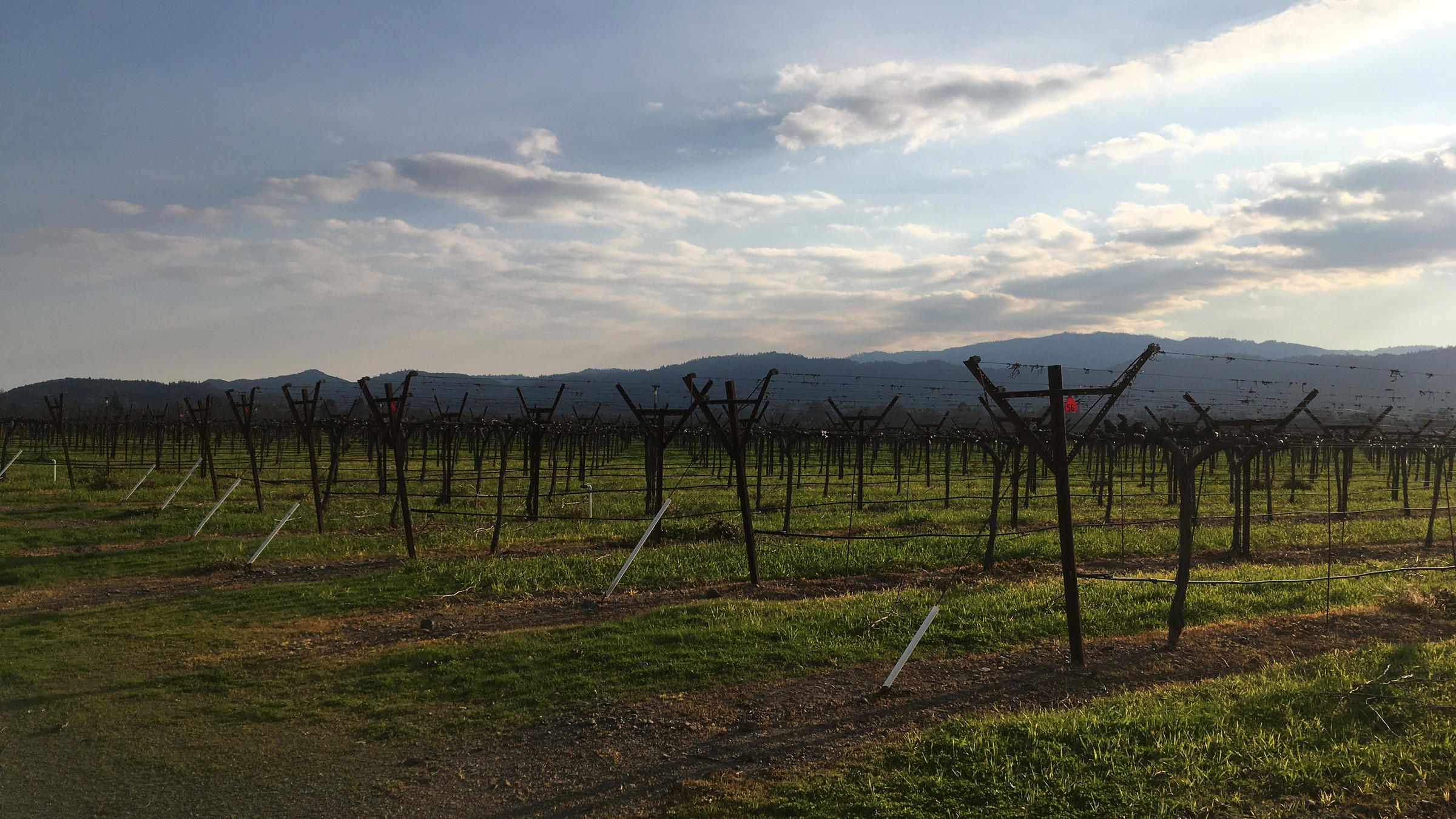

Promontory Winery
Oakville, Napa
Winery in Napa, United States
 Book with Pearl
The Read
Allocation-Tier Oakville Cabernet
Price
$200–300tasting
Why go
Promontory Winery is worth targeting if the goal is a serious Oakville estate visit rather than a quick Napa tasting stop. With Cory Empting as winemaker and a first vintage in 2009, it suits collectors and wine-focused travelers who care about site, context, and a slower appointment.
About Promontory Winery
Promontory Winery is a Napa venue with Pearl 4 Star Prestige recognition for 2025. For planning, focus on the core details: the venue is in Napa, Cory Empting is listed as winemaker, and the dress code is smart casual.
Book this into a Napa plan if you are looking for a premium winery stop and are comfortable checking visit details directly before you go. Service format, menu, price, schedule, and reservation policy are details to check with Promontory Winery rather than assumptions to build around.
The recognition is the reason to give it serious consideration
For travelers building a Napa day, Promontory Winery is best approached as a deliberate stop. Its Pearl 4 Star Prestige recognition gives it a clear premium signal, while the rest of the planning details should be checked directly with the winery.
The practical caution is to avoid over-planning around assumptions. Do not assume a particular duration, structure, food offering, price, or walk-in availability from this guide alone. Use the basics, Napa location, smart casual dress code, Cory Empting, and Pearl 4 Star Prestige (2025), as the reliable frame.
How to build the rest of the Napa day around it
Keep the rest of the day simple. Use broader Napa planning resources, then layer meals and lodging from Our full Napa restaurants guide, Our full Napa hotels guide, Our full Napa bars guide, and other Napa experiences. For more cross-shopping, compare it with Detert Family Vineyards, Far Niente Winery, Futo Estate, Paradigm Winery, and The Mascot.
Quick reference: choose Promontory Winery when you want a premium Napa winery stop with Pearl 4 Star Prestige recognition, and check any visit-specific details directly before making firm plans.
Planning details
- Location
- 1601 Oakville Grade Rd, Oakville, CA 94562
- Website
- promontory.wine
- Phone
- +1 707-944-0125
The take
The Take
The Vibe
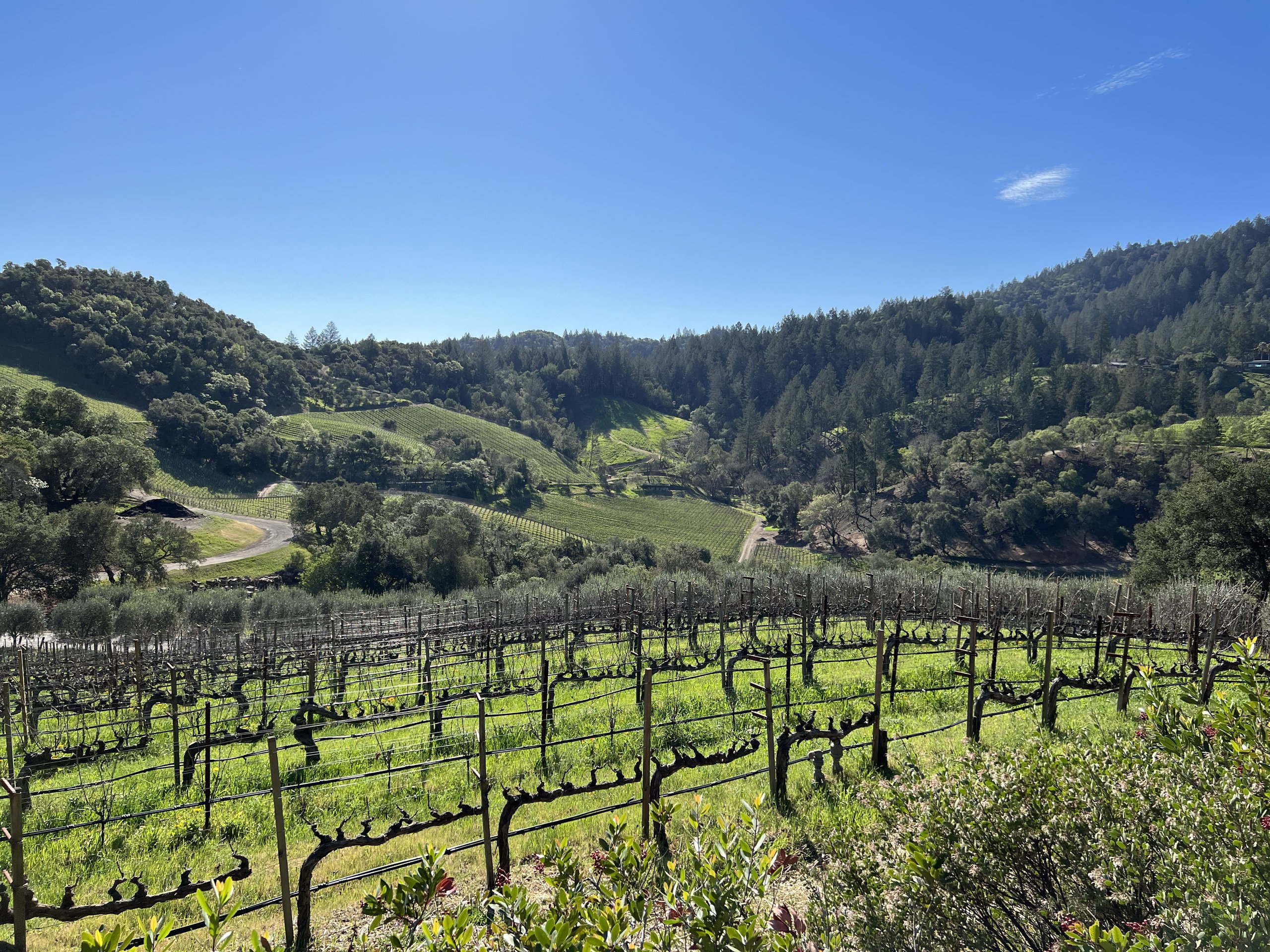
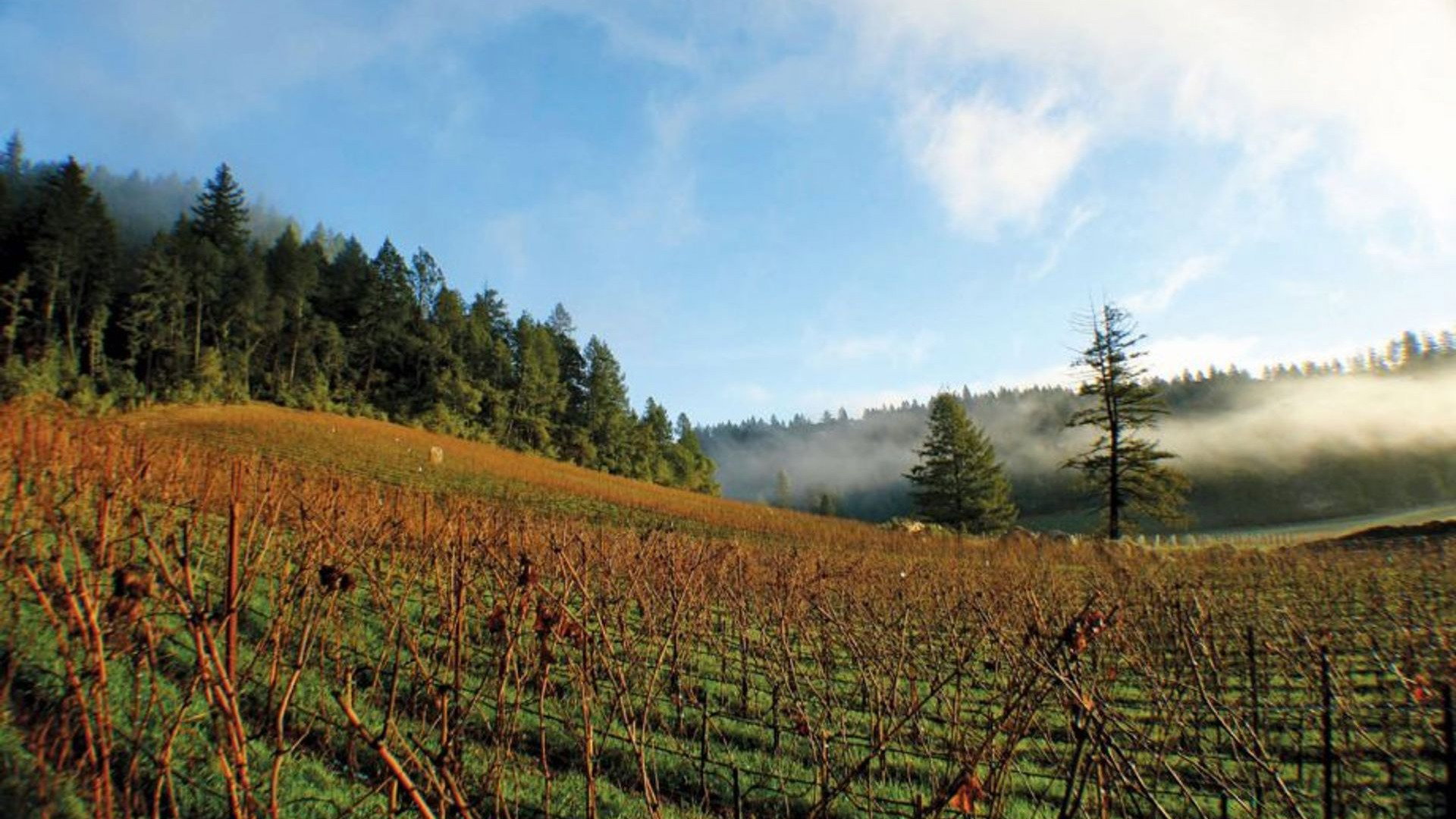
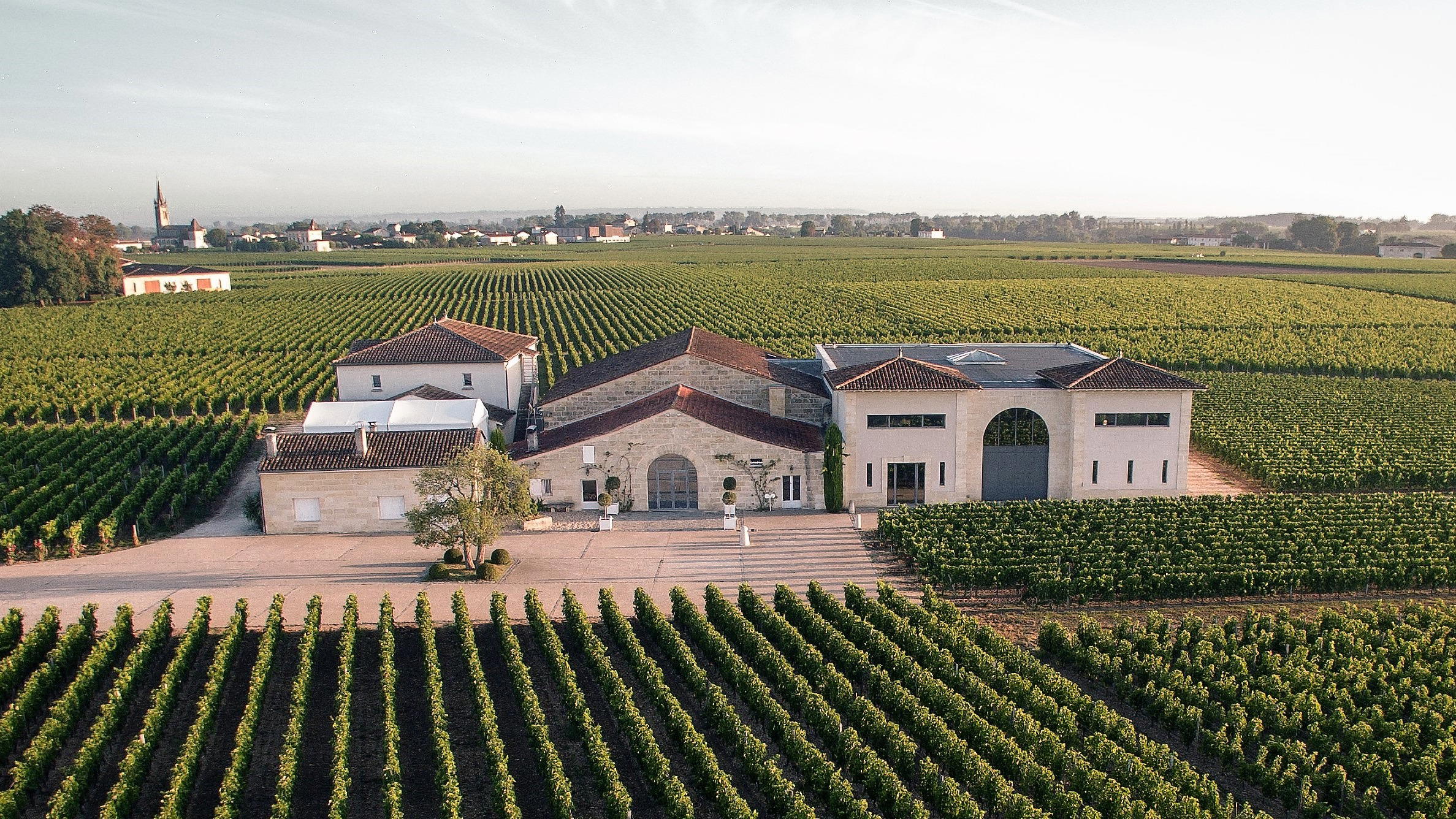
Promontory presents as a refined, classic Napa estate anchored to the Oakville Grade. The writing emphasizes site specificity—elevation, aspect and rocky soils—that compress yields and concentrate flavor, and the winery’s small allocations and consistent terroir expression give it a quietly authoritative presence. This is not a bustling tourist stop but a measured, collector-oriented property where restraint in the cellar and a steady run of age-worthy vintages define the experience. The tone is serious and understated: prestige derived from place and practice rather than flash.
Best For
Promontory is best for collectors, serious Cabernet enthusiasts and anyone seeking upper-tier Napa bottlings rather than a casual tasting-room visit. The estate’s small allocations, track record under winemaker Cory Empting and its Pearl 4 Star Prestige rating signal that visitors who care about vintage variation, provenance and cellar potential will get the most out of a visit. It suits quiet, focused tastings and special-occasion purchases—guests who prioritize structure, longevity and terroir expression over trend-driven offerings.
Tasting Tips
Focus on the site-driven Cabernet expressions and allocated-release bottlings when available; the profile here emphasizes concentrated fruit and structure that reward cellaring. Ask about recent and earlier vintages—Promontory’s run since its 2009 first vintage is part of its appeal—and inquire whether allocation lists or mailing-list releases are relevant to access. Because the property is presented as collector-focused, prioritize single-vineyard or estate-designate wines and discuss ageability and recommended cellar time with staff rather than seeking casual, lower-priced pours.
Venue details
Ambiance
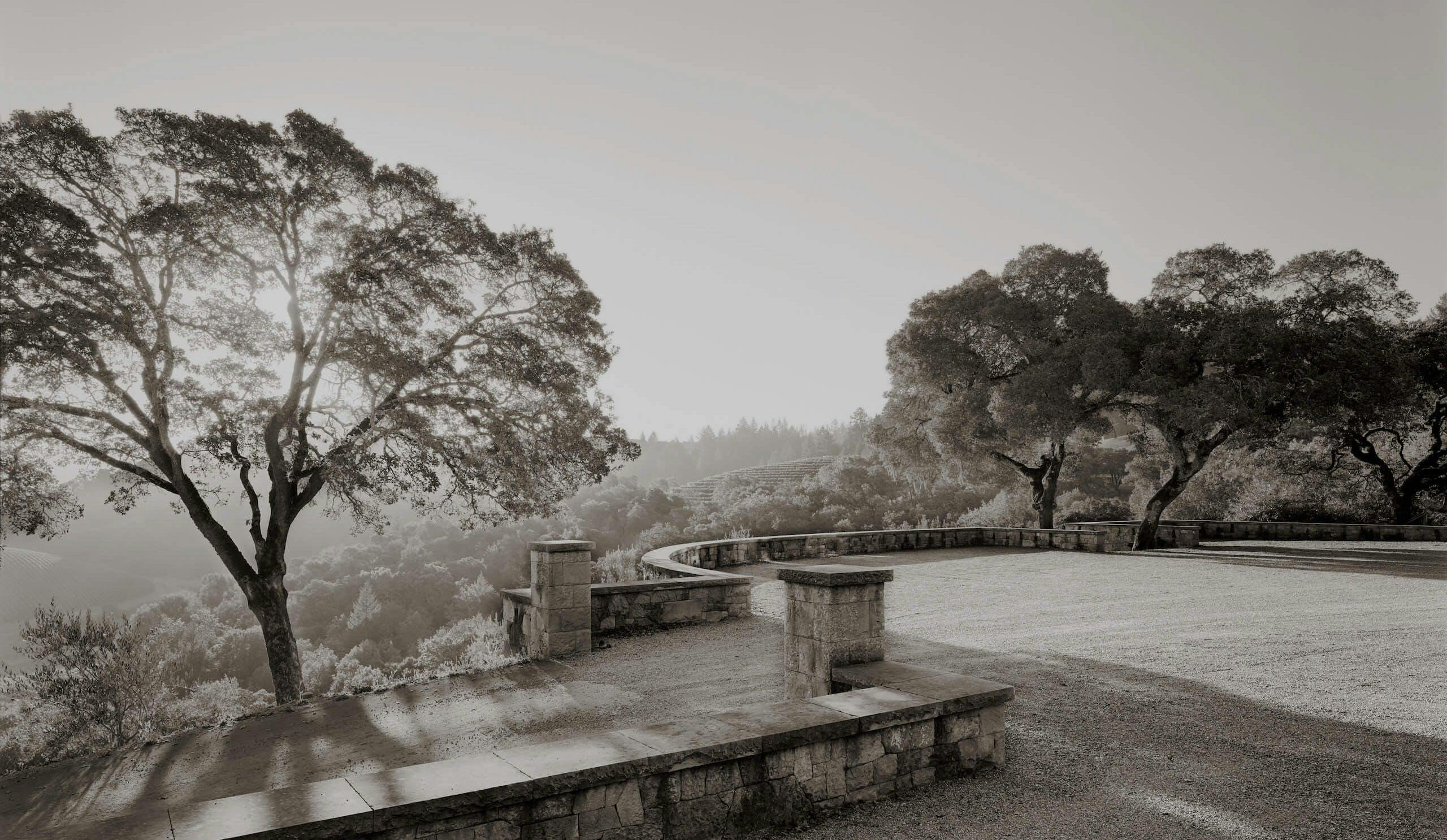
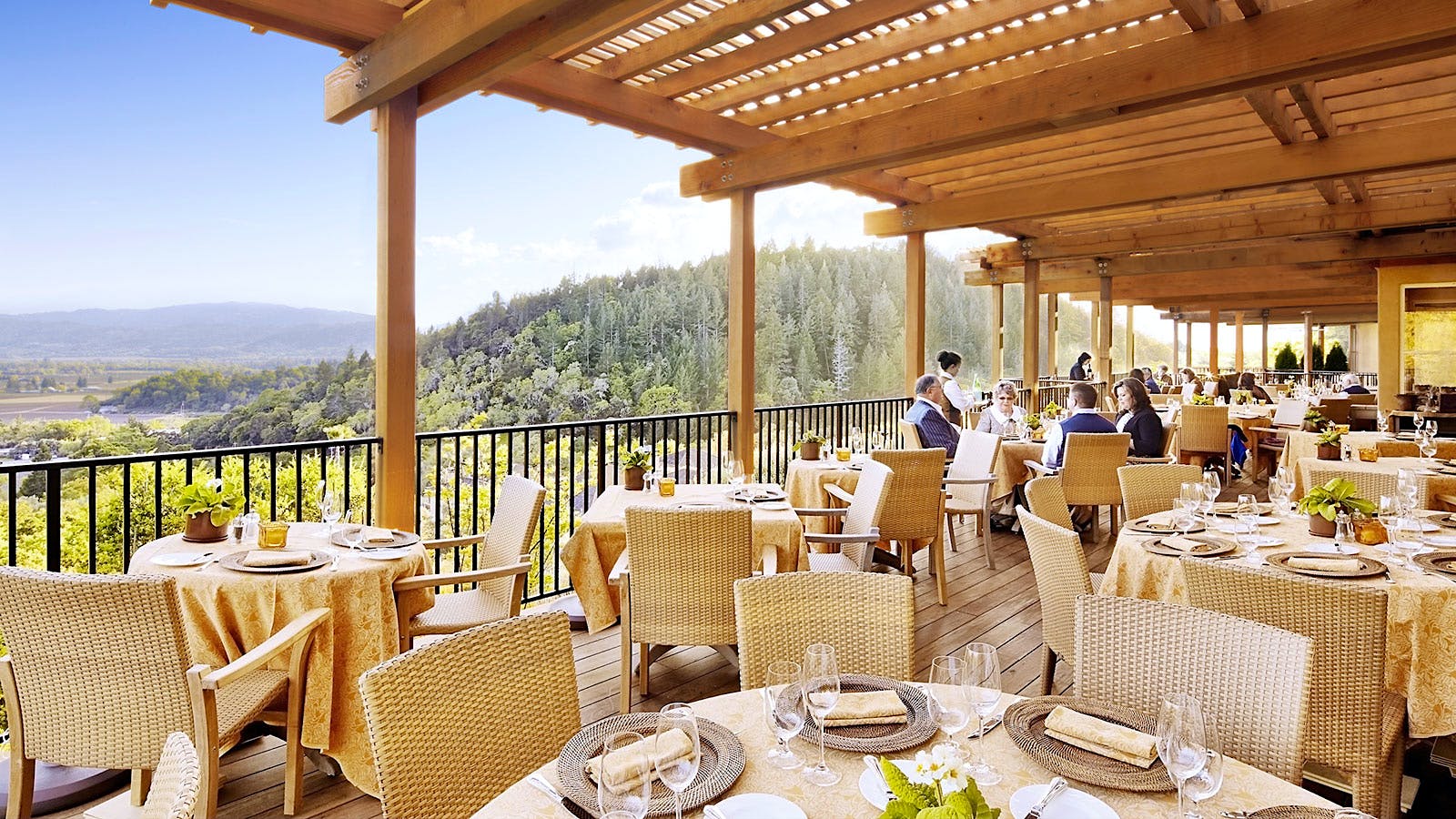
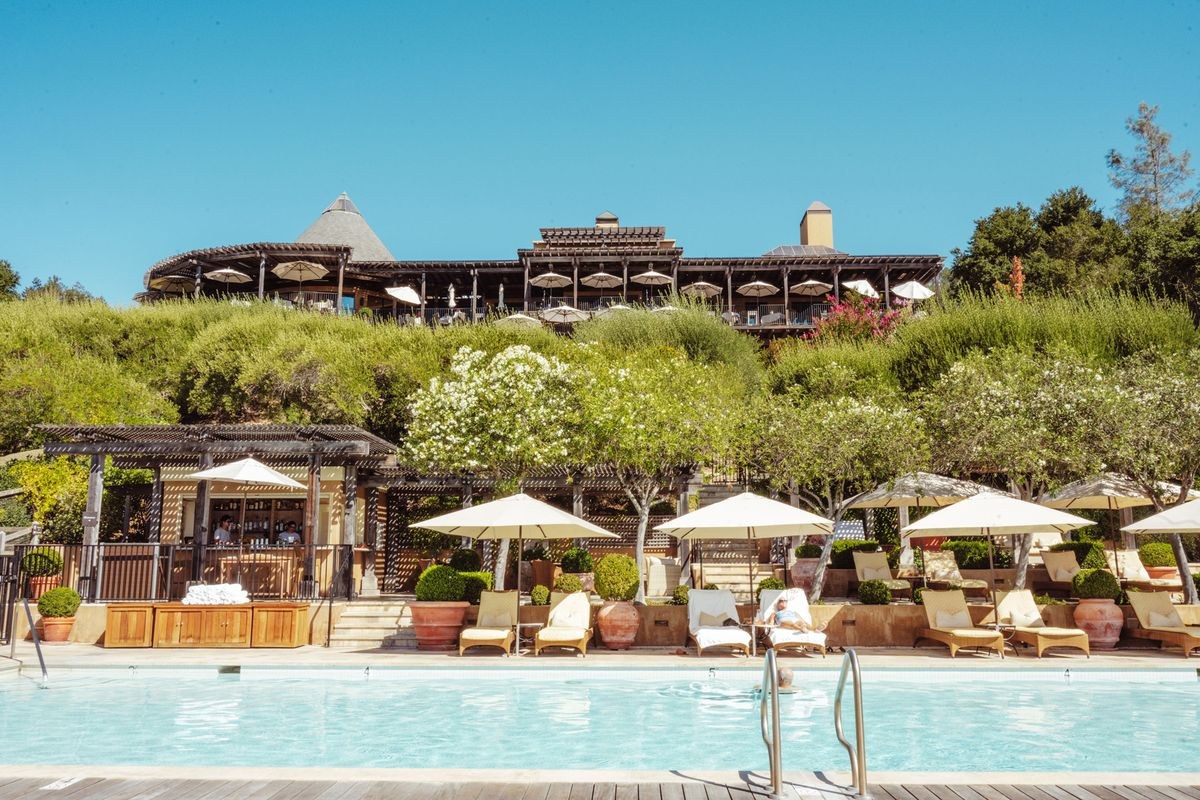
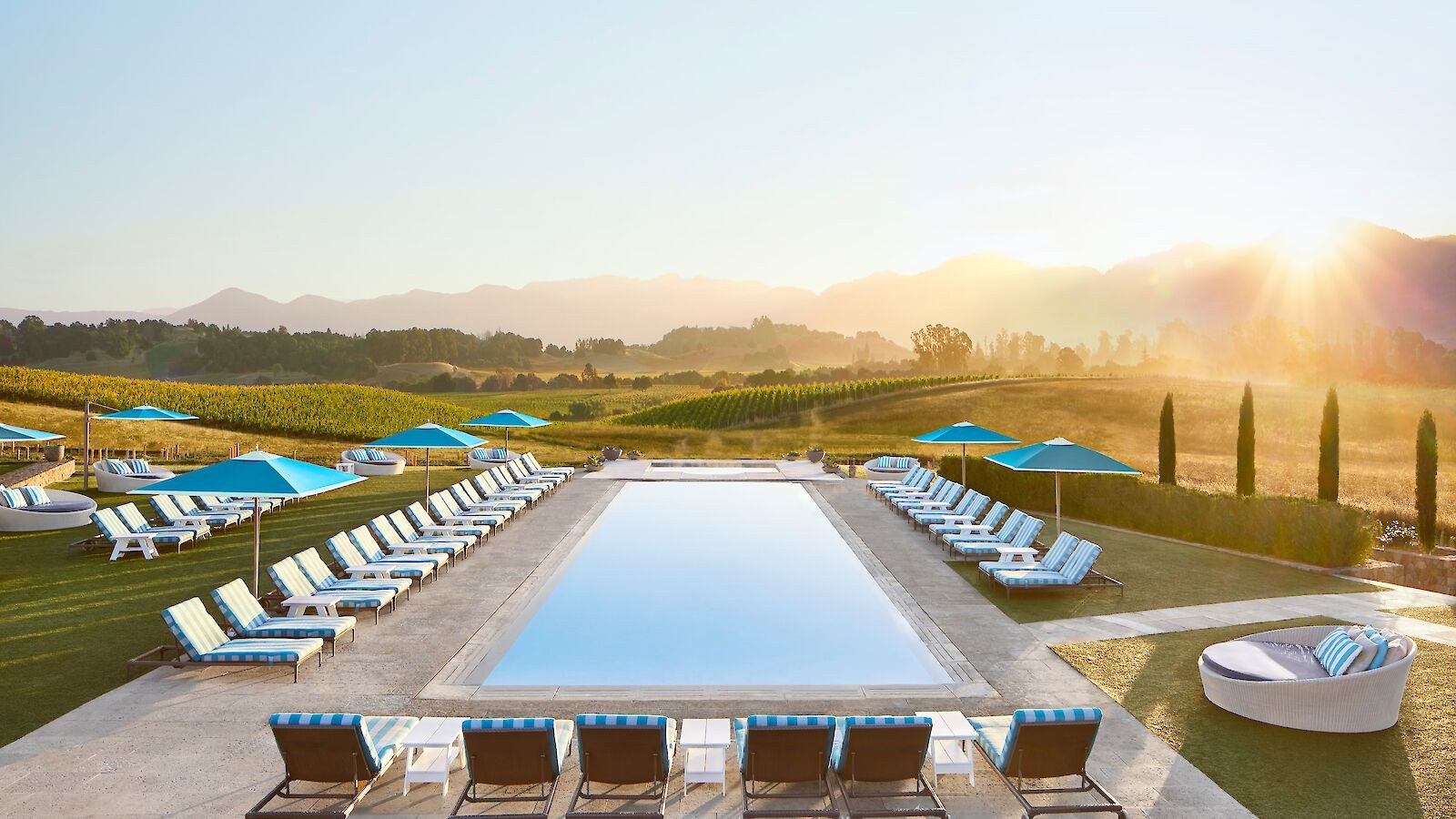
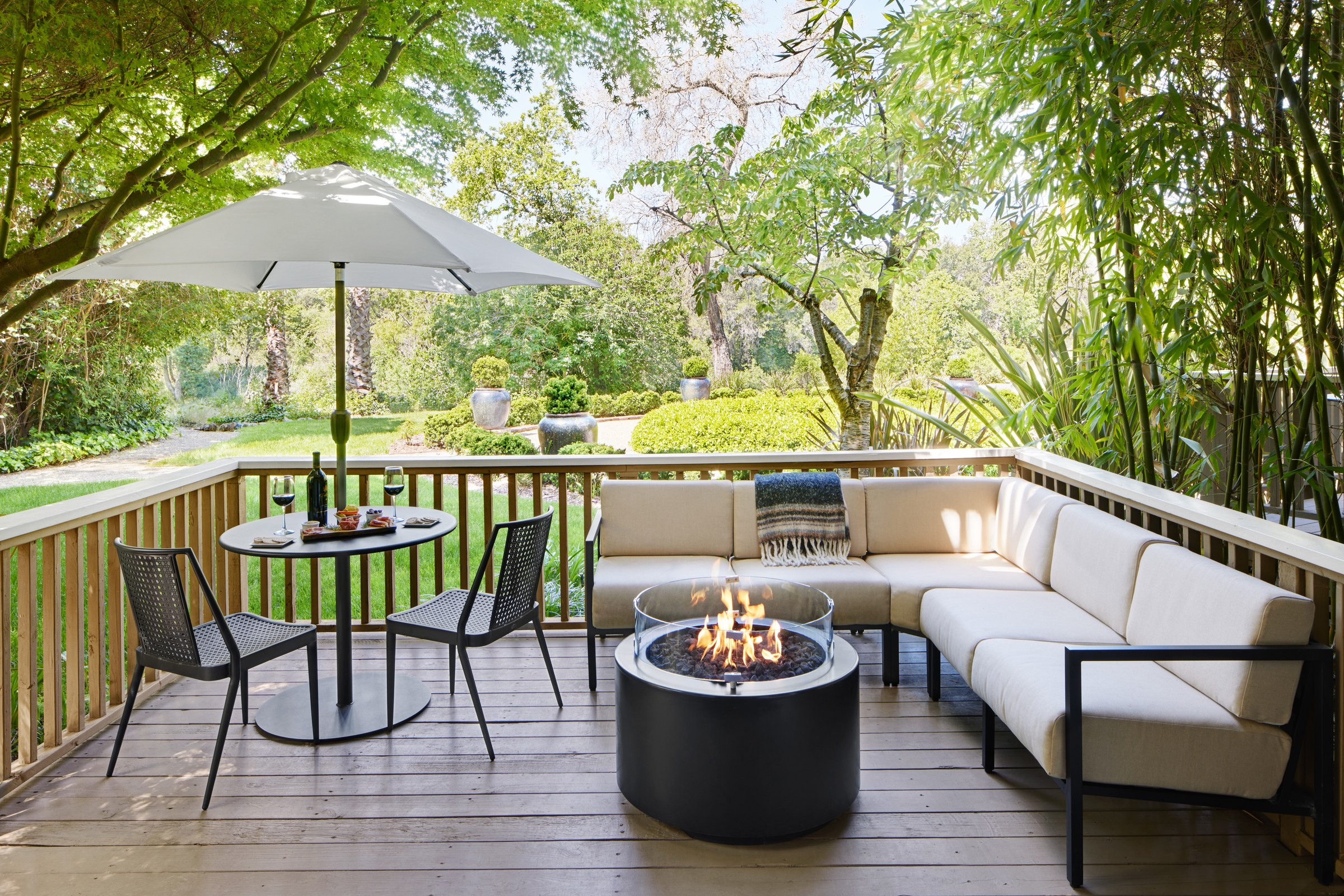
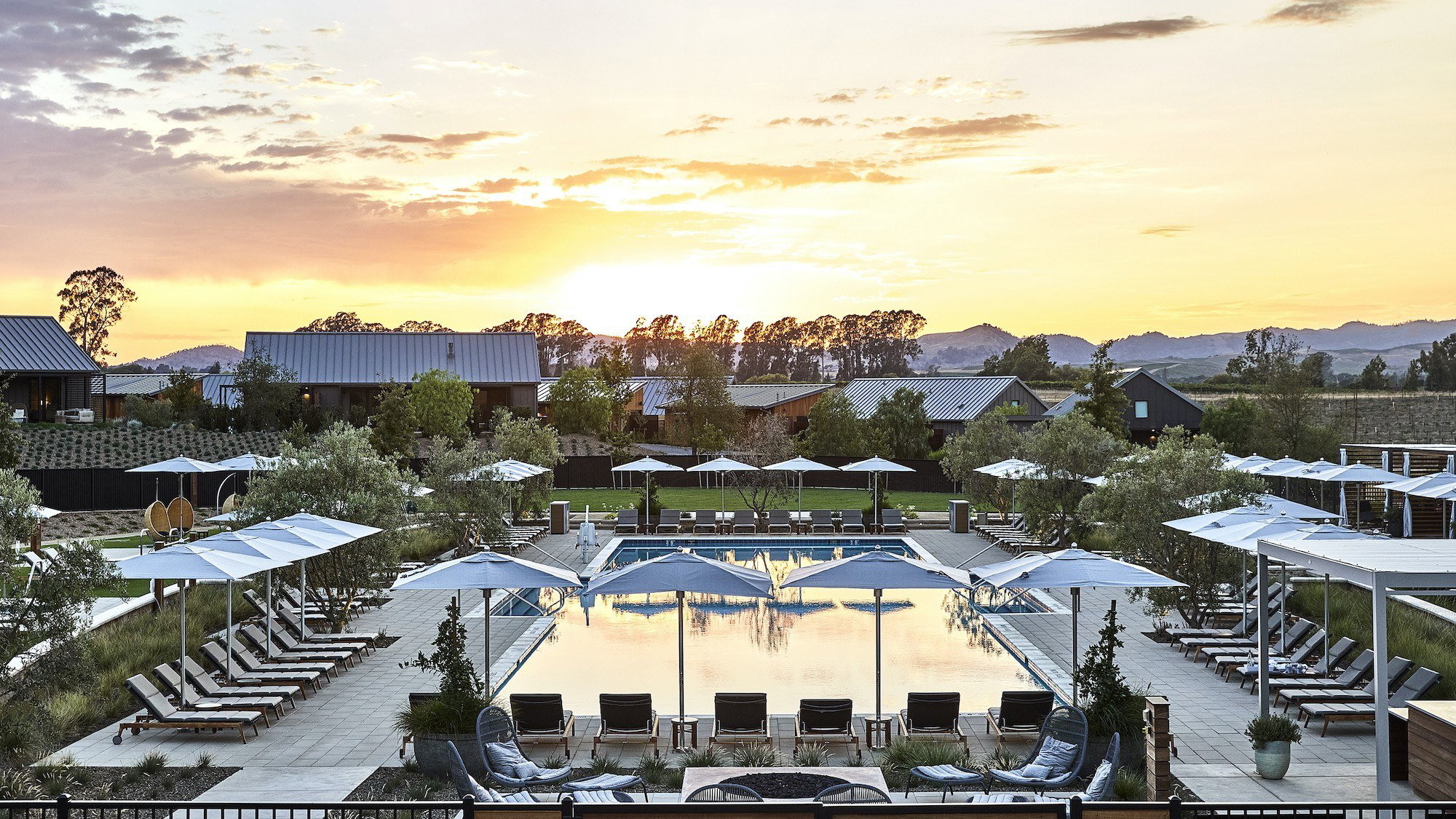
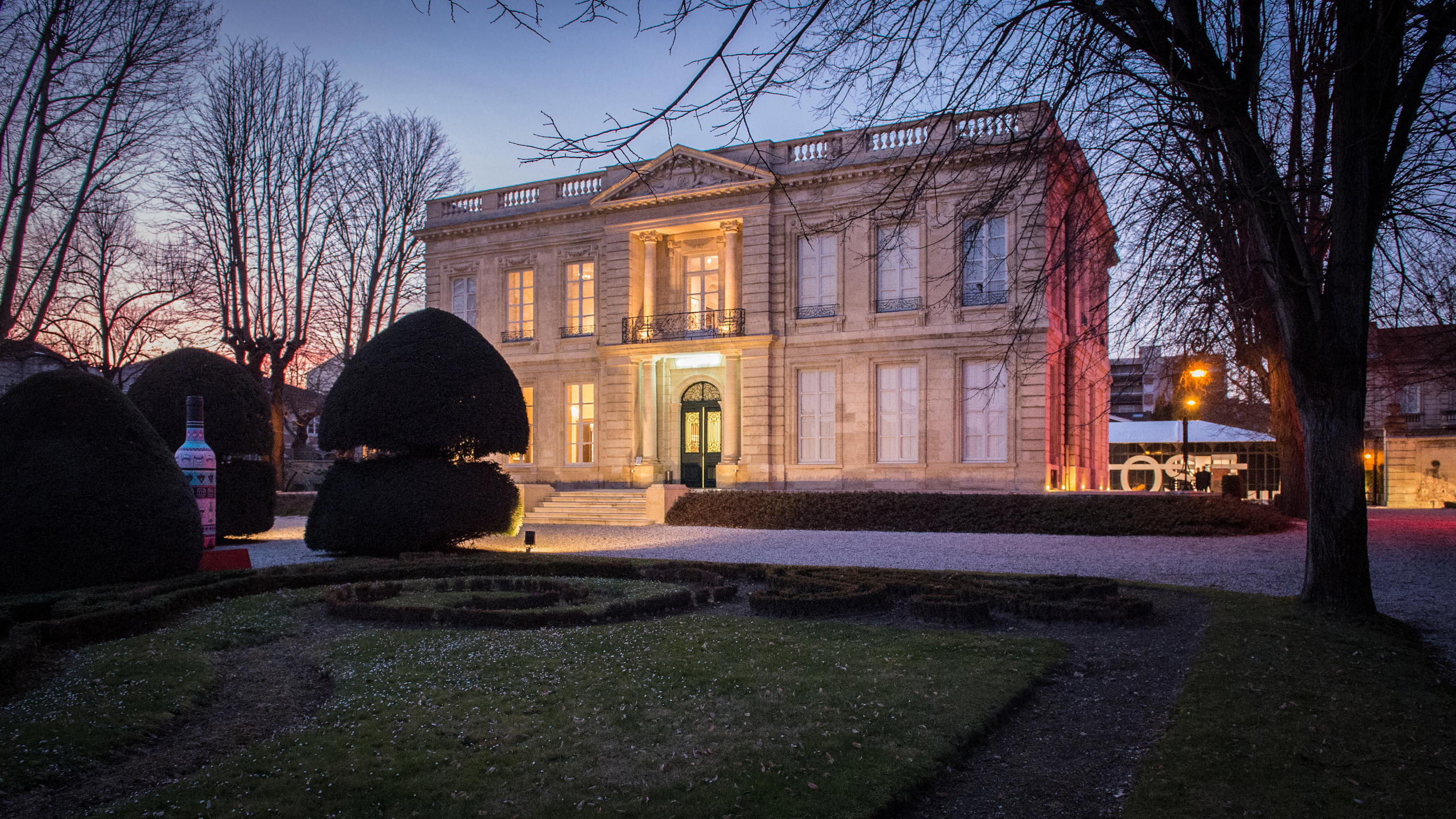
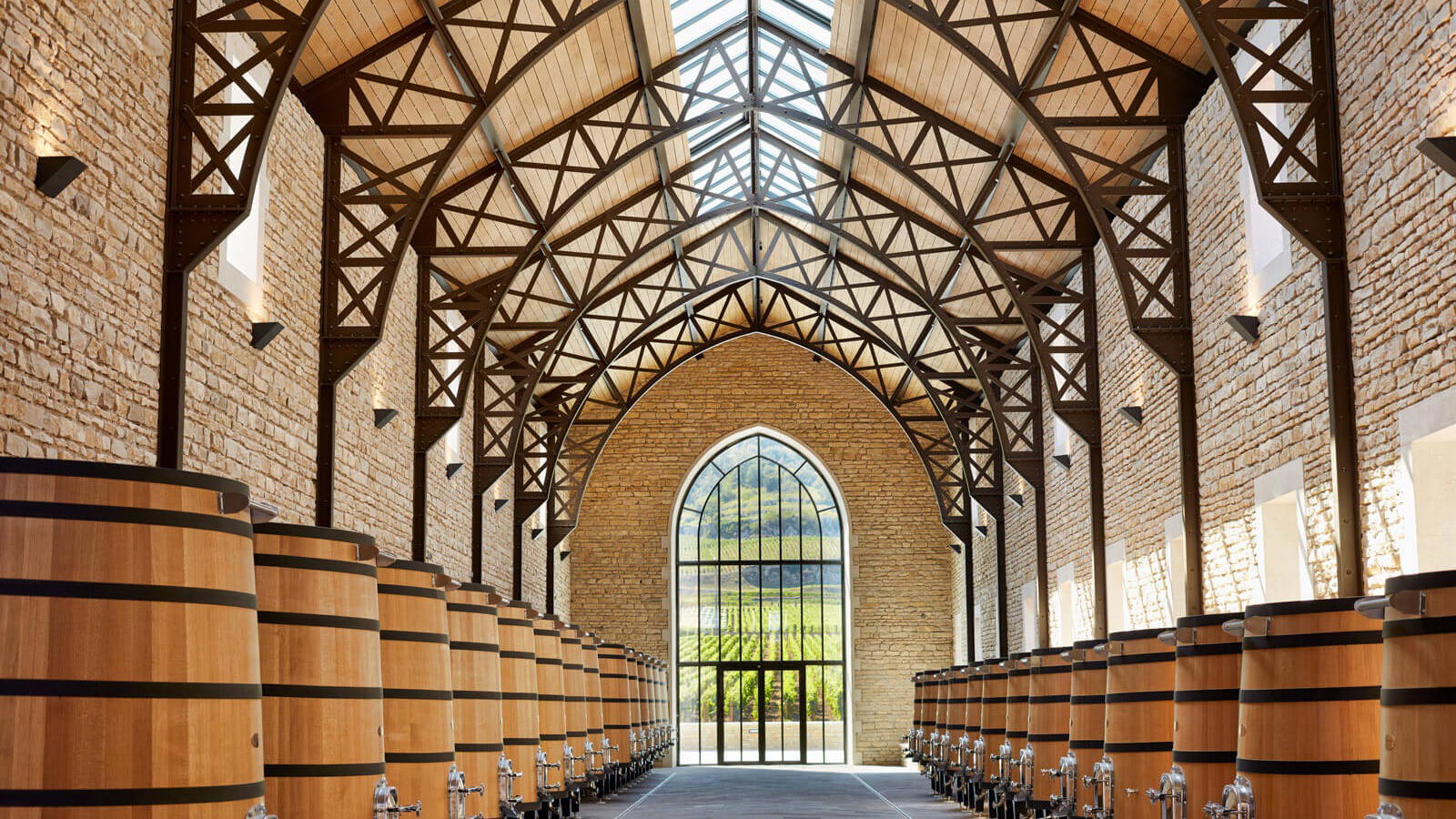
Pristine, elegant spaces with high ceilings, water features, fireside seating, and breathtaking valley views create a sophisticated yet relaxed atmosphere.
Tags
Vibe
Best For
Experience
Sourcing
View
At the Vineyard
- Appellation
- Napa Valley AVA
- Varietals
- Cabernet Sauvignon
- Tour Duration
- 60-90 minutes
- Visits
- By reservation
- Farming
- Sustainable
- Production
- Small producer
- Wine Styles
- Still Red
- Food Pairing
- Offered
- Wine Club
- Available
Know before you go
Know Before You Go
- Getting there
- 1601 Oakville Grade Rd, Oakville, CA 94562
Planning details
Location
Recognition and awards
Also consider
Where to Look If This Is Full
If Promontory is unavailable, start with Futo Estate for the closest serious estate comparison. For a more established hospitality feel, move to Far Niente Winery.
If the group wants a lower-friction Napa plan, compare Paradigm Winery and Detert Family Vineyards instead.
Winery context
How It Compares
Promontory Winery is the stronger pick for travelers who want an estate-led Napa experience and are willing to deal with a difficult booking path. Futo Estate is the closest comparison for a high-intent, site-focused visit; choose Futo if the priority is another serious Oakville-area estate, and choose Promontory if the 2009 first-vintage story and Cory Empting's winemaking role are central to the appeal.
For a less intense Napa plan, Detert Family Vineyards and Paradigm Winery make more sense as cross-shops when the group wants a narrower, producer-focused visit without making the entire day revolve around one appointment. The Mascot is the better fit for readers who want a Napa label with a different access and experience profile, while Far Niente Winery is the safer recommendation for visitors who want a more established hospitality setting and broader name recognition.
Value here is not about squeezing in tastings. Promontory is worth the effort when one serious estate visit is the point of the day; Far Niente is easier to justify for polished hospitality, The Mascot for a different Napa lens, and Detert or Paradigm for a more compact producer comparison.
Around this place
Discover more on Pearl
Unlock the full Promontory Winery guide in Pearl, including awards, comparisons, FAQs, planning details, and nearby places.
Compare Promontory Winery
| Venue | Location | Awards |
|---|---|---|
| Promontory Winery | Napa | 2025 Pearl 4 Star Prestige |
| Futo Estate | Oakville | No published awards |
| Detert Family Vineyards | Oakville | No published awards |
| The Mascot | Napa | No published awards |
| Far Niente Winery | Oakville | 2026 Falstaff Winery Guide2025 Pearl 4 Star Prestige |
| Paradigm Winery | Oakville | No published awards |

How Promontory Winery Napa compares with similar nearby venues.
FAQ
Frequently Asked Questions
When is the best time to visit Promontory Winery?
Promontory Winery is in Napa and has Pearl 4 Star Prestige (2025) recognition. Check current timing directly with the venue before planning your day around it.
How long should I plan for a visit to Promontory Winery?
What other venues should I compare with Promontory Winery?
For comparison, consider Detert Family Vineyards, Far Niente Winery, Futo Estate, Paradigm Winery, and The Mascot. They are useful reference points when deciding how Promontory Winery fits into a broader plan.
What should I confirm before visiting Promontory Winery?
Check current pricing, visit format, scheduling details, and other visit-specific terms directly with Promontory Winery before deciding.
Do I need a reservation at Promontory Winery?
Because Promontory Winery is a Pearl 4 Star Prestige (2025) venue in Napa, it is sensible to check directly with the winery before visiting.