
Louis M. Martini Winery
St. Helena, Napa
Winery in Napa, United States
 Book with Pearl
The Read
Heritage Cabernet Continuity
Price
$30–50tasting
Why go
Book Louis M. Martini Winery when the priority is a serious Napa Cabernet experience with heritage behind it. It is better suited to celebrations, dates, and client outings than casual drop-in tasting, and the private or upgraded format makes sense for guests who want context rather than just a quick pour.
About Louis M. Martini Winery
For a Napa visit, Louis M. Martini Winery is a direct shortlist candidate when the group wants a winery stop with a smart-casual feel. It is best suited to visitors looking for a Napa winery option with a considered atmosphere rather than a casual drop-in.
Louis M. Martini Winery has a clear recognition signal: Pearl 3 Star Prestige (2025). Michael Eddy is the named chef/owner in the available venue data, and the dress code is smart casual. Beyond those points, details such as specific wines, food service, group capacity, hours, and pricing should be confirmed directly before building an itinerary around them.
Worth choosing when the visit needs to feel considered
The main reason to keep Louis M. Martini Winery on the list is that it is a recognized Napa venue with a smart-casual tone and a Pearl 3 Star Prestige (2025) distinction. That makes it a reasonable candidate when the choice needs to feel intentional.
Details such as the tasting format, food program, seating setup, and price structure should be confirmed directly. Treat the visit as a planned anchor in the day, confirm the current details directly, and avoid assuming that it will match another winery's experience.
How to place it in a Napa wine trip
Use Louis M. Martini Winery as one Napa winery stop, then build the rest of the trip around your group's preferred pace. For comparison planning in the broader wine-country area, consider HALL Wines St. Helena, Heitz Cellar Estate, Prager Winery & Port Works, Sutter Home Winery, or V. Sattui. For the rest of the weekend, use Our full Napa restaurants guide, Our full Napa hotels guide, Our full Napa bars guide, Our full Napa wineries guide, and Our full Napa experiences guide.
If this page is part of broader wine research rather than a single-stop plan, keep the comparison set focused on Napa dining or hospitality choices. Louis M. Martini Winery is best evaluated on the confirmed basics: Napa location, smart-casual dress code, Michael Eddy as the named chef/owner, and Pearl 3 Star Prestige (2025).
Planning details
- Location
- 254 St Helena Hwy, St Helena, CA 94574
- Website
- louismartini.com
- Phone
- +1 707-968-3362
The take
The Take
The Vibe
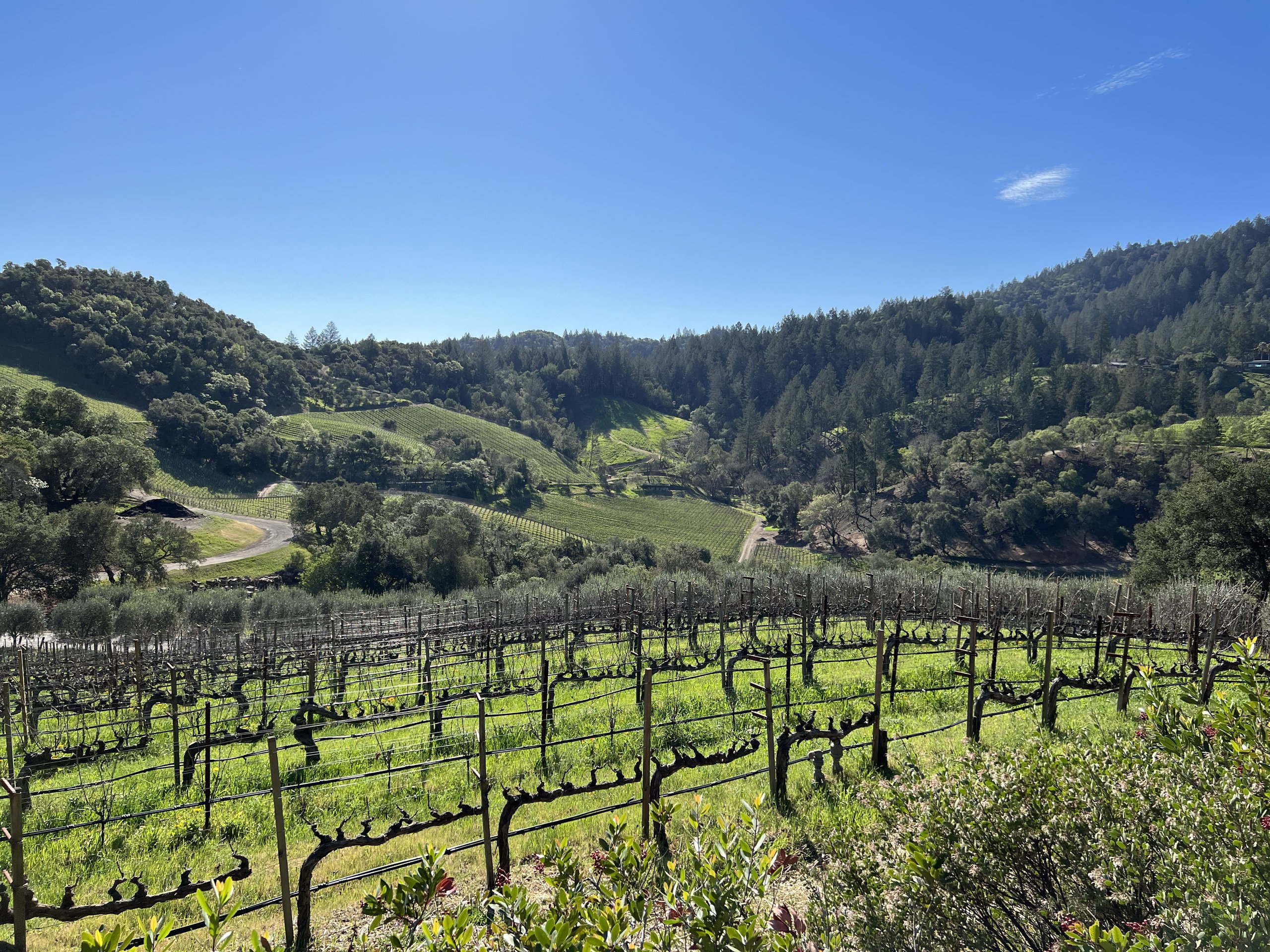
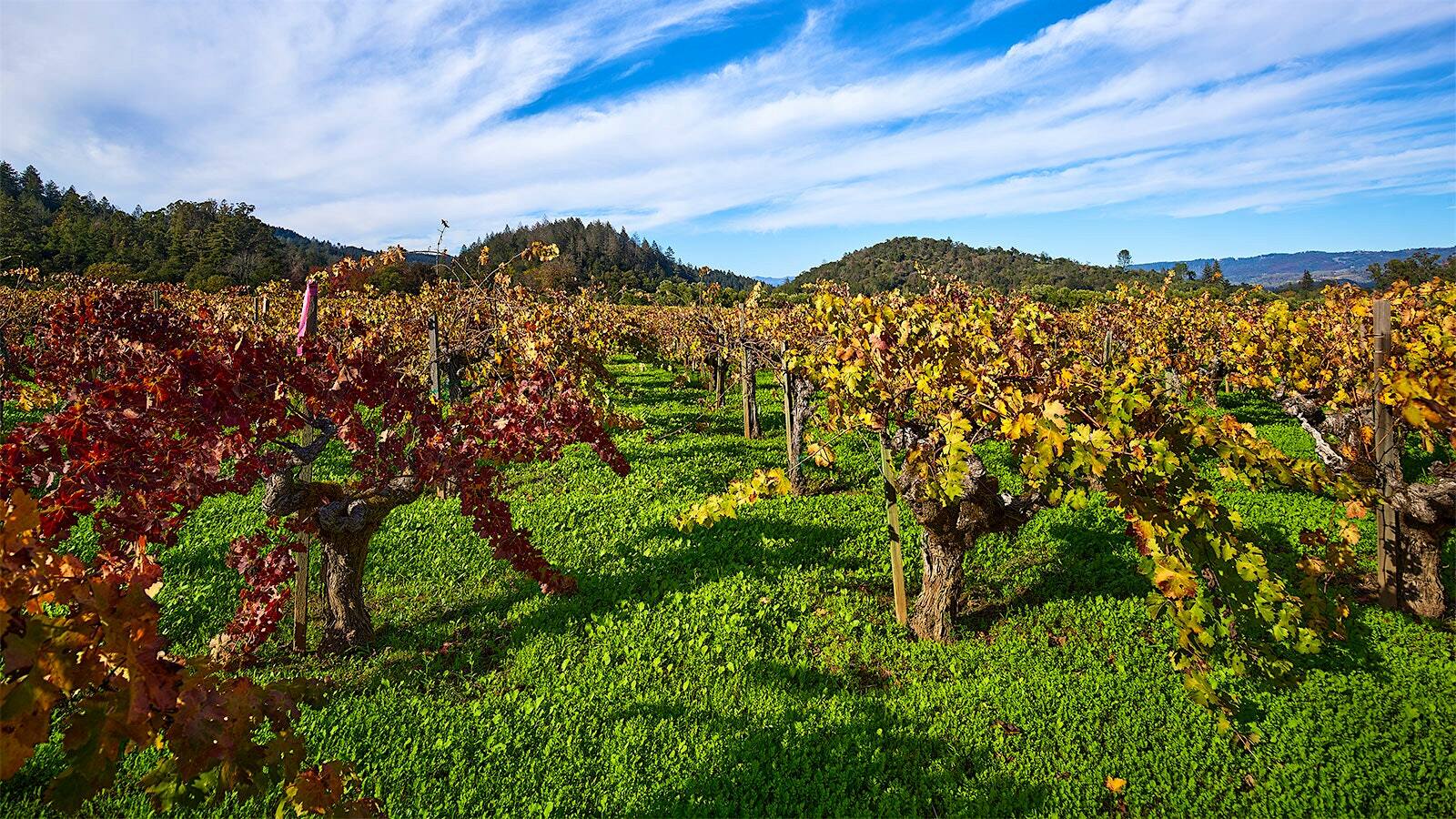
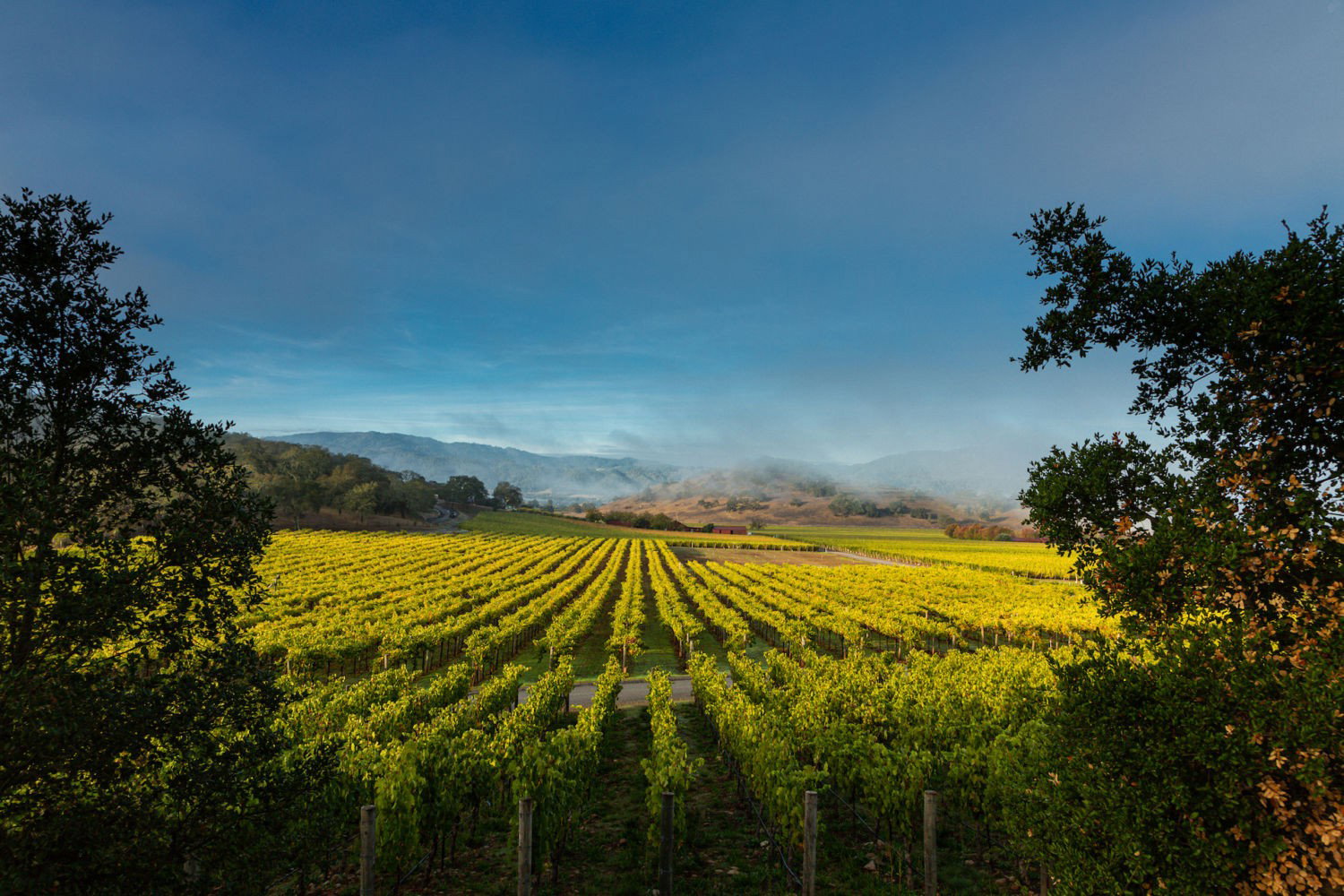
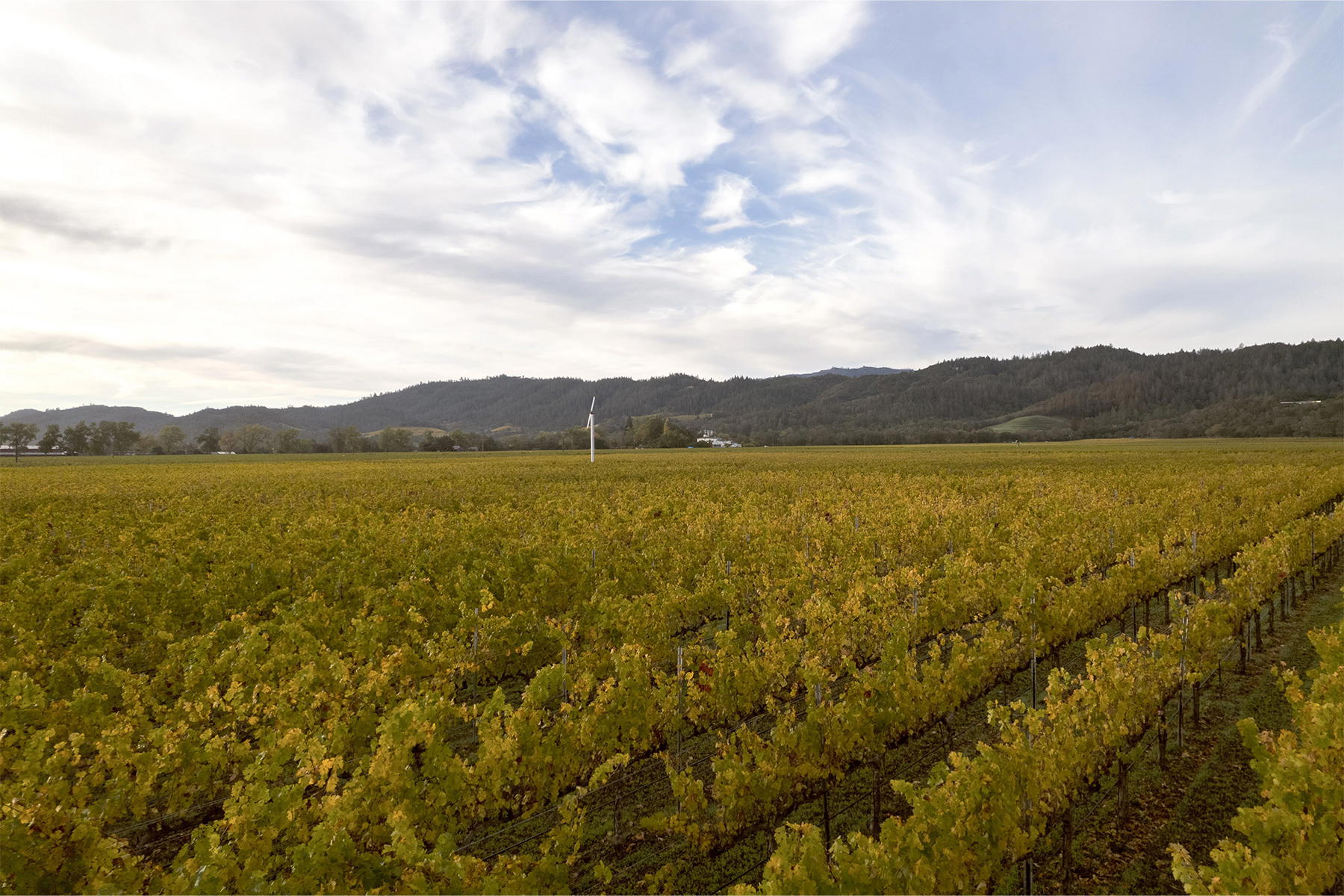
Louis M. Martini presents as a genuinely historic Napa estate: its first vintage in 1936 and decades of continuous operation anchor the place in the valley’s institutional memory. The property emphasizes vineyard continuity and steady stewardship rather than architectural spectacle, and that restrained confidence feels rooted and timeless. Visitors encounter an estate that signals its pedigree through land and provenance—an experience that reads as measured and venerable rather than trendy. The tone is deliberate and estate-driven, making Martini feel like a touchstone of Napa’s heritage-centered winemaking tradition.
Best For
Martini is best for people who come to Napa for history, education, and group visits that prize provenance. Its longevity and institutional footing make it a natural stop for wine-education minded visitors who appreciate old-vine narratives and steady-quality producers. The estate’s scale and recognition also suit small group outings and special-occasion visits where guests want the reassurance of an established producer rather than a boutique allocation chase. It reads as a place for deliberate tasting and conversation rather than flash or spectacle.
Tasting Tips
This is not a cult-allocation brand; the profile emphasizes scale and distribution reach rather than scarcity. Expect Martini to be more broadly available through retail and restaurant lists than strictly by mailing-list allocation. The 2025 Pearl 3 Star Prestige recognition signals consistent quality at a higher tier—seek releases through wine shops, on-trade lists, or the winery’s own channels rather than relying on ultra-limited secondary-market tactics. For collectors, confirm release and availability details directly with the producer or your preferred retailer.
Venue details
Ambiance
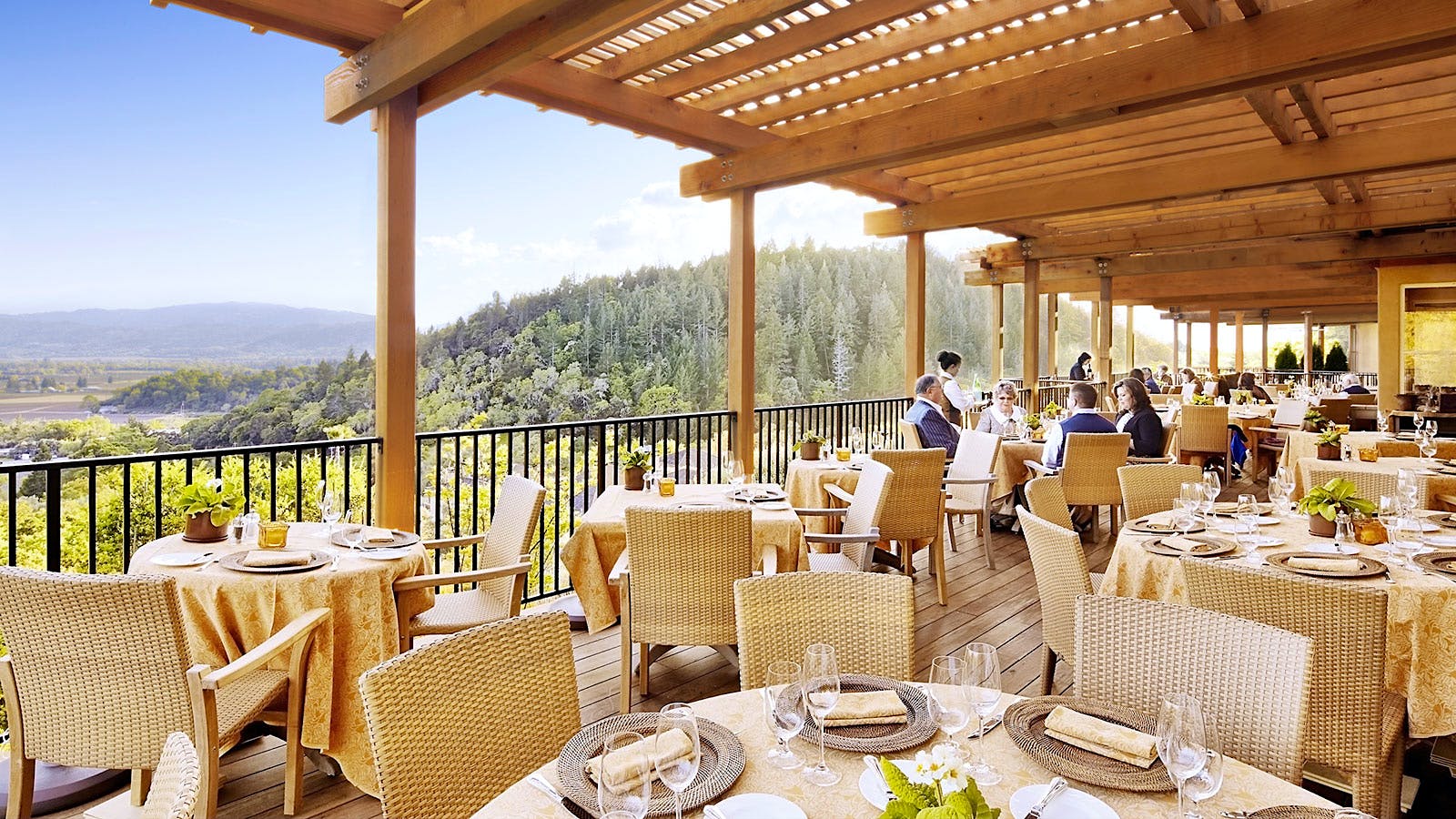
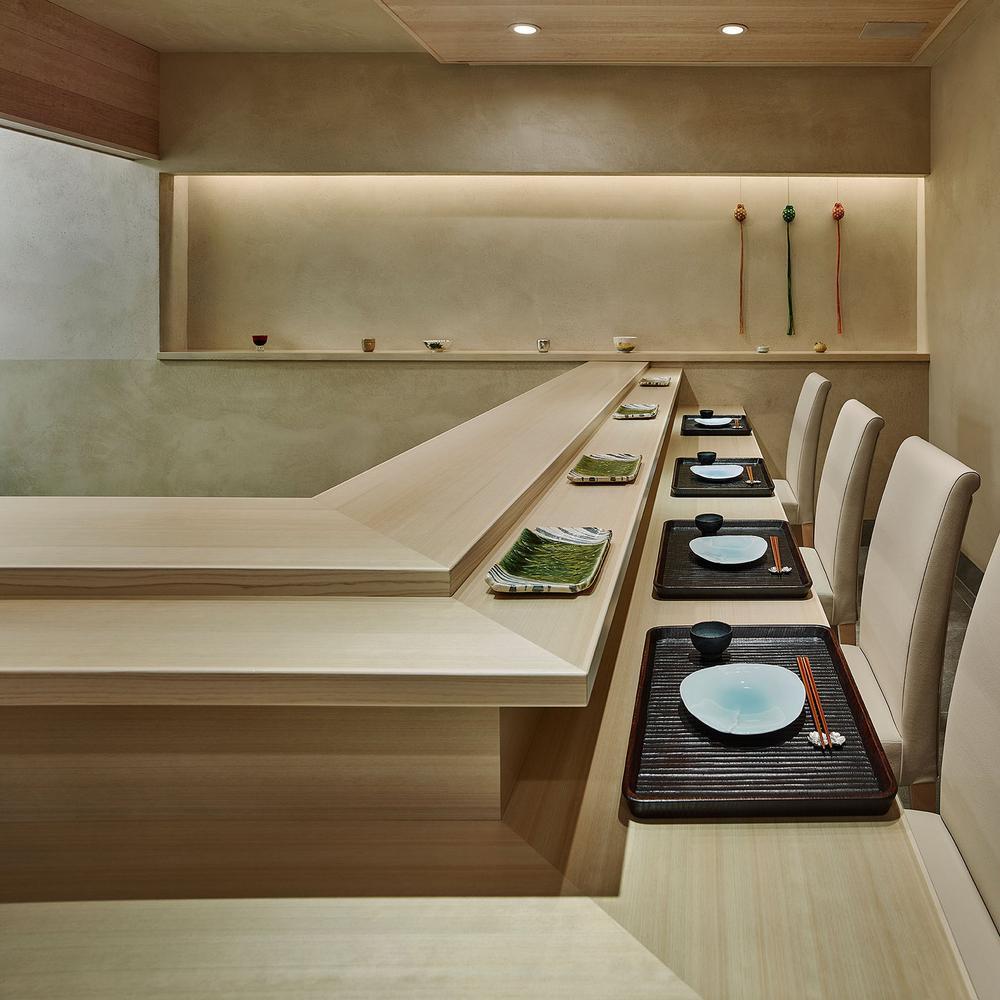
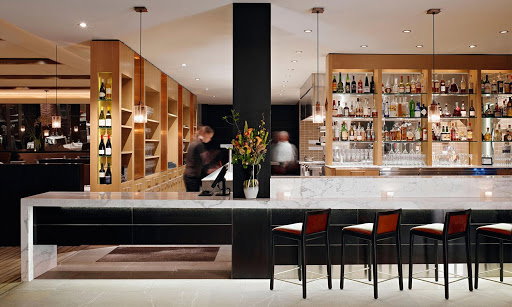
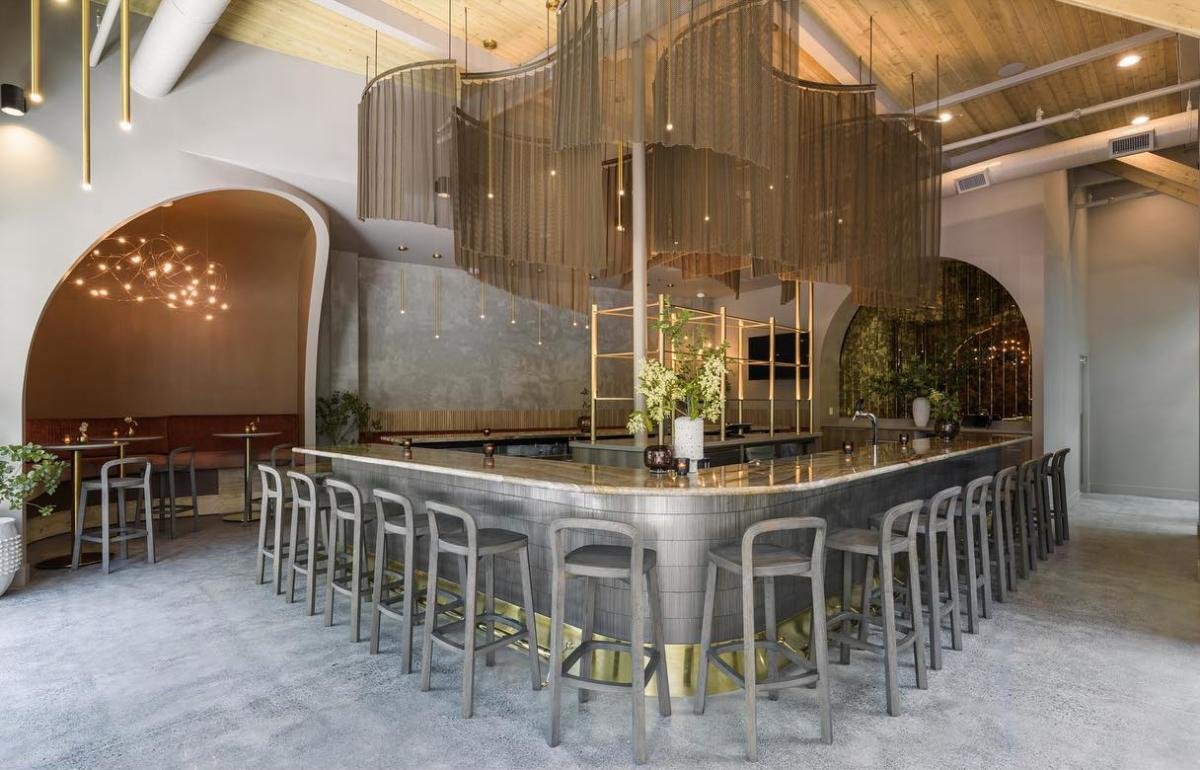
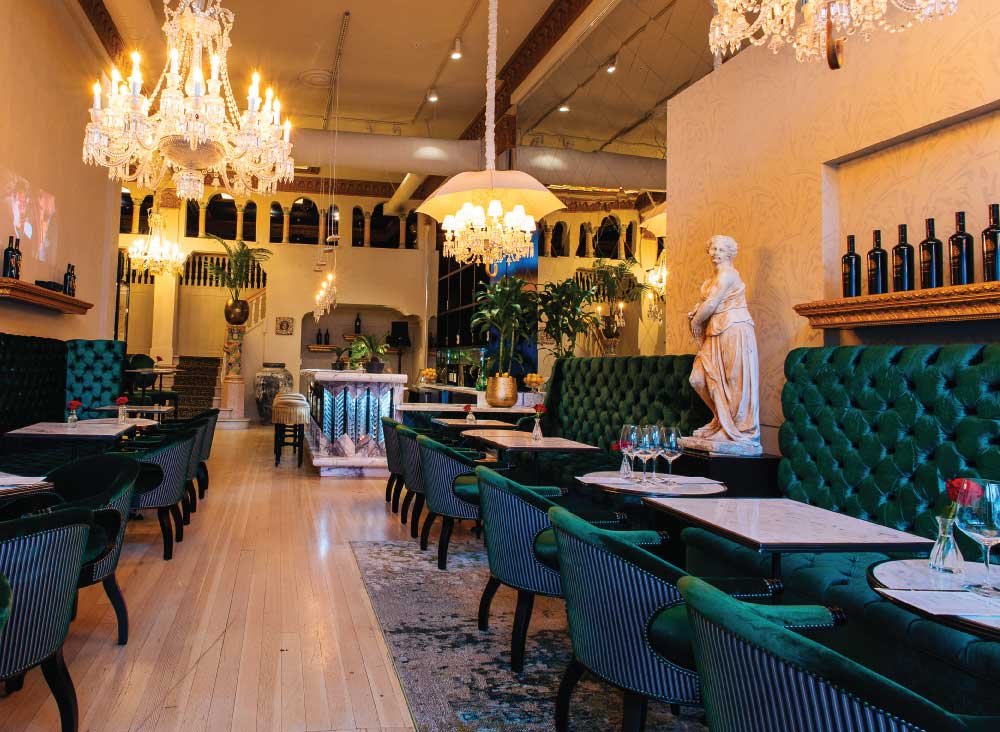
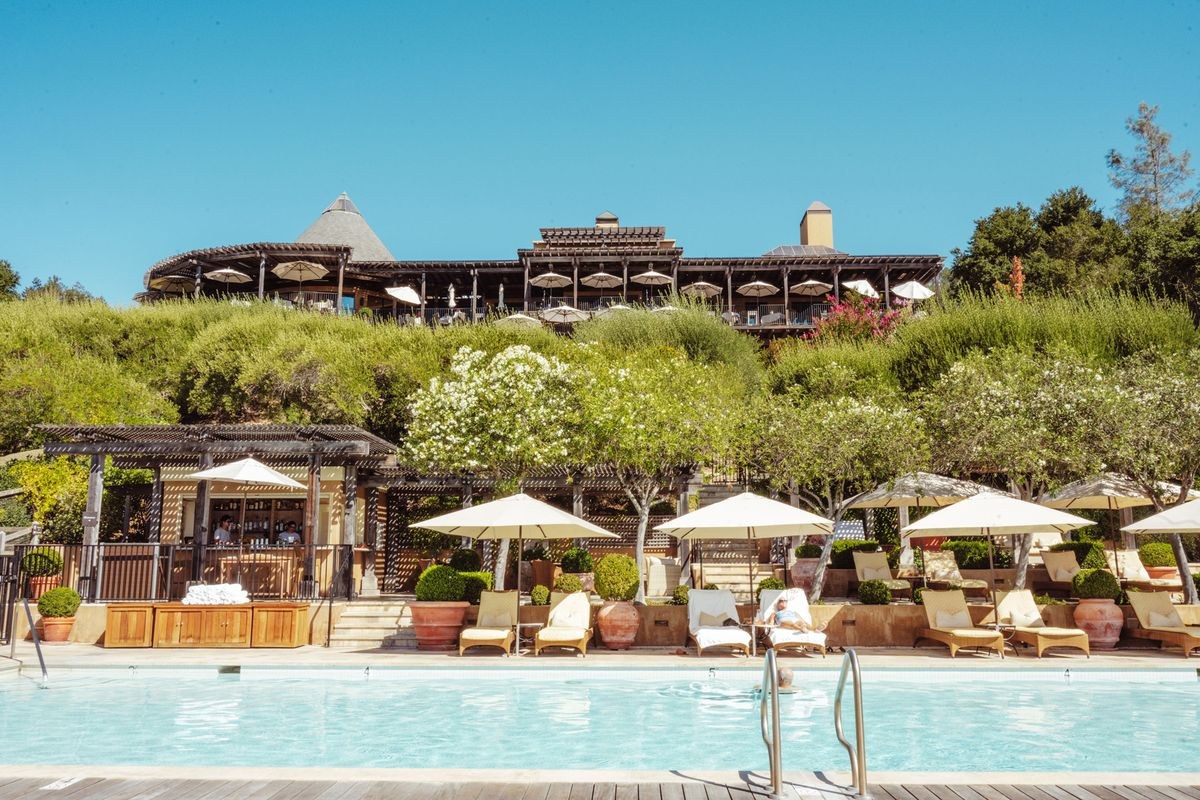
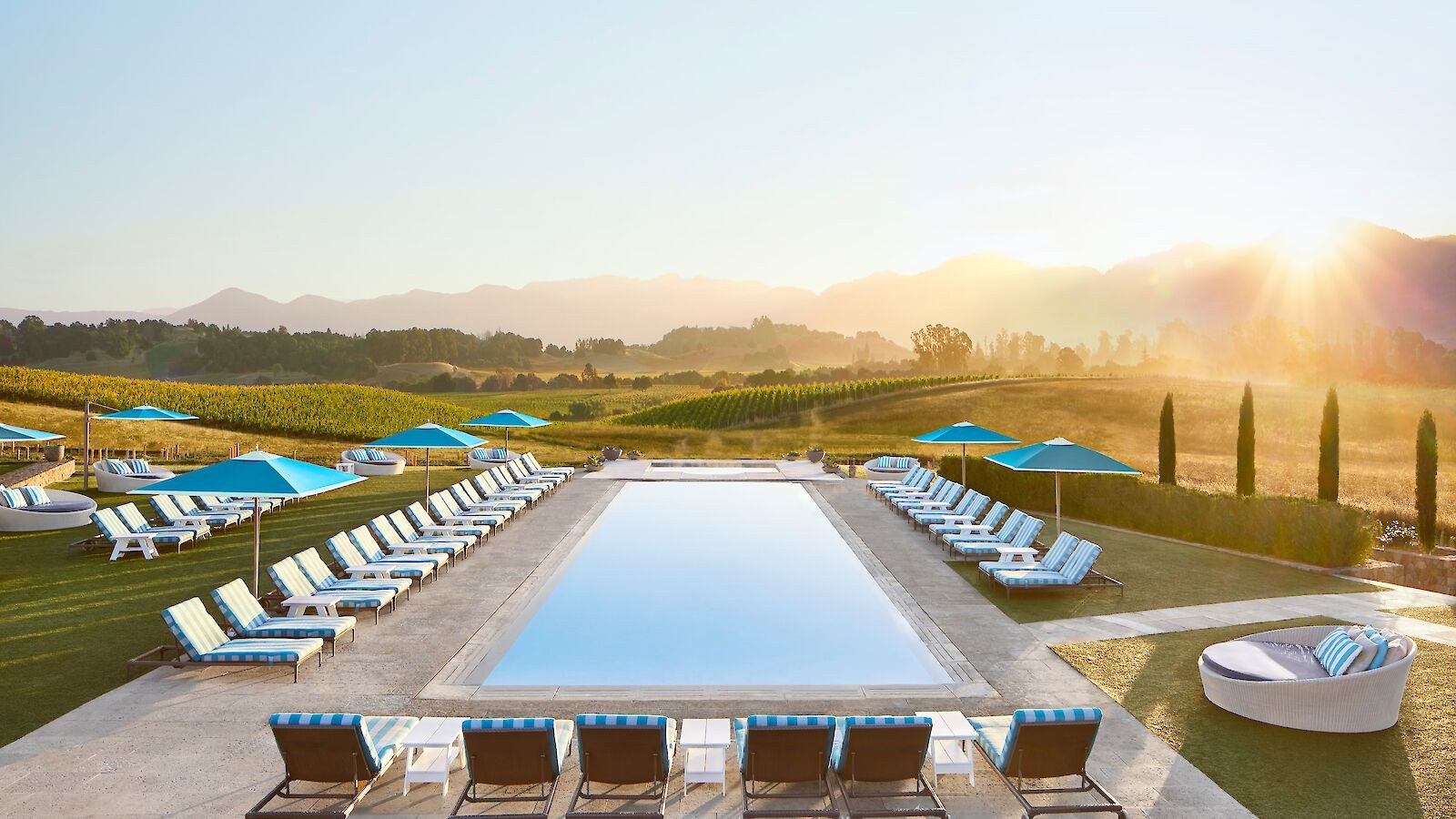
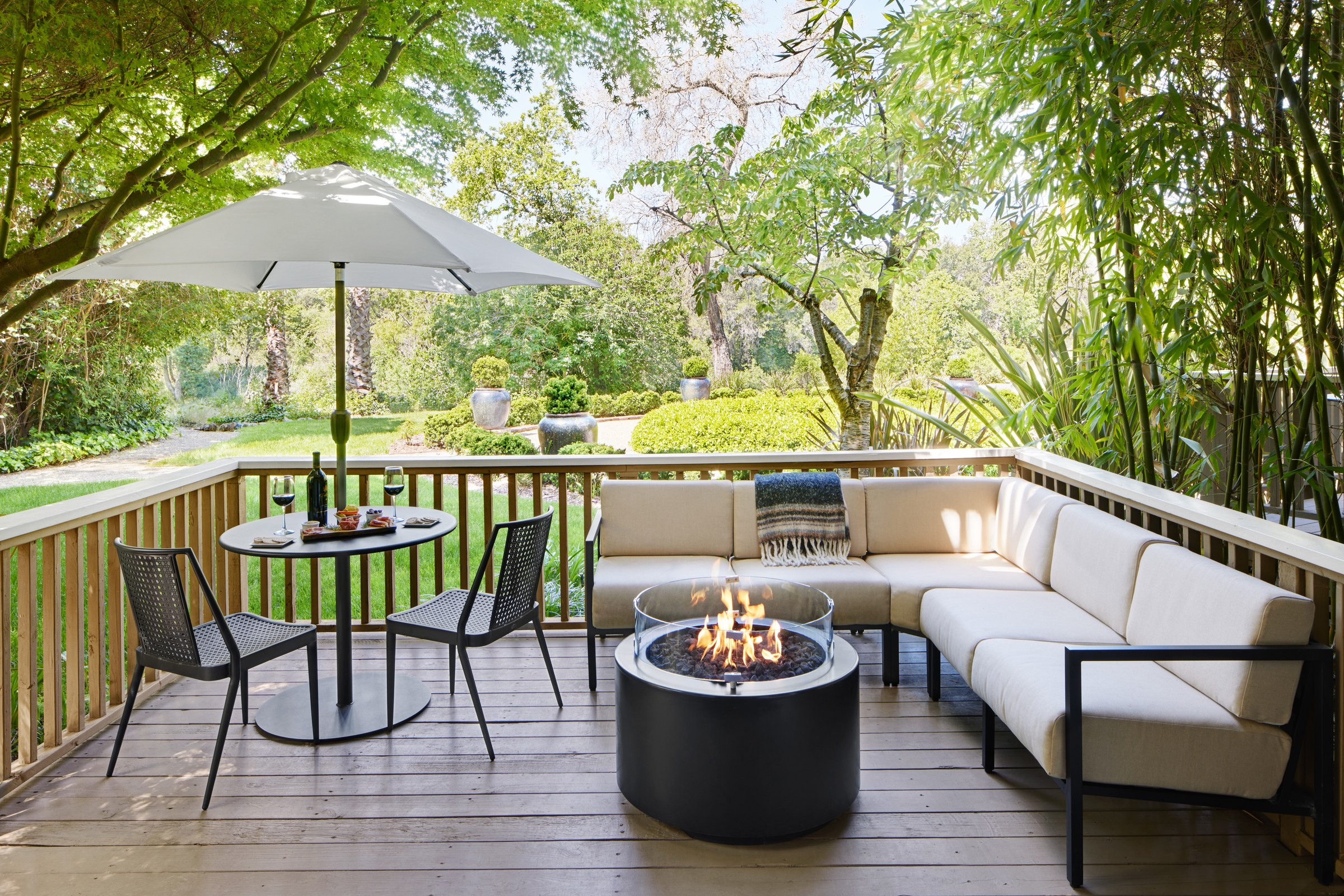
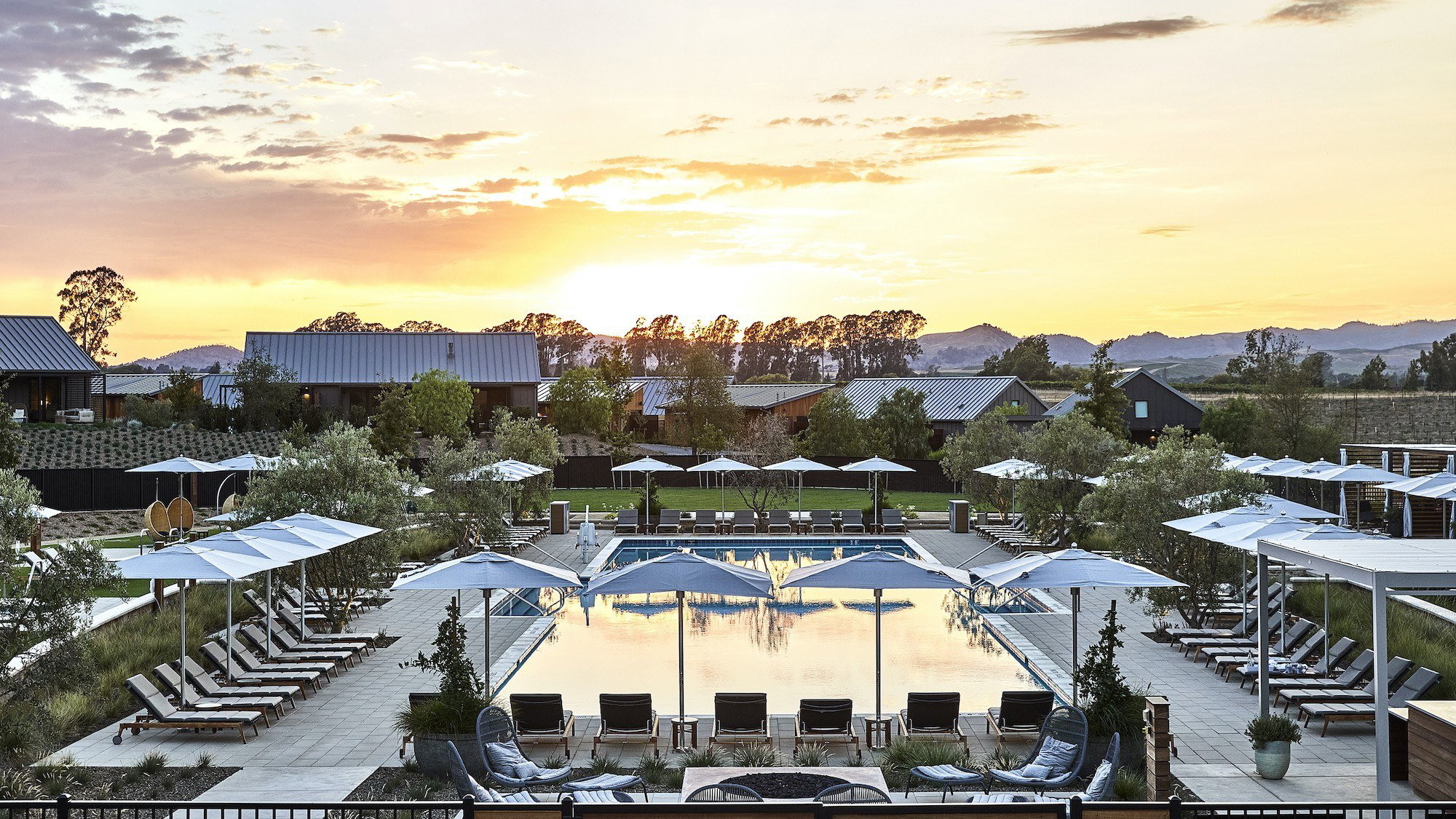
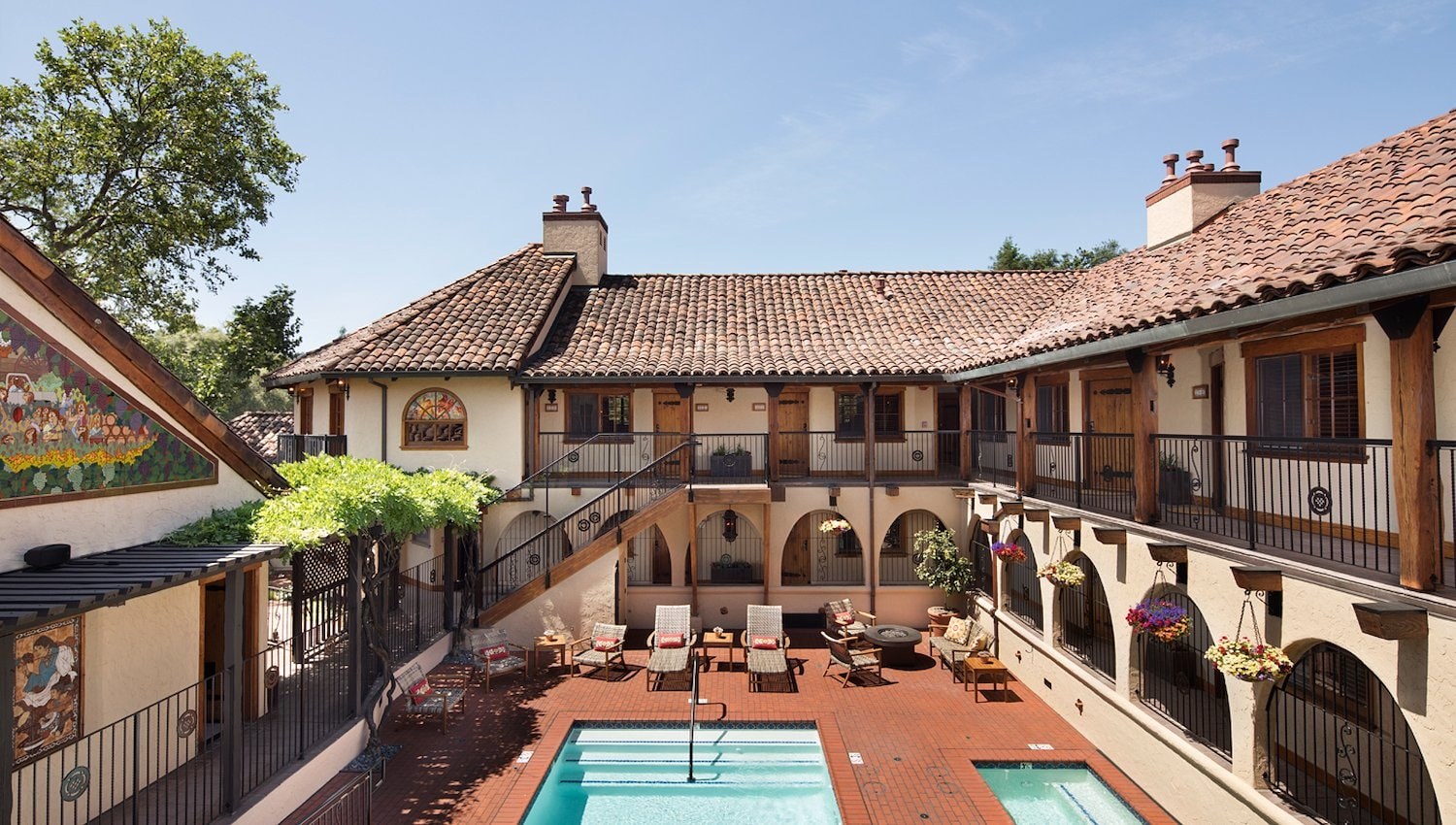
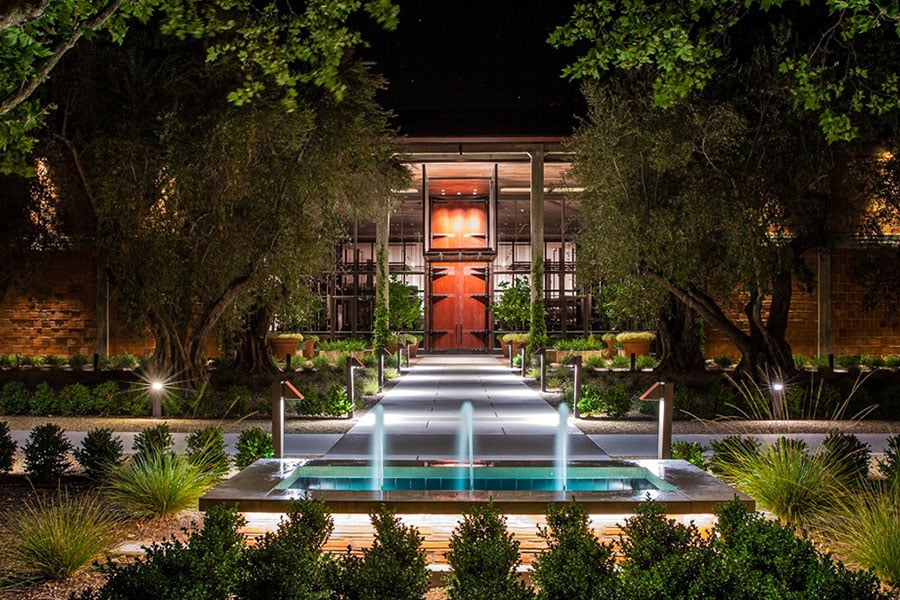
Elegant lounge and garden settings with grand architecture, beautiful landscaping, and a sophisticated yet welcoming atmosphere.
Tags
Vibe
Best For
Experience
View
At the Vineyard
- Appellation
- Napa Valley AVA
- Varietals
- Cabernet Sauvignon, Zinfandel, Merlot, Petite Sirah
- Tour Duration
- 60-90 minutes
- Visits
- By reservation
- Production
- Large producer
- Wine Styles
- Still Red
- Food Pairing
- Offered
- Wine Club
- Available
Know before you go
Know Before You Go
- Getting there
- 254 St Helena Hwy, St Helena, CA 94574
Planning details
Location
Recognition and awards
Also consider
Also Consider
- Sutter Home Winery, Notable alternative
- Prager Winery & Port Works, Notable alternative
- Heitz Cellar Estate, Notable alternative
- HALL Wines St. Helena, Notable alternative
- V. Sattui, Notable alternative
Winery context
How It Compares
Choose Louis M. Martini Winery over Sutter Home Winery if the day needs a more serious Cabernet-led feel. Sutter Home is the easier mental fit for a lighter, value-driven stop, while Louis M. Martini is the stronger call for a special-occasion tasting where wine history and a more focused format matter.
Heitz Cellar Estate is the closest peer for visitors prioritizing classic Napa pedigree. Cross-shop Heitz when the group wants another heritage-driven Cabernet experience; choose Louis M. Martini when the plan calls for a St. Helena anchor with a polished but accessible feel. HALL Wines St. Helena is the better match for guests who want a more art-forward, high-visibility tasting-room atmosphere.
For a more casual day, V. Sattui is easier to recommend to mixed groups that care as much about the outing as the wine. Prager Winery & Port Works is the sharper alternative when the group wants something more niche and port-focused. Louis M. Martini is the safer celebration pick when the brief is classic Napa Cabernet rather than novelty.
Around this place
Discover more on Pearl
Unlock the full Louis M. Martini Winery guide in Pearl, including awards, comparisons, FAQs, planning details, and nearby places.
Compare Louis M. Martini Winery
| Venue | Location | Awards |
|---|---|---|
| Louis M. Martini Winery | Napa | 2025 Pearl 3 Star Prestige |
| Sutter Home Winery | St. Helena | No published awards |
| Prager Winery & Port Works | St. Helena | No published awards |
| Heitz Cellar Estate | Napa | 2026 Falstaff Winery Guide2025 Pearl 4 Star Prestige |
| HALL Wines St. Helena | St. Helena | 2025 Pearl 2 Star Prestige |
| V. Sattui | Napa | 2025 Pearl 2 Star Prestige |

How Louis M. Martini Winery Napa compares with similar nearby venues.
FAQ
Frequently Asked Questions
What other wineries can I compare with Louis M. Martini Winery?
For broader wine-country comparison planning, look at HALL Wines St. Helena, Heitz Cellar Estate, Prager Winery & Port Works, V. Sattui, or Sutter Home Winery. Louis M. Martini Winery is in Napa, so keep location details broad unless you confirm current directions directly.
How long should I plan for a visit to Louis M. Martini Winery?
What is the flagship wine at Louis M. Martini Winery?
If a specific bottle, varietal, or tasting focus matters to your trip, confirm the current offering directly with Louis M. Martini Winery before you go.
Is the wine club at Louis M. Martini Winery worth joining?
Treat any membership decision as something to evaluate directly with the winery based on current details and your own buying habits.
Does Louis M. Martini Winery serve food?
Can Louis M. Martini Winery handle large groups?
If you are planning for a larger party, contact Louis M. Martini Winery directly before making it an anchor stop, and consider comparing logistics with HALL Wines St. Helena, Heitz Cellar Estate, Sutter Home Winery, V. Sattui, or Prager Winery & Port Works.