

Heitz Cellar Estate
St. Helena, Napa
Winery in Napa, United States
 Book with Pearl
The Read
Valley Floor Continuity
Price
$50–100tasting
Why go
Heitz Cellar Estate is the Napa pick for visitors who want heritage and a serious St. Helena wine appointment rather than an easygoing tasting crawl. The first vintage dates to 1961, and the value case is strongest for guests who care about provenance, cellar reputation, and a more deliberate special-occasion visit.
About Heitz Cellar Estate
Heitz Cellar Estate in Napa is best approached as a premium venue where Brittany Sherwood is the chef/owner, the dress code is smart casual, and Pearl recognizes it with 4 Star Prestige for 2025. For a celebration, client outing, or date, the safest reason to choose it is that standing rather than any assumption about format, menu, pricing, access, or specific offerings.
Choose this for a polished Napa plan
The right guest is someone who wants a more deliberate Napa stop and is comfortable planning around confirmed essentials only. Brittany Sherwood is the named chef/owner, and the venue is listed with a smart casual dress code, so guests should dress neatly without assuming a formal requirement.
Because detailed service information is limited, avoid building the plan around specific assumptions about tastings, dining, group size, purchases, shipping, or a particular menu. Confirm current offerings directly with the venue before making it the anchor of a special occasion.
Value depends on how much the confirmed profile matters to the group
Heitz Cellar Estate makes the strongest case when the party values a Pearl 4 Star Prestige Napa venue and a more polished outing. If the group mostly wants flexibility, broad variety, or a casual stop, compare options before committing the day to one venue.
Cross-shopping is useful. Louis M. Martini Winery, HALL Wines St. Helena, V. Sattui, Sutter Home Winery, and Prager Winery & Port Works are natural comparison points depending on the mood, pace, and level of structure the group wants.
Build the day around confirmed details
For planning, keep the schedule flexible until current availability, offerings, and any visit requirements are confirmed directly with Heitz Cellar Estate. Plan for Napa, dress smart casual, and treat the Pearl 4 Star Prestige recognition as the main signal. For a dinner, hotel, or bar plan around the same trip, use Our full Napa restaurants guide, Our full Napa hotels guide, and Our full Napa bars guide. For wider planning, start with broader Napa guides and current venue information.
If the brief is a broader itinerary, compare Heitz Cellar Estate with Louis M. Martini Winery, HALL Wines St. Helena, V. Sattui, Sutter Home Winery, and Prager Winery & Port Works, or keep the rest of the day to other Napa dining and hospitality stops.
Planning details
- Location
- 436 St Helena Hwy, St Helena, CA 94574
- Website
- heitzcellar.com
- Phone
- +1 707-963-2047
The take
The Take
The Vibe
Heitz Cellar Estate reads as an institutional, quietly assured presence in St. Helena. Its history—dating to 1961—gives the property an iconic, settled character; the copy emphasizes a calm, unhurried atmosphere rather than spectacle. That long tenure and recent Pearl 4 Star Prestige recognition position the house as sophisticated and measured: a place where provenance and continuity matter more than trends. Visitors encounter a serene, composed estate that feels established and dignified, the sort of winery whose gravitas informs both the tasting room and any occasion spent on the property.
Best For
This estate is best for meaningful celebrations and milestone moments. The editorial text calls out significant anniversaries, retirements and milestone birthdays as natural reasons to visit, framing the house as a locus for events that connect personal moments to deeper tradition and provenance. Its standing within Napa’s upper tier and the explicit focus on occasion dining make Heitz a strong choice for guests seeking a memorable, narrative-rich experience tied to the valley’s history rather than a high‑spectacle tasting.
Tasting Tips
Treat a visit to Heitz as a deliberate, occasion-driven experience: arrive with the expectation of an unhurried pace and give yourself time to absorb the estate's history. Because the copy emphasizes provenance and the house’s legacy, ask staff about the property’s notable vintages and recent releases from the current winemaker to place tastings in context. For milestone visits, plan around the sense of occasion—choose wines that reflect the estate’s story rather than chasing novelty—and allow the setting and service style to shape the experience.
Venue details
Ambiance
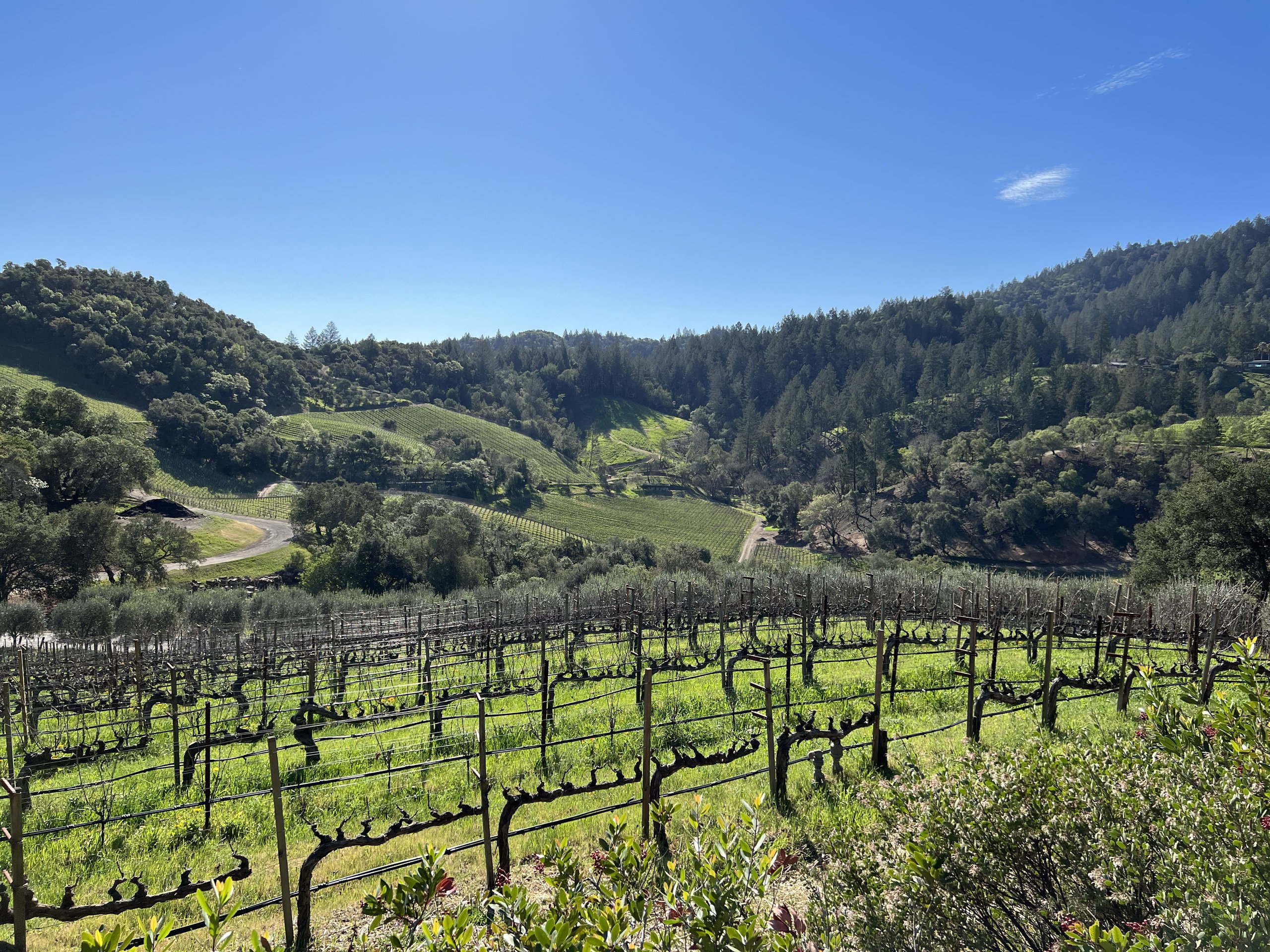
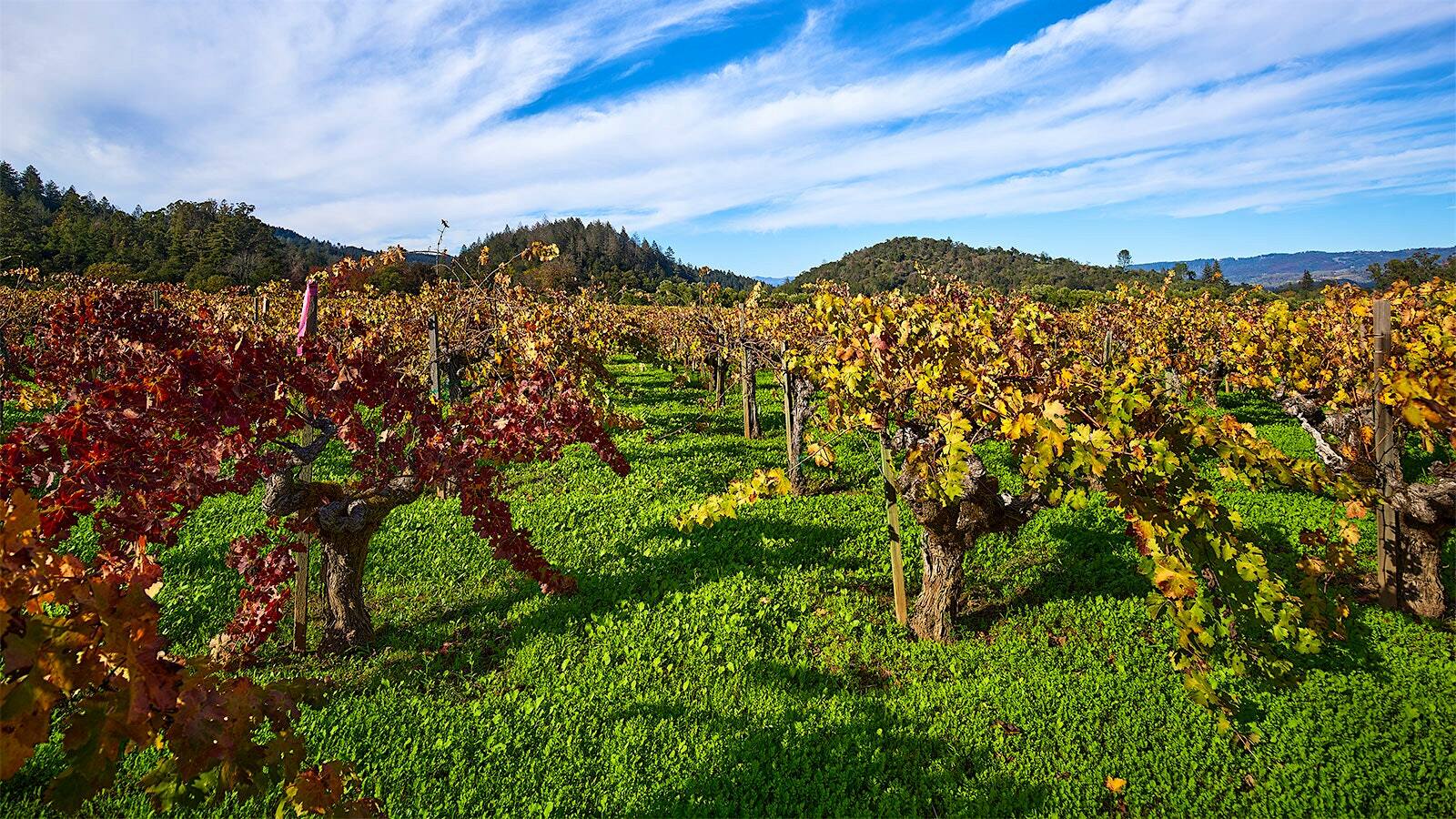
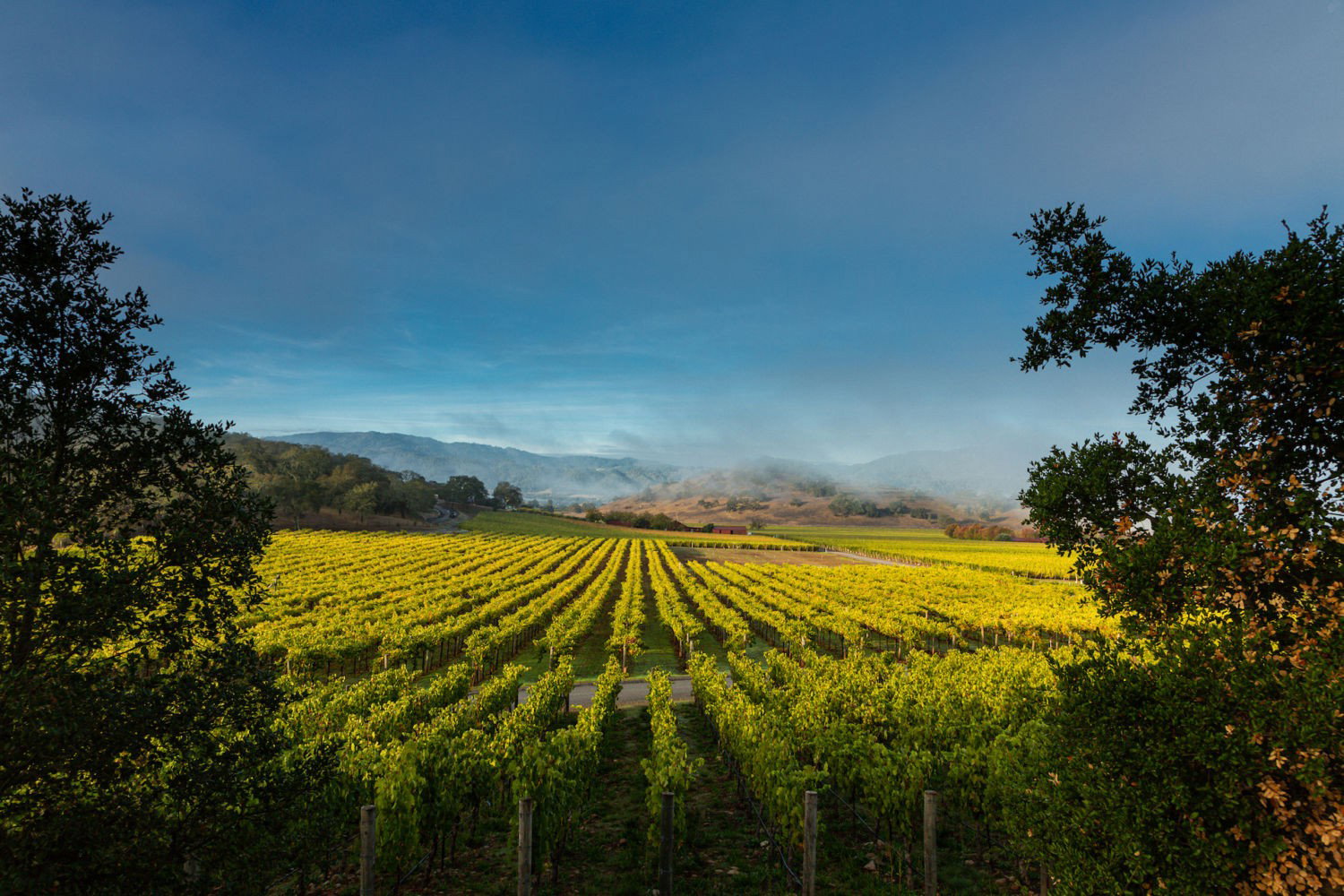
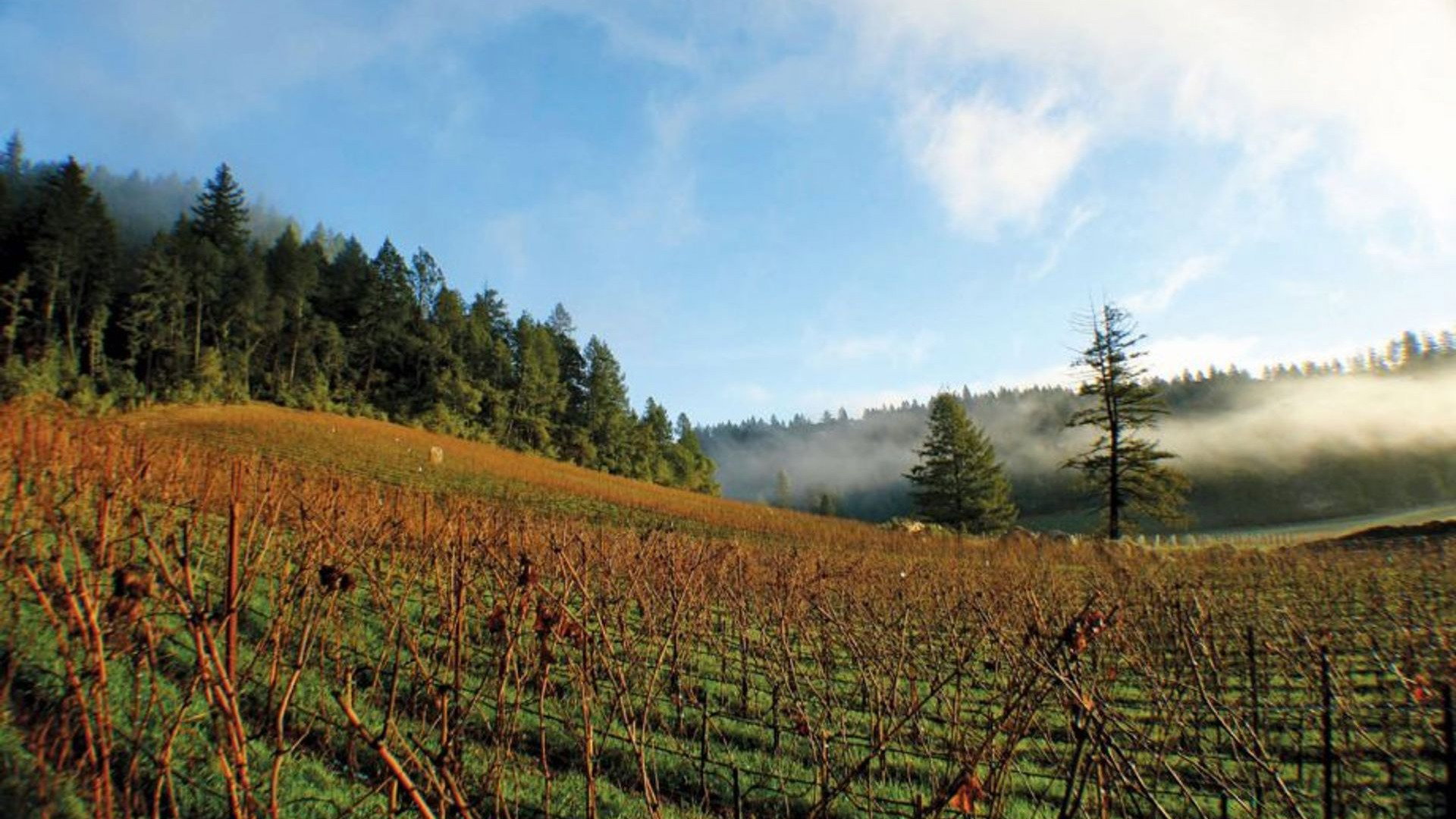
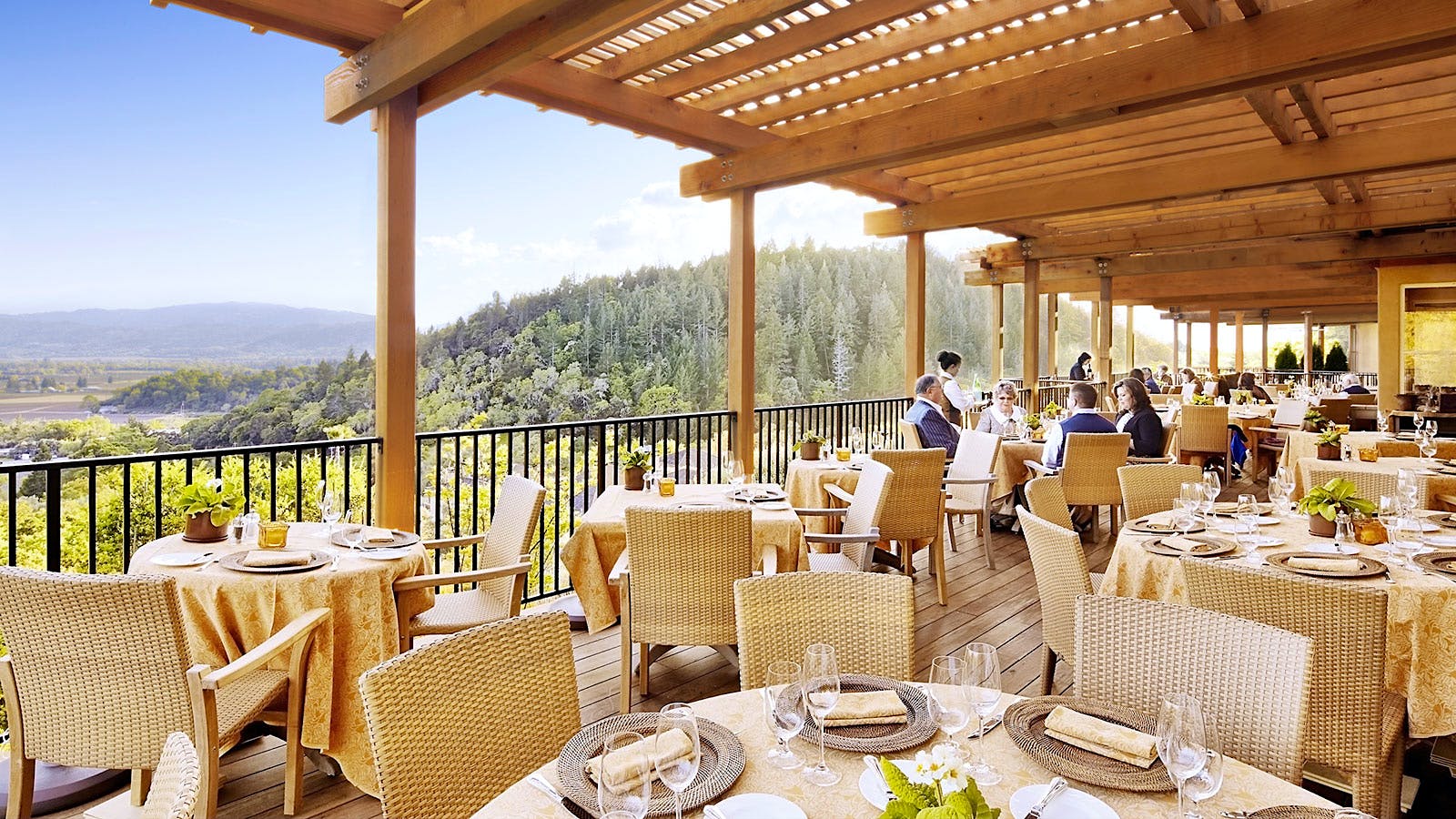
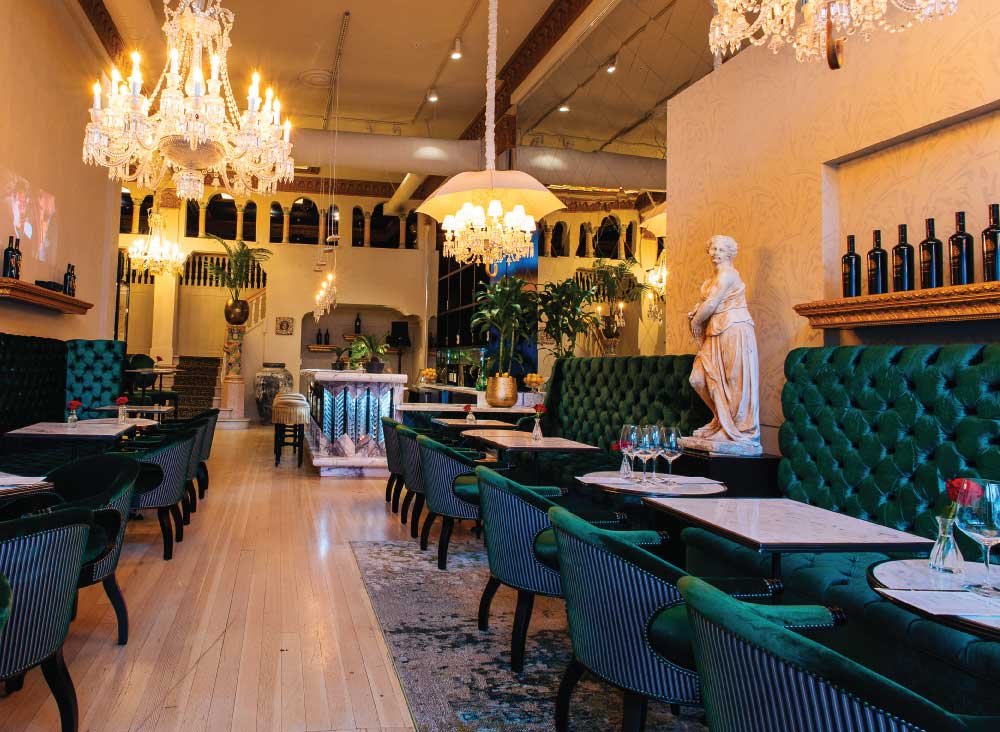
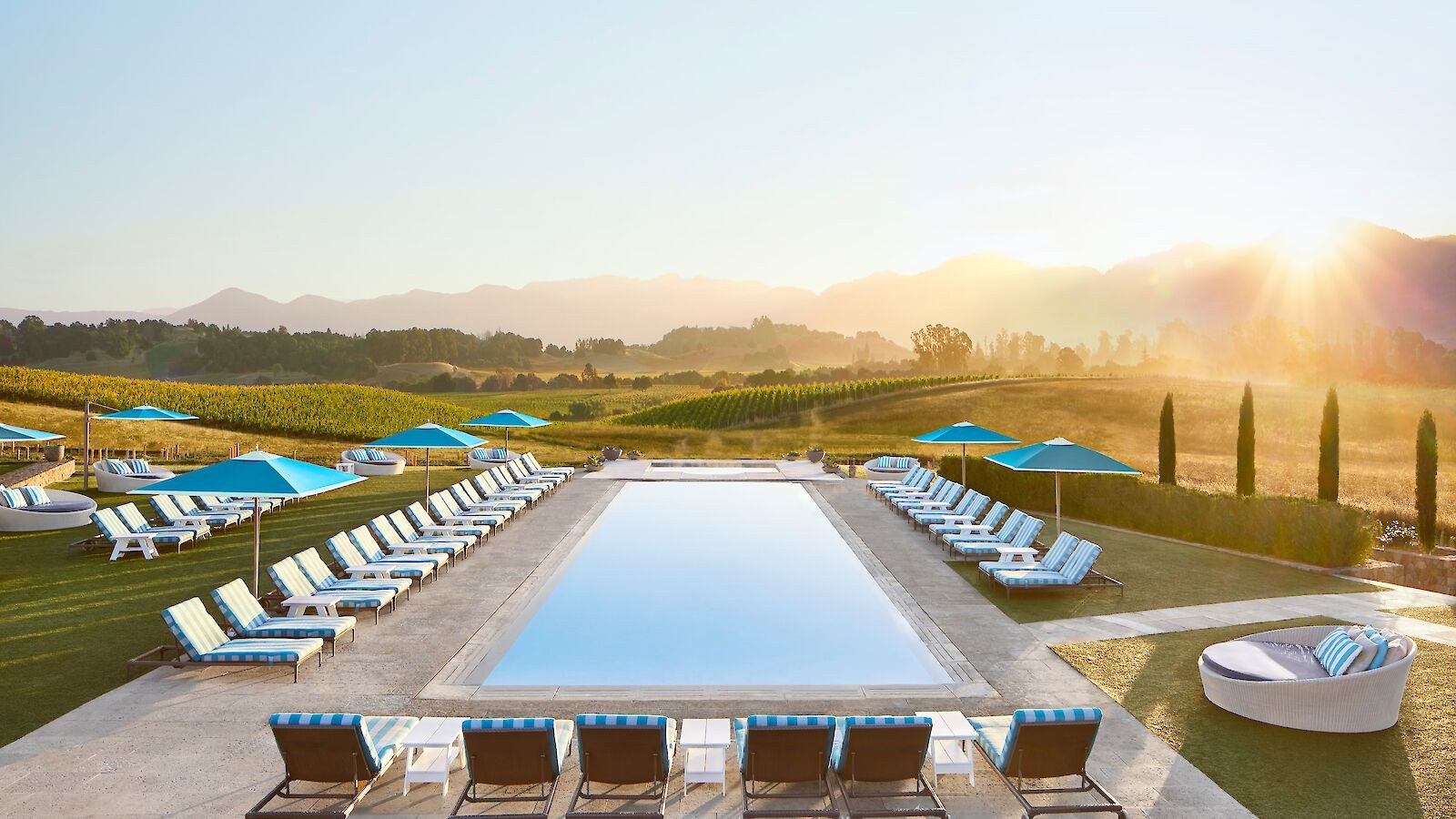
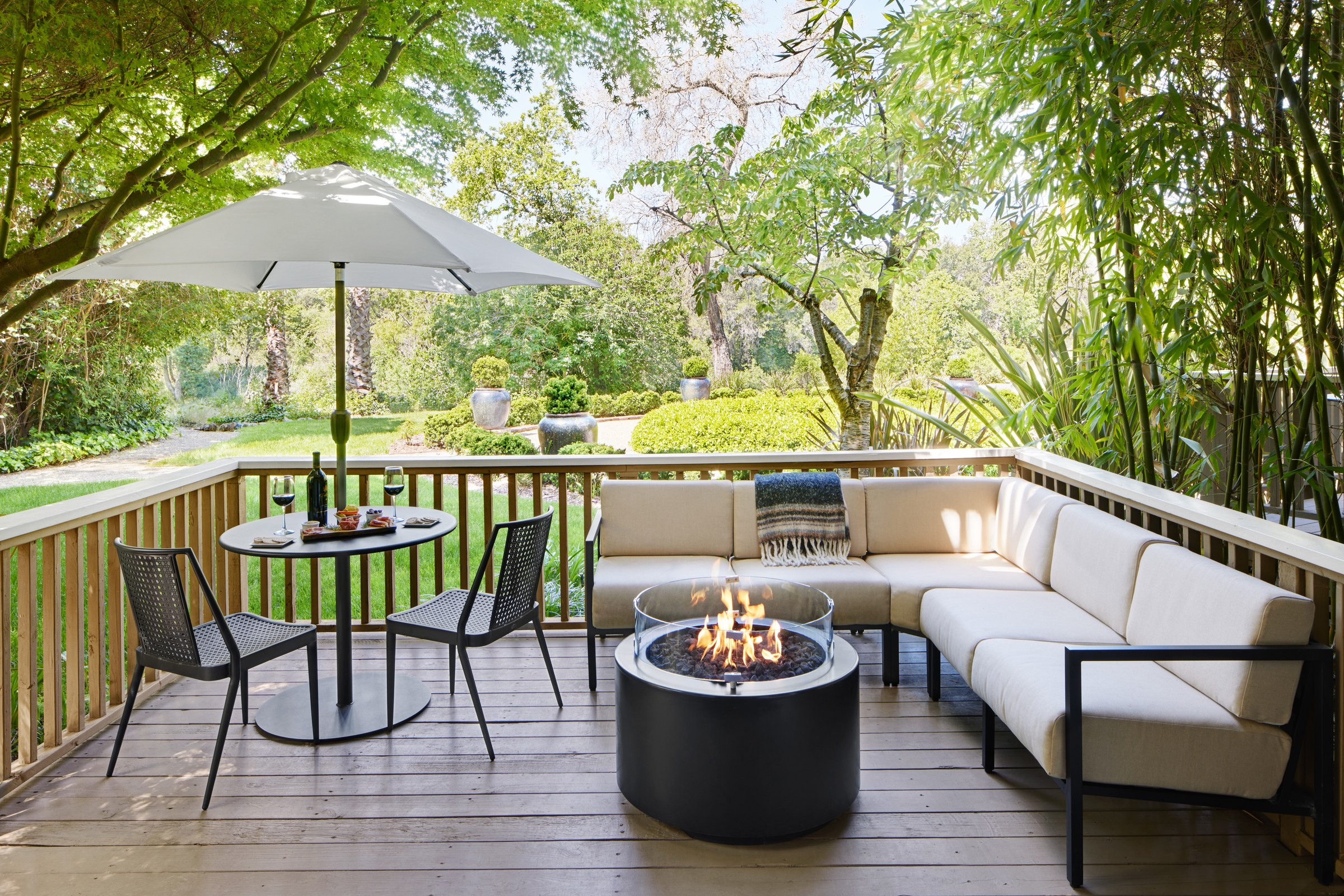
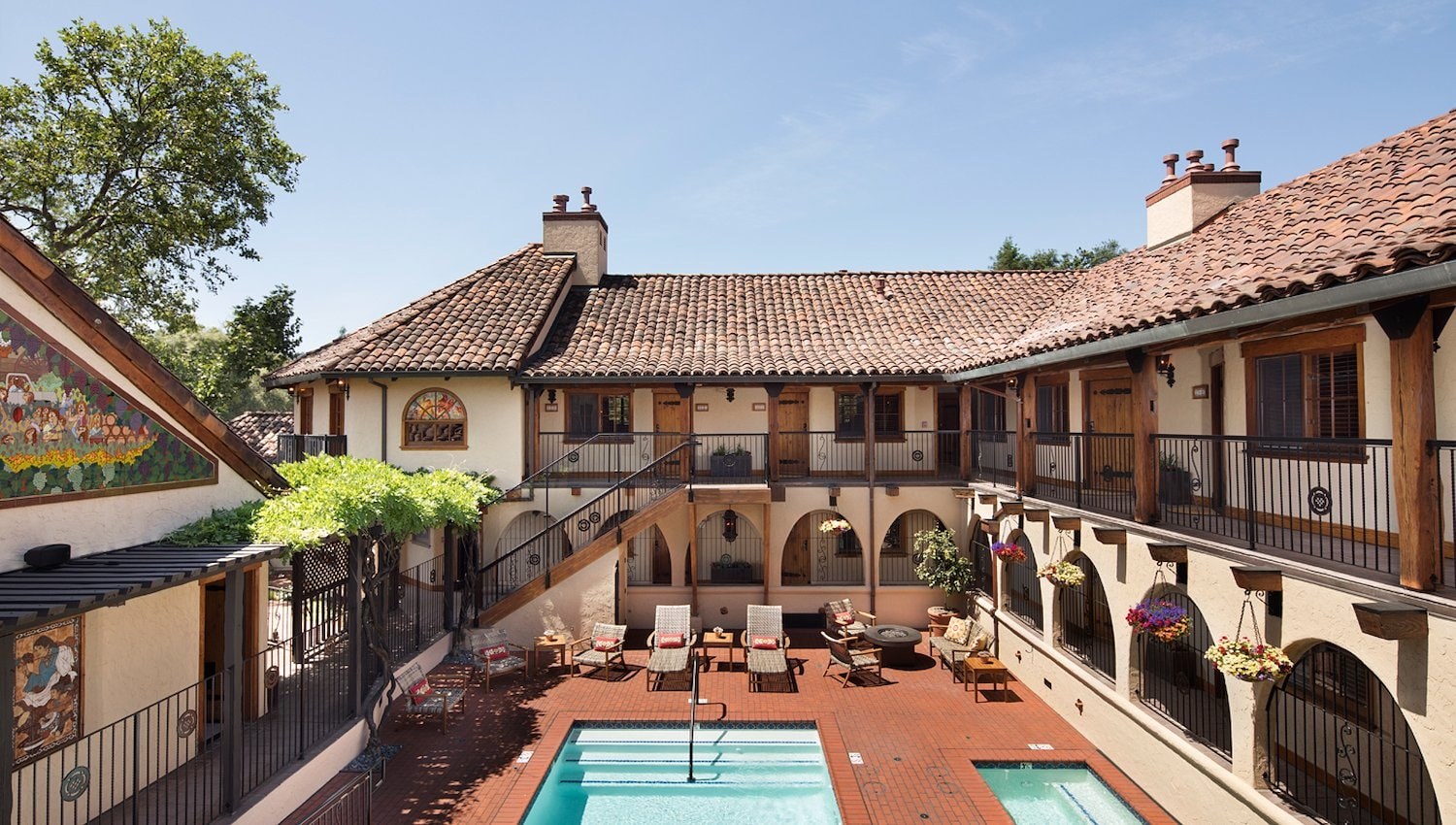
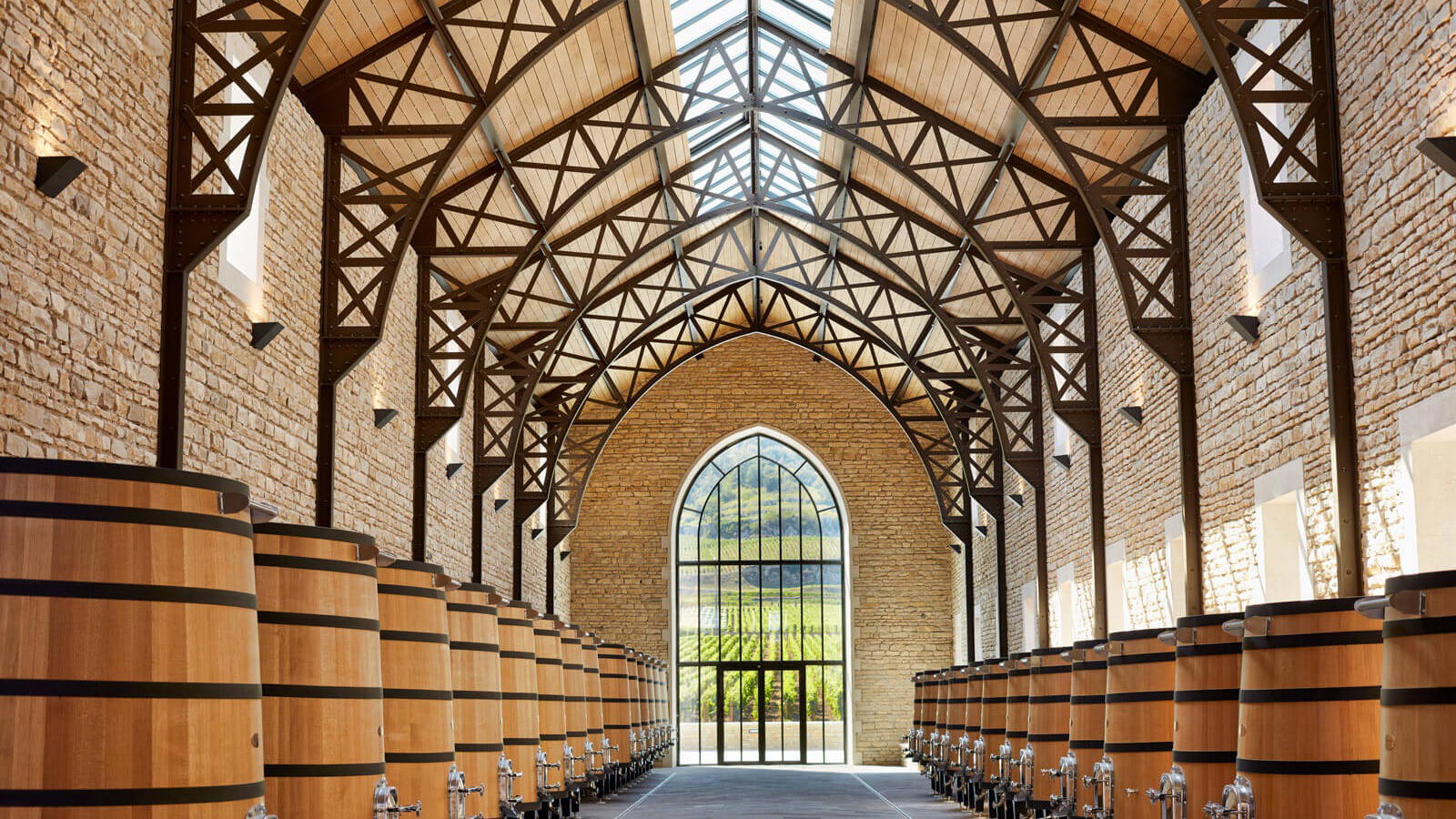
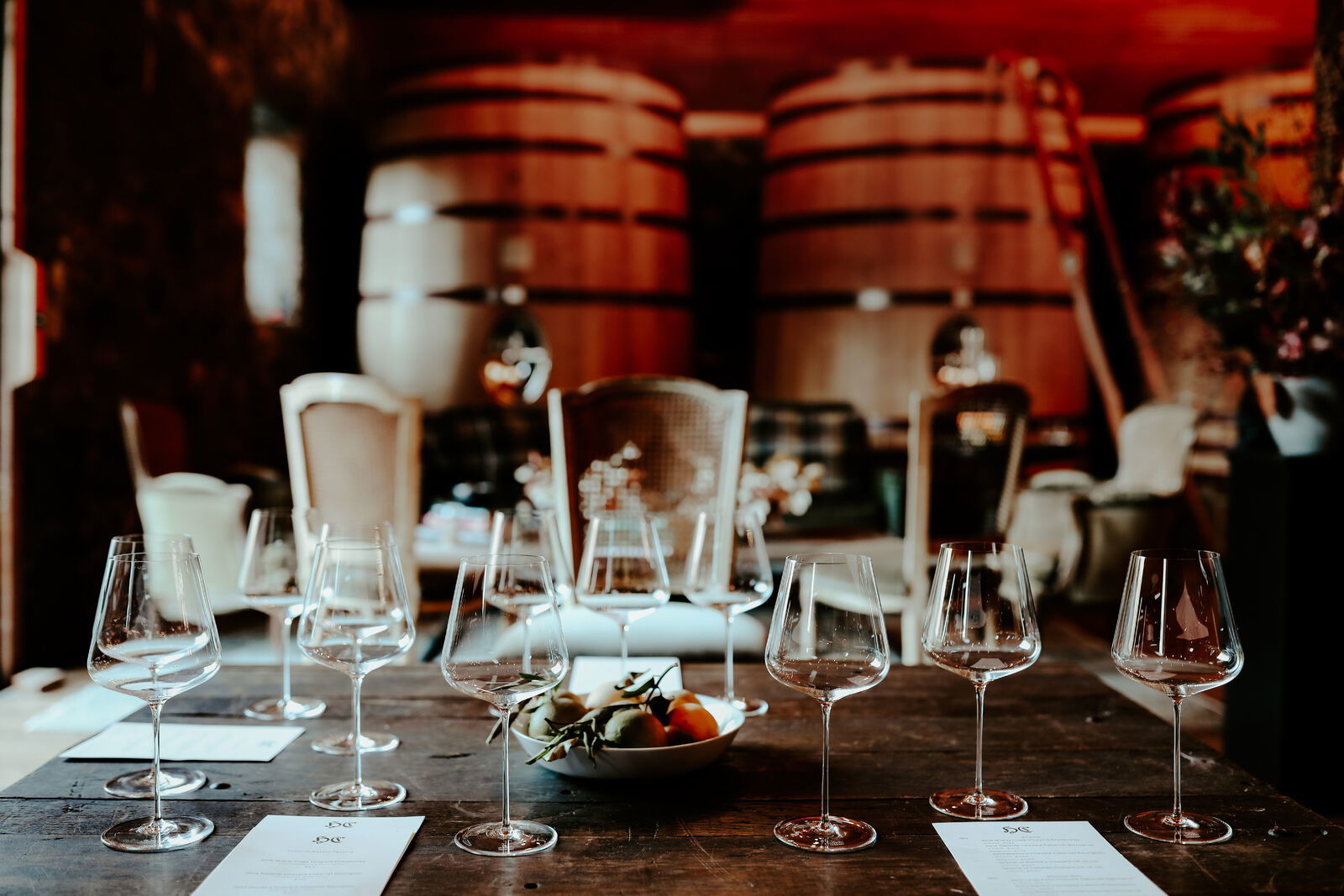
Historic stone winery with rustic charm, old oak tanks, and serene vineyard surroundings evoking old Napa Valley.
Tags
Vibe
Best For
Experience
Sourcing
View
At the Vineyard
- Appellation
- Napa Valley AVA
- Varietals
- Cabernet Sauvignon, Chardonnay, Grignolino, Pinot Noir
- Tour Duration
- 60-90 minutes
- Tour Languages
- English
- Visits
- By appointment only
- Farming
- Organic
- Production
- Mid-size producer
- Wine Styles
- Still Red, Still White
- Shipping
- Available
- Wine Club
- Available
Know before you go
Know Before You Go
- Getting there
- 436 St Helena Hwy, St Helena, CA 94574
Planning details
Location
Recognition and awards

Also consider
If this is hard to book
Try Louis M. Martini Winery first if the group still wants a Cabernet-oriented Napa experience. Choose HALL Wines St. Helena if the occasion needs more visual impact and a livelier room.
Winery context
How it compares in Napa
Choose Heitz Cellar Estate when the priority is heritage and a more serious Napa Cabernet frame. Louis M. Martini Winery is the closest practical cross-shop for visitors who want a major Napa name with a Cabernet focus, while Heitz is the stronger fit for guests who care more about first-vintage depth and estate reputation than a broad, easy schedule.
HALL Wines St. Helena is better for groups that want a more visually driven experience and a livelier St. Helena stop. V. Sattui and Sutter Home Winery are easier recommendations for mixed-experience groups, first-time visitors, or anyone who wants a lighter, more flexible day.
Prager Winery & Port Works is the better backup if the group wants a smaller, more specialized visit rather than another classic Napa Cabernet appointment. For value, Heitz makes sense when the occasion justifies chasing a harder booking; for lower-friction planning, the peers are easier bets.
Around this place
Discover more on Pearl
Unlock the full Heitz Cellar Estate guide in Pearl, including awards, comparisons, FAQs, planning details, and nearby places.
Compare Heitz Cellar Estate
| Venue | Location | Awards |
|---|---|---|
| Heitz Cellar Estate | Napa | 2026 Falstaff Winery Guide2025 Pearl 4 Star Prestige |
| Louis M. Martini Winery | Napa | 2025 Pearl 3 Star Prestige |
| HALL Wines St. Helena | St. Helena | 2025 Pearl 2 Star Prestige |
| Sutter Home Winery | St. Helena | No published awards |
| V. Sattui | Napa | 2025 Pearl 2 Star Prestige |
| Prager Winery & Port Works | St. Helena | No published awards |
How Heitz Cellar Estate Napa compares with similar nearby venues.
FAQ
Frequently Asked Questions
What is confirmed about Heitz Cellar Estate?
Heitz Cellar Estate is in Napa, Brittany Sherwood is the chef/owner, the dress code is smart casual, and Pearl recognizes it with 4 Star Prestige for 2025. Confirm current offerings directly with the venue before planning around any specific service.
Can Heitz Cellar Estate handle large groups?
Group capacity is not available here. If group logistics are important, confirm directly with Heitz Cellar Estate before planning around a specific party size, and compare the fit with Sutter Home Winery or V. Sattui.
What should guests wear to Heitz Cellar Estate?
The dress code is smart casual. Guests should dress neatly while avoiding assumptions about a more formal requirement unless the venue provides different guidance for a specific visit.
When is the best time to visit Heitz Cellar Estate?
Specific hours and visit timing are not available here. Confirm current availability directly with Heitz Cellar Estate, then build the rest of the Napa itinerary around the confirmed time.
Where is Heitz Cellar Estate?
Heitz Cellar Estate is in Napa. Use the venue's official channels for current directions and arrival instructions.
What other venues should I compare with Heitz Cellar Estate?
Useful comparison points include Louis M. Martini Winery, HALL Wines St. Helena, Sutter Home Winery, V. Sattui, and Prager Winery & Port Works. Choose Heitz Cellar Estate when the Pearl 4 Star Prestige Napa profile is the priority.