Boutari Winery
Naoussa
Winery in Naoussa, Greece
 Book with Pearl
The Read
Xinomavro Appellation Precision
Why go
Boutari Winery is a strong Naoussa choice for travelers who want Xinomavro context before comparing smaller producers. Prioritize it as an orientation stop, then cross-shop Diamantakos Winery, Kir-Yianni Estate, or Vaeni Naoussa depending on whether the day is about producer detail, estate atmosphere, or regional breadth.
About Boutari Winery
Boutari Winery is a Naoussa winery with confirmed Pearl 2 Star Prestige recognition for 2025. With only limited public detail available here, the safest and most accurate way to frame the visit is simple: consider it as a winery stop in Naoussa, then confirm current visit arrangements directly before building a day around it. That approach keeps the focus on what is actually known, while still allowing the winery to be part of a thoughtful research plan for travelers already looking closely at the area.
For travelers comparing related producers, Boutari Winery can sit naturally alongside Diamantakos Winery, Kir-Yianni Estate, Vaeni Naoussa, Apostolos Thymiopoulos, Artisans Vignerons de Naoussa. The record does not establish a specific tour format, tasting structure, food service, flagship bottle, price, or hours, so use those comparisons as planning context rather than as proof of a particular experience. In practical terms, that means it is best treated as one confirmed Naoussa name to investigate further, not as a venue where the details should be assumed from reputation, category, or proximity to other producers.
A Naoussa winery with confirmed recognition
The clearest confirmed signal is the Pearl 2 Star Prestige recognition in 2025. Beyond that, the data is intentionally narrow: Boutari Winery is in Naoussa, the dress code is casual. That makes it a direct candidate for visitors researching Naoussa wineries, but not a page where claims about menu style, tasting format, vineyard focus, or visitor facilities should drive the decision. The recognition gives the listing weight, yet the absence of additional confirmed visitor information matters just as much for planning, because a winery visit depends heavily on the details of access, structure, availability.
Because confirmed operational details are limited, check the venue's official channels before visiting. If the winery is part of a broader Naoussa itinerary, plan with flexibility and verify current availability, timing, any visitor requirements directly. This is especially useful if you are arranging more than one winery stop in the same day, since even small uncertainties around timing or format can affect the rhythm of the route. A direct confirmation helps separate what is currently available from what may be assumed, outdated, seasonal, or simply not part of the visitor offer.
How to consider Boutari Winery in a Naoussa itinerary
Choose Boutari Winery if you want to include a recognized Naoussa winery in your route. If you are comparing several producers, Diamantakos Winery, Kir-Yianni Estate, Vaeni Naoussa, Apostolos Thymiopoulos, Artisans Vignerons de Naoussa are natural names to research alongside it. Keeping those names together can help structure the research phase, but it should not be used to infer that each offers the same kind of visit. The better method is to compare confirmed details one by one, then decide which stops fit the time, interests, level of certainty you need for the day.
Bottom line: Boutari Winery works for a Naoussa wine itinerary because its Pearl 2 Star Prestige recognition is confirmed. Keep the rest of the plan practical: dress casually, verify visit details in advance, avoid assuming any specific tasting, dining, or bottle focus unless the winery confirms it directly. With that measured approach, the listing remains useful without overstating what is known. Treat it as a promising Naoussa option, anchor your expectations in confirmed information, let direct verification determine whether it becomes a firm stop on the itinerary.
Planning details
- Location
- 592 00, Epar.Od. Naousas-Kato Vermiou, Stenimachos 590 35
- Website
- boutari.gr
- Phone
- +30 2332 059700
The take
The Take
The Vibe
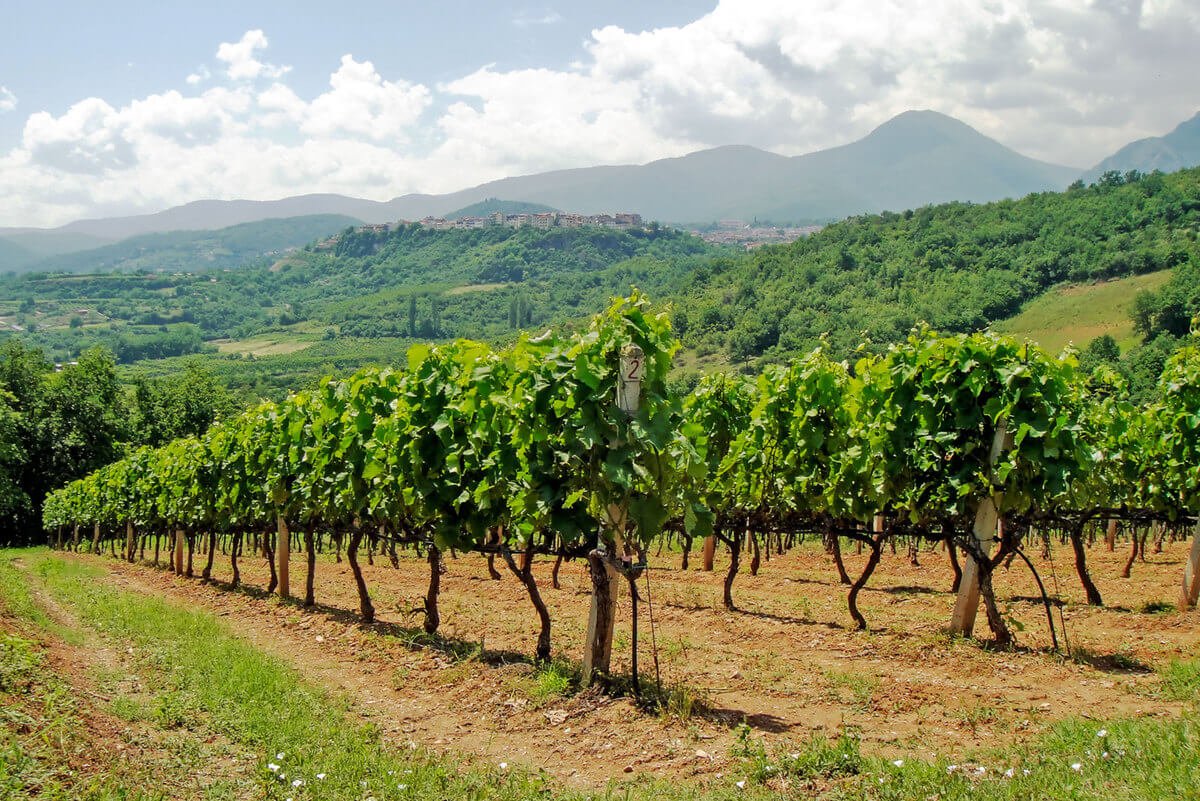
Boutari in Stenimachos reads like a winery anchored to its place: terraced vineyards, cooler mountain nights and volcanic/alluvial soils dominate the story. The writing emphasizes technical rigor — Xinomavro's high acidity and firm tannins demand patience from both maker and drinker — which lends the site a quietly sophisticated, historically rooted character. This is not a showy tasting room; it's a landscape-driven estate where geology and elevation do the visible work and the wines reflect that structural seriousness. Visitors encounter a sober, thoughtful atmosphere focused on terroir and age-worthy expression.
Best For
Boutari is best for curious wine travelers, students of terroir and collectors who prize structure and cellaring potential. The piece highlights why Naoussa's elevation and soils shape Xinomavro's personality, so the winery suits people who want to probe how place affects flavour and tannin development. It's also well matched to solo explorers and anyone seeking an instructive stop on a regional tasting route — those who enjoy comparing vineyard sites, learning about ripening windows and tasting wines that reward patience and aging.
Tasting Tips
When choosing wines here, prioritize Xinomavro expressions from Stenimachos or labeled parcels that reflect elevation; the text stresses cooler nights and delayed ripening as hallmarks of quality. Ask for examples with age or cellaring potential — the variety is compared to Nebbiolo for its structure and reward with time. If available, sample bottles that cite soil type or vineyard site to hear mineral tension and phenolic development; these contrasts illustrate how volcanic and alluvial soils, plus cooler temperatures, influence acidity and tannin.
Venue details
Ambiance
Classy tasting room with knowledgeable staff in a historic setting featuring production areas and aging cellars.
Tags
Vibe
Best For
Experience
View
At the Vineyard
- Appellation
- Naoussa PDO
- Varietals
- Xinomavro, Moschofilero, Agiorgitiko, Kotsifali, Syrah
- Tour Duration
- 60-90 minutes
- Wine Club
- Not available
Planning details
Location
Also consider
Where to look if this is hard to arrange
If timing does not work, look first at Kir-Yianni Estate for a polished estate-style alternative, or Diamantakos Winery for a more focused producer comparison. For a broader regional counterpoint, Vaeni Naoussa is the more practical cross-shop.
Winery context
How Boutari Winery compares in Naoussa
Boutari Winery is the better choice if the goal is regional orientation: it gives a broader frame for Naoussa before the itinerary narrows into individual producer styles. Diamantakos Winery is the sharper pick for travelers who want a smaller-producer comparison, while Kir-Yianni Estate is the stronger cross-shop when estate atmosphere matters as much as wine context.
For value planning, avoid treating the Naoussa set as interchangeable. Vaeni Naoussa makes sense for readers who want a cooperative-style reference point, while Apostolos Thymiopoulos is better suited to travelers chasing a focused producer lens outside the core Naoussa stop pattern. Artisans Vignerons de Naoussa is another comparison if the brief is breadth rather than a single estate visit.
Recommendation: start with Boutari Winery if this is the first serious Naoussa tasting of the trip, then add Diamantakos Winery or Kir-Yianni Estate based on whether the second stop should feel more intimate or more estate-led. If scheduling is tight, choose one orientation stop and one contrast stop rather than trying to cover every peer in a single day.
Explore Naoussa
Around this place
Discover more on Pearl
Unlock the full Boutari Winery guide in Pearl, including awards, comparisons, FAQs, planning details, and nearby places.
Compare Boutari Winery
| Venue | Location | Awards |
|---|---|---|
| Boutari Winery | Naoussa | No published awards |
| Artisans Vignerons de Naoussa | Stenimachos | No published awards |
| Diamantakos Winery | Naoussa | No published awards |
| Kir-Yianni Estate | Naoussa | 2019 World's 50 Best Vineyards · #48 |
| Vaeni Naoussa | Naoussa | No published awards |
| Apostolos Thymiopoulos | Trilofos | No published awards |

How Boutari Winery Naoussa compares with similar nearby venues.
FAQ
Frequently Asked Questions
What is the flagship wine at Boutari Winery?
The data does not name a flagship wine. Treat Boutari Winery as a Naoussa winery with confirmed Pearl 2 Star Prestige (2025), and check directly with the venue for current bottle information. If you want to compare producer profiles, Apostolos Thymiopoulos and Diamantakos Winery are other names to research.