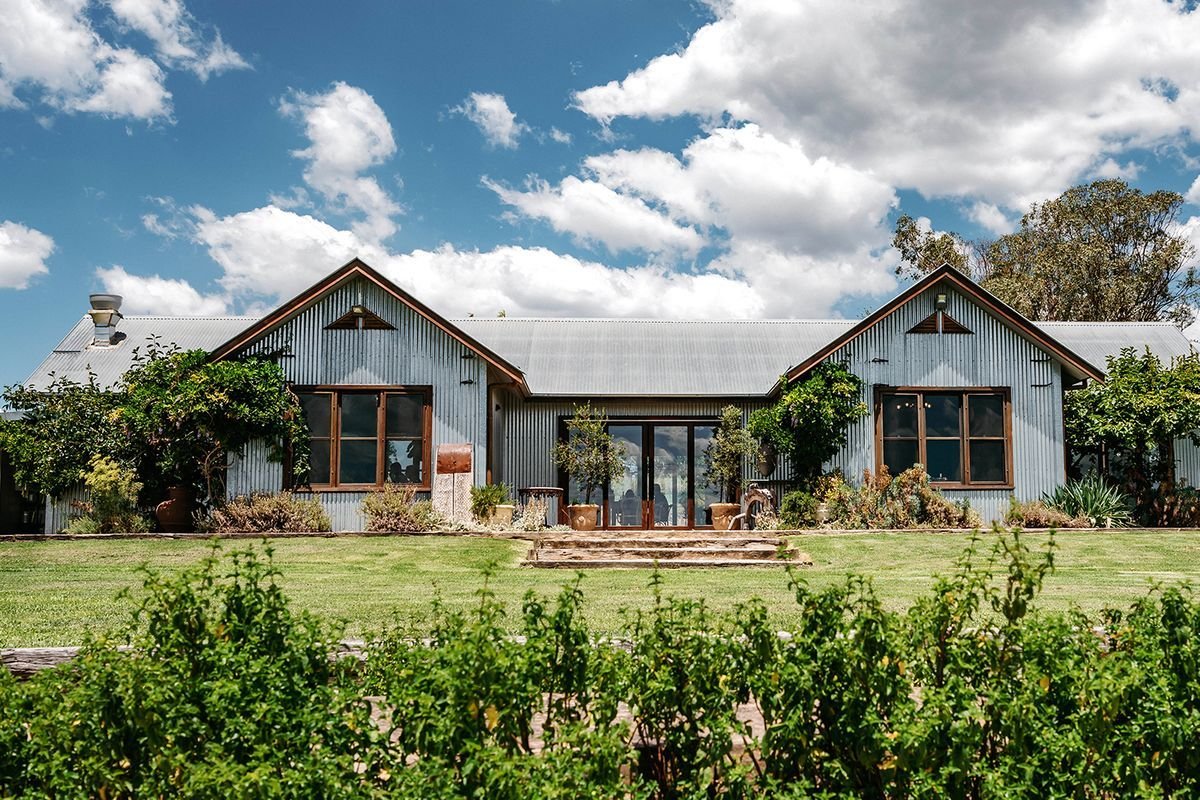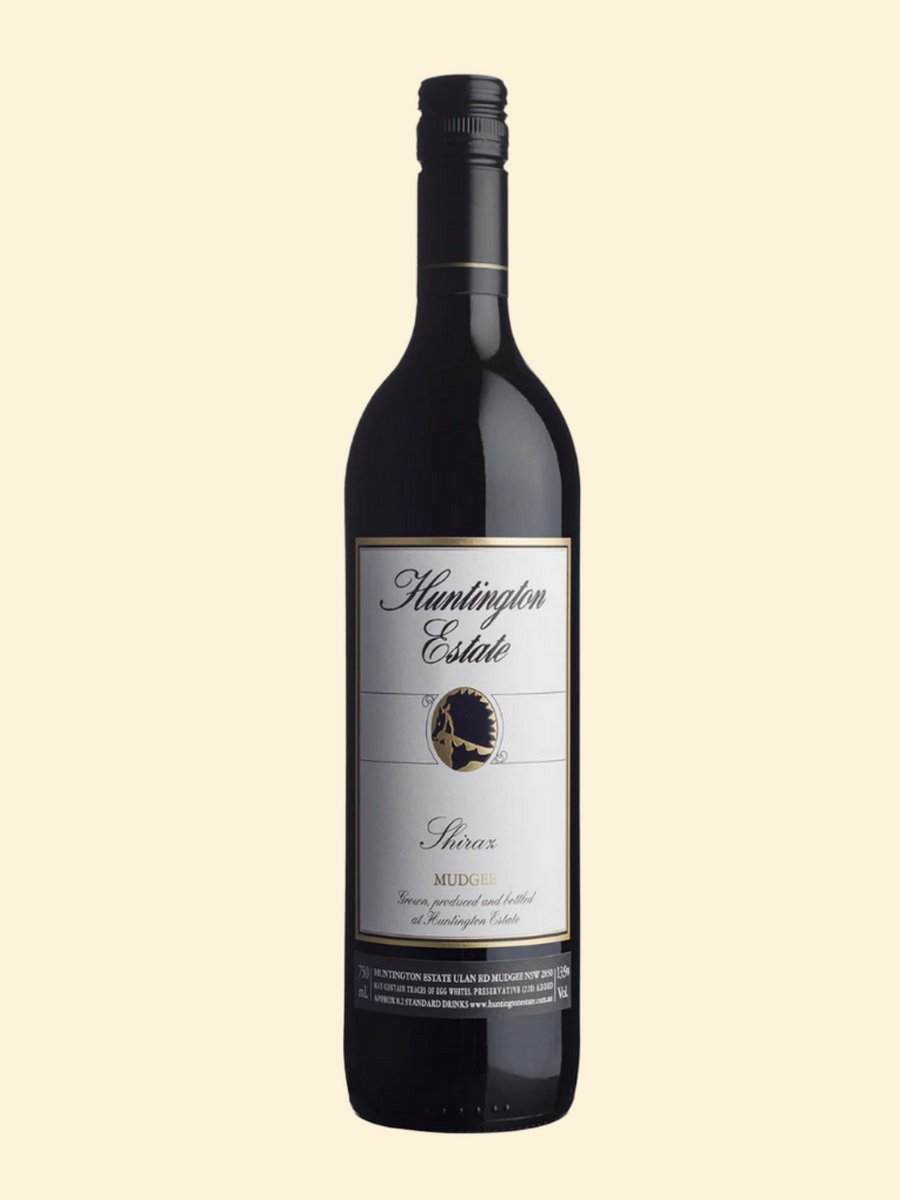
Huntington Estate
Buckaroo, Mudgee
Winery in Mudgee, Australia
 Book with Pearl
The Read
Red Granite Terroir Wines
Why go
Prioritise Huntington Estate if your Mudgee trip is wine-first and you are willing to plan ahead. It is a better fit for focused tasters and cellar builders than for groups wanting food, cocktails, or a loose walk-in itinerary.
About Huntington Estate
The practical takeaway is simple: Huntington Estate belongs on a Mudgee shortlist if you are comparing venues, but any specifics about the visit should be checked directly with the venue before you go. The dress code is casual, so visitors do not need to plan for formal attire.
Consider it as a recognised Mudgee venue, with details checked directly
Avoid assuming a particular service style, dining format, drinks program, price point, or booking requirement unless Huntington Estate confirms it through its own current channels.
That makes the venue best approached with a simple plan: confirm the practical details you care about, dress casually, and use the recognition as a signal that it is worth considering in Mudgee.
How to fit it into a sharper regional itinerary
For a broader comparison, consider Huntington Estate alongside regional options such as Robert Oatley Vineyards, De Iuliis, Black Gate Distillery, Karu Distillery, Tyrrell's Wines, or other unnamed dining and venue options in Mudgee, depending on the type of outing you want.
Keep the comparison practical rather than over-specific. Huntington Estate can sit within a broader regional plan, but the right choice depends on the current details each venue confirms for the date you want to visit.
Planning details
- Location
- 641 Ulan Rd, Buckaroo NSW 2850
- Website
- huntingtonestate.com.au
- Phone
- +61 2 6373 3825
The take
The Take
The Vibe
Huntington Estate presents a measured, sophisticated personality rooted in Mudgee’s upland climate. Cool nights, meaningful diurnal range and clay-rich soils yield structured, patient wines. Tastings here are implied to favor contemplation over spectacle: a place for drinkers who appreciate nuance, restraint and the slow-working hand of site. The overall tone is refined and deliberate, suited to visitors who value clarity about origin and winemaking intention rather than flashy, fruit-forward presentations.
Best For
This estate is best for people who care about learning why place matters in a bottle. The text frames Huntington as an instructive stop for wine education, where understanding elevation, soils and diurnal temperature swings is the entry point to appreciation. It also suits solitary tastings or small, focused groups of enthusiasts who want to study structure and aging potential rather than seek a party atmosphere. Collectors and curious drinkers who favor medium- to long-term thinking about wines will get the most from a visit.
Tasting Tips
Ask to taste wines that showcase the estate’s cooler-climate profile and inquire about vineyard sites and recent vintages, looking for examples that display structure and age-worthiness. Compare younger releases with older vintages if available to assess the wine’s development over the medium term. Favor bottles described as 'structured' or 'patient' rather than overtly fruity; these are most representative of Huntington’s terroir-led approach.
Venue details
Ambiance
Relaxed and charming tasting room set amongst the barrel room with stained glass windows and homely interior reflecting winery history.
Tags
Vibe
Best For
Experience
View
At the Vineyard
- Appellation
- Mudgee
- Varietals
- Cabernet Sauvignon, Shiraz, Merlot, Chardonnay, Semillon
- Tour Duration
- 60-90 minutes
- Visits
- By reservation
- Wine Styles
- Still Red, Still White, Still Rose
- Shipping
- Available
- Wine Club
- Not available
Know before you go
Know Before You Go
- Getting there
- 641 Ulan Rd, Buckaroo NSW 2850
Planning details
Location
Also consider
Also Consider
- Robert Oatley Vineyards, Notable alternative
- Black Gate Distillery, Notable alternative
- Karu Distillery, Notable alternative
- De Iuliis, Notable alternative
- Tyrrell's Wines, Notable alternative
Winery context
How It Compares
Against Robert Oatley Vineyards, Huntington Estate is the pick for a quieter, wine-led stop where the decision is mainly about bottle interest. Robert Oatley Vineyards is the more obvious cross-shop for visitors who want another recognisable Mudgee wine name, while Huntington Estate suits travellers who are comfortable planning around a harder booking.
Black Gate Distillery and Karu Distillery are not like-for-like alternatives; choose them when the group wants spirits, a shorter tasting rhythm, or a break from wine. Huntington Estate makes more sense when the day is built around cellar-door depth rather than general drinks tourism.
De Iuliis and Tyrrell's Wines are useful comparisons if you are weighing a broader regional wine itinerary. For value, choose based on intent: Huntington Estate is easier to justify when you expect to buy wine, while the alternatives may suit visitors looking to sample more widely across producers and regions.
Explore Mudgee
Around this place
Discover more on Pearl
Unlock the full Huntington Estate guide in Pearl, including awards, comparisons, FAQs, planning details, and nearby places.
Compare Huntington Estate
| Venue | Location | Awards |
|---|---|---|
| Huntington Estate | Mudgee | No published awards |
| Robert Oatley Vineyards | Mudgee | No published awards |
| Black Gate Distillery | Mendooran | No published awards |
| Karu Distillery | Blue Mountains | No published awards |
| De Iuliis | Hunter Valley | No published awards |
| Tyrrell's Wines | Hunter Valley | 2026 Falstaff Winery Guide |

How Huntington Estate Mudgee compares with similar nearby venues.