

CrossKeys Vineyards
Shenandoah Valley, Mount Crawford
Winery in Mount Crawford, United States
 Book with Pearl
The Read
Valley-Floor Terroir Wines
Why go
CrossKeys Vineyards is the Mount Crawford pick when the setting matters: celebrations, date afternoons, and winery days where the grounds are part of the value. The 2025 Pearl 2 Star Prestige recognition gives it a quality signal, but the smarter reason to choose it is the estate-led experience rather than a specific published bottle or menu.
About CrossKeys Vineyards
CrossKeys Vineyards is a Mount Crawford venue with a casual dress code and a 2 Star Prestige recognition for 2025.
Use that concise profile carefully. CrossKeys Vineyards may still belong on a Mount Crawford shortlist, especially if you are comparing recognized venues, but the safest planning approach is to confirm current details directly with the venue before building a visit around a specific service, menu, bottle, or schedule.
The profile is concise
The strongest signal is 2 Star Prestige (2025). The dress code is casual, which keeps expectations relaxed rather than formal. For cuisine, chef, tasting format, wine lineup, price range, hours, and reservation policy, check directly with the venue.
Avoid assuming a particular kind of visit. If timing, food, accessibility, group planning, or a specific wine experience matters, check CrossKeys Vineyards directly before you go.
Who should choose it, and who should cross-shop
Choose CrossKeys Vineyards if you want a Mount Crawford venue with a 2 Star Prestige recognition and a casual dress code. Cross-shop if your decision depends on details such as published pricing, a specific tasting format, food service, hours, or a named wine.
Other venues to compare in broader planning include Brix & Columns Vineyards, Bluestone Vineyard, Barren Ridge Vineyards, White Hall Vineyards, and Ox-Eye Vineyards. For dining or other plans in Mount Crawford, compare options generically and confirm current details with each venue.
Planning details
- Location
- 6011 E Timber Ridge Rd, Mt Crawford, VA 22841
- Website
- crosskeysvineyards.com
- Phone
- +1 540-234-0505
The take
The Take
The Vibe
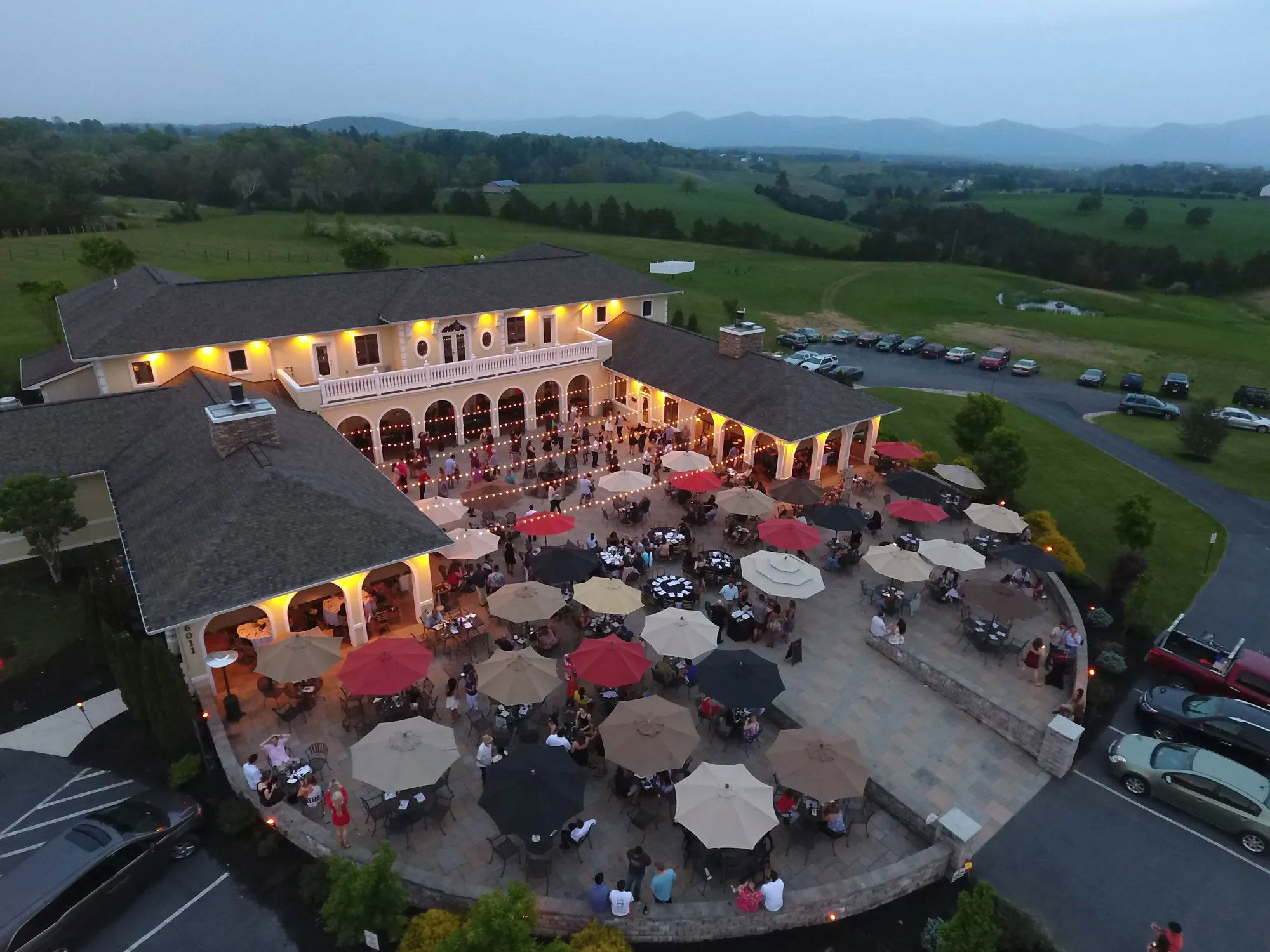
CrossKeys Vineyards sits on an elevated stretch of the Shenandoah Valley where the landscape is the first impression. The approach along East Timber Ridge Road and the layered Blue Ridge foothills frame a calm, contemplative scene. The estate reads as measured and rooted: the writing here is about place rather than flash. Wines and setting are presented with a restrained confidence that feels classic and quietly refined. Visitors experience a rural, terroir-forward winery where attention to elevation, diurnal swings and soil character translates into bottles that favor structure and freshness over overt ripeness.
Best For
This is a visit for people who want to learn why a place matters to a wine. The property is well suited to afternoon tastings that focus on terroir and the stylistic footprint of the Shenandoah Valley. It works for small celebrations and group outings drawn to the landscape as much as the wine, and for travelers seeking a thoughtful stop on a countryside drive. Because the description foregrounds viticultural factors and regional context, the winery is especially good for anyone interested in wine education and comparative tasting.
Tasting Tips
Ask for a tasting that highlights estate-expressive wines and any pours tied to the 2025 Pearl 2 Star Prestige recognition. Staff commentary about elevation, diurnal temperature variation and the valley's soils will sharpen your understanding of how the wines balance structure and acidity. Request flights that let you compare younger and more age-worthy bottlings so you can sense the role of cooler nights in preserving freshness. If a limited or award-winning release is available, make a point of tasting it while you are on site.
Venue details
Ambiance
Warm and inviting atmosphere with stunning mountain and vineyard views, relaxed Tuscan-style villa setting, and serene outdoor patio seating.
Tags
Vibe
Best For
Experience
View
At the Vineyard
- Appellation
- Shenandoah Valley
- Varietals
- Cabernet Franc
- Tour Duration
- 30 minutes
- Wine Club
- Not available
Know before you go
Know Before You Go
- Getting there
- 6011 E Timber Ridge Rd, Mt Crawford, VA 22841
Planning details
Location
Also consider
Where to look if CrossKeys Vineyards is not available
Try Brix & Columns Vineyards or Bluestone Vineyard first if the goal is to keep the plan in the same winery-day lane. For a broader tasting route, add Barren Ridge Vineyards, White Hall Vineyards, or Ox-Eye Vineyards to the shortlist.
Winery context
How CrossKeys Vineyards compares in Mount Crawford
Brix & Columns Vineyards, Bluestone Vineyard, Barren Ridge Vineyards, White Hall Vineyards, and Ox-Eye Vineyards are the relevant cross-shops for readers building a Mount Crawford-area winery day. CrossKeys Vineyards is the choice when ambiance and occasion fit carry the decision; it is less useful as a purely price-led pick because no clear public budget signal is supplied here.
For a special occasion, start with CrossKeys Vineyards if the group wants the estate setting to anchor the afternoon. If availability is tight, Brix & Columns Vineyards and Bluestone Vineyard are the first alternatives to check because they keep the plan in the same winery category without changing the day's structure. Barren Ridge Vineyards, White Hall Vineyards, and Ox-Eye Vineyards make sense when the priority is expanding the tasting route rather than committing the occasion to one estate.
The practical split is simple: choose CrossKeys Vineyards for a more composed celebration visit, cross-shop the others for flexibility. Without comparable listed pricing, the smarter comparison is not “cheaper versus pricier”; it is whether the setting justifies building the schedule around one stop.
Explore Mount Crawford
Around this place
Discover more on Pearl
Unlock the full CrossKeys Vineyards guide in Pearl, including awards, comparisons, FAQs, planning details, and nearby places.
Compare CrossKeys Vineyards
| Venue | Location | Awards |
|---|---|---|
| CrossKeys Vineyards | Mount Crawford | No published awards |
| Brix & Columns Vineyards | McGaheysville | No published awards |
| Bluestone Vineyard | Bridgewater | No published awards |
| Barren Ridge Vineyards | Fishersville | No published awards |
| White Hall Vineyards | White Hall | No published awards |
| Ox-Eye Vineyards | Staunton | No published awards |
How CrossKeys Vineyards Mount Crawford compares with similar nearby venues.
FAQ
Frequently Asked Questions
Do I need a reservation at CrossKeys Vineyards?
Is the wine club at CrossKeys Vineyards worth joining?
If membership matters to your decision, compare the current terms directly with CrossKeys Vineyards and, if useful, with Barren Ridge Vineyards or Bluestone Vineyard.
When is the best time to visit CrossKeys Vineyards?
What is the flagship wine at CrossKeys Vineyards?
If a specific bottle or wine style matters, confirm the current lineup directly with CrossKeys Vineyards, or compare with Ox-Eye Vineyards or White Hall Vineyards.
How long should I plan for a visit to CrossKeys Vineyards?
Confirm current service details, hours, and any booking requirements before setting your schedule.