Emidio Pepe
Torano Nuovo, Montepulciano
Winery in Montepulciano, Italy
 Book with Pearl
The Read
Terroir As Truth
Why go
Prioritize Emidio Pepe if the trip is built around serious Abruzzo wine rather than a casual tasting-room crawl. It is better suited to focused wine travelers than large mixed groups, and it makes more sense as a destination stop than an add-on between meals.
About Emidio Pepe
Emidio Pepe is a Pearl-recognized venue in Montepulciano, with Pearl 1 Star Prestige (2025).
A Montepulciano venue with confirmed recognition
Emidio Pepe is in Montepulciano and holds Pearl 1 Star Prestige (2025). For practical planning details such as exact location within the city, booking method, visit length, food service, purchases, or opening hours, check directly with the venue before arranging a trip.
The right reason to prioritize Emidio Pepe is its recognition. If your schedule depends on practical details, check the venue's official channels before committing the rest of the day around it.
How to compare it with other regional names
Emidio Pepe can be considered alongside Distilleria Varnelli, Enrico Toro Distilleria, Evangelista Liquori, Garofoli, and Umani Ronchi when deciding which Italian venues to prioritize. Compare them on the basis of your own itinerary and the information each venue confirms directly.
For planning around the area, use Emidio Pepe's Montepulciano location as the anchor, then layer meals or overnight stays from the Montepulciano restaurants guide and Montepulciano hotels guide. The verdict: keep Emidio Pepe on the shortlist for Montepulciano because of its Pearl 1 Star Prestige (2025), but verify practical details before building a day around it.
Planning details
- Location
- Contrada Chiesi, 10, 64010 Torano Nuovo TE, Italy
- Website
- emidiopepe.com
- Phone
- +39 0861 856493
The take
The Take
The Vibe
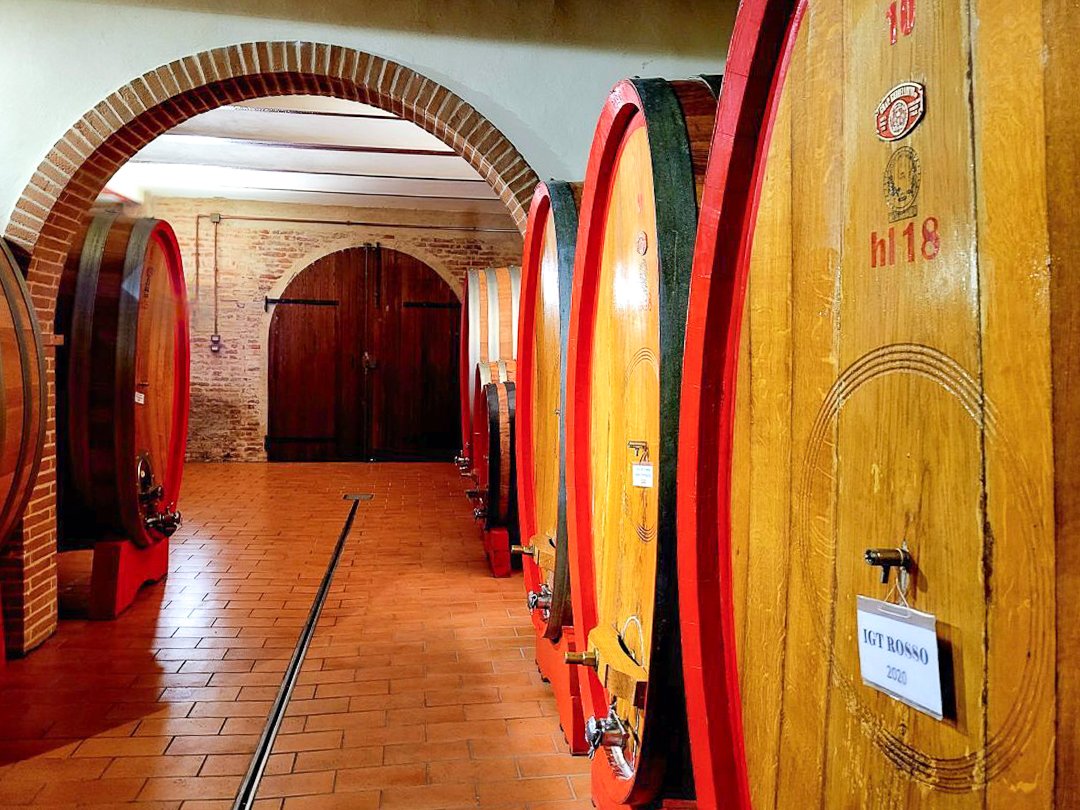
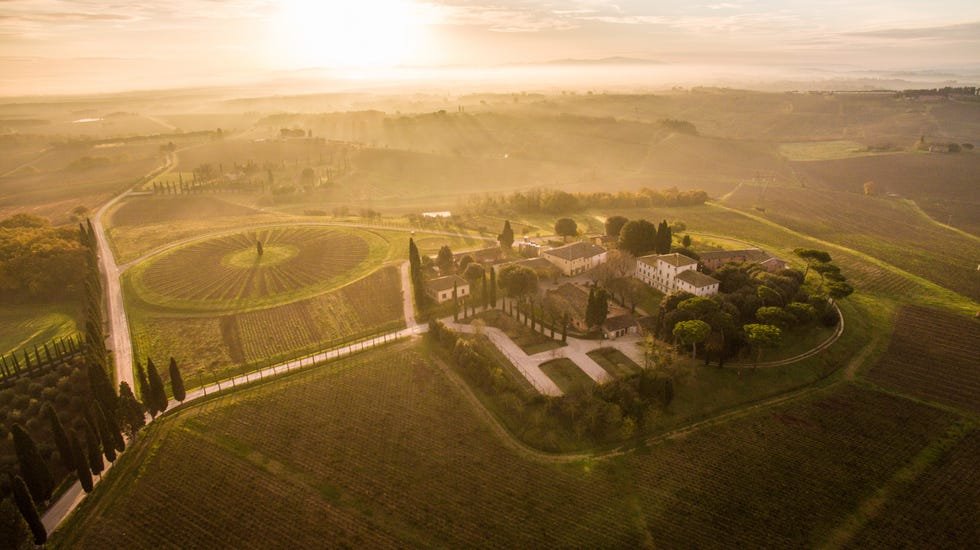
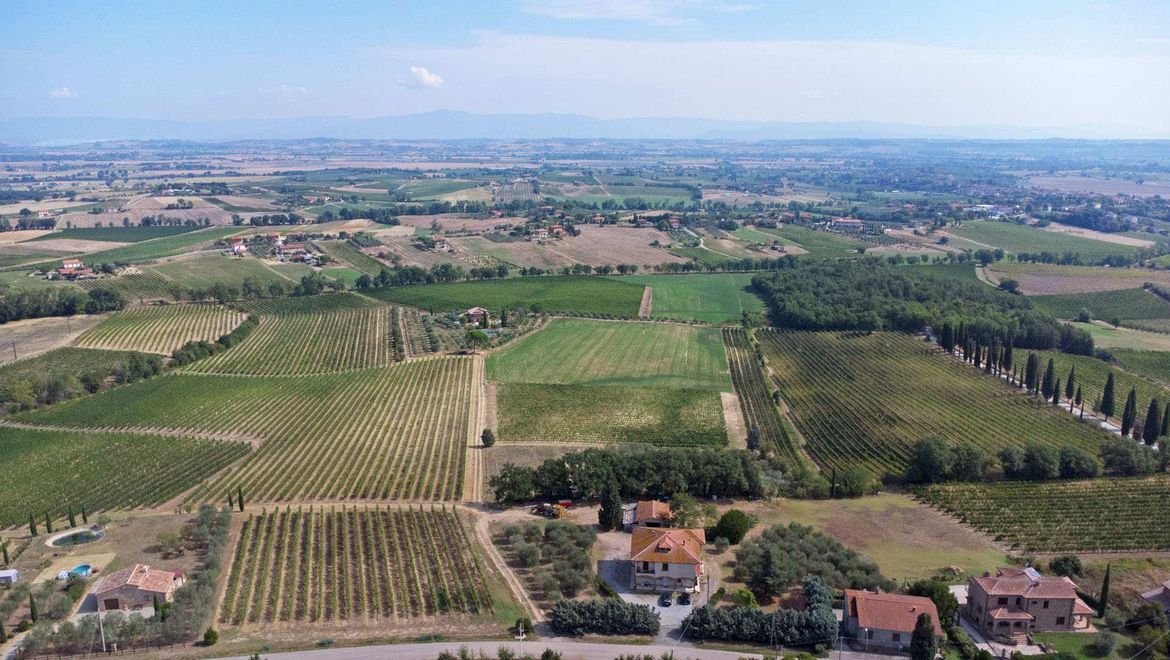
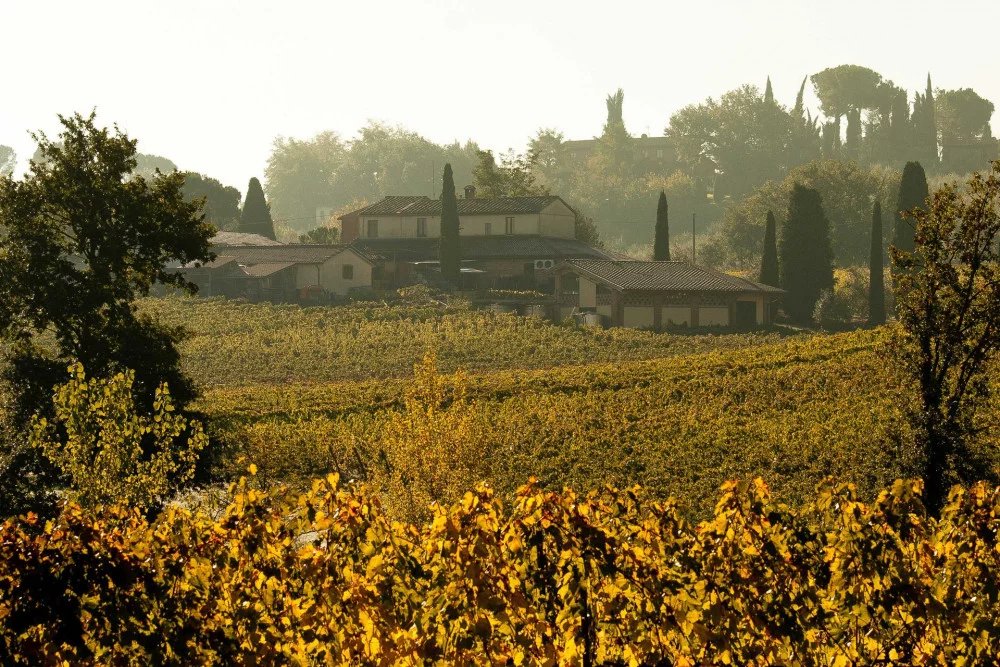
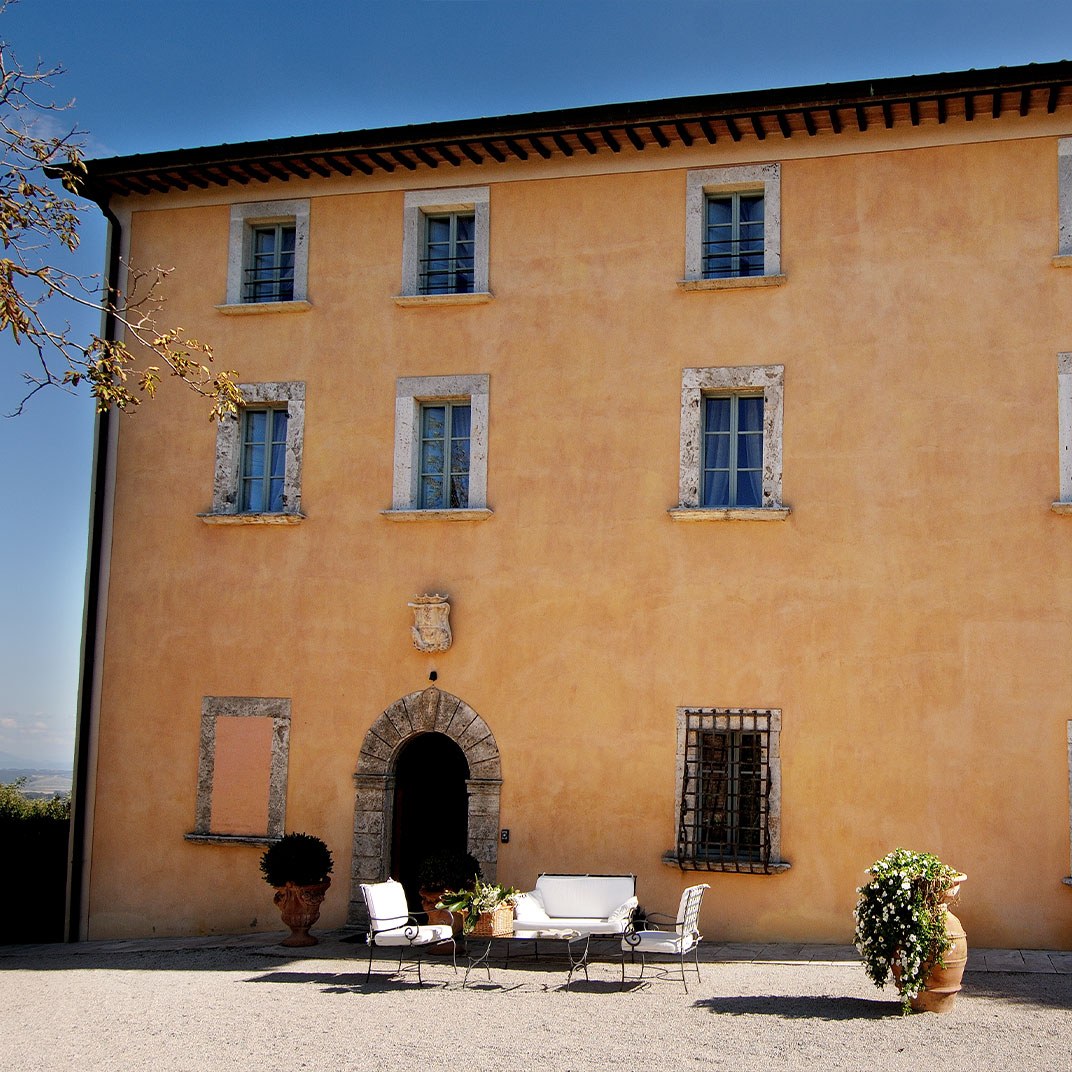
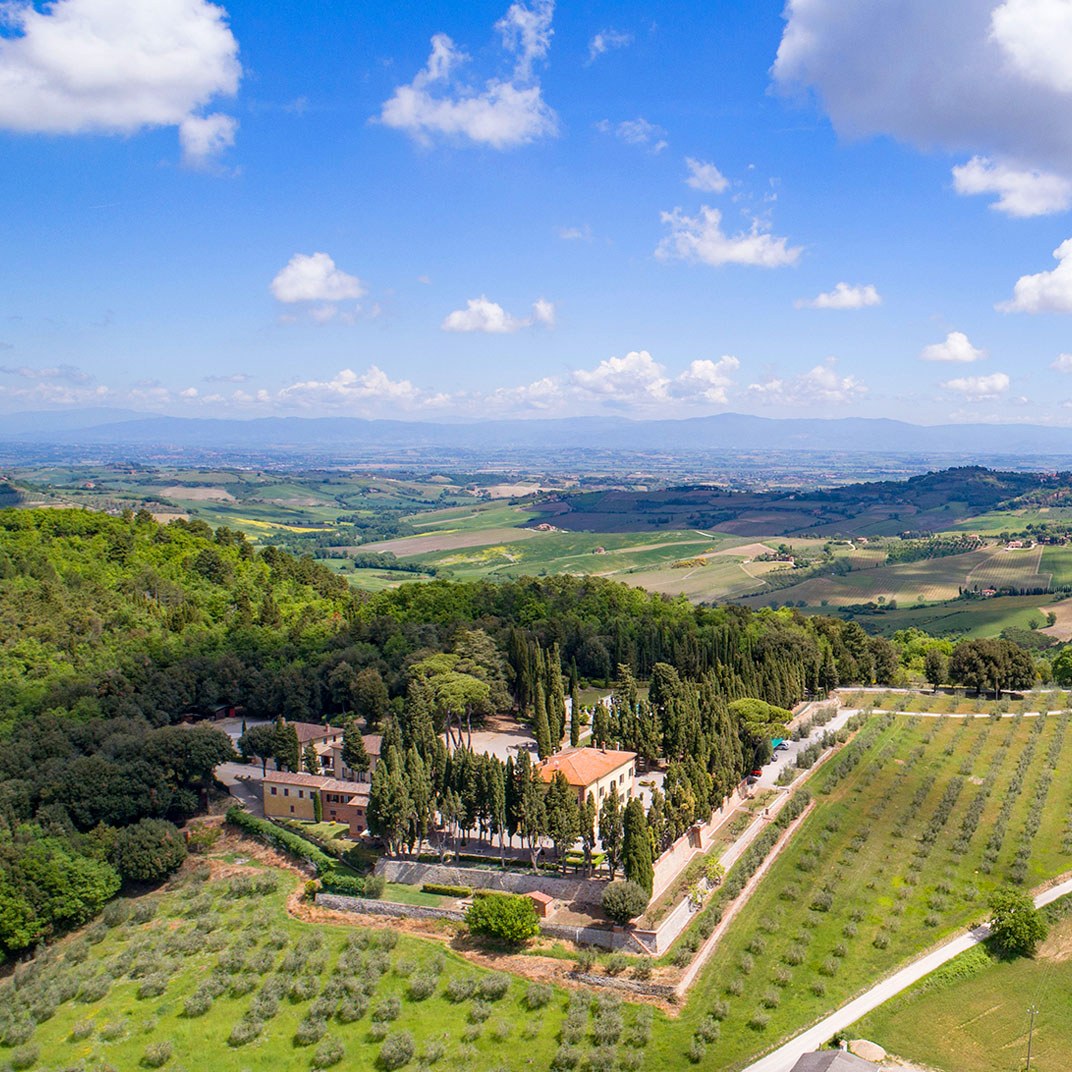
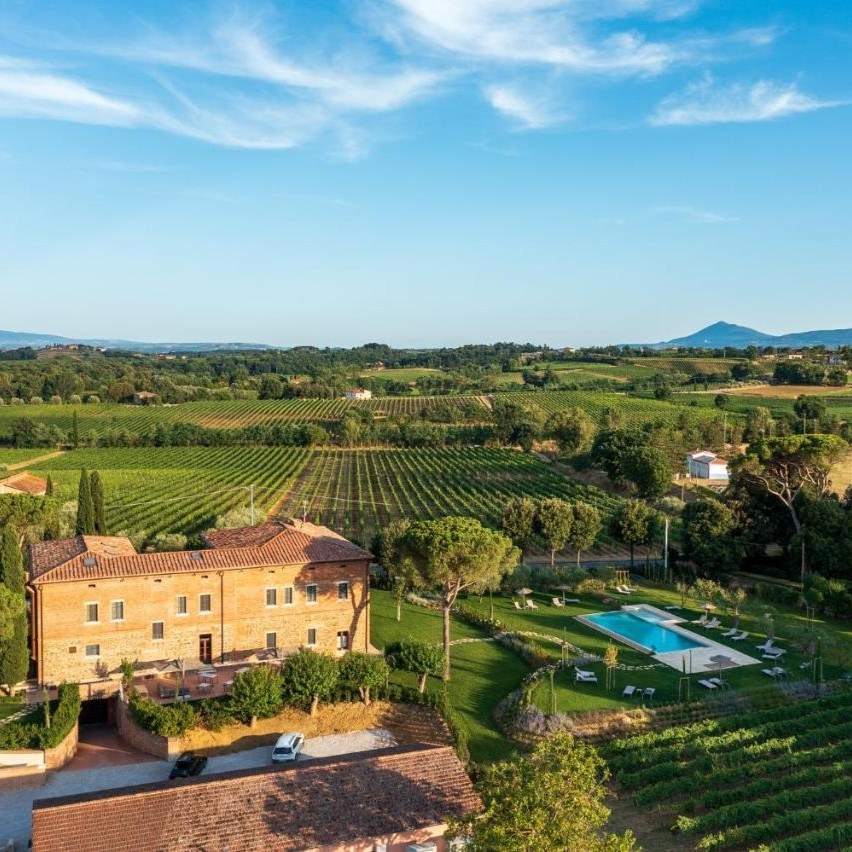
Emidio Pepe presents as a quietly scenic, tradition-steeped estate where the land shapes everything. The narrative foregrounds the Teramo hills — dry, chalky soils, altitude variation and strong diurnal swings — and ties those elements directly to a restrained, minimal-intervention winemaking philosophy. Rather than flashy modernity, the tone is classic and rustic: permanence in the vineyards and fidelity to place. Visitors encounter a producer defined by long-held parcels and an old-fashioned approach to Montepulciano d'Abruzzo, the kind of terroir-first character that rewards patience and attention more than spectacle.
Best For
This estate is best for people who come to learn about place and traditional Italian winemaking. The write-up is oriented toward visitors who value terroir specificity, ageworthy red wines and minimal-intervention production rather than stylistic trends. It's well suited to collectors, serious wine students and travelers who want to understand how Abruzzo’s soils and climate translate into structural, long-lived Montepulciano d'Abruzzo. The focus is educational and contemplative, making the property a match for quiet, focused tastings rather than loud, social outings.
Tasting Tips
When tasting here, prioritize expressions of Montepulciano d'Abruzzo that emphasize structure and longevity; the narrative explicitly links the site’s clay-limestone soils and thermal range to wines with firm tannin and ageing potential. Ask about older vintages and parcels — the producer’s permanence on specific plots is repeatedly noted. Look for minimal-intervention, low-intervention bottlings rather than heavily oaked or over-extracted styles, and frame questions around terroir and vinification choices to get the most insight from a visit.
Venue details
Ambiance
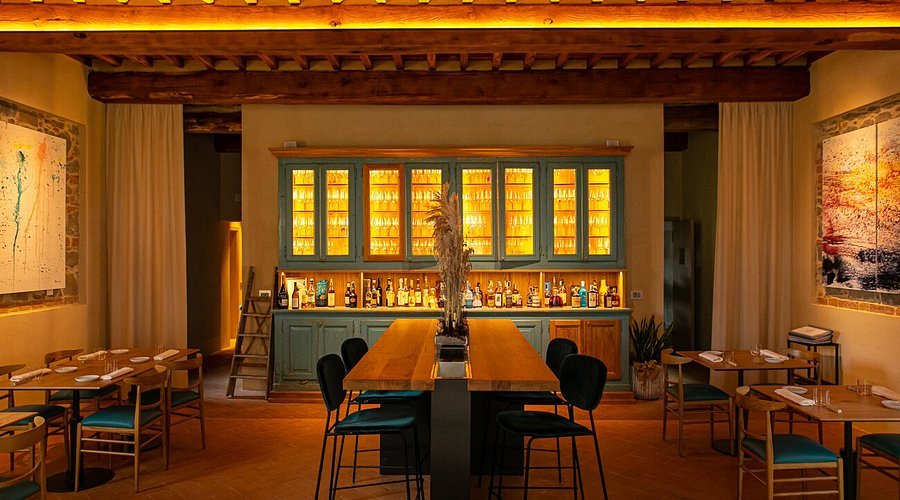
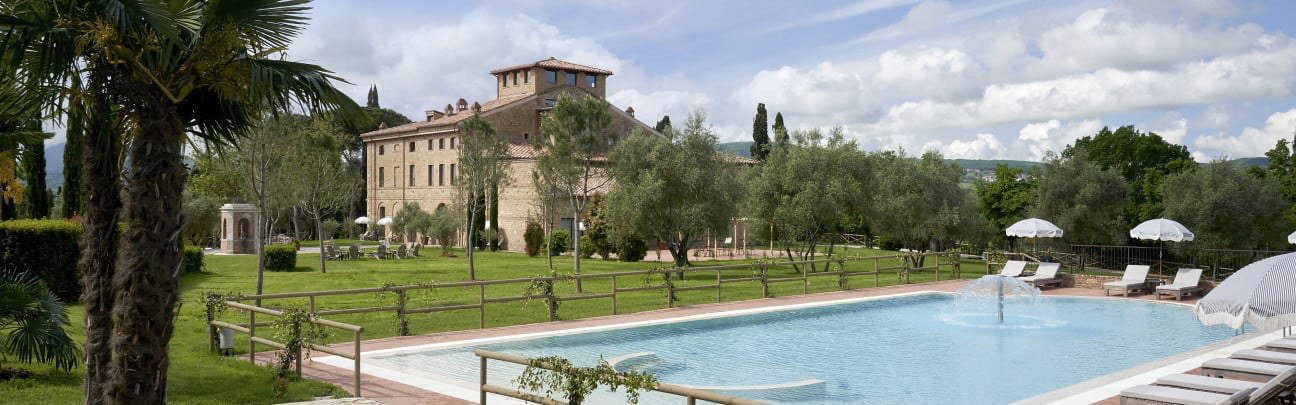
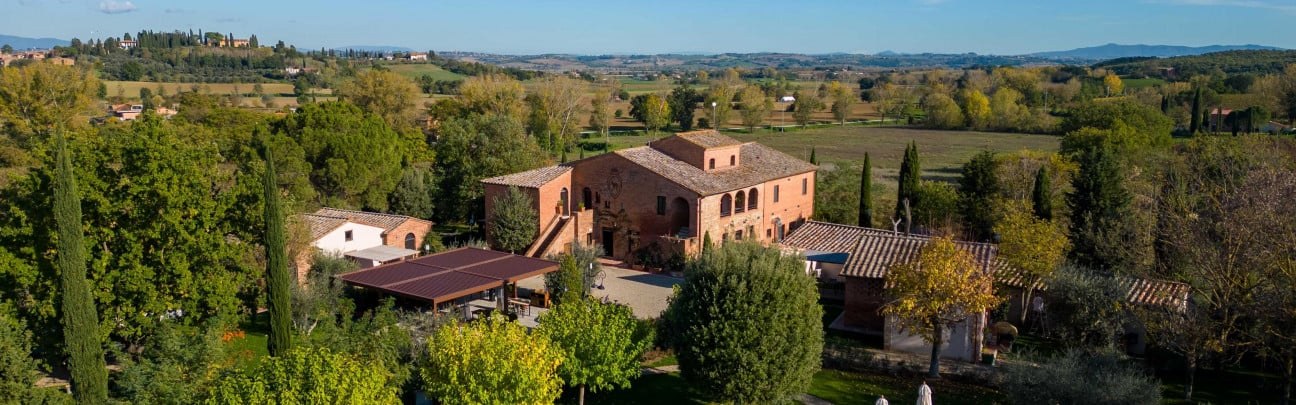
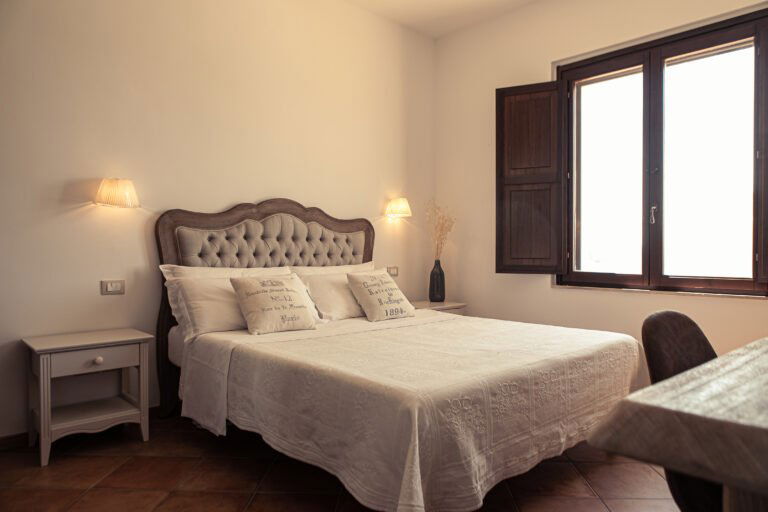
Rustic, historic, and contemplative, with a slow countryside rhythm that reflects a traditional family winery and agriturismo setting.
Tags
Vibe
Best For
Experience
Sourcing
View
At the Vineyard
- Appellation
- Montepulciano d'Abruzzo DOC
- Varietals
- Montepulciano, Trebbiano, Pecorino, Cerasuolo d'Abruzzo
- Tour Duration
- 60-90 minutes
- Wine Club
- Not available
Know before you go
Know Before You Go
- Getting there
- Contrada Chiesi, 10, 64010 Torano Nuovo TE, Italy
Planning details
Location
Also consider
Where to look if Emidio Pepe is not the right fit
If the group wants a wine alternative rather than spirits, cross-shop Garofoli and Umani Ronchi. If the brief is Italian liqueurs, Distilleria Varnelli is the cleaner pivot.
Winery context
How It Compares
Emidio Pepe is the pick when wine depth is the reason for the detour. Garofoli and Umani Ronchi are better cross-shops for travelers comparing established Marche producers, while Emidio Pepe is more compelling for a focused Abruzzo red-wine itinerary.
If the group wants spirits, liqueurs, or a broader Italian drinks stop, choose Evangelista Liquori, Distilleria Varnelli, or Enrico Toro Distilleria (Centerba Toro) instead. Those peers are stronger fits for visitors who care less about cellar-focused wine context and more about category variety.
On booking effort, treat Emidio Pepe as the higher-commitment choice. It is worth prioritizing for a small, wine-literate group, but Garofoli or Umani Ronchi may be easier to fold into a wider regional itinerary if the day is not centered on one producer.
Explore Montepulciano
Around this place
Discover more on Pearl
Unlock the full Emidio Pepe guide in Pearl, including awards, comparisons, FAQs, planning details, and nearby places.
Compare Emidio Pepe
| Venue | Location | Awards |
|---|---|---|
| Emidio Pepe | Montepulciano | No published awards |
| Evangelista Liquori | Cepagatti | No published awards |
| Distilleria Varnelli | Muccia | No published awards |
| Enrico Toro Distilleria (Centerba Toro) | Tocco da Casauria | No published awards |
| Garofoli | Castelfidardo | 2026 Falstaff Winery Guide |
| Umani Ronchi | Osimo | 2026 Falstaff Winery Guide |

How Emidio Pepe Montepulciano compares with similar nearby venues.
FAQ
Frequently Asked Questions
Is there a membership program at Emidio Pepe?
Do I need a reservation at Emidio Pepe?
Contact Emidio Pepe directly before going.
Does Emidio Pepe offer purchases or delivery?
Ask Emidio Pepe directly before ordering or planning purchases.
How long should I plan for a visit to Emidio Pepe?
If timing matters, confirm the expected duration with Emidio Pepe before arranging the rest of your Montepulciano itinerary.
What is Emidio Pepe best known for?
Emidio Pepe in Montepulciano holds Pearl 1 Star Prestige (2025).
When is the best time to visit Emidio Pepe?
Does Emidio Pepe serve food?
Do not plan around a meal here unless Emidio Pepe confirms that option directly.