
Poggio Antico
Monte San Vito
Winery in Monte San Vito, Italy
 Book with Pearl
The Read
Marche Interior Precision
Why go
Poggio Antico is a wine-first Monte San Vito choice for travelers who care more about producer pedigree than a fully packaged visitor setup. Prioritize it for a small special-occasion tasting if access is confirmed; for larger groups or meal-led plans, compare nearby winery options before building the day around it.
About Poggio Antico
Poggio Antico is a Monte San Vito venue with Paolo Vagaggini listed as chef/owner and a smart casual dress code. Its confirmed recognition is Pearl 3 Star Prestige (2025).
The appeal, on the facts, is direct: Poggio Antico is a recognized Monte San Vito venue for guests who want a more polished stop and are comfortable with smart casual expectations. For a date, anniversary, or hosted itinerary, it is best treated as a venue to confirm carefully rather than a place to assume has a particular menu, tasting format, or service schedule.
Book for the confirmed recognition, then verify the details
The strongest grounded reason to prioritize Poggio Antico is its Pearl 3 Star Prestige (2025) recognition, together with Paolo Vagaggini's role as chef/owner. Those facts support treating it as a premium venue in Monte San Vito, but they do not establish a specific cuisine, tasting menu, price point, wine program, or meal period.
Practical tradeoff is that the record here is limited. Before building a larger plan around Poggio Antico, confirm the current opening times, booking requirements, menu or service format, pricing, and any group needs directly with the venue. The one planning point that is dress: smart casual.
Use Monte San Vito as a quiet base, then plan the rest around certainty
For travelers building a Monte San Vito itinerary, keep Poggio Antico as the confirmed premium reference point, then fill in the rest of the day only after checking current local dining, lodging, bar, and experience options. That avoids relying on assumptions about what one venue can provide.
If the goal is comparing notable regional producers and venues rather than staying only in Monte San Vito, Distilleria Varnelli, Garofoli, Tenuta Castelbuono (Tenute Lunelli), Umani Ronchi, and Villa Bucci are useful names to consider alongside Poggio Antico. Treat each as a separate stop to verify on its own terms rather than as part of a single Monte San Vito dining scene.
Planning details
- Location
- Via Malviano B, 4, 60037 Monte San Vito AN
- Website
- poggio-antico.com
- Phone
- +39 0473 291135
The take
The Take
The Vibe
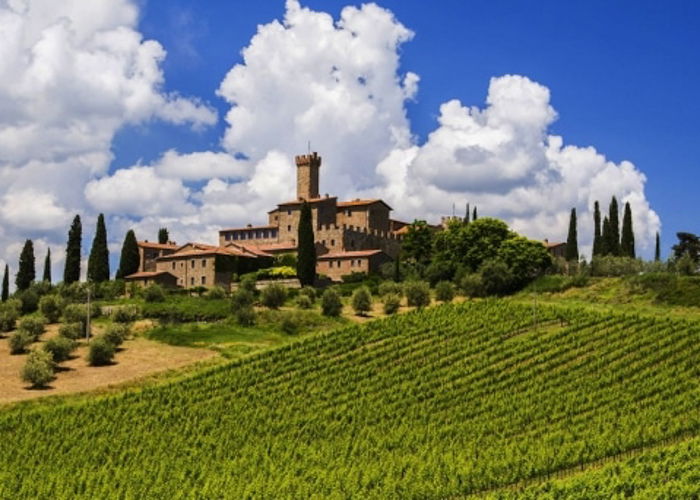
Poggio Antico reads as a quietly accomplished estate rather than a showy destination. It favors terroir and measured production choices over trend-driven presentation, and that restraint gives the place a sophisticated, quietly historic character: the family has been making wine since 1976 and the house recently earned a Pearl 3 Star Prestige recognition. The surrounding Marche hills and the interplay of Adriatic influence and Apennine altitude shape a narrative of place that the winery emphasizes, so visitors encounter wines and conversation grounded in geography and continuity rather than flash.
Best For
This estate is best for visitors who want to explore the terroir of the Marche with some depth. It suits wine students, collectors and curious travelers seeking context about how Adriatic proximity and Apennine elevation combine to shape acidity and ripeness. The tone of the description suggests experiences geared toward focused tasting and learning rather than loud socializing, so it’s a good fit for solo exploration, intimate groups and anyone planning a special, contemplative tasting that values sustained quality and provenance.
Tasting Tips
When engaging with Poggio Antico, center questions on geography and winemaking. Ask about the estate’s parcels, elevation and soil differences and how those variables interact with the Adriatic’s moderating influence—those are the factors the winery foregrounds. Mention the Pearl 3 Star Prestige recognition (2025) and ask which recent releases best exemplify the house character shaped by altitude and temperature variation. If you’re speaking with team members, inquire about Paolo Vagaggini’s consulting influence and how his approach manifests in the current lineup.
Venue details
Ambiance
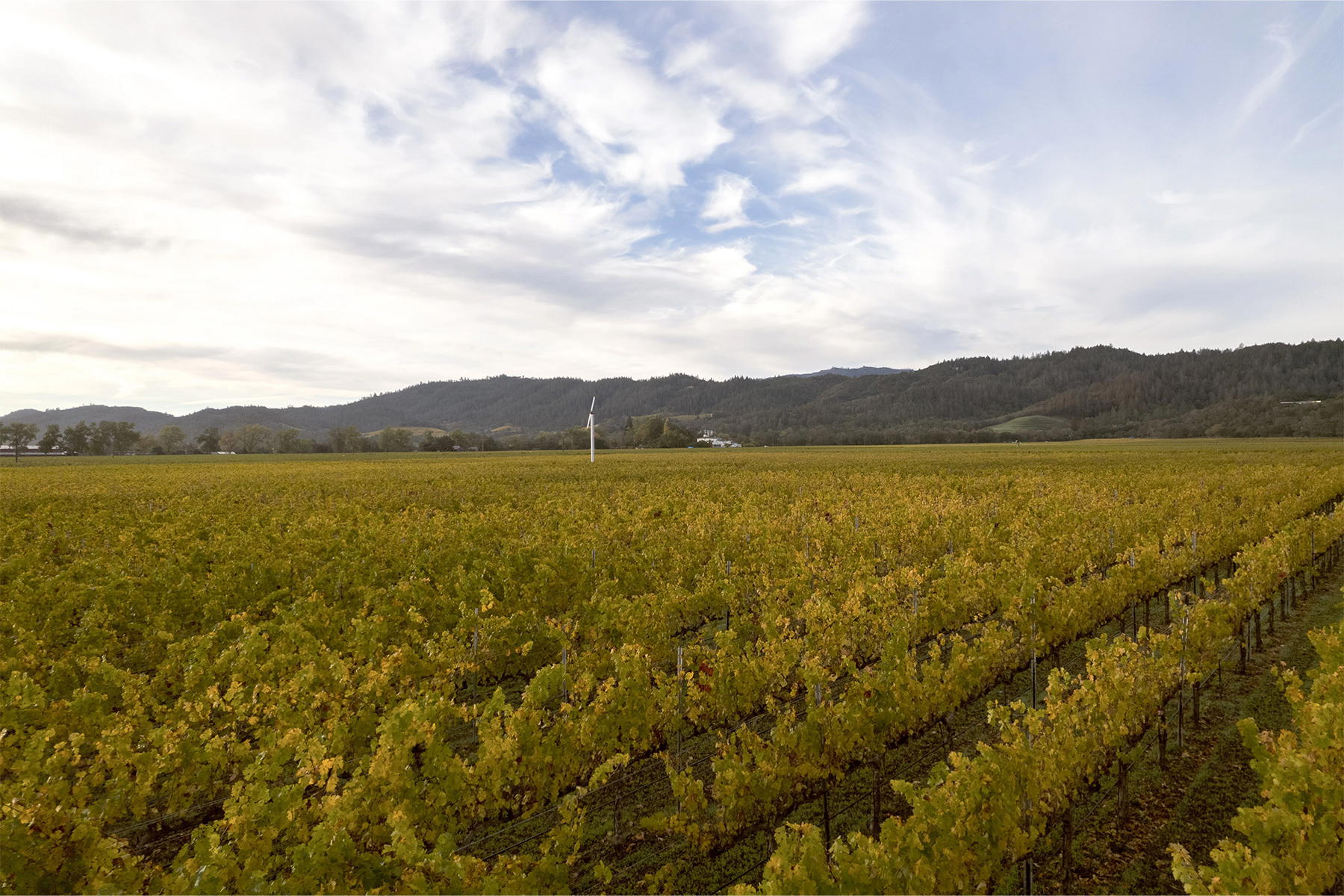
Panoramic terrace views over rolling hills with intimate, educational tastings in a dramatic elevated landscape.
Tags
Vibe
Best For
Experience
View
At the Vineyard
- Appellation
- Brunello di Montalcino DOCG
- Varietals
- Sangiovese
- Tour Duration
- 60-90 minutes
- Visits
- By appointment only
- Wine Styles
- Still Red
- Food Pairing
- Offered
- Shipping
- Available
- Wine Club
- Not available
Know before you go
Know Before You Go
- Getting there
- Via Malviano B, 4, 60037 Monte San Vito AN
Planning details
Location
Recognition and awards
Also consider
Also Consider
- Villa Bucci, Notable alternative
- Umani Ronchi, Notable alternative
- Garofoli, Notable alternative
- Distilleria Varnelli, Notable alternative
- Tenuta Castelbuono (Tenute Lunelli), Notable alternative
Winery context
How it compares for a Marche wine itinerary
Choose Poggio Antico when the decision is about producer seriousness and a quieter Monte San Vito setting. Against Villa Bucci, Umani Ronchi, and Garofoli, it is the more appointment-sensitive pick: better for a focused wine visit, less useful if the group needs a predictable visitor flow.
For value, Poggio Antico makes sense if the spend is tied to bottle quality and winemaking pedigree. If the priority is easier planning for mixed-interest guests, Umani Ronchi or Garofoli may be safer cross-shops because they read as broader regional names for travelers building a day around access and logistics.
If ambiance matters more than wine category, compare it with Tenuta Castelbuono (Tenute Lunelli). If the group wants a spirits detour instead of another cellar visit, Distilleria Varnelli is the cleaner alternative. For a celebration, Poggio Antico is the sharper choice only when everyone at the table wants the winery to be the main event.
Explore Monte San Vito
Around this place
Discover more on Pearl
Unlock the full Poggio Antico guide in Pearl, including awards, comparisons, FAQs, planning details, and nearby places.
Compare Poggio Antico
| Venue | Location | Awards |
|---|---|---|
| Poggio Antico | Monte San Vito | 2025 Pearl 3 Star Prestige |
| Villa Bucci | Ostra Vetere | No published awards |
| Umani Ronchi | Osimo | 2026 Falstaff Winery Guide |
| Garofoli | Castelfidardo | 2026 Falstaff Winery Guide |
| Distilleria Varnelli | Muccia | No published awards |
| Tenuta Castelbuono (Tenute Lunelli) | Umbria | 2026 Falstaff Winery Guide2024 World's 50 Best Vineyards · #25 |


How Poggio Antico Monte San Vito compares with similar nearby venues.
FAQ
Frequently Asked Questions
Can Poggio Antico handle large groups?
If you are planning for a larger party, contact Poggio Antico directly before committing; the confirmed details are that it is in Monte San Vito, Paolo Vagaggini is chef/owner, the dress code is smart casual, and it holds Pearl 3 Star Prestige (2025).
How long should I plan for a visit to Poggio Antico?
Plan only after confirming the current schedule and booking details directly with the venue.
What other venues are useful comparisons for Poggio Antico?
Villa Bucci, Umani Ronchi, Garofoli, Distilleria Varnelli, and Tenuta Castelbuono (Tenute Lunelli) are useful names to consider for a broader regional itinerary. Verify each venue's location, hours, and visitor arrangements separately.