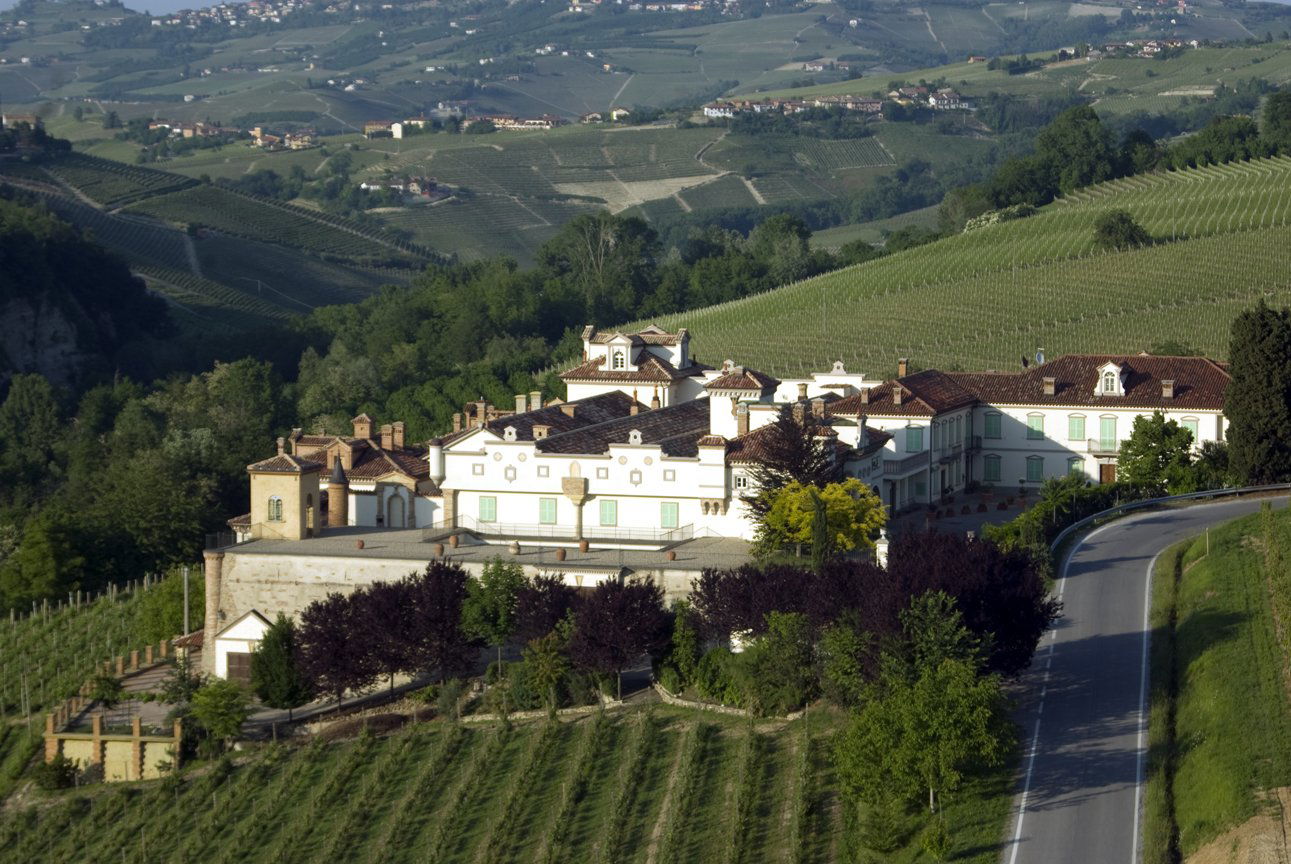

Aldo Conterno
Bussia Soprana, Monforte d'Alba
Winery in Monforte d'Alba, Italy
 Book with Pearl
The Read
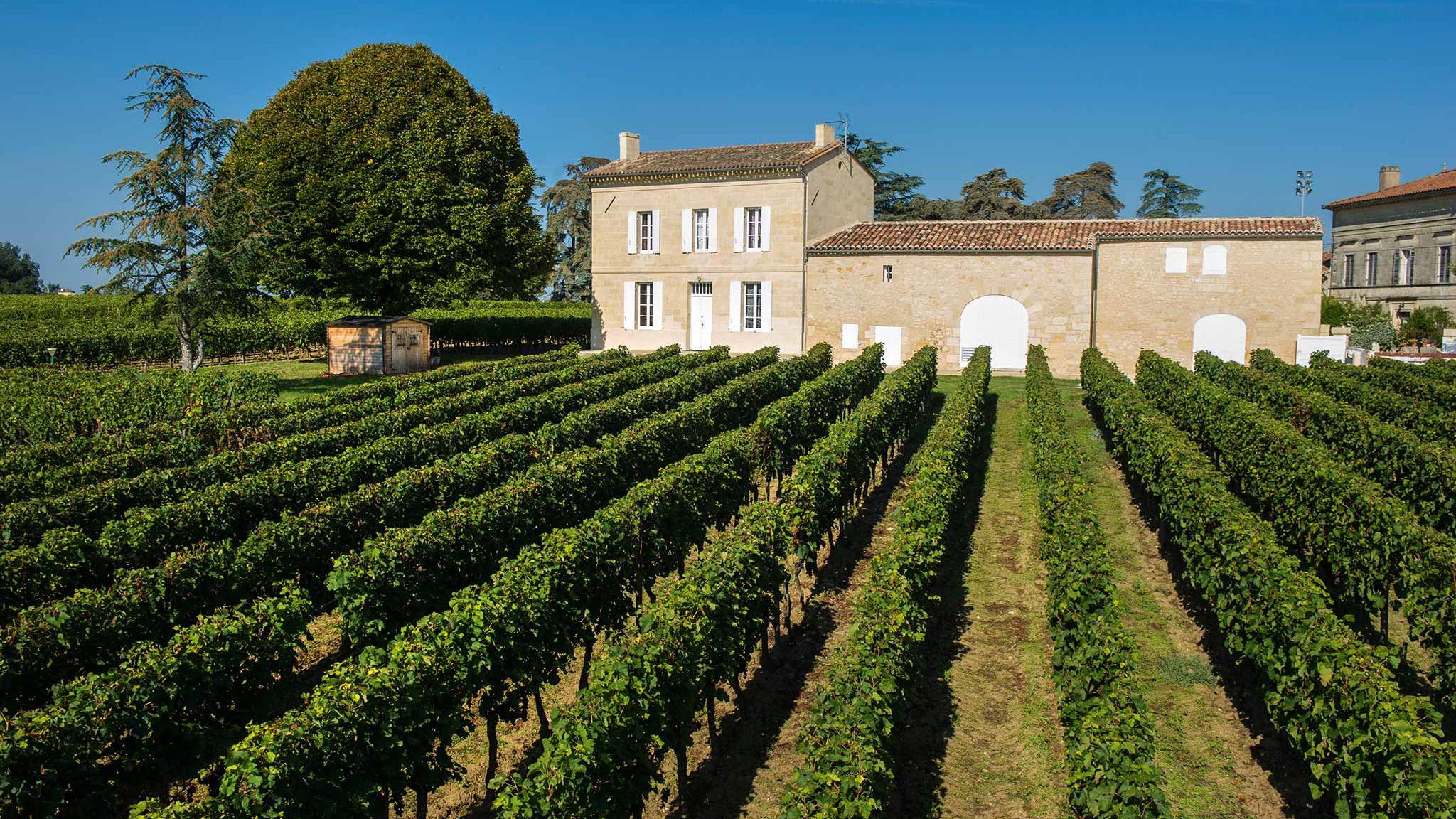
Bussia Hillside Terroir
Why go
Prioritise Aldo Conterno if the trip is built around serious Barolo context rather than casual tasting-room volume. Access should be treated as difficult, so plan it as the anchor appointment in Monforte d'Alba and keep the rest of the day flexible with nearby meals, hotels, bars, wineries, and experiences.
About Aldo Conterno
Use Aldo Conterno as a carefully chosen stop in Monforte d'Alba. Aldo Conterno is in Monforte d'Alba, has a smart casual dress code, and holds Pearl 3 Star Prestige (2025).
Avoid building plans around specifics such as visit format, menu or tasting structure, pricing, hours, group capacity, shipping, or other services unless you confirm them directly. The safest way to plan is to treat Aldo Conterno as a premium Monforte d'Alba venue and check practical details before committing the rest of the day.
Use it as a serious Monforte d'Alba stop
Plan around its Monforte d'Alba location, smart casual dress code, and Pearl 3 Star Prestige (2025). For the rest of the day, use Our full Monforte d'Alba hotels guide and other local planning resources to keep logistics simple.
Do not assume a particular service style, booking difficulty, tasting format, or visitor experience from the name alone. If any of those details matter to your itinerary, confirm them directly before you plan around them.
Where to cross-shop if plans change
If you are comparing premium options, consider Aldo Conterno alongside Luciano Sandrone, Vietti, Marchesi di Barolo, Cavallotto, and Paolo Scavino. The right backup depends on what your trip needs and which practical details each venue can accommodate for your dates.
For travellers building a wider itinerary, keep Aldo Conterno anchored to Monforte d'Alba and use other destinations only as general contrast. If your plans change, compare essentials such as location, dress code, recognition, and visitor details confirmed directly with each venue rather than relying on assumptions.
Planning details
- Location
- Località Bussia 48, 12065 Monforte d'Alba CN
- Website
- poderialdoconterno.com
- Phone
- +39 0173 78150
The take
The Take
The Vibe
Aldo Conterno presents a focused, terroir-driven persona that reads as sophisticated and deeply rooted in Barolo tradition. The writing emphasizes geological complexity — transitions between Tortonian and Helvetian formations — and a disciplined house style that prioritizes structure and longevity over immediate approachability. The estate’s work across multiple Bussia sub-parcels and its reputation within a narrow tier of benchmark Piedmontese producers reinforce a sense of purposeful seriousness. Visitors and collectors encounter an estate that prizes clarity of site, measured cellar management, and wines that reward patience rather than instant gratification.
Best For
This estate is best for serious wine study and milestone purchases. The profile is tailored to those who come to understand how subtle differences of exposure and soil in Bussia shape Barolo’s structure and aromatic tension. Given the estate’s standing — signaled by a Pearl 3 Star Prestige recognition — Aldo Conterno is also a natural choice for special occasions and for buyers building a cellar. Tasting here (or sampling the wines) appeals most to collectors, students of terroir, and people seeking long-lived bottles rather than casual, early-drinking encounters.
Tasting Tips
Expect Barolo that favors structure and cellaring potential: tannins are described as fine but firm in youth, and the wines reward patience. When buying, prioritize recent older vintages or plan to cellar current releases for several years to allow tannins and aromatics to ease and develop. Consider acquiring examples that represent different Bussia sub-parcels to experience the site variation the estate emphasizes. Treat Aldo Conterno purchases as long-term investments in terroir expression rather than bottles for immediate, everyday drinking.
Venue details
Ambiance
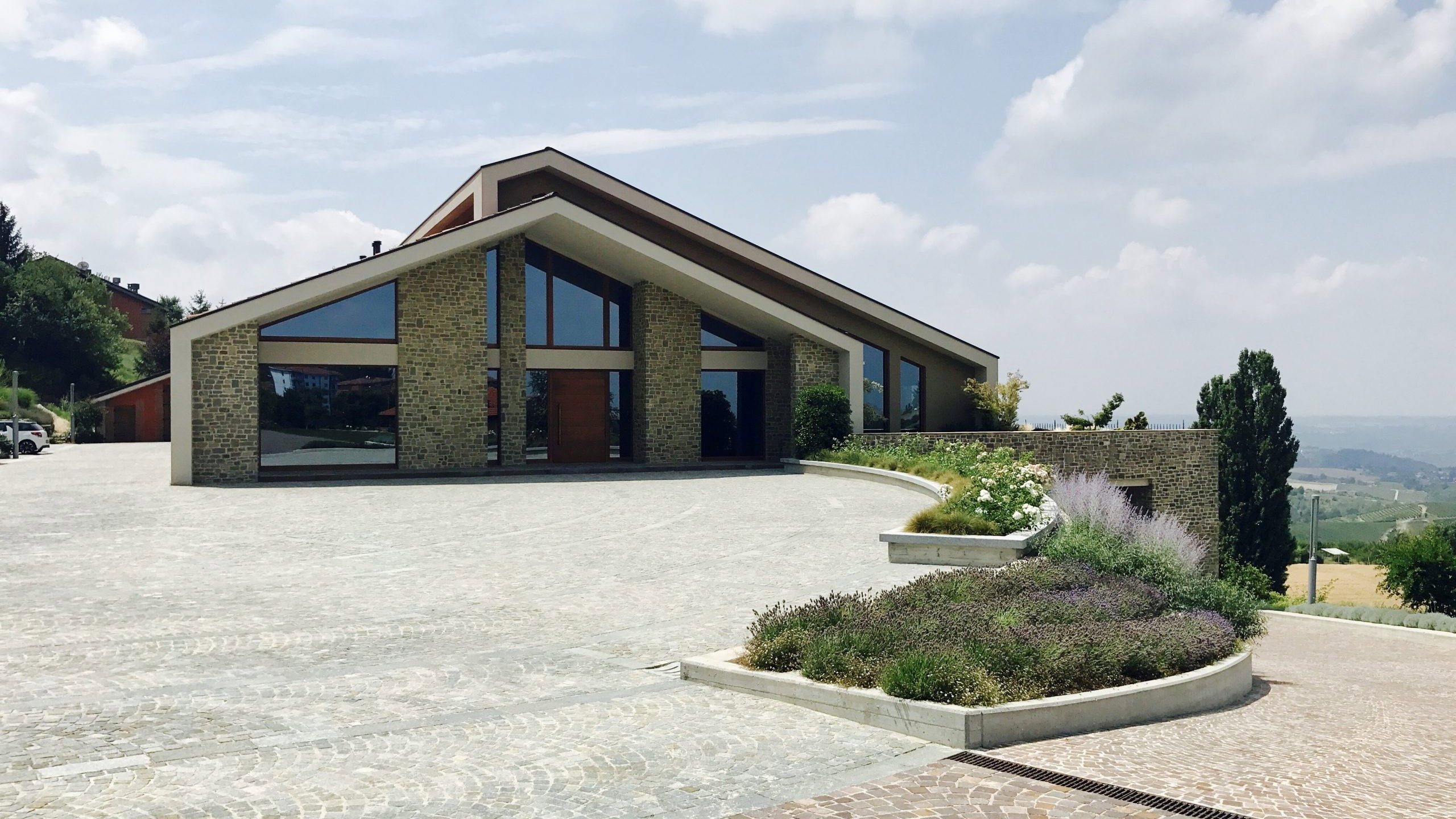
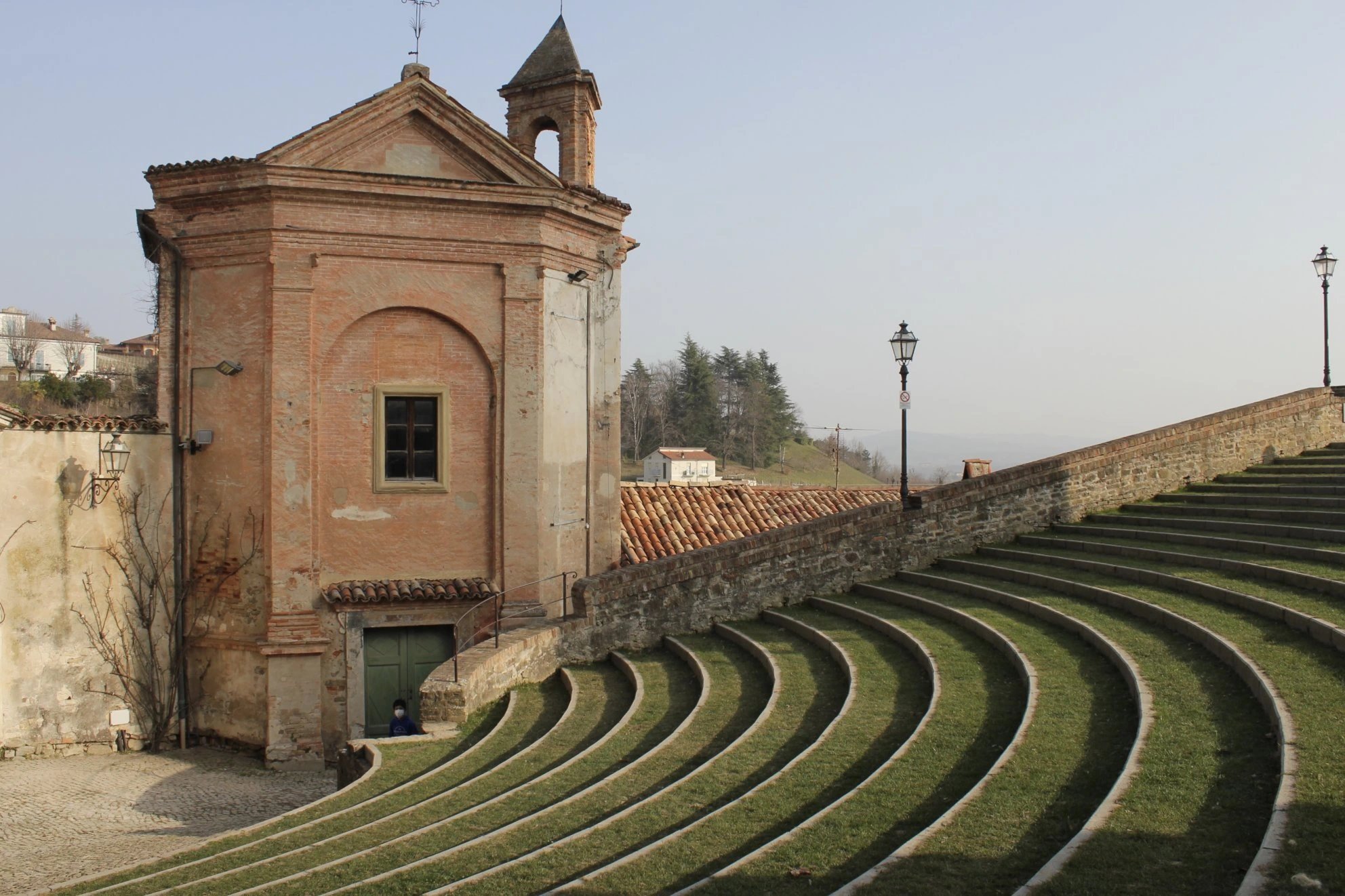
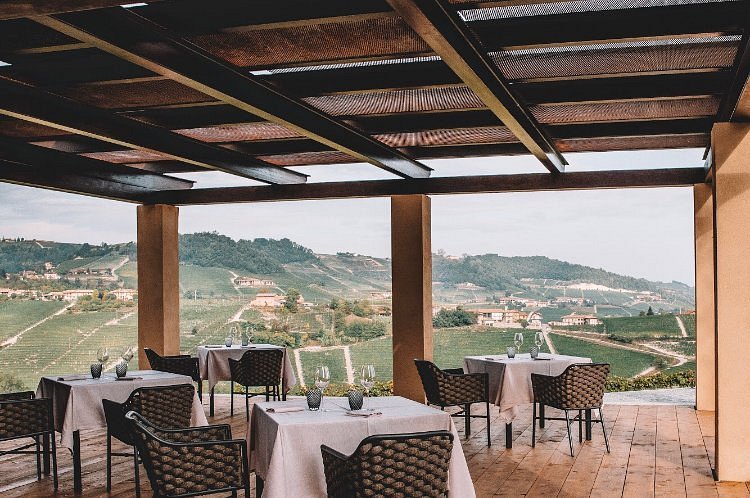
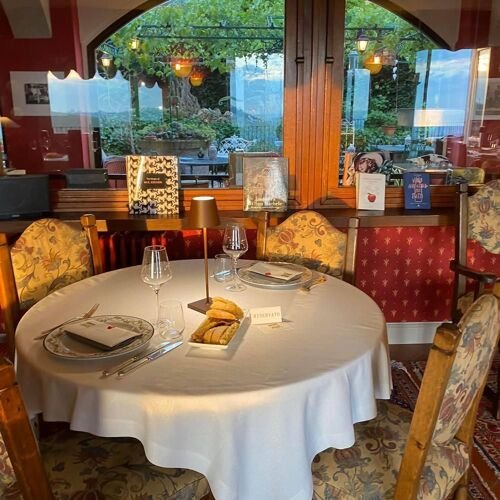
Classic and elegant with a refined, historic family estate atmosphere focused on premium Barolo production.
Tags
Vibe
Best For
Experience
Sourcing
View
At the Vineyard
- Appellation
- Barolo DOCG
- Varietals
- Nebbiolo, Barbera, Chardonnay, Dolcetto, Freisa
- Tour Duration
- 60-90 minutes
- Visits
- By appointment only
- Farming
- Organic
- Wine Styles
- Still Red
- Wine Club
- Available
Know before you go
Know Before You Go
- Getting there
- Località Bussia 48, 12065 Monforte d'Alba CN
Planning details
Location
Recognition and awards

Also consider
If you cannot get in
Try Luciano Sandrone or Paolo Scavino first if the goal is another serious Barolo producer visit. For a plan that is easier to combine with village time, look at Marchesi di Barolo or Vietti.
Winery context
How it compares in the Barolo area
Aldo Conterno is the right first ask for travellers who want a focused Monforte d'Alba producer appointment and are willing to deal with difficult access. Luciano Sandrone and Paolo Scavino make the closest practical cross-shops for a producer-led day, especially if the goal is to compare serious Barolo names rather than chase a broad tasting lineup.
Vietti and Marchesi di Barolo are better backups if the group needs a more flexible Barolo-area plan or a visit that may be easier to fit into a wider village itinerary. Choose Cavallotto when the priority is another traditional producer reference point and the day can support a more wine-focused pace.
Explore Monforte d'Alba
Around this place
Discover more on Pearl
Unlock the full Aldo Conterno guide in Pearl, including awards, comparisons, FAQs, planning details, and nearby places.
Compare Aldo Conterno
| Venue | Location | Awards |
|---|---|---|
| Aldo Conterno | Monforte d'Alba | 2026 Falstaff Winery Guide |
| Luciano Sandrone | Barolo | 2026 Falstaff Winery Guide |
| Vietti | Castiglione Falletto | 2026 Falstaff Winery Guide |
| Marchesi di Barolo | Barolo | 2026 Falstaff Winery Guide2025 World's 50 Best Vineyards · #80 |
| Cavallotto | Castiglione Falletto | 2026 Falstaff Winery Guide |
| Paolo Scavino | Castiglione Falletto | No published awards |

How Aldo Conterno Monforte d'Alba compares with similar nearby venues.
FAQ
Frequently Asked Questions
What other venues should I compare with Aldo Conterno?
If you are comparing alternatives, consider Luciano Sandrone, Vietti, Marchesi di Barolo, Cavallotto, or Paolo Scavino. Aldo Conterno is in Monforte d'Alba and has Pearl 3 Star Prestige (2025), so it remains a strong option to keep on the shortlist.
Do I need a reservation at Aldo Conterno?
Confirm booking requirements directly with Aldo Conterno before you plan around a visit. Aldo Conterno is in Monforte d'Alba, has a smart casual dress code, and holds Pearl 3 Star Prestige (2025).
Does Aldo Conterno offer shipping?
Is there a membership or club at Aldo Conterno?
Confirm any membership or club details directly with Aldo Conterno. Aldo Conterno is in Monforte d'Alba, has a smart casual dress code, and holds Pearl 3 Star Prestige (2025); ask directly about specific membership benefits.
Can Aldo Conterno handle large groups?
Confirm group capacity directly before building plans around it. If flexibility is important, compare practical details with Cavallotto or Marchesi di Barolo as you plan a wider itinerary.