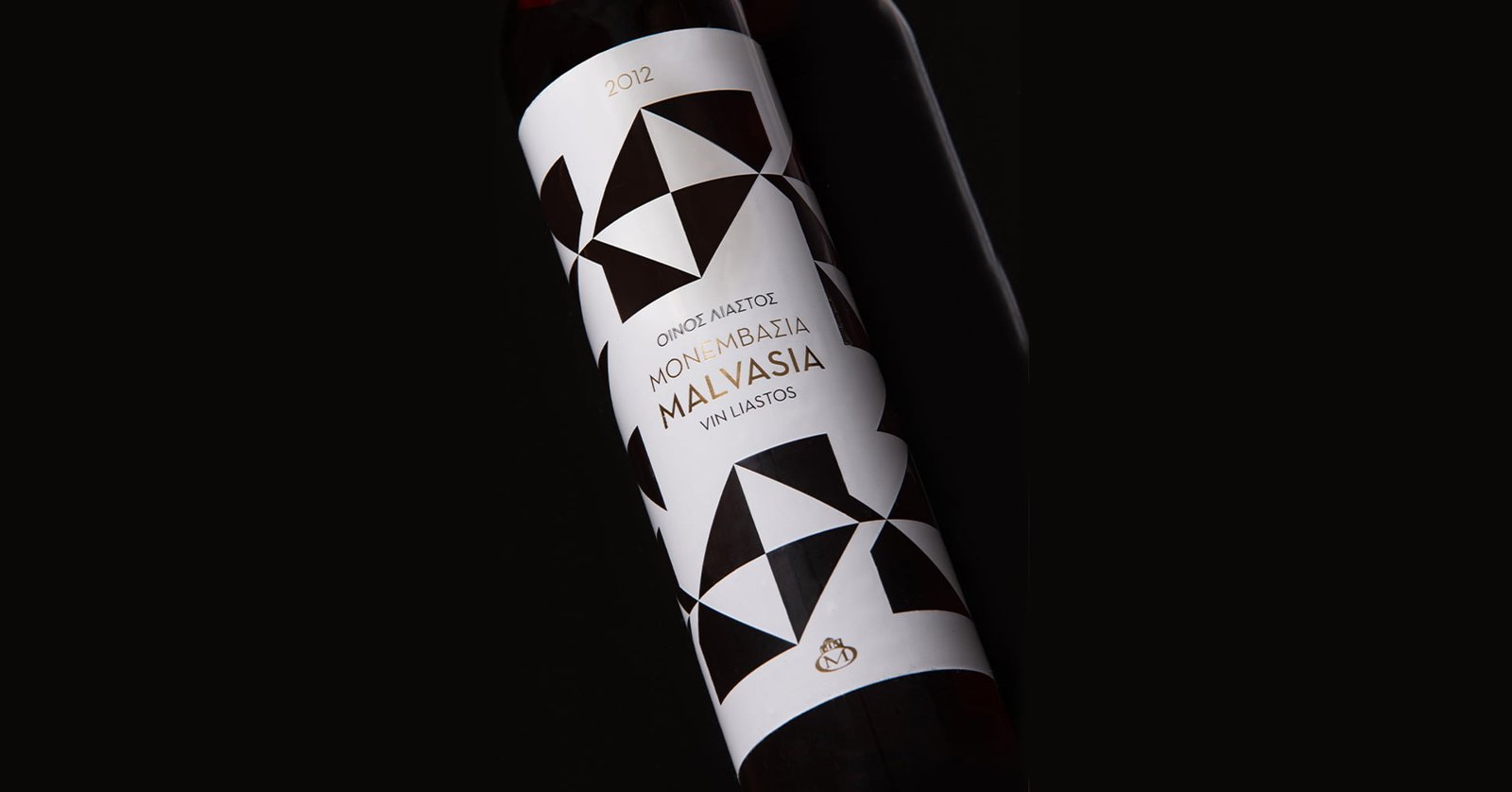
Monemvasia Winery (Tsimpidis)
Monemvasia, Monemvasía
Winery in Monemvasía, Greece
 Book with Pearl
The Read
Indigenous Variety Precision
Why go
Choose Monemvasia Winery (Tsimpidis) when the trip is anchored in Monemvasía and you want a wine stop tied to the local route. It is less useful as a casual drop-in or broad Peloponnese benchmark; for that, compare Ktima Tselepos or Troupis Winery, or choose a distillery peer for a spirits-led day.
About Monemvasia Winery (Tsimpidis)
Monemvasia Winery (Tsimpidis) is a Monemvasía venue with casual dress and Pearl 2 Star Prestige recognition for 2025.
If you are comparing it with other venues, keep the comparison broad and confirm the details directly. Ktima Tselepos, Troupis Winery, Callicounis Distilleries, Karonis Distillery, and Verino Distillery can be useful reference points.
Book for Monemvasía context, not a broad venue circuit
Use Monemvasia Winery (Tsimpidis) as a Monemvasía-based option rather than as proof of any specific visit format, food program, schedule, product lineup, or service arrangement. Confirm practical arrangements directly before building a day around the visit.
For broader city planning, pair the venue with our full Monemvasía hotels guide and other Monemvasía planning resources as needed.
How to decide if it belongs on your itinerary
Choose Monemvasia Winery (Tsimpidis) if you want a venue specifically tied to Monemvasía and are comfortable confirming visit details in advance. Look elsewhere if you need information on food, purchasing, visit format, hours, pricing, or a particular product before deciding.
For broader comparisons, consider Ktima Tselepos, Troupis Winery, Callicounis Distilleries, Karonis Distillery, and Verino Distillery as other reference points, while confirming each venue's details directly.
Quick reference: Monemvasia Winery (Tsimpidis) is a casual-dress Monemvasía venue with Pearl 2 Star Prestige recognition for 2025; confirm all operational and visit details directly.
Planning details
- Location
- Aggelona 230 52
- Website
- monemvasiawinery.gr
- Phone
- +30 2732 071705
The take
The Take
The Vibe
Monemvasía Winery sits at the crossroads of history and terroir, where a Byzantine rock-fortress and coastal climate shape a distinctive winemaking identity. The estate reads as deliberate and thoughtful rather than performative: the text stresses a reconstruction of lost varieties and a return to regionally specific practices. Recognition such as a Pearl 2 Star Prestige signals that this is a producer taken seriously by peers and assessors. The overall tone is measured and sophisticated—appealing to visitors who appreciate historic context, quiet study of place, and wines that reflect long coastal days and varied soils around the headland.
Best For
This estate is best for travelers focused on learning and discovery. The copy explicitly frames Monemvasía as a destination the "serious wine traveller should schedule," which makes it ideal for wine-education visits and solo exploration. Its award-backed standing also makes it appropriate for punctuating a special-occasion itinerary where terroir and provenance matter. Expect a visit that emphasizes landscape, grape history, and methodical recovery of regional varieties rather than high-volume tasting-room spectacle—suitable for small parties or individuals prioritizing depth over flash.
Tasting Tips
When visiting, prioritize tasting wines that speak to the local story: historic Malvasia and contemporary expressions shaped by Aegean proximity, diurnal temperature swings, and mixed soils. The narrative highlights a reconstruction of lineage, so ask hosts about varietals recovered from older plantings and how schist, limestone and clay-loam influence each cuvée. Because the winery is presented as a scheduled appointment for serious travelers, plan ahead and request vineyard- or cellar-focused experiences if available, and seek out staff commentary on terroir-driven bottlings.
Venue details
Ambiance
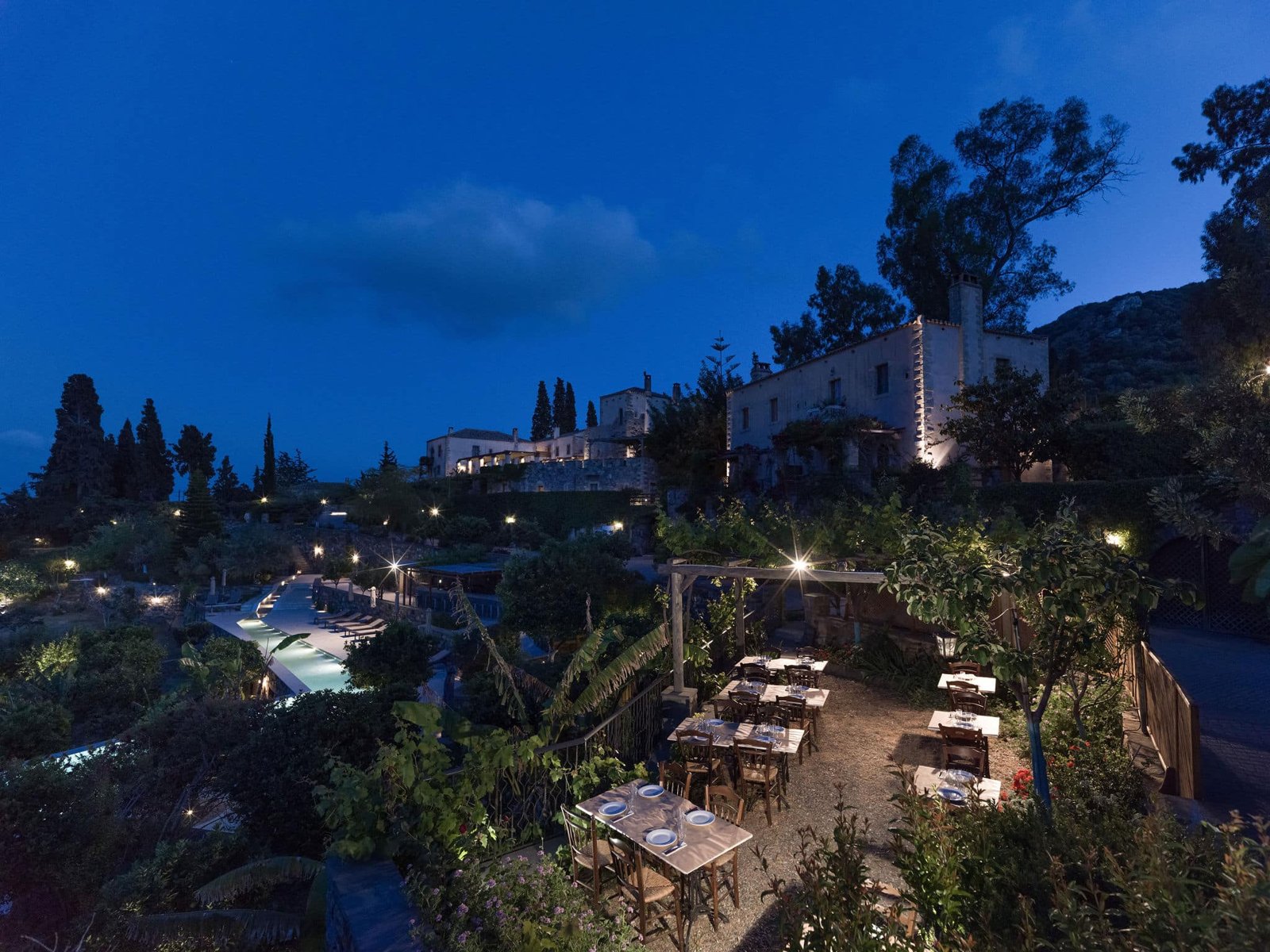
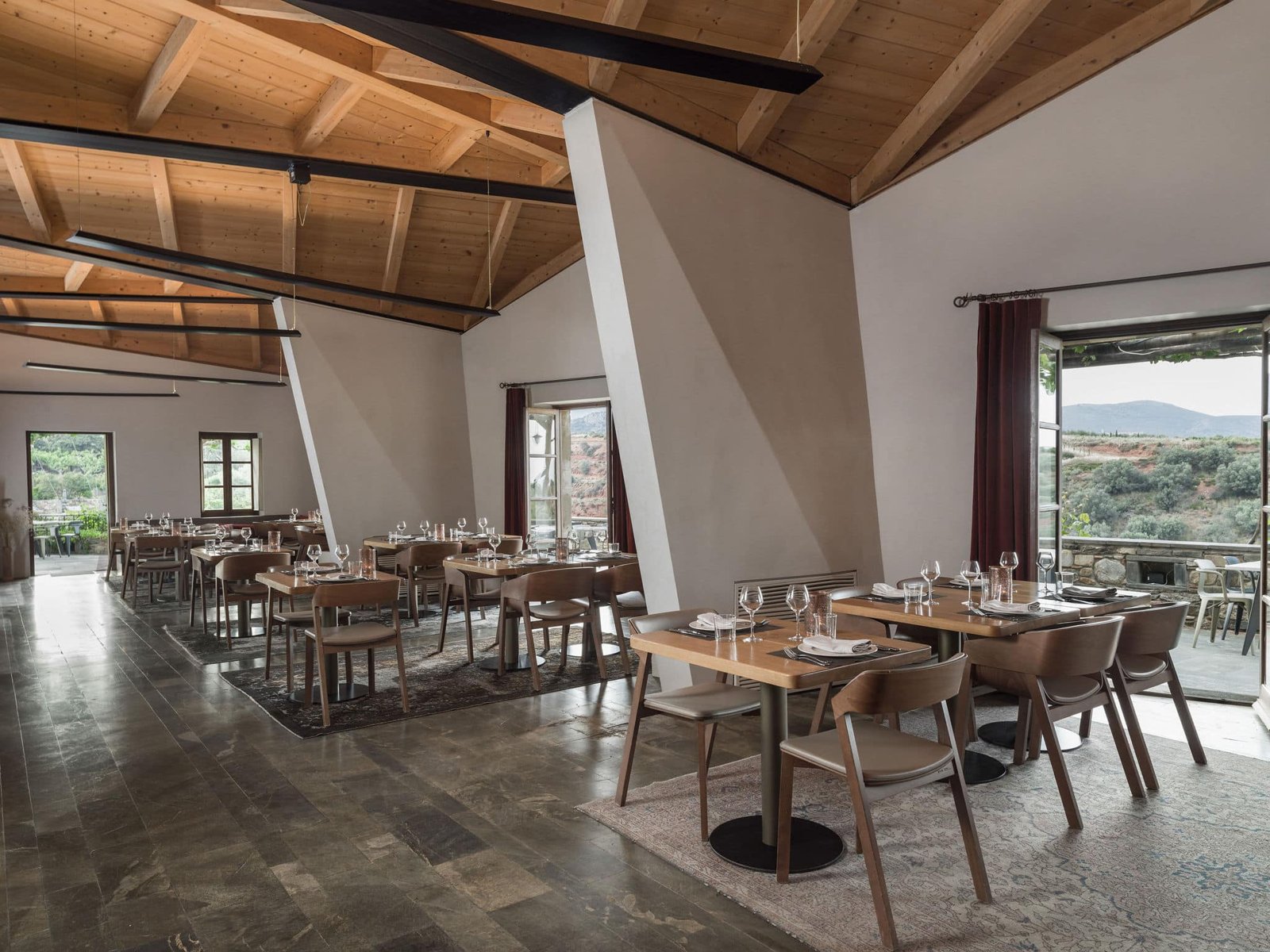
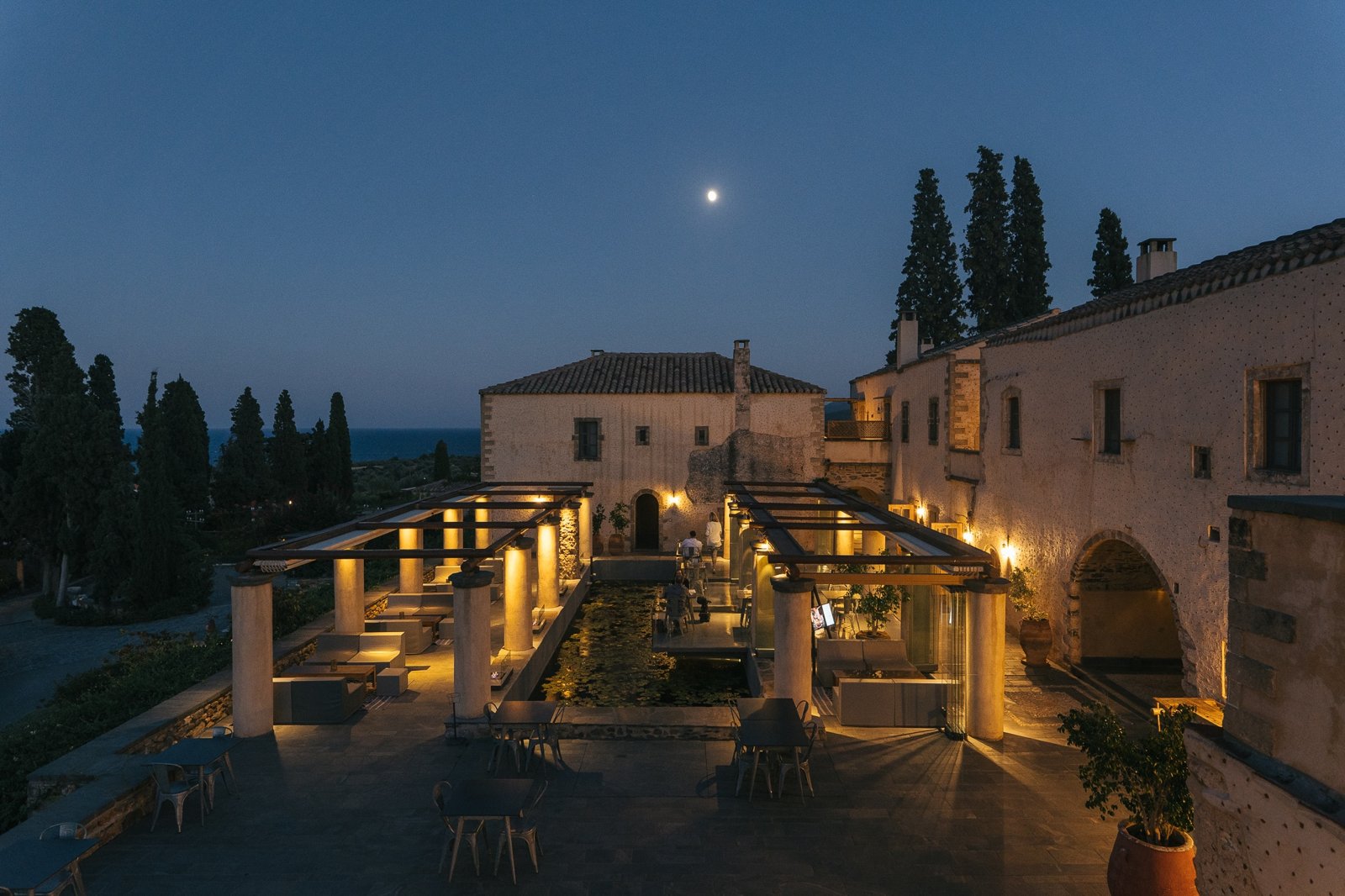
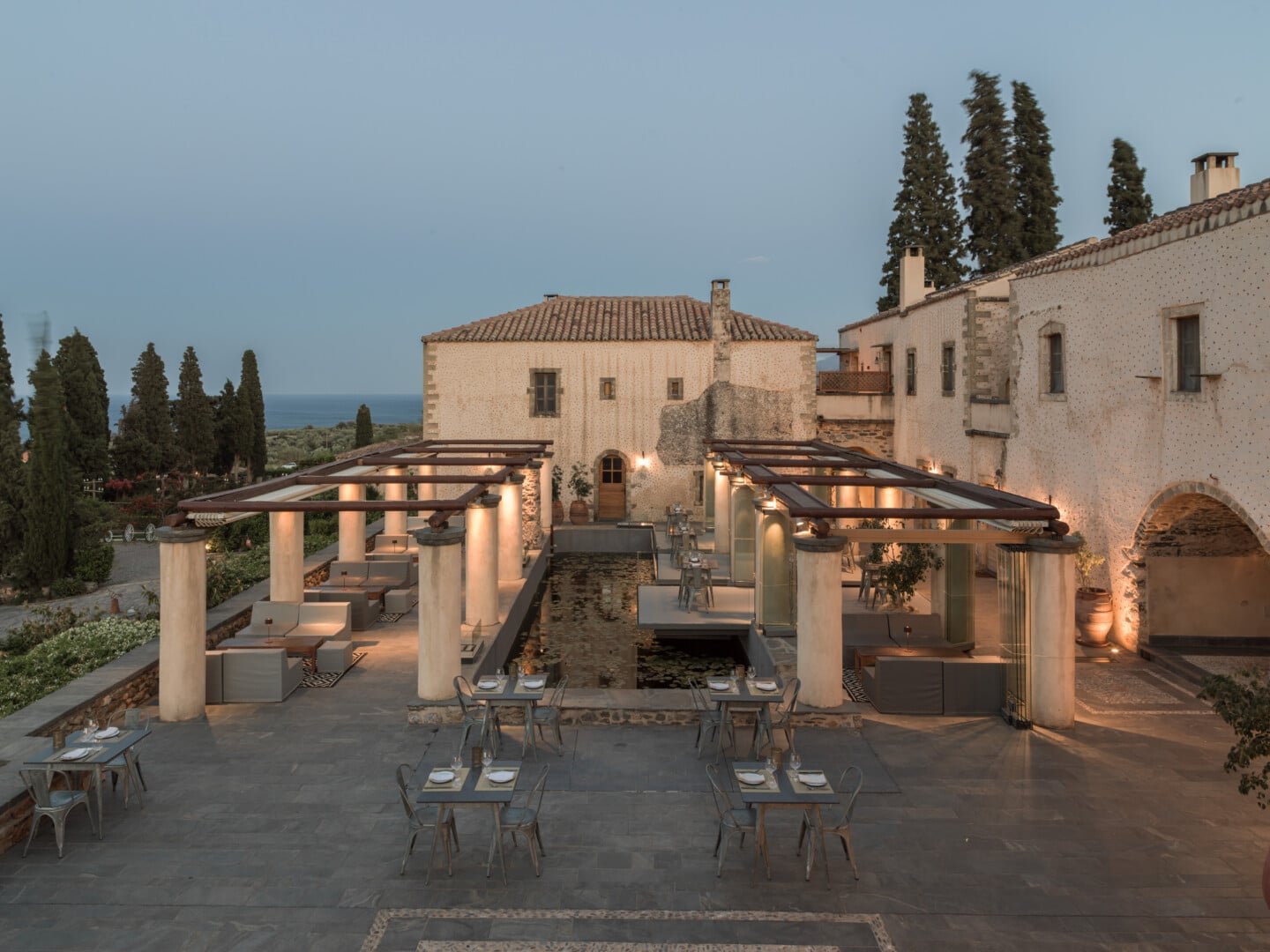
Modern and chic facilities with a charming historic touch, featuring a gorgeous cellar and scenic property walks amid sea and mountains.
Tags
Vibe
Best For
Experience
Sourcing
View
At the Vineyard
- Appellation
- Monemvasia Wines
- Varietals
- Kydonitsa, Monemvasia, Assyrtiko, Asproudi, Agiorgitiko
- Tour Duration
- 60-90 minutes
- Wine Club
- Not available
Know before you go
Know Before You Go
- Getting there
- Aggelona 230 52
Planning details
Location
Also consider
Where to look if this does not fit
If you cannot make the booking work, look first at Ktima Tselepos or Troupis Winery for a broader wine-route alternative.
If the group is more interested in distilling than wine, cross-shop Callicounis Distilleries or Karonis Distillery instead.
Winery context
How it compares in the region
Ktima Tselepos and Troupis Winery are the more natural cross-shops if the trip is about a wider Peloponnese wine route. Monemvasia Winery (Tsimpidis) is the better fit when the decision starts with Monemvasía itself: less about covering famous names, more about matching the wine stop to the place you are already visiting.
For value, the practical question is travel time. If you are staying near Monemvasía, this is the cleaner use of a day than stretching the itinerary for a single tasting elsewhere. If your route already points inland, Ktima Tselepos or Troupis Winery may justify the extra movement because they sit better within a broader wine-focused circuit.
Callicounis Distilleries, Karonis Distillery, and Verino Distillery are not like-for-like alternatives. Choose them when the group wants spirits rather than wine, or when a tasting built around distilling sounds more useful than vineyard context.
Explore Monemvasía
Around this place
Discover more on Pearl
Unlock the full Monemvasia Winery (Tsimpidis) guide in Pearl, including awards, comparisons, FAQs, planning details, and nearby places.
Compare Monemvasia Winery (Tsimpidis)
| Venue | Location | Awards |
|---|---|---|
| Monemvasia Winery (Tsimpidis) | Monemvasía | No published awards |
| Ktima Tselepos | Mantinia | 2026 Falstaff Winery Guide |
| Callicounis Distilleries | Kalamata | No published awards |
| Karonis Distillery | Nafplio | No published awards |
| Verino Distillery | Argos | No published awards |
| Troupis Winery | Mantinia | 2026 Falstaff Winery Guide |

How Monemvasia Winery (Tsimpidis) compares with similar nearby venues.
FAQ
Frequently Asked Questions
When is the best time to visit Monemvasia Winery (Tsimpidis)?
Contact Monemvasia Winery (Tsimpidis) directly before you plan around a specific time.
Does Monemvasia Winery (Tsimpidis) serve food?
Do I need a reservation at Monemvasia Winery (Tsimpidis)?
Contact Monemvasia Winery (Tsimpidis) directly before visiting, especially if your schedule is fixed.
What other venues can I compare with Monemvasia Winery (Tsimpidis)?
For broader comparisons, consider Ktima Tselepos, Troupis Winery, Callicounis Distilleries, Karonis Distillery, and Verino Distillery, while confirming each venue's details directly.
What is the flagship item at Monemvasia Winery (Tsimpidis)?
Ask the venue directly what best represents Monemvasia Winery (Tsimpidis).