

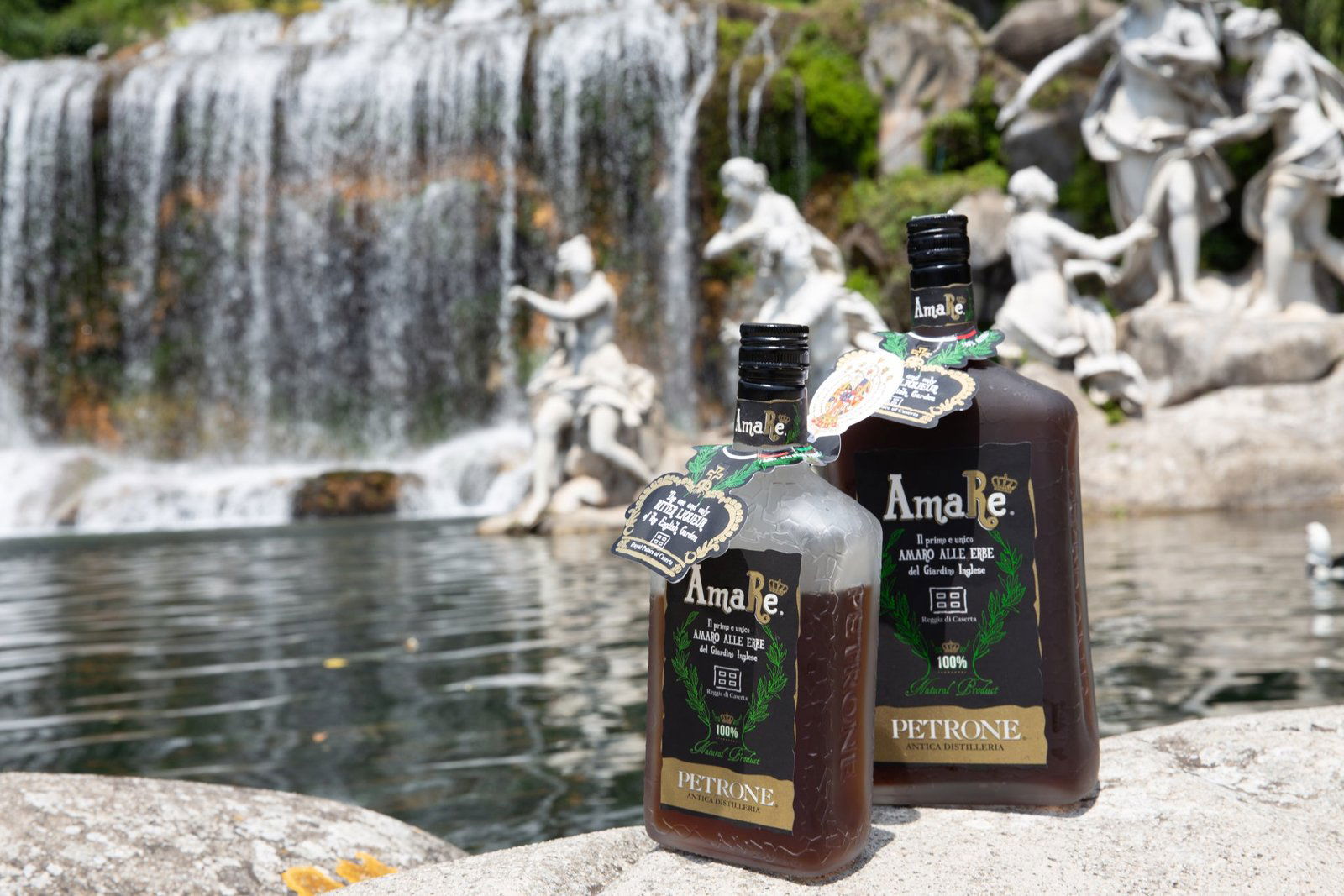
Antica Distilleria Petrone
Mondragone
Winery in Mondragone, Italy
 Book with Pearl
The Read
Volcanic-Coast Craft Distillation
Why go
Antica Distilleria Petrone is worth considering as a focused Mondragone spirits stop, especially for travelers interested in Italian liqueur and distilling culture. Do not treat it as a classic vineyard visit; the better decision is to plan around confirmed access and compare it with other Campania liqueur producers if ambiance or tasting structure matters most.
About Antica Distilleria Petrone
Beyond those points, travelers should avoid assuming details that are not confirmed here, including opening hours, prices, visit format, menu, tasting availability, group capacity, or booking policy.
Use this page as a cautious planning note rather than a complete operational guide. If Antica Distilleria Petrone is important to your Mondragone itinerary, confirm practical details directly before you build the day around it.
A Mondragone venue with limited planning details
The confirmed location detail for this listing is Mondragone. No street address, neighborhood, landmark, opening schedule, pricing, seating information, or visit structure is here. That means the safest approach is to treat Antica Distilleria Petrone as a venue to research further before arrival, especially if timing matters or if you are coordinating with other plans in Mondragone.
For comparison, travelers may also come across Amarischia, Limoncello di Capri, Liquoreria Sarandrea, Strega Alberti, and Villa Massa Limoncello. Those names can be useful reference points when considering other venues, but this listing should not imply that they share the same city, format, services, or visitor experience as Antica Distilleria Petrone.
Who should prioritize it
Prioritize Antica Distilleria Petrone if you are already planning time in Mondragone and want to include a venue with Pearl 2 Star Prestige recognition. The casual dress code also makes it easy to fit into a relaxed itinerary. Do not treat it as a guaranteed drop-in experience, tasting visit, meal stop, or group activity unless you have confirmed those details directly. The strongest reason to keep it on a shortlist is the recognition, not any claim about format, menu, pricing, hours, or visitor services.
Planning details
- Location
- Via Generale Giardini, 49, 81034 Mondragone CE
- Website
- distilleriapetrone.it
- Phone
- +39 0823 978047
The take
The Take
The Vibe
Antica Distilleria Petrone reads like a quietly authoritative artisan producer anchored to a specific place. Set on the lesser-traveled Domitian Coast in Mondragone, the distillery is framed by volcanic soils and cooled by Tyrrhenian winds, which the editorial places at the center of its identity. The profile emphasizes terroir-driven spirits rather than tourist spectacle, so visitors encounter a workmanlike, regionally rooted operation that feels almost outside commercial routes. The overall impression is of a scenic, off-the-beaten-path maker where agricultural history and local geology shape the character of what comes from the still.
Best For
This is a place for people who come with questions about origin and production: educators, serious spirits enthusiasts and anyone on an intent wine- and spirits-focused visit. The write-up highlights Campania’s distinct volcanic soils and a southern distilling idiom, making Petrone especially rewarding for wine-education–minded outings and for marking a special occasion with something regionally specific. Because it sits off major tourist circuits, visits tend to be deliberate rather than incidental, well suited to small groups or individuals seeking deeper context about raw-material provenance and local craft distilling practices.
Tasting Tips
When engaging with Petrone’s offerings, prioritize bottles or samples that speak to site and raw materials: the text stresses volcanic mineral load, heat accumulation and coastal influence as formative. Ask about the provenance of grape pomace and how southern production variables differ from better-known northern distillers—those contrasts are explicitly discussed. Frame tasting questions around the still and process rather than cocktail presentation, and seek out expressions that the producer points to as exemplars of the Campania Felix advantage to best appreciate the local terroir in spirit form.
Venue details
Ambiance
Historic and traditional atmosphere rooted in family heritage and local community ties.
Tags
Vibe
Best For
Experience
View
At the Vineyard
- Appellation
- Campania
- Visits
- By appointment only
- Wine Club
- Not available
Know before you go
Know Before You Go
- Getting there
- Via Generale Giardini, 49, 81034 Mondragone CE
Planning details
Location
Also consider
Where to look if this does not fit
If Mondragone is inconvenient, start with Amarischia for another Campania spirits option. If the trip is coastal and limoncello-focused, Villa Massa Limoncello is the cleaner substitute.
Winery context
How it compares with nearby spirits peers
Choose Antica Distilleria Petrone if Mondragone is already on the route and the goal is a focused producer stop with strong Pearl recognition. Amarischia is the more natural cross-shop for travelers staying closer to the Naples side of Campania, while Strega Alberti suits visitors who want a broader heritage-led liqueur name rather than a Mondragone-specific stop.
For lemon liqueur interest, Limoncello di Capri and Villa Massa Limoncello are cleaner fits than Antica Distilleria Petrone. They make more sense when the trip is coastal or Sorrento-Capri oriented; Petrone is better when the itinerary is built around Mondragone itself.
Liquoreria Sarandrea is the better comparison for travelers who want a specialist liqueur producer with a more niche feel. Value depends less on posted pricing than on confirmed access and how much the visitor cares about category depth. For ease, pick the venue that fits the day's geography rather than forcing a detour.
Explore Mondragone
Around this place
Discover more on Pearl
Unlock the full Antica Distilleria Petrone guide in Pearl, including awards, comparisons, FAQs, planning details, and nearby places.
Compare Antica Distilleria Petrone
| Venue | Location | Awards |
|---|---|---|
| Antica Distilleria Petrone | Mondragone | No published awards |
| Amarischia | Caivano | No published awards |
| Limoncello di Capri | Capri | No published awards |
| Villa Massa Limoncello | Sorrento | No published awards |
| Strega Alberti | Benevento | No published awards |
| Liquoreria Sarandrea | Collepardo | No published awards |
How Antica Distilleria Petrone Mondragone compares with similar nearby venues.
FAQ
Frequently Asked Questions
What is Antica Distilleria Petrone known for in this listing?
The details are that Antica Distilleria Petrone is in Mondragone, has a casual dress code, and holds Pearl 2 Star Prestige recognition for 2025. No specific product, menu item, or visit experience is here.
How long should I plan for a visit to Antica Distilleria Petrone?
No visit length, opening hours, or visit format is here. If you want to include Antica Distilleria Petrone in a Mondragone itinerary, confirm the practical details directly before setting your schedule.
What other venues might I compare with Antica Distilleria Petrone?
This listing does not verify nearby venues or distances. For broader comparison, you may also see names such as Amarischia, Limoncello di Capri, Villa Massa Limoncello, Strega Alberti, and Liquoreria Sarandrea, but do not assume they are in Mondragone or offer the same type of experience.
Are membership options available at Antica Distilleria Petrone?
No membership details, terms, or benefits are here. Do not make a decision based on this listing alone; confirm any membership information directly with the venue.