
Giuseppe Mascarello & Figlio
Monchiero
Winery in Monchiero, Italy
 Book with Pearl
The Read
Geological Barolo Precision
Price
$150–200tasting
Why go
Book Giuseppe Mascarello & Figlio only if the trip is genuinely wine-led. It is a strong choice for a small celebration or collector-focused Langhe itinerary, but not the easiest fit for large groups, casual tastings, or visitors who need a fully built-out hospitality format.
About Giuseppe Mascarello & Figlio
Giuseppe Mascarello & Figlio is a Pearl 2 Star Prestige (2025) venue in Monchiero. The safest way to plan is to treat it as an advance-check visit rather than a stop built around assumptions about format, services, menus, or visitor infrastructure.
Dress code: smart casual. Beyond that, check details such as food service, visit structure, group capacity, prices, hours, and other amenities directly with the venue through its official channels.
Book with confirmed details, not assumptions
For a special occasion or a tightly planned Monchiero itinerary, Giuseppe Mascarello & Figlio may still be worth prioritizing because of its Pearl 2 Star Prestige (2025) recognition. The key is to verify the current visit format before building the day around it.
Keep the schedule flexible and avoid treating the venue as a guaranteed walk-in, meal, tasting, or extended hospitality experience. For wider trip planning, use broader Monchiero guides and confirm current details directly with each venue before committing to a schedule.
Who should choose it over a broader regional itinerary
Choose Giuseppe Mascarello & Figlio if a Pearl-recognized Monchiero venue fits the purpose of the trip and you are prepared to confirm details directly. If your group needs a specific service, schedule, or format, verify that first rather than assuming it is available.
For broader regional planning, it can be considered alongside names such as Aldo Conterno, Elvio Cogno, Giacomo Conterno, Luciano Sandrone, and Marchesi di Barolo. Keep each comparison practical: confirm location, access, and current visitor details directly before committing to an itinerary.
Planning details
- Location
- Località Borgonuovo, 108, 12060 Monchiero CN
- Website
- mascarello1881.com
- Phone
- +39 0173 792126
The take
The Take
The Vibe
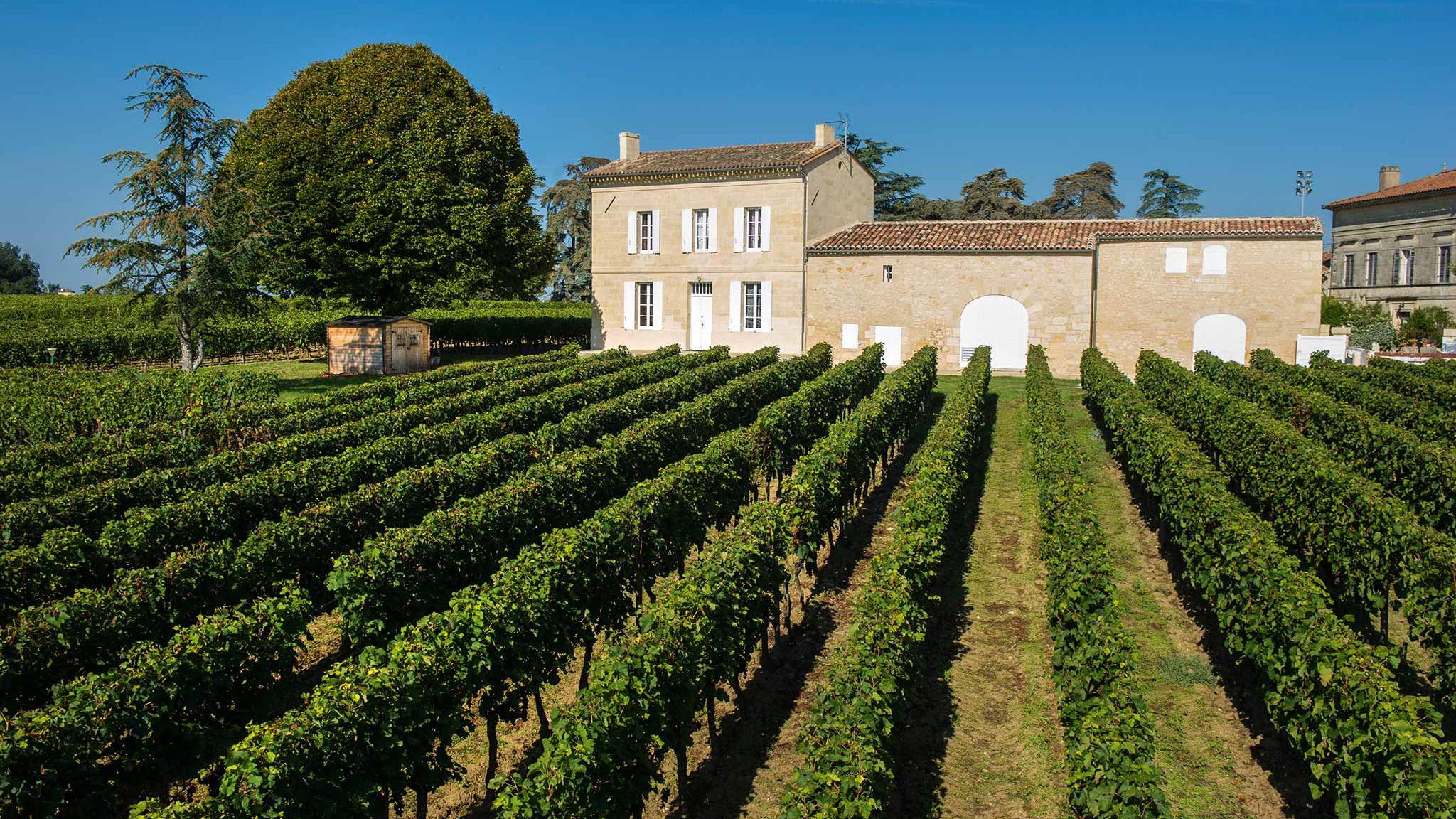
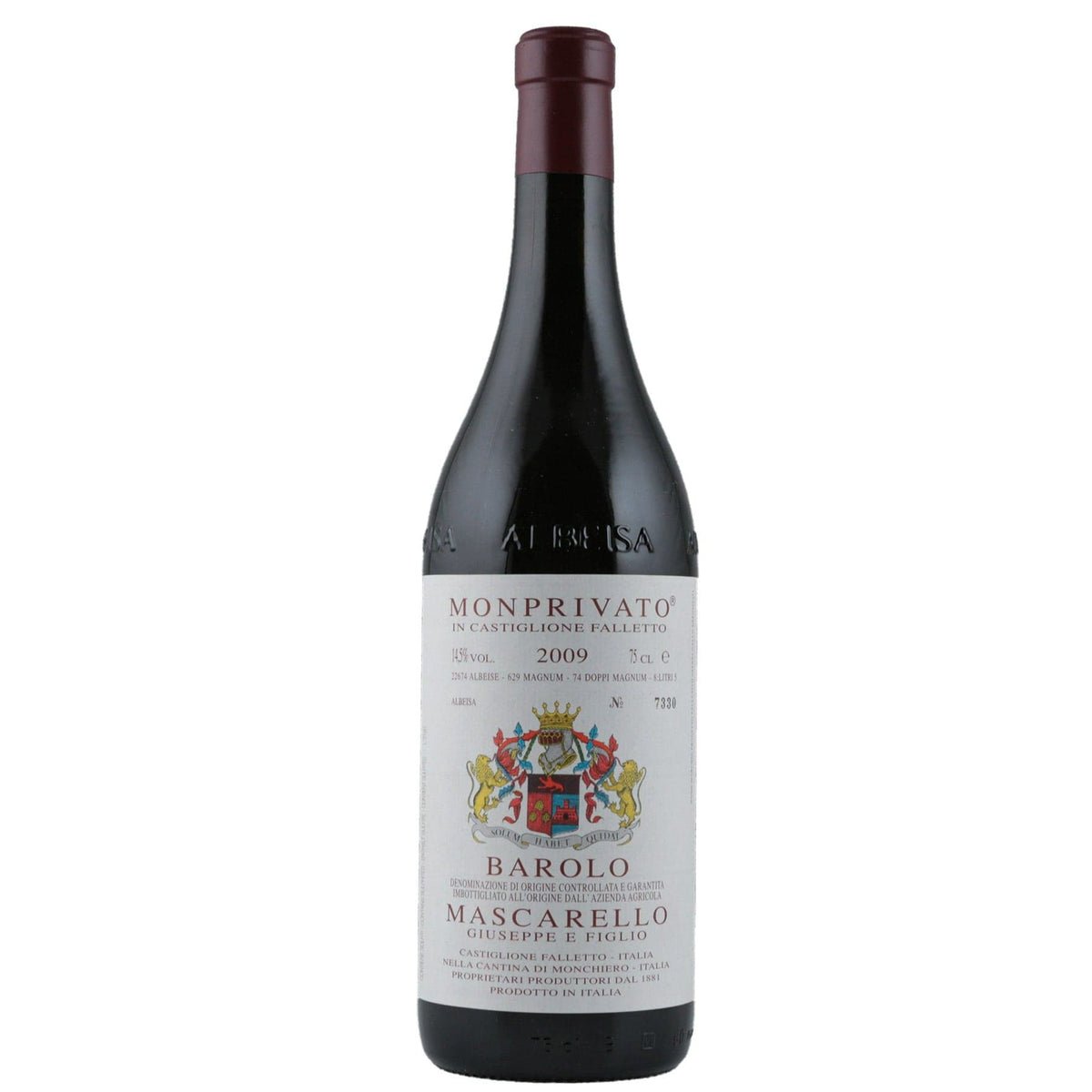
Giuseppe Mascarello & Figlio presents a quietly authoritative presence in the Langhe, where centuries of agricultural knowledge shape a restrained, exacting style. The landscape itself—limestone and clay slopes and orderly vine rows—anchors the experience, giving the wines a clear sense of place. Writing about Nebbiolo here means emphasizing structure, patience and long-term development: these are wines that reward study and cellaring rather than immediate showmanship. Recognition such as the 2025 Pearl 2 Star Prestige underlines the estate’s methodical, high-caliber approach, so visitors encounter a refined, historically rooted winery more interested in terroir and longevity than in flash.
Best For
This estate is best for serious wine lovers who want to understand how terroir shapes Nebbiolo and for collectors seeking structured, ageworthy bottles. The writing stresses geology, parcel-level knowledge and slow aromatic development, so it suits educational visits focused on vineyard expression and farming legacy. It also fits special-occasion purchases for those who want wines with cellar potential and critics’ recognition. Travelers looking for a contemplative tasting amid classic Langhe scenery—rather than a rowdy social stop—will find the house’s measured, terroir-driven identity most rewarding.
Tasting Tips
Look for wines that emphasize the estate’s limestone and clay soils and Nebbiolo’s structural grip; the text highlights iron-tinged aromatics and the need for extended cellaring. Seek awarded bottlings the estate highlights—the 2025 Pearl 2 Star Prestige is mentioned as an indicator of quality—and ask about parcel-specific expressions, since generations of field knowledge inform distinct site behavior. Expect wines that develop with time rather than instant charm; if you plan to buy, consider older vintages or have a clear cellaring plan to let the wines resolve into coherence.
Venue details
Ambiance
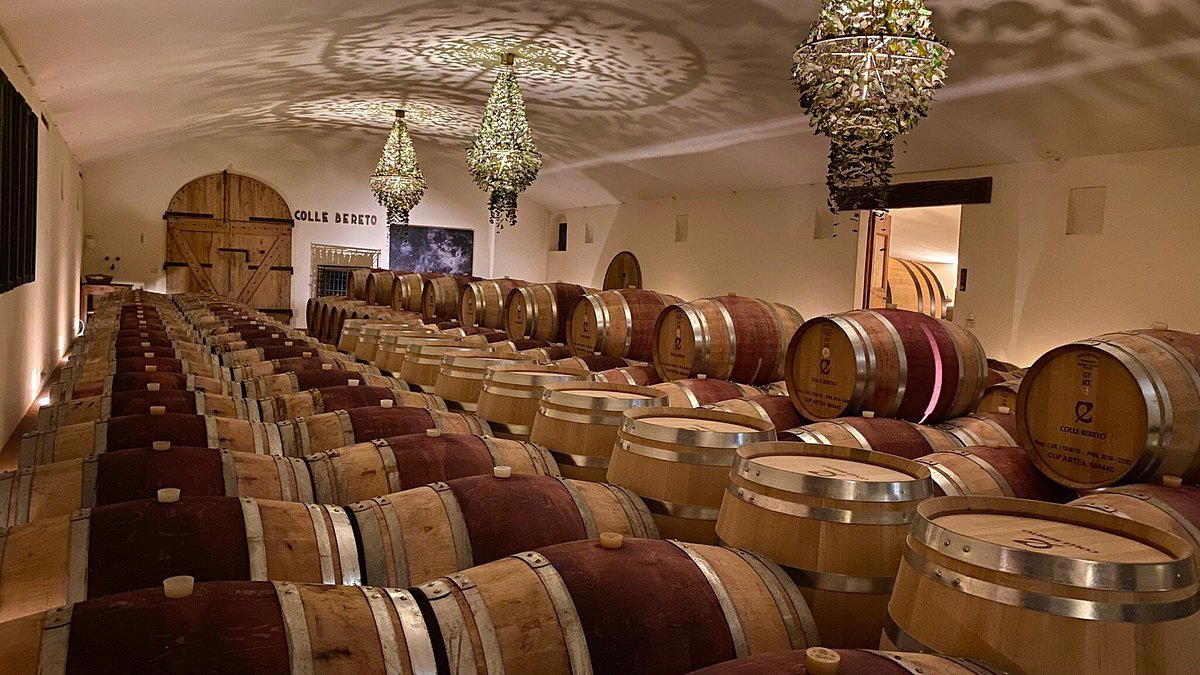
Traditional, austere cellar environment with historic Slavonian oak barrels; minimal intervention winemaking philosophy creates an atmosphere of understated elegance and reverence for terroir.
Tags
Vibe
Best For
Experience
Sourcing
View
At the Vineyard
- Appellation
- Barolo DOCG
- Varietals
- Nebbiolo, Barbera, Dolcetto, Freisa
- Tour Duration
- 90-120 minutes
- Tour Languages
- Italian, English
- Visits
- By appointment only
- Wine Styles
- Still Red
- Shipping
- Available
- Wine Club
- Available
Know before you go
Know Before You Go
- Getting there
- Località Borgonuovo, 108, 12060 Monchiero CN
Planning details
Location
Recognition and awards

Also consider
Also Consider
- Elvio Cogno, Notable alternative
- Giacomo Conterno, Notable alternative
- Marchesi di Barolo, Notable alternative
- Aldo Conterno, Notable alternative
- Luciano Sandrone, Notable alternative
Winery context
Against Elvio Cogno, Giacomo Conterno, Marchesi di Barolo, Aldo Conterno, and Luciano Sandrone, Giuseppe Mascarello & Figlio is the pick for a quieter, more serious collector-led plan. It is not the practical choice if the group wants the easiest booking or a broad visitor setup.
Marchesi di Barolo is the safer cross-shop for travelers who want a more accessible Barolo stop, while Aldo Conterno and Giacomo Conterno sit closer to the same serious-collector lane. If the decision is about value for effort, choose Mascarello when the producer itself is the reason for the day; choose Marchesi di Barolo when logistics and group comfort matter more.
Elvio Cogno and Luciano Sandrone make better alternates if the plan needs another high-quality Langhe name without hinging the whole itinerary on one difficult appointment. For ambiance, expect Mascarello to reward a quieter, more attentive group rather than a celebratory crowd looking for a long hosted experience.
Explore Monchiero
Around this place
Discover more on Pearl
Unlock the full Giuseppe Mascarello & Figlio guide in Pearl, including awards, comparisons, FAQs, planning details, and nearby places.
Compare Giuseppe Mascarello & Figlio
| Venue | Location | Awards |
|---|---|---|
| Giuseppe Mascarello & Figlio | Monchiero | 2026 Falstaff Winery Guide |
| Elvio Cogno | Novello | 2026 Falstaff Winery Guide |
| Giacomo Conterno | Monforte d'Alba | 2026 Falstaff Winery Guide2025 Pearl 5 Star Prestige |
| Marchesi di Barolo | Barolo | 2026 Falstaff Winery Guide2025 World's 50 Best Vineyards · #80 |
| Aldo Conterno | Monforte d'Alba | 2026 Falstaff Winery Guide |
| Luciano Sandrone | Barolo | 2026 Falstaff Winery Guide |


How Giuseppe Mascarello & Figlio Monchiero compares with similar nearby venues.
FAQ
Frequently Asked Questions
Do I need a reservation at Giuseppe Mascarello & Figlio?
Does Giuseppe Mascarello & Figlio serve food?
Do not plan lunch, dinner, or other dining around Giuseppe Mascarello & Figlio unless the venue confirms it directly.
How long should I plan for a visit to Giuseppe Mascarello & Figlio?
Does Giuseppe Mascarello & Figlio have a membership program?
What other venues can I compare with Giuseppe Mascarello & Figlio?
For broader regional planning, compare details directly with Giacomo Conterno, Luciano Sandrone, Elvio Cogno, Marchesi di Barolo, and Aldo Conterno. Confirm each venue's current access and location before building an itinerary.
What is Giuseppe Mascarello & Figlio best known for?
Giuseppe Mascarello & Figlio is notable for its Monchiero location, smart casual dress code, and Pearl 2 Star Prestige (2025) recognition.
Can Giuseppe Mascarello & Figlio handle large groups?
Contact Giuseppe Mascarello & Figlio directly before planning for a large party.