Palácio da Brejoeira
Monção
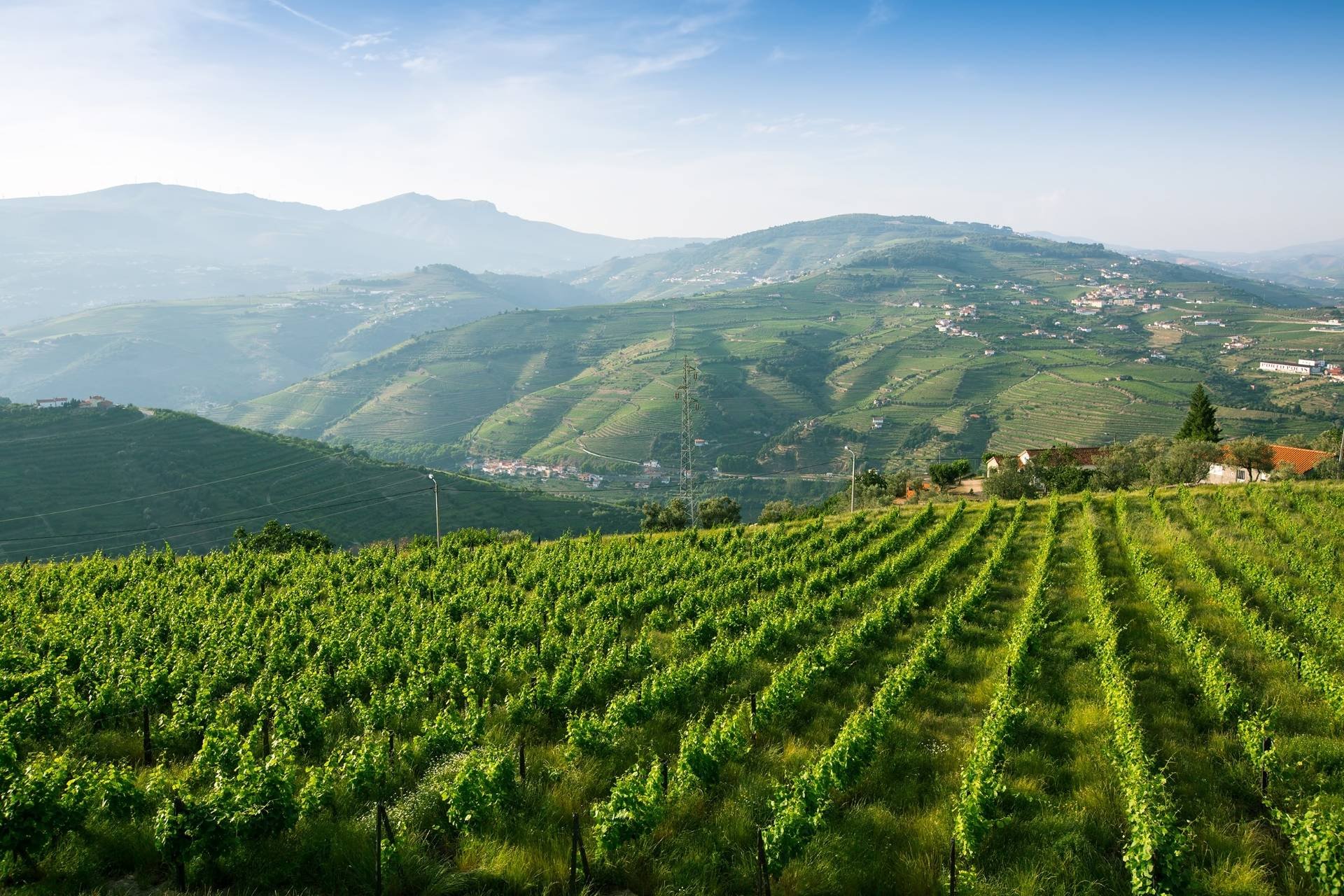
Winery in Monção, Portugal
 Book with Pearl
The Read
Granite-Rooted Alvarinho
Price
$10–20tasting
Why go
Choose Palácio da Brejoeira when the wine stop needs to feel like the anchor of a Monção day, especially for a date, celebration, or client-friendly itinerary. Soalheiro is the cleaner comparison for producer-led Alvarinho focus; this is the stronger pick when the estate setting matters as much as the tasting.
About Palácio da Brejoeira
Palácio da Brejoeira is a Monção venue with a smart casual dress code and Pearl 2 Star Prestige recognition for 2025. Those points give the venue a clear planning frame: it can be treated as a polished Monção option with enough standing to sit within a premium shortlist, while practical details such as opening hours, prices, visit formats, group policies, and on-site services should be confirmed directly before making plans. In Pearl terms, that distinction matters. The recognition and dress code help set expectations for tone, while the operational details should be checked before building an itinerary around the visit.
If you are comparing it with other premium venues for a broader itinerary, Soalheiro is one relevant name to consider. That comparison can help place Palácio da Brejoeira within a more selective regional plan, especially when the aim is to understand how one stop might fit beside another. Terras Gauda, Bodegas Martín Códax, Pazo de Señorans, and Bodegas Granbazán can also be useful reference points, with their details checked separately. They are best used as separate markers for itinerary research.
Choose it as a planned Monção stop, with details confirmed directly
Use Monção as the location reference for planning, and confirm practical details through the venue's official channels before building the day around it. Check timing, access, availability, reservation rules, group capacity, pricing, visit length, menus, and specific services in advance. A smart casual dress code suggests a considered setting, but it should not be stretched into conclusions about what is included, how a visit is structured, or what arrangements may be possible on a particular day. Likewise, the Pearl 2 Star Prestige recognition is useful for ranking the venue within a Pearl-style shortlist, while direct confirmation remains essential for the details that determine whether it fits a specific itinerary.
For a careful itinerary, compare Palácio da Brejoeira with Soalheiro as another reference point, or with Terras Gauda, Bodegas Martín Códax, Pazo de Señorans, and Bodegas Granbazán when looking beyond a single Monção stop. This kind of comparison is most helpful when used to clarify priorities: whether the day is being shaped around one principal stop, a sequence of premium venues, or a wider regional route. Still, each name should remain separate in the planning process. Treat those as separate planning references, not proof of what Palácio da Brejoeira itself offers. Until the venue confirms practical arrangements directly, avoid carrying over details from other places, even if they appear comparable in tone or prestige. The most reliable approach is to keep Palácio da Brejoeira on the shortlist for Monção, note the smart casual expectation and 2025 Pearl 2 Star Prestige recognition, then confirm the remaining essentials before committing the rest of the day around it.
Planning details
- Location
- Quinta da Brejoeira, 4950-660
- Website
- palaciodabrejoeira.pt
- Phone
- +351 251 666 129
The take
The Take
The Vibe
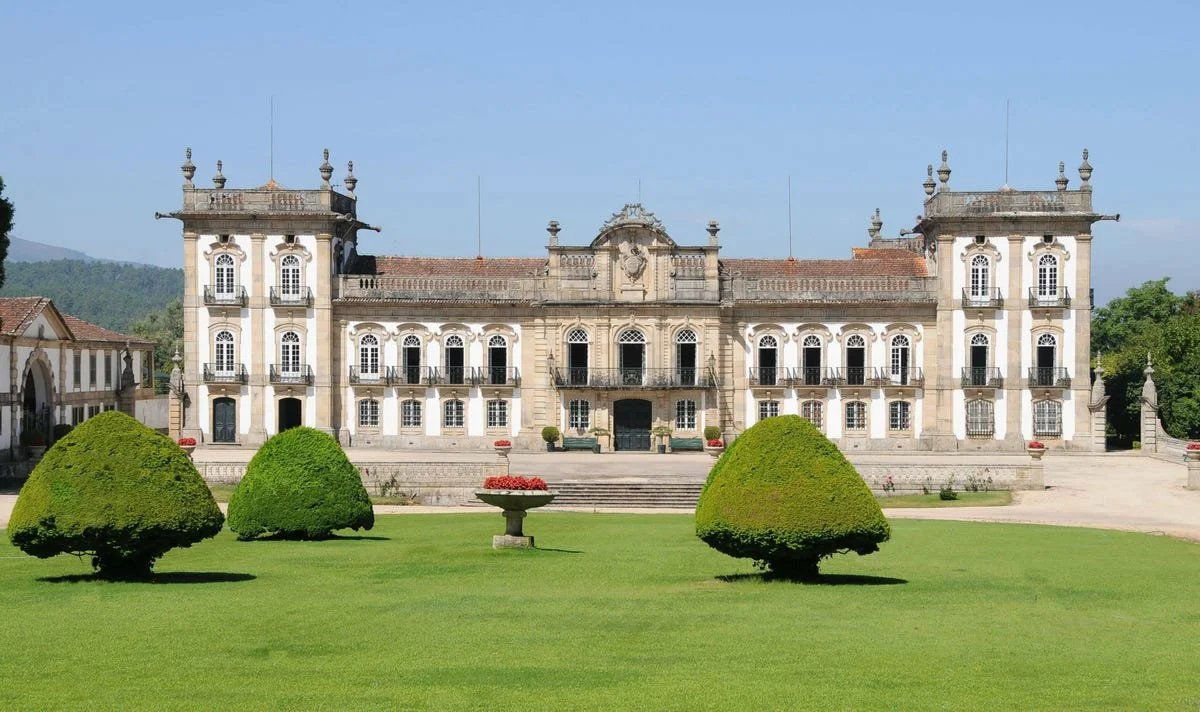
Palácio da Brejoeira reads like a living chapter of northern Portugal’s landed estate tradition: an eighteenth- and nineteenth-century palace set within working vineyards. The property balances residential grandeur with agricultural purpose, so the architecture and the vines feel in continuous dialogue rather than staged for visitors. Granite soils and Atlantic influence shape a landscape that is quietly grand rather than flashy—stately gates, formal entries and a quinta that resembles a self-contained estate. The overall effect is historic and charming, a place where heritage and production coexist and where the landscape itself informs the visitor’s sense of place.
Best For
This estate is especially well suited to visitors who care about terroir and history. Wine students and curious tasters find the site instructive because the description foregrounds Monção’s granite soils and the regional case for Alvarinho. It also lends itself to special occasions: the palace architecture and formal approach create an elevated backdrop for milestone visits. Solo explorers who favor contemplative walks through vineyard-dominated grounds will appreciate the quietly grand setting, where the estate’s agricultural function remains visible alongside the built heritage.
Tasting Tips
When tasting at Palácio da Brejoeira, prioritize the Alvarinho expressions and estate bottlings that showcase the Monção case described in the text: wines that combine aromatic lift with surprising body and aging potential. Ask about the influence of the granitic soils and Atlantic climate that the description highlights—staff can contextualize freshness versus structural depth. If available, request estate-focused pours or older vintages to experience the region’s aging potential rather than only early-drinking blends. Use visits as an opportunity to discuss vineyard practice and terroir, since the property presents production and place together.
Venue details
Ambiance
Elegant and romantic with opulent empire-style rooms, lush gardens, lakes, and a sense of historical luxury.
Tags
Vibe
Best For
Experience
View
At the Vineyard
- Appellation
- Vinhos Verdes
- Varietals
- Alvarinho
- Tour Duration
- 2 Hours
- Tour Languages
- Portuguese, English
- Visits
- By reservation
- Wine Styles
- Still White
- Wine Club
- Not available
Know before you go
Know Before You Go
- Getting there
- Quinta da Brejoeira, 4950-660
Planning details
Location
Also consider
Also Consider
- Soalheiro, Notable alternative
- Terras Gauda, Notable alternative
- Bodegas Martín Códax, Notable alternative
- Pazo de Señorans, Notable alternative
- Bodegas Granbazán, Notable alternative
Winery context
How it compares in the Monção and Atlantic white-wine set
Soalheiro is the more obvious cross-shop for readers focused on Monção and Melgaço wine credentials. Choose Soalheiro if the priority is a producer-led visit with the wine itself at the center; choose Palácio da Brejoeira if the occasion needs a more formal estate backdrop and a slower, more celebratory feel.
Terras Gauda, Bodegas Martín Códax, Pazo de Señorans, and Bodegas Granbazán are better comparisons for readers weighing northern Portugal against Galicia. Those names make sense for a broader Atlantic white-wine itinerary; Palácio da Brejoeira makes more sense when the day is anchored specifically in Monção.
For value, the decision is less about chasing the lowest spend and more about what kind of experience justifies the detour. If booking ease and producer range matter more, cross-shop the Galician peers. If ambiance and a special-occasion setting are the reason for going, keep this near the front of the list.
Explore Monção
Around this place
Discover more on Pearl
Unlock the full Palácio da Brejoeira guide in Pearl, including awards, comparisons, FAQs, planning details, and nearby places.
Compare Palácio da Brejoeira
| Venue | Location | Awards |
|---|---|---|
| Palácio da Brejoeira | Monção | No published awards |
| Soalheiro | Melgaço | 2026 Falstaff Winery Guide2022 World's 50 Best Vineyards · #162021 World's 50 Best Vineyards · #27 |
| Terras Gauda | O Rosal | No published awards |
| Bodegas Martín Códax | Cambados | 2026 Falstaff Winery Guide |
| Pazo de Señorans | Meis | 2026 Falstaff Winery Guide |
| Bodegas Granbazán | Vilanova de Arousa | 2025 World's 50 Best Vineyards · #86 |


How Palácio da Brejoeira Monção compares with similar nearby venues.
FAQ
Frequently Asked Questions
Do I need a reservation at Palácio da Brejoeira?
Confirm current booking guidance directly with Palácio da Brejoeira before visiting this Pearl 2 Star Prestige venue in Monção.
Can Palácio da Brejoeira handle large groups?
If you are planning for several guests, contact Palácio da Brejoeira directly and confirm what is possible in Monção.
What should I know about Palácio da Brejoeira?
Palácio da Brejoeira is in Monção, has a smart casual dress code, and holds Pearl 2 Star Prestige recognition for 2025. Confirm current pricing, opening hours, visit formats, menus, and on-site services directly with the venue.
How long should I plan for a visit to Palácio da Brejoeira?
What other venues can I compare with Palácio da Brejoeira?
Soalheiro is one useful comparison. Terras Gauda, Bodegas Martín Códax, Pazo de Señorans, and Bodegas Granbazán are also relevant reference points for a broader itinerary.