
Winery in Moncalieri, Italy
Gin Malfy (Torino Distillati)
250ptsItalian Botanical Distillation
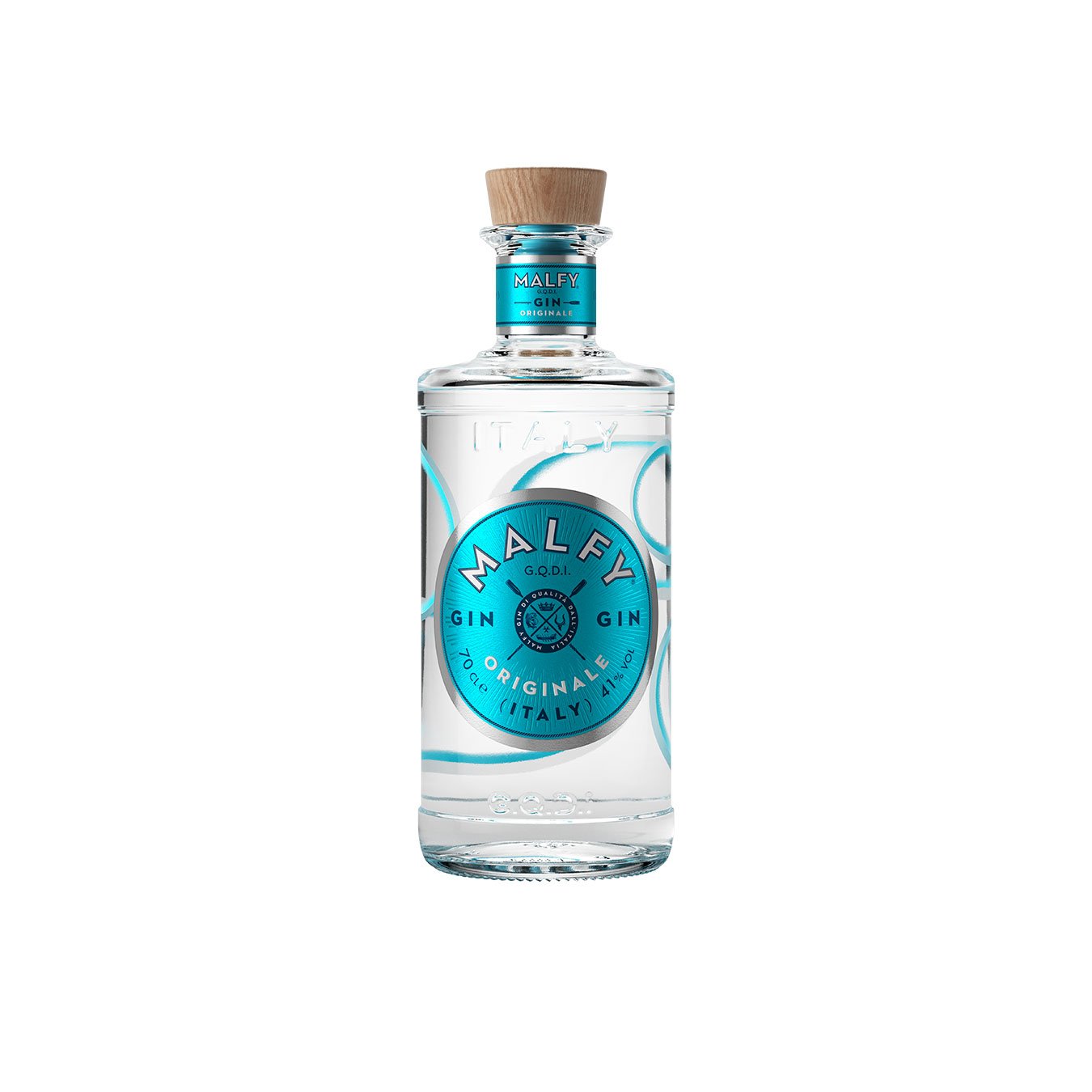
About Gin Malfy (Torino Distillati)
Torino Distillati's Moncalieri operation behind Gin Malfy sits on Via Montegrappa in the southern reaches of the Turin metropolitan area, operating as a production and prestige address within Italy's growing craft spirits sector. The site earned a Pearl 1 Star Prestige rating in 2025, placing it among Italy's recognised distillery addresses. For those tracing Italian gin and the broader Piedmontese spirits tradition, it represents a credentialled stop in a region better known for wine and vermouth.
Piedmont's Spirits Identity, Beyond the Wine Rack
Piedmont's international reputation is constructed almost entirely around wine. Barolo and Barbaresco define the region's prestige export, and the production corridors around Langhe and Monferrato attract the kind of pilgrim traffic that fills tasting rooms from April through November. What receives considerably less attention is the region's parallel tradition in distillation. Turin and its southern municipalities have a documented history in vermouth production and in the kind of botanical-driven spirits that predate the contemporary gin revival by generations. Torino Distillati, operating out of Via Montegrappa 37 in Moncalieri, occupies that older lineage while producing a product, Gin Malfy, that has become one of the more recognisable Italian gins in international on-trade markets.
Moncalieri itself sits directly south of Turin, close enough to the city centre that it functions as an extension of the metropolitan area rather than a standalone destination. The address on Via Montegrappa places the operation in an industrial-residential zone typical of production facilities that need space and infrastructure without paying for central city premises. Visitors approaching from Turin's Lingotto district will find the transition unremarkable in the leading sense: this is a working production site, not a curated visitor experience built around aesthetic packaging. That distinction matters when assessing what a visit here offers against, say, a winery estate in the Langhe or a heritage distillery in Friuli.
The Malfy Identity and What It Signals About Italian Gin
Italian gin has carved a distinct market position in the last decade, largely by anchoring botanical profiles to identifiable Italian ingredients rather than competing directly with London Dry conventions. The category's most visible international entry points, citrus-forward styles using Amalfi lemon or Sicilian blood orange, have helped create consumer recognition for Italian origin as a flavour signal. Gin Malfy belongs to that broader movement and has been distributed widely enough that its bottles appear in airport retailers and upscale cocktail bars across Europe and North America.
That level of distribution places Torino Distillati in a different competitive register from the artisan micro-distilleries that have proliferated across Piedmont and the northeast. Craft Italian spirits operations like Distilleria Romano Levi in Neive and Distilleria Marzadro in Nogaredo operate on a production logic where scarcity and tradition are core to the brand. Nonino Distillery in Pavia di Udine and Poli Distillerie in Schiavon represent a middle tier where heritage credentials and broader production coexist. Torino Distillati sits closer to that second group: a producer with enough volume to achieve meaningful international presence, but with a Piedmontese identity that connects the product to a specific place.
Pearl 1 Star Prestige: What the 2025 Rating Tells You
The Pearl 1 Star Prestige award received in 2025 positions Torino Distillati within EP Club's recognised tier for premium producers. In the context of Italian spirits, recognition at this level signals quality controls and consistency standards that go beyond basic production compliance. Italy's spirits sector has historically been evaluated through the lens of wine institutions, which means credentialling infrastructure for distilleries is less mature than for wineries. A Pearl designation for a gin producer in Piedmont therefore carries comparative weight; it places the operation in a peer set that includes producers across categories who have passed structured assessment rather than simply accumulated retail distribution.
For the broader Italian spirits scene, this kind of recognition matters because it helps create a vocabulary of quality that the category has lacked. Vermouth producers in Turin, grappa houses in Friuli and Trentino, and now gin distilleries in Piedmont are beginning to accumulate formal credentials that allow international buyers and travel visitors to make comparative assessments. Producers like Campari in Milan have long operated at scale with institutional recognition; smaller and mid-scale producers are now entering credentialled territory that previously belonged almost exclusively to wine.
Terroir and Botanical Source in Piedmontese Gin
The terroir argument for gin is more contested than for wine, but it is not empty. Alpine botanicals in northwestern Italy, from juniper growing at altitude in the Ligurian Apennines to the citrus grown further south that arrives as dried peel, carry origin signals that inform production decisions. The Piedmontese location of Torino Distillati places it within reach of botanical sources that are geographically specific even when the finished product travels globally. This is a different kind of terroir expression than what you find at, say, Aldo Conterno in Monforte d'Alba, where Nebbiolo grown on specific Langhe slopes produces wines whose character is inseparable from soil and microclimate. Gin operates on a blended botanical logic that allows more latitude in sourcing.
What the Piedmontese context does contribute is a production culture shaped by centuries of working with botanicals for vermouth, aperitivo liqueurs, and medicinal preparations. That accumulated knowledge of botanical behaviour, maceration timing, and distillation temperature control sits in the region's institutional memory in a way it does not in areas without that history. The Moncalieri address places Torino Distillati within that inheritance even if its primary product is a contemporary gin rather than a historic category.
Italian Distillation Alongside Italian Wine: A Regional Pattern
The pattern of premium wine regions producing notable spirits alongside their primary category repeats across Italy. In Tuscany, winery estates have developed grappa programs alongside their Sangiovese production; producers like Castello di Volpaia in Radda in Chianti and Lungarotti in Torgiano operate within traditions where distillation is understood as a complement to viticulture rather than a separate industry. In Sicily, Planeta in Menfi represents how island terroir can inform a broader beverages identity beyond wine. In Lombardy, Ca' del Bosco in Erbusco sits within a wine-first region that nevertheless has room for producers working across categories.
Piedmont's version of this pattern has historically been dominated by vermouth, with Turin houses like Martini and Carpano defining the category internationally. Gin's emergence as a serious craft category in Italy has extended that tradition in a new direction, and Torino Distillati represents one of its more commercially developed expressions. Whether that constitutes a deepening of the regional spirits identity or a divergence from it depends on how you weight tradition against innovation, but the Pearl 1 Star Prestige recognition suggests the quality argument holds regardless of the category debate.
Planning a Visit to Via Montegrappa
Moncalieri is accessible from central Turin in under thirty minutes by car and is served by the metropolitan transport network. For visitors combining Piedmontese wine itineraries with spirits exploration, the site at Via Montegrappa 37 makes geographic sense as a day-extension from Turin rather than a standalone excursion. Phone and website details are not listed in current EP Club records, so direct contact to confirm visit arrangements before travelling is advisable. Given that this is a production facility rather than a dedicated visitor centre, checking operational protocols in advance will determine what access is available. As with distillery visits across Italy, scheduling outside high summer, when production cycles and staffing patterns differ from cooler months, is generally more reliable. For the wider Moncalieri eating and drinking context, see our full Moncalieri restaurants guide.
Visitors interested in Italian spirits more broadly can situate Torino Distillati within a wider circuit that includes grappa heritage in the northeast via Nonino Distillery in Pavia di Udine and Poli Distillerie in Schiavon, or extend into Langhe wine territory with a stop at Distilleria Romano Levi in Neive, where grappa production has operated under entirely different aesthetic and commercial logic for decades. For those whose primary interest is Piedmontese wine with spirits as a secondary focus, the corridor from Moncalieri south toward Barolo and Barbaresco country passes through some of Italy's most credentialled wine addresses, including Aldo Conterno in Monforte d'Alba, making a combined itinerary efficient even for visitors with limited time in the region.
Frequently Asked Questions
- Is Gin Malfy (Torino Distillati) more low-key or high-energy?
- The Via Montegrappa address in Moncalieri is a production facility in an industrial-residential zone south of Turin, not a styled hospitality venue. The atmosphere is operational rather than experiential. Visitors should expect a working distillery environment, not a bar or tasting room. The Pearl 1 Star Prestige (2025) credential speaks to production quality rather than visitor experience format.
- What wines is Gin Malfy (Torino Distillati) known for?
- Torino Distillati is a spirits producer, not a winery. The operation is associated with Gin Malfy, an Italian gin that has achieved significant international distribution and received Pearl 1 Star Prestige recognition from EP Club in 2025. No wine production is recorded for this address. For Piedmontese wine, the Langhe region producers offer the relevant reference point.
- What makes Gin Malfy (Torino Distillati) worth visiting?
- The Pearl 1 Star Prestige award (2025) positions it among Italy's credentialled spirits producers, and its location in Moncalieri places it conveniently within the Turin metropolitan area. For visitors with a genuine interest in Italian gin production and the Piedmontese botanical tradition behind it, the site offers a production-level perspective not available from retail encounters with the bottle. It works leading as part of a broader Piedmont itinerary rather than a standalone destination. Price range details are not currently available in EP Club records.
- Is Gin Malfy (Torino Distillati) reservation-only?
- No phone number or website is currently listed in EP Club records, so direct advance contact is recommended before visiting. As a production facility rather than a consumer-facing venue, visit access likely requires prior arrangement. The Pearl 1 Star Prestige (2025) credential confirms its standing as a recognised producer, but operational visitor policies should be verified directly with the site before travelling from Turin or further afield.
Related editorial
- Best Fine Dining Restaurants in ParisFrom three-Michelin-star icons to the next generation of Parisian chefs pushing boundaries, these are the restaurants that define fine dining in the world's culinary capital.
- Best Luxury Hotels in RomeFrom rooftop terraces overlooking ancient ruins to Michelin-starred hotel dining, these are the luxury hotels that make Rome unforgettable.
- Best Cocktail Bars in KyotoFrom sleek lounges to hidden speakeasies, Kyoto's cocktail scene blends Japanese precision with global influence in ways you won't find anywhere else.
Save or rate Gin Malfy (Torino Distillati) on Pearl
Keep this venue in your Pearl passport, rate it after you visit, and track it alongside every other place you collect.