

Winery in Mombaruzzo, Italy
Distillerie Berta
500Pearl PointsCellar-first stop
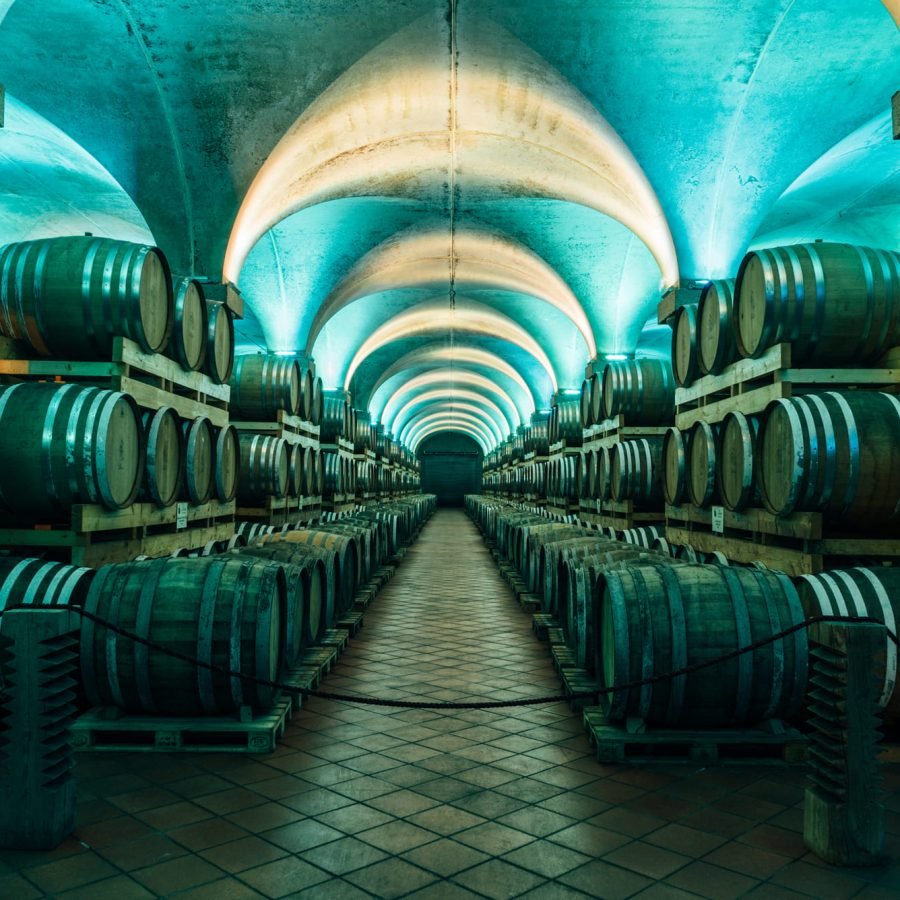
About Distillerie Berta
Distillerie Berta is the Mombaruzzo choice for travellers who want a serious Piedmont spirits stop rather than another winery appointment. Plan it as the anchor of a half-day, especially on a fair-weather route through the area. It makes more sense for returning Piedmont visitors than for first-timers chasing classic Langhe wine names.
Distillerie Berta is listed in Mombaruzzo with Pearl 2 Star Prestige (2025) recognition and a casual dress code. Beyond those verified points, treat practical details as something to confirm directly before planning around them.
Plan it as the main Mombaruzzo stop, not a quick pass-through
The strongest verified reason to keep Distillerie Berta on the shortlist is its Pearl 2 Star Prestige (2025) recognition. Mombaruzzo is best approached with a simple plan rather than an overloaded route, especially when confirmed details such as hours, visit format, pricing, on-site services are not available in the current record. If the day also includes other plans, use local resources such as Our full Mombaruzzo hotels guide to avoid overloading the route.
Because the verified data is limited, do not build the itinerary around assumed services. Confirm the current options, timing, any group requirements directly before committing the rest of the day.
Who should choose this over another Mombaruzzo plan
Choose Distillerie Berta if a Pearl-recognized Mombaruzzo venue fits the focus of the trip. For travelers comparing it with other notable names, Bruno Giacosa is a separate reference point rather than a substitute for confirming what Distillerie Berta currently offers.
Use broader Mombaruzzo planning resources to decide whether this should sit alone or be paired with another stop. Other relevant comparison names for broader research include Distilleria Beccaris, Distilleria Bocchino, Distilleria Dellavalle, Distillerie Berta, Gancia.
How to fit it into a wider itinerary
The decision comes down to intent and confirmed logistics. If the goal is to include a Pearl 2 Star Prestige (2025) venue in Mombaruzzo, keep Distillerie Berta on the shortlist. If the group needs specific services, fixed timing, food, or other detailed arrangements, verify those points directly before relying on them.
Verdict: consider it when a Pearl-recognized Mombaruzzo stop suits the day. Do not assume unverified details such as hours, booking format, tasting structure, food service, or group capacity without checking first.
Frequently Asked Questions
Do I need a reservation at Distillerie Berta?
The verified data does not confirm the reservation policy. Confirm directly with Distillerie Berta before planning a visit to Mombaruzzo around a specific time.
Can Distillerie Berta handle large groups?
The verified data does not confirm group capacity or group arrangements. If you are visiting Mombaruzzo with a larger party, check directly before finalizing plans.
When is the best time to visit Distillerie Berta?
The verified data does not include opening hours or best-visit timing. Confirm current hours and visit details directly before going to Mombaruzzo.
Are there membership or special access options at Distillerie Berta?
The verified data does not confirm any membership program or special access arrangement. Base any decision on information supplied directly by Distillerie Berta.
Does Distillerie Berta serve food?
The verified data does not confirm food service. Plan meals separately in Mombaruzzo unless Distillerie Berta directly confirms otherwise.
Location
Via Guasti Giuseppe, 34/36, 14046 Mombaruzzo AT
Mombaruzzo, Italy
Compare Distillerie Berta
| Venue | Location | Awards |
|---|---|---|
| Distillerie Berta | Mombaruzzo | Pearl 2 Star Prestige (2025) |
| Distilleria Bocchino | Canelli | , |
| Gancia | Canelli | , |
| Distilleria Beccaris | Costigliole d'Asti | , |
| Distilleria Dellavalle | Asti | , |
| Bruno Giacosa | Neive | , |
How Distillerie Berta Mombaruzzo compares with similar nearby venues.
Also Consider
- Distilleria Bocchino, Notable alternative
- Gancia, Notable alternative
- Distilleria Beccaris, Notable alternative
- Distilleria Dellavalle, Notable alternative
- Bruno Giacosa, Notable alternative
Choose Distilleria Bocchino or Distilleria Beccaris if the priority is comparing Piedmont distillery styles across a broader itinerary. Distillerie Berta is the stronger pick when the day needs one clear anchor in Mombaruzzo rather than a sequence of quick stops.
Gancia is the more obvious cross-shop for travellers who want a larger-name drinks stop with broader appeal, while Distilleria Dellavalle fits better for a more compact distillery-focused plan. For wine-led prestige, Bruno Giacosa is the better target, especially for first-time Piedmont visitors.
On value, the decision is about itinerary efficiency rather than stated price. If Mombaruzzo is already on the route, Distillerie Berta is worth the planning effort. If the day is based around Alba, Barolo, or Barbaresco, Bruno Giacosa or another wine-led stop will likely deliver a clearer payoff for the travel time.
Explore Mombaruzzo
Save or rate Distillerie Berta on Pearl
Keep this venue in your Pearl passport, rate it after you visit, and track it alongside every other place you collect.