Distilleria Caselli
Sassuolo, Modena
Winery in Modena, Italy
 Book with Pearl
The Read
Emilian Craft Distillation
Why go
Distilleria Caselli is worth considering for spirits-focused travelers building a deeper Modena-area itinerary, especially if Sassuolo is already in the plan. It is a better fit for producer-context seekers than for visitors who need a clearly published tasting format, food program, or easy city-center stop.
About Distilleria Caselli
Is Distilleria Caselli worth planning around? Distilleria Caselli is in Modena, has a casual dress code, and is recognized with Pearl 2 Star Prestige for 2025. Beyond those points, specific claims about format, hours, pricing, food, bottles, or visitor services should be confirmed directly with the venue before you build a trip around them.
For travelers comparing options in Modena, Distilleria Caselli stands out as a venue with a clear recognition signal rather than a page with confirmed details on menus, tastings, retail, shipping, or service style. If you are organizing a broader stay, use our full Modena restaurants guide, our full Modena hotels guide, and our full Modena bars guide to place it within a wider itinerary.
A Modena venue with limited planning details
The main draw is direct: Distilleria Caselli carries Pearl 2 Star Prestige in 2025. That makes it relevant for travelers using recognition as a planning filter, but it does not confirm a particular booking process, visit length, drink selection, food service, or retail offer.
The best approach is to keep the plan flexible. If a specific experience matters, such as a tasting, a meal, a purchase, shipping, or a timed visit, check Distilleria Caselli's official channels before relying on it. Other venues worth comparing by name include Casoni Fabbricazione Liquori, Distilleria Moccia, Distillerie Buton (Vecchia Romagna), Vecchia Romagna, and Villa Zarri.
Book it only if the confirmed profile fits your trip
Value case should be based on what is actually known: Modena location, casual dress code, and Pearl 2 Star Prestige for 2025. There is no public detail here for price, menu format, flagship product, service model, or opening hours, so avoid treating those as settled facts.
Quick reference: consider Distilleria Caselli if a Pearl-recognized Modena venue with casual dress is enough to justify further inquiry. Skip or postpone it if your plans require confirmed food service, published timing, a specific product, or a fully defined visitor experience.
Planning details
- Location
- Via S. Bernardo, 6, 41049 Sassuolo MO
- Website
- caselli1860.it
- Phone
- +39 0536 802046
The take
The Take
The Vibe
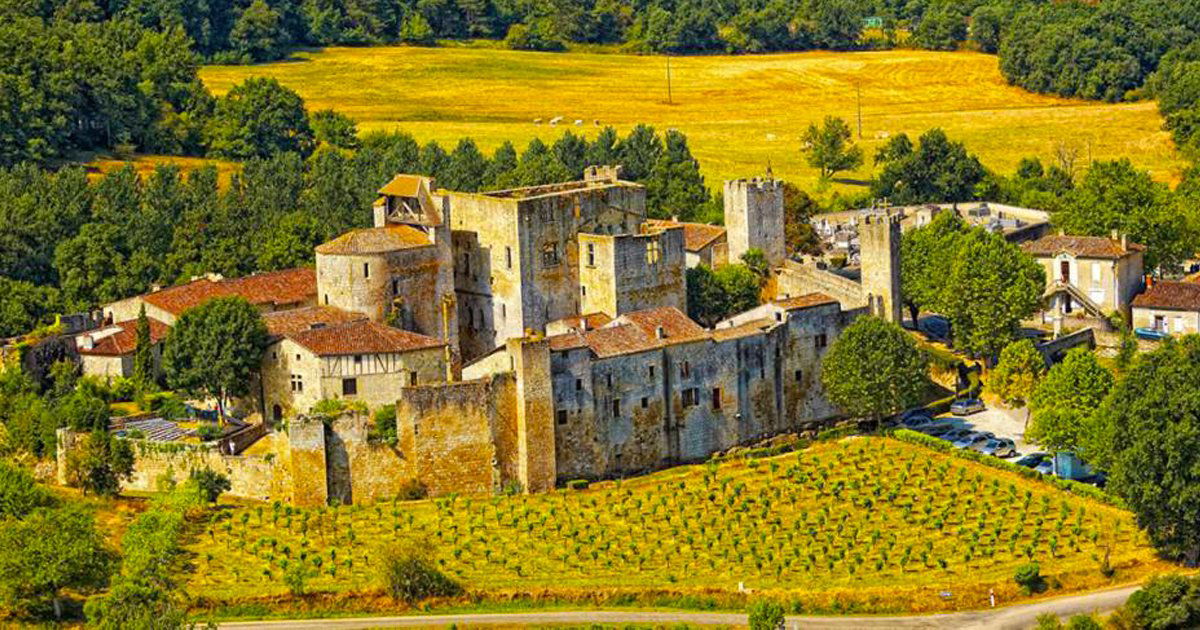
Distilleria Caselli reads like a place shaped by landscape and lineage. Set where the Po Valley begins its climb to the Emilian Apennines, the site emphasizes agricultural context: vineyards, orchards and grain fields feed a long local tradition of fermentation and distillation. The copy leans into generational practice rather than flash, framing the business as part of a broader Modena food-and-drink culture. Visitors can expect a terroir-minded, grounded atmosphere that foregrounds craft and regional continuity rather than spectacle—an environment where geology and history quietly inform production and the sense of place is central.
Best For
This is a venue for spirits students, serious grappa and distillation enthusiasts, and anyone interested in the intersection of terroir and Italian craft production. The writing positions Caselli as a place to learn about how grape varieties, soil types and altitude influence pomace distillates, so it suits travelers who prioritize education over tasting-room theatrics. It also appeals to people tracing the Modena food scene—from producers to market-focused chefs—because the distillery is described as being both agriculturally connected and within reach of Modena’s culinary network.
Venue details
Ambiance
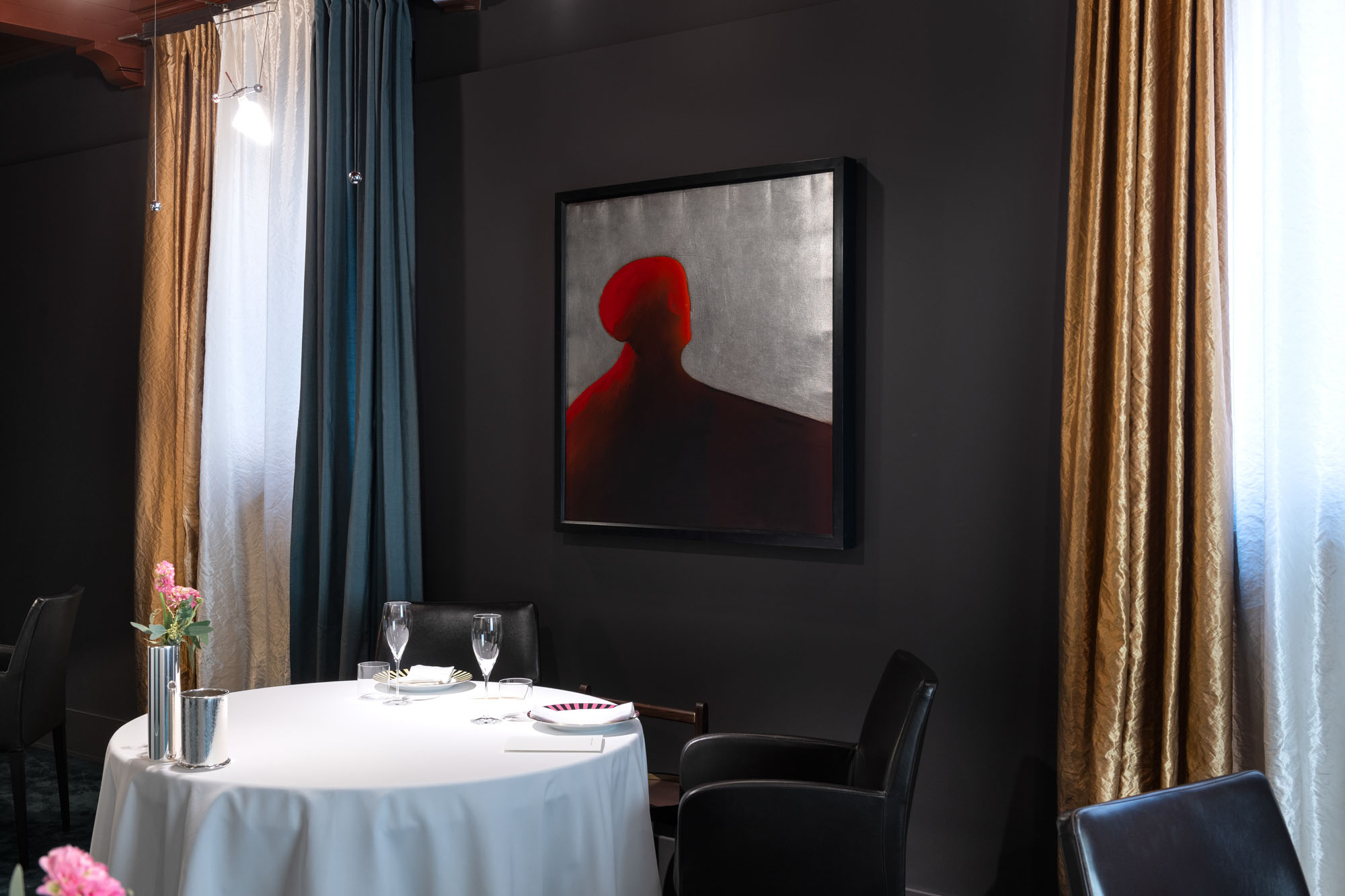
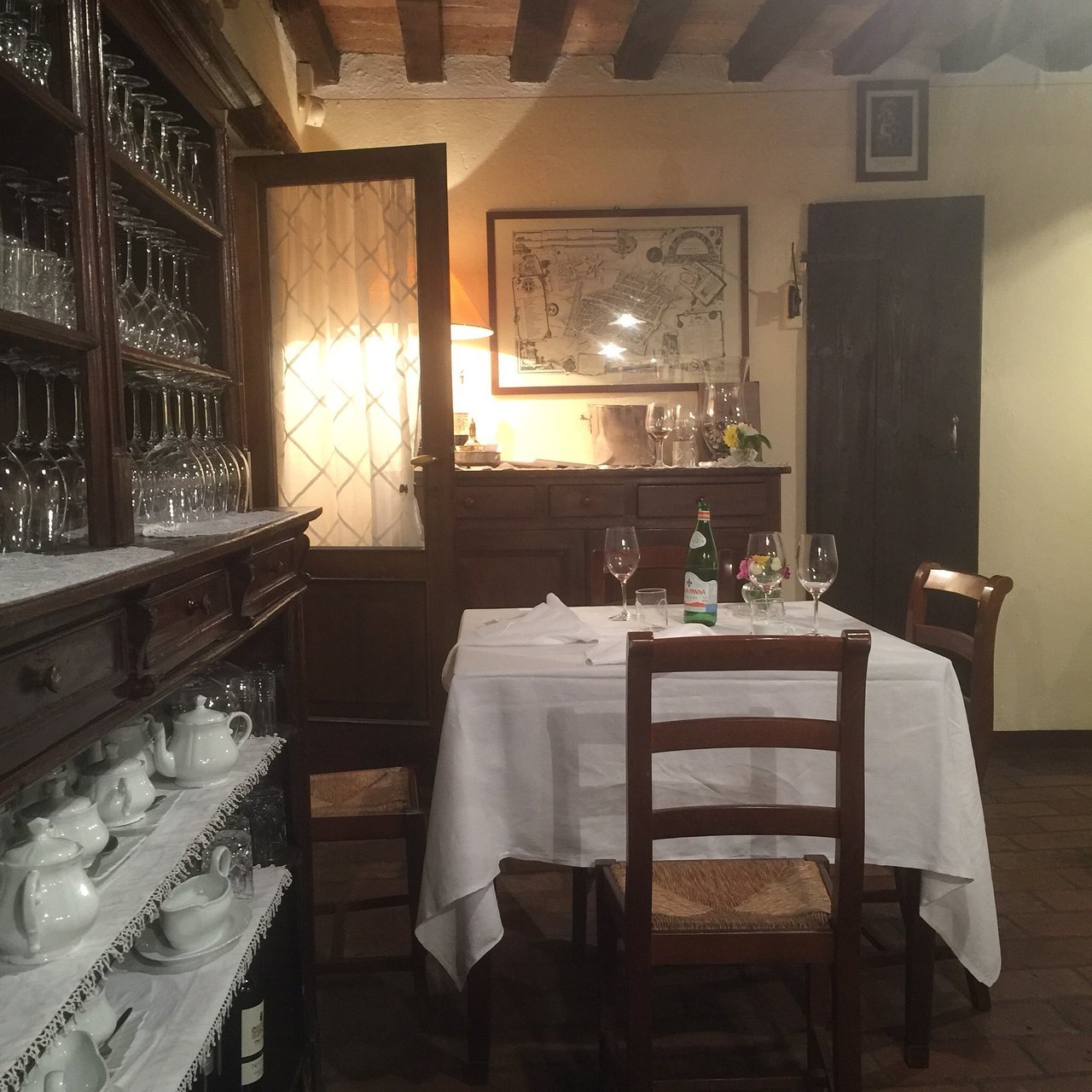
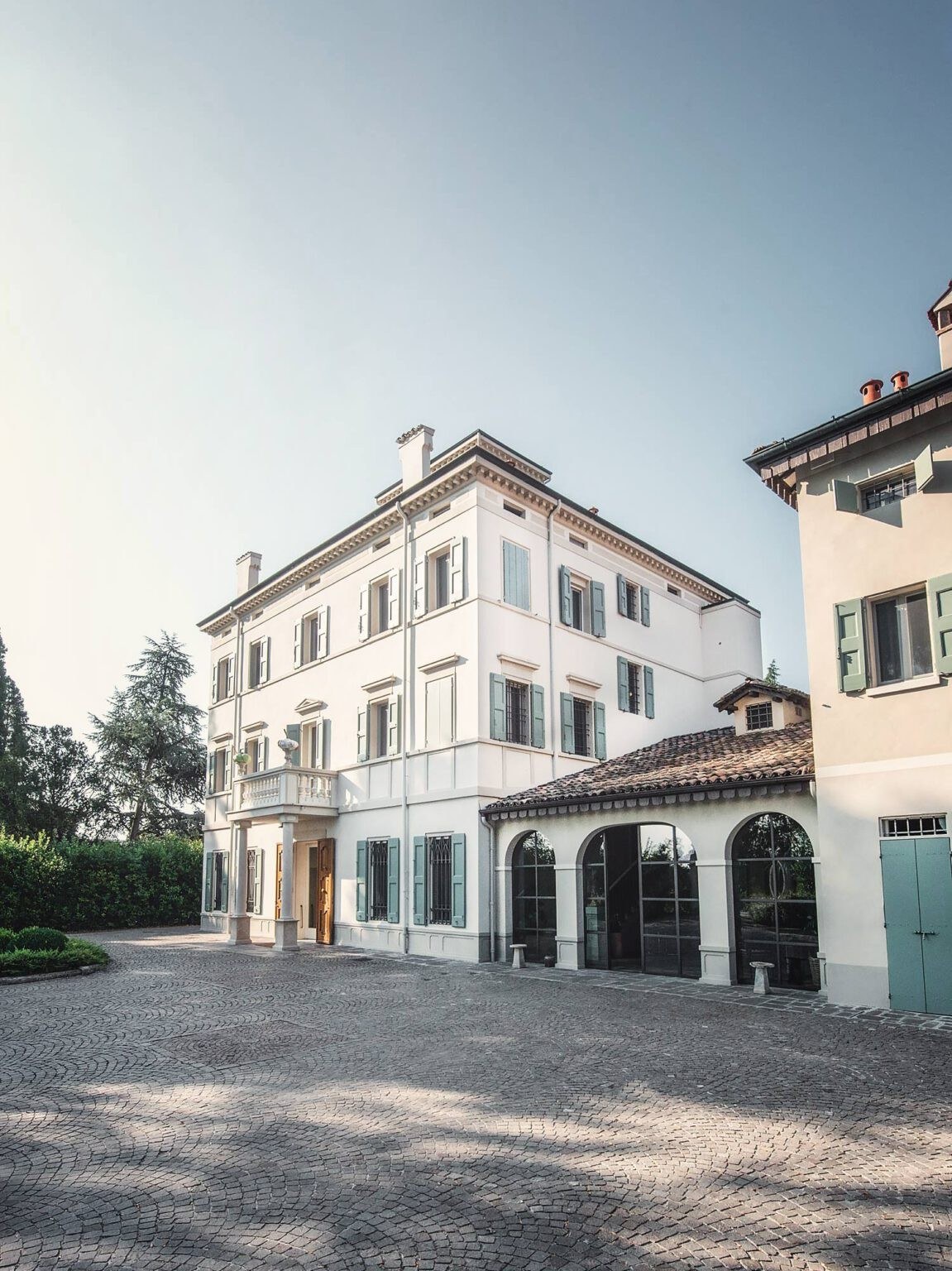
Historic family-owned distillery with traditional artisanal atmosphere centered on aged wooden barrels and classic Emilian craftsmanship.
Tags
Vibe
Best For
Experience
At the Vineyard
- Appellation
- Modena
- Varietals
- Lambrusco, Trebbiano
- Visits
- By appointment only
- Wine Club
- Not available
Know before you go
Know Before You Go
- Getting there
- Via S. Bernardo, 6, 41049 Sassuolo MO
Planning details
Location
Also consider
Where to look if this does not fit
If the priority is a recognizable Italian spirits name, cross-shop Vecchia Romagna. If the goal is a brandy-led producer visit, look at Villa Zarri before committing to a Sassuolo detour.
Winery context
How it compares with Modena-area distilling peers
Choose Distilleria Caselli if the priority is a focused, harder-to-access producer stop near Modena rather than the broadest brand-name experience. Distillerie Buton (Vecchia Romagna) and Vecchia Romagna are stronger cross-shops for travelers who want a more recognizable Italian spirits reference point; Caselli is the better choice when the appeal is a narrower, more exploratory itinerary.
Villa Zarri is the comparison to consider for visitors who want a more classic brandy-led frame, while Casoni Fabbricazione Liquori makes more sense for liqueur-minded drinkers. Distilleria Moccia is the broader alternative if the trip is not tied specifically to the Modena area.
For value, Caselli works when the travel effort is already justified by Sassuolo or a producer-heavy day. If booking certainty and a clearer visitor format matter more than rarity, start with the peers above instead.
Around this place
Discover more on Pearl
Unlock the full Distilleria Caselli guide in Pearl, including awards, comparisons, FAQs, planning details, and nearby places.
Compare Distilleria Caselli
| Venue | Location | Awards |
|---|---|---|
| Distilleria Caselli | Modena | No published awards |
| Distillerie Buton (Vecchia Romagna) | Bologna | No published awards |
| Vecchia Romagna | Bologna | No published awards |
| Villa Zarri | Castel Maggiore | No published awards |
| Casoni Fabbricazione Liquori | Finale Emilia | No published awards |
| Distilleria Moccia | Ferrara | No published awards |
How Distilleria Caselli Modena compares with similar nearby venues.
FAQ
Frequently Asked Questions
Does Distilleria Caselli offer shipping?
Do not assume shipping from Distilleria Caselli in Modena. If shipping matters, confirm directly with the venue and compare the practical details with other named venues such as Vecchia Romagna or Villa Zarri.
When is the best time to visit Distilleria Caselli?
Opening hours or visit format are not available in the profile. The safest planning advice is to confirm timing directly with Distilleria Caselli before making it part of a Modena itinerary.
What is the flagship product at Distilleria Caselli?
No flagship product is identified here. The reliable planning signals are the venue name, Modena location, casual dress code, and Pearl 2 Star Prestige recognition for 2025. If a specific bottle or product is the reason for visiting, confirm it directly with the venue.
How long should I plan for a visit to Distilleria Caselli?
No visit length or service format is available for Distilleria Caselli. Keep your Modena plans flexible and avoid assuming a particular duration, tasting structure, or booking format.