

Winery in Miyada, Japan
Mars Shinshu Distillery
750Pearl PointsWhisky-first stop
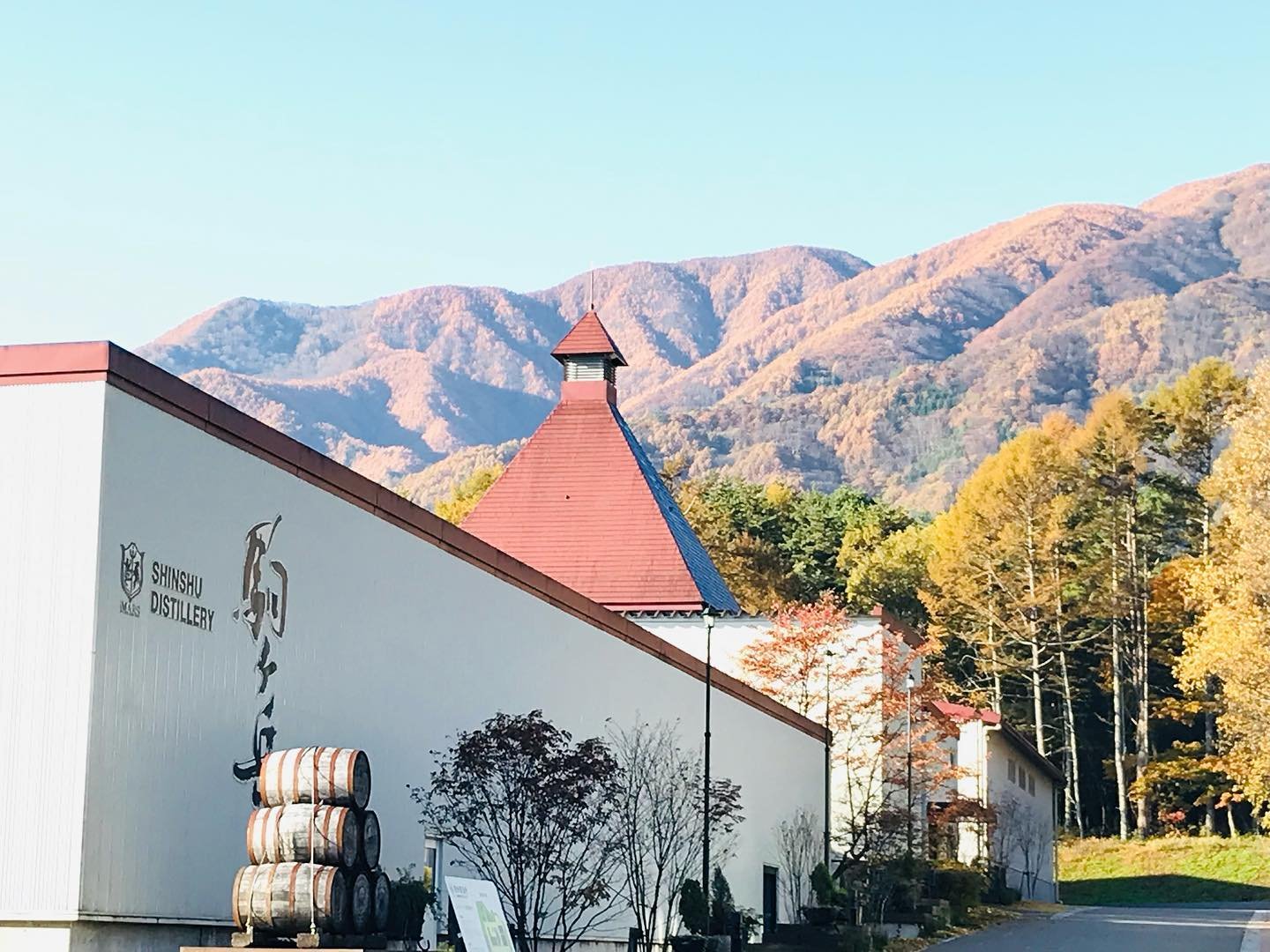
About Mars Shinshu Distillery
Mars Shinshu Distillery is worth prioritizing if the trip is built around Japanese whisky and Nagano production stops, not if you need a broad wine-country day with dining and flexible add-ons. Use it as a focused Miyada anchor, then plan restaurants, hotels, bars, other experiences separately.
Mars Shinshu Distillery is a venue in Miyada with a casual dress code and Pearl 3 Star Prestige recognition for 2025. Because the verified details here are limited, plan around the confirmed basics rather than assuming a particular visit format, schedule, or on-site service.
Use it as a Miyada-specific stop when the location fits your route. If you are comparing it with other notable Japanese producer destinations, keep the comparison practical: Hakushu (Suntory), Fuji Gotemba Distillery, Chichibu, Shizuoka are separate destinations, while Château Mercian Mariko Winery is a different kind of producer visit. Do not treat any of those as interchangeable with a Miyada plan; choose based on routing and the type of visit you can confirm directly.
Plan around confirmed basics
The grounded facts are simple: Mars Shinshu Distillery is in Miyada, the dress code is casual, it carries Pearl 3 Star Prestige recognition for 2025. Specifics such as reservations, visit length, access, capacity, on-site services should be verified before building the day around it.
For travelers deciding between producer-led stops, Mars Shinshu Distillery is best considered on its own confirmed profile rather than by assuming the same visitor infrastructure as Hakushu (Suntory), Fuji Gotemba Distillery, Chichibu, Shizuoka, or Château Mercian Mariko Winery. If your plan depends on a particular format, confirm it directly before committing.
Who should put it on the itinerary
Put Mars Shinshu Distillery on the itinerary if a Miyada stop fits the route and the confirmed recognition matters to your planning. The casual dress code makes it direct from a wardrobe perspective, but the available verified information does not establish details such as a schedule, visit format, dining options, or group arrangements.
If you are choosing among producer destinations, compare Mars Shinshu Distillery with Hakushu (Suntory), Fuji Gotemba Distillery, Chichibu, Shizuoka, Château Mercian Mariko Winery by location and confirmed access rather than assumptions about what is offered on-site. For other dining or lodging needs, plan those separately in Miyada.
Frequently Asked Questions
Can Mars Shinshu Distillery handle large groups?
Verified details do not confirm group capacity. If group size matters, check directly with Mars Shinshu Distillery before planning the visit.
Do I need a reservation at Mars Shinshu Distillery?
Reservation requirements are not confirmed in the verified information. Plan ahead and confirm access directly rather than assuming walk-in availability.
How long should I plan for a visit to Mars Shinshu Distillery?
A specific visit length is not verified. Treat Mars Shinshu Distillery as a Miyada stop whose timing should be confirmed before you build the rest of the day around it.
What on-site services are confirmed for Mars Shinshu Distillery?
The verified information does not confirm specific on-site services. The confirmed details are its Miyada location, casual dress code, Pearl 3 Star Prestige recognition for 2025.
What other producer destinations can I compare with Mars Shinshu Distillery?
Château Mercian Mariko Winery is a relevant winery comparison named here, but it should be planned as a separate destination rather than assumed to be part of a Miyada visit. Hakushu (Suntory), Shizuoka, Fuji Gotemba Distillery, Chichibu are also separate comparison points for producer-led travel.
What recognition does Mars Shinshu Distillery have?
Mars Shinshu Distillery has Pearl 3 Star Prestige recognition for 2025.
Location
4752-31 Miyadamura, Kamiina-gun, Nagano
Miyada, Japan
Compare Mars Shinshu Distillery
| Venue | Location | Awards |
|---|---|---|
| Mars Shinshu Distillery | Miyada | Pearl 3 Star Prestige (2025) |
| Hakushu (Suntory) | Hokuto | , |
| Château Mercian Mariko Winery | Nagano | , |
| Shizuoka | Shizuoka | , |
| Fuji Gotemba Distillery | Gotemba | , |
| Chichibu | Chichibu | , |
How Mars Shinshu Distillery Miyada compares with similar nearby venues.
Where to Look If This Does Not Fit
For a wine-focused alternative in Nagano, consider Château Mercian Mariko Winery; it is a cleaner match for travelers who want vineyards rather than distilling context. For a bigger-name Japanese whisky comparison, Hakushu (Suntory) is the more obvious cross-shop.
How It Compares
Mars Shinshu Distillery is the Nagano-focused choice for travelers who want a spirits stop in Miyada rather than a larger-name Japanese whisky route. Hakushu (Suntory) is the stronger pick for brand recognition and a more familiar visitor target, while Mars Shinshu is better for travelers already routing through Nagano and looking for a more specific production stop.
For wine-led planning, Château Mercian Mariko Winery is the cleaner alternative because it fits vineyard-focused itineraries more directly. Shizuoka and Fuji Gotemba Distillery make more sense when the trip is built around broader regional access or Mt. Fuji-area routing, while Mars Shinshu is more compelling when Miyada itself is already on the map.
Chichibu is the tougher comparison for serious whisky travelers because it carries strong pull among enthusiasts, but it is not the practical substitute for every Nagano itinerary. Choose Chichibu for a whisky-first pilgrimage, Hakushu for name recognition, Château Mercian Mariko for wine context, Mars Shinshu when the right answer is a focused Miyada spirits stop.
Explore Miyada
Save or rate Mars Shinshu Distillery on Pearl
Keep this venue in your Pearl passport, rate it after you visit, and track it alongside every other place you collect.