
Winery in Mils, Austria
Oberhofer Distillery (Reschenhof)
500ptsInn Valley Terroir Distilling
About Oberhofer Distillery (Reschenhof)
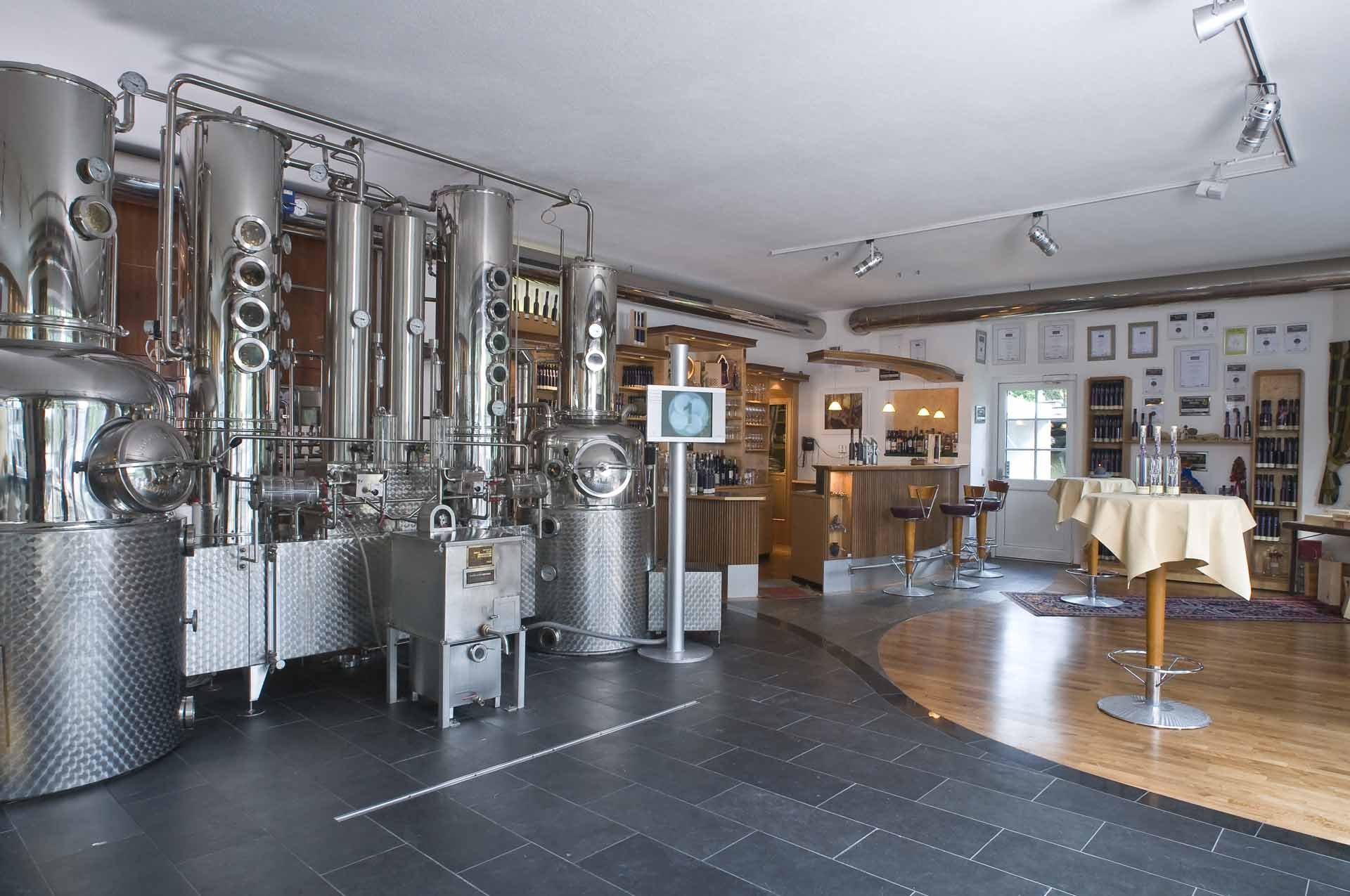
Oberhofer Distillery at Reschenhof in Mils, Tyrol, holds a Pearl 2 Star Prestige rating for 2025, placing it among Austria's recognised small-production distilleries. Located at Bundesstraße 7, the operation sits in the Inn Valley foothills where Alpine climate and agricultural tradition shape what comes out of the still. For those tracking Austrian craft distilling beyond the Viennese scene, Mils is a legitimate detour.
Alpine Distilling and the Inn Valley Terroir
Austria's craft distilling identity is often mapped through its winemaking regions — the Wachau, Burgenland, Styria — yet a quieter arc of production runs through the Tyrolean valleys, where fruit schnapps and grain spirits have been made on farm properties for generations. The Inn Valley, cutting east to west through Tyrol, provides the geographic and climatic logic for this tradition: cold winters that concentrate sugars in orchard fruit, dry summer winds off the Alps, and a farming culture that has always treated distillation as an extension of land stewardship rather than a commercial enterprise grafted onto it. Oberhofer Distillery, operating out of the Reschenhof property at Bundesstraße 7 in Mils, sits within that inherited framework.
Mils itself is a compact community east of Innsbruck, close enough to the regional capital to draw informed visitors but without the tourist apparatus that surrounds the city centre. The setting at the Reschenhof , a farmstead address on the Bundesstraße corridor , signals the kind of operation that has grown from agricultural roots rather than being designed as a destination from the outset. That distinction matters in how you read the output: what comes from a distillery embedded in working land tends to carry the character of its raw materials more directly than what comes from a production facility built around a brand concept.
What the 2025 Pearl 2 Star Prestige Rating Signals
In 2025, Oberhofer Distillery (Reschenhof) received a Pearl 2 Star Prestige recognition, a credential that places it within a tier of Austrian producers whose work has cleared a formal quality threshold rather than simply gained local goodwill. For context, the Austrian craft spirits sector has expanded considerably over the past decade, with producers in every federal state entering categories once dominated by large-format industrial distilleries. Within that expanded field, a Prestige-tier award narrows the competitive set significantly. It positions Oberhofer alongside operations that are being taken seriously at a national level, not just within Tyrol.
The rating also functions as a booking and planning signal. Producers at this tier in Austria tend to operate with limited output, whether by choice or by the practical constraints of farm-scale distilling. Visiting during harvest or pressing seasons , typically late summer through autumn in the Inn Valley , aligns with when raw materials are freshest and when the distillery is most active, though specific seasonal availability would need confirming directly with the operation. For other Austrian producers earning comparable recognition, Weingut Scheiblhofer Distillery in Andau and A. Batch Distillery in Bergheim offer useful reference points for how award-recognised Austrian spirits producers present and position themselves.
Terroir and the Logic of Place in Tyrolean Spirits
The editorial angle most useful for understanding Oberhofer is terroir , not in the borrowed wine-world sense of a marketing claim, but in the literal meaning: the sum of soil, elevation, climate, and agricultural practice that determines what raw material a distiller has to work with. The Inn Valley sits at elevations that slow ripening and extend flavour development in orchard crops. The soils across this stretch of Tyrol carry glacial mineral influence, a legacy of the valley's geological formation that distinguishes the character of locally grown fruit from what comes out of lower-altitude Austrian growing zones.
This is the same principle that makes Wachau Riesling structurally distinct from Kamptal expressions, or that separates Styrian Sauvignon Blanc from its international counterparts. For wine producers, that argument has been articulated at length by estates like Weingut Emmerich Knoll in Dürnstein and Weingut Bründlmayer in Langenlois, whose identities rest on the provable differences that site and climate introduce into the glass. For distillers, the argument runs through the same logic but is less frequently made explicit , partly because spirits marketing in Austria has historically been more utilitarian, and partly because the tradition predates the language of terroir by several centuries.
What distinguishes a farm distillery like Reschenhof from the newer urban craft operations , see 1516 Brewing Company Distillery in Vienna or 1404 Manufacturing Distillery in Sankt Peter-Freienstein , is the directness of that land connection. Urban and peri-urban distilleries source raw material; farm distilleries grow or harvest it, which removes at least one layer of translation between land and spirit.
Mils in the Context of Austrian Craft Spirits Geography
Austria's serious small-distillery scene has traditionally clustered in Styria and the western provinces, with Tyrol occupying a respected but less-discussed position. The Tyrolean tradition leans toward fruit distillates , Williams pear, plum, apple, and mountain herbs , rather than grain spirits or the dessert-weight Trockenbeerenauslese-adjacent styles that define producers like Weingut Kracher in Illmitz. That regional specificity is worth understanding before visiting: expectations formed by Burgenland or Wachau producers will not map cleanly onto what a Tyrolean farm distillery is doing.
For a broader tour of Austrian production with geographic range, Weingut Wohlmuth in Kitzeck, Weingut Pittnauer in Gols, and Weingut Heinrich Hartl in Oberwaltersdorf represent the range of styles and regions that serious visitors tend to sequence together. Mils fits naturally into an eastward arc through Tyrol, or as a standalone visit combined with time in Innsbruck.
The address on the Bundesstraße puts the Reschenhof on a main arterial route, accessible by road from Innsbruck in a short drive, which makes it logistically uncomplicated relative to distilleries sited deeper in Alpine terrain. That said, farm operations of this type rarely run walk-in visitor hours on the commercial model of a winery tasting room. Contact in advance to confirm availability, format, and whether tastings are offered by appointment. For the full picture of what Mils offers beyond this single property, see our full Mils restaurants and producers guide.
How It Sits Within the Wider Distilling Tier
Across Austria and into neighbouring countries, craft distilling has developed into a layered field. At one end, operations like Abfindungsbrennerei Franz in Leithaprodersdorf represent the smallest-scale licensed production, often household-size. At the other, internationally positioned producers such as Aberlour in Scotland or Accendo Cellars in St. Helena operate within entirely different commercial and critical frameworks. The Pearl 2 Star Prestige recognition places Oberhofer clearly above the artisanal-hobby tier and within the stratum of producers whose consistency and quality have been formally evaluated. What remains to be established through a visit is what that credential feels like in practice: the specific character of the spirits, the format of engagement, and whether the Reschenhof property communicates its agricultural grounding in the way the address and tradition suggest it should.
Also worth tracking for comparative reference within the Austrian-adjacent distilling geography: 1310 Spirit of the Country Distillery in Sierning, which occupies a different regional and stylistic position but holds recognised credentials of its own.
Planning a Visit
Mils sits a short drive east of Innsbruck, reachable via the main Bundesstraße route. The Reschenhof address at Bundesstraße 7 is direct to locate. Farm distilleries at this level of recognition are leading approached with a prior inquiry rather than an unscheduled arrival , phone and web contact details for this property were not confirmed at time of publication, so approaching through a visit to the address or via local tourism networks in the Inn Valley is the practical path. Autumn visits coincide with the tail end of orchard harvest season across Tyrol, which aligns logistically with when farm production operations are at their most active, though this is a general seasonal pattern rather than a confirmed operational schedule for this specific property.
Frequently Asked Questions
- What kind of setting is Oberhofer Distillery (Reschenhof)?
- It is a farm-based distillery on an agricultural property in Mils, a small Inn Valley community east of Innsbruck. The address on the Bundesstraße suggests a working rural setting rather than a purpose-built visitor destination. Its 2025 Pearl 2 Star Prestige award places it within the recognised tier of Austrian craft producers.
- What spirits is Oberhofer Distillery (Reschenhof) known for?
- Specific production details are not confirmed in available records. Tyrolean farm distilleries as a category are historically associated with fruit distillates , pear, plum, apple, and mountain herb spirits , shaped by the Inn Valley's Alpine climate and orchard agriculture. The 2025 Pearl 2 Star Prestige award indicates formally evaluated quality within the Austrian distilling sector.
- What is the main draw of Oberhofer Distillery (Reschenhof)?
- The combination of a farm-rooted production setting in the Tyrolean Inn Valley and a 2025 Pearl 2 Star Prestige recognition. For visitors tracking Austria's smaller, land-connected distilling operations rather than urban or high-volume producers, Mils and the Reschenhof property offer a regional and traditional context that the major wine regions do not replicate.
Related editorial
- Best Fine Dining Restaurants in ParisFrom three-Michelin-star icons to the next generation of Parisian chefs pushing boundaries, these are the restaurants that define fine dining in the world's culinary capital.
- Best Luxury Hotels in RomeFrom rooftop terraces overlooking ancient ruins to Michelin-starred hotel dining, these are the luxury hotels that make Rome unforgettable.
- Best Cocktail Bars in KyotoFrom sleek lounges to hidden speakeasies, Kyoto's cocktail scene blends Japanese precision with global influence in ways you won't find anywhere else.
Save or rate Oberhofer Distillery (Reschenhof) on Pearl
Keep this venue in your Pearl passport, rate it after you visit, and track it alongside every other place you collect.