
Winery in Milan, Italy
Ramazzotti
250ptsHistoric Herbal Craft
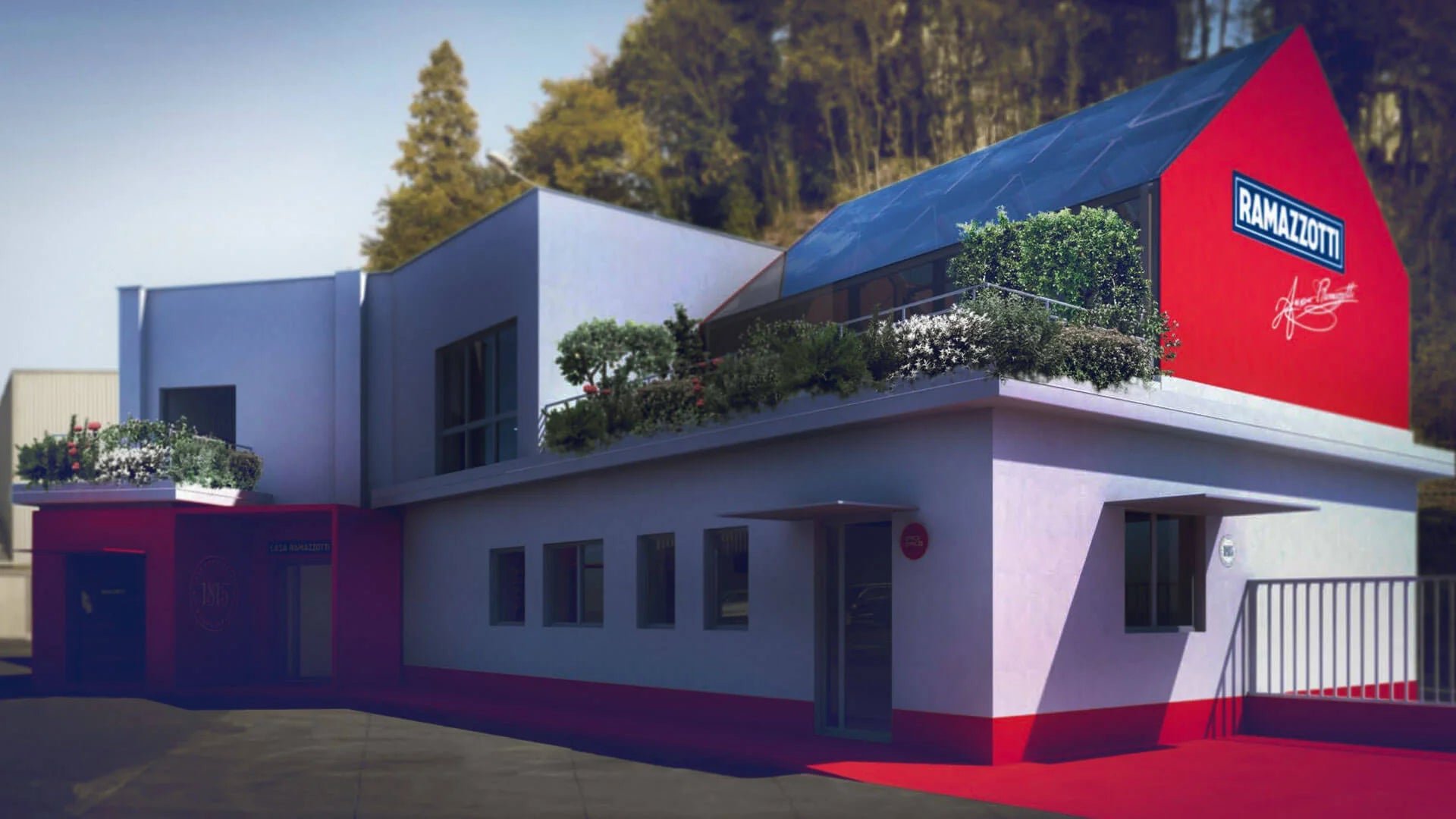
About Ramazzotti
Ramazzotti in Italy is a historic Milan distillery producing Amaro Ramazzotti and Sambuca Ramazzotti through traditional maceration and infusion of 33 botanicals. Its signature Amaro Ramazzotti (30% ABV) and smooth Sambuca highlight Sicilian orange peel, star anise, gentian, rhubarb and cinchona, delivering warm licorice, vanilla and ginger notes with a bittersweet finish. Celebrated for its 200-year heritage and deep ties to Milan’s aperitivo culture, the house offers a sensorial experience of citrus brightness, herbal complexity and silky viscosity—perfect neat, over ice, or as a cocktail backbone for contemporary mixology. Bottles retail around $23, reflecting an accessible heritage spirit prized by bartenders worldwide.
Ramazzotti is a distillery with roots in Milan dating to 1815, where pharmacist Ausano Ramazzotti first blended what would become Amaro Ramazzotti. In Italy’s Lombardy region the distillery’s identity grew alongside the city’s aperitivo culture; today the brand remains defined by a single, confidential formula of 33 botanicals. Visitors and spirits professionals identify Ramazzotti by its herbal complexity—Sicilian orange peel, star anise, cardamom, gentian, rhubarb and cinchona converge into a balanced, moderately bitter liqueur that drinks with silky viscosity. The distillery’s production style emphasizes maceration and infusion rather than industrial shortcuts, and its flagship Amaro Ramazzotti and Sambuca Ramazzotti are the best-known expressions of that craft.
The distillery’s heritage and craft are inseparable: founded in 1815 and operated as a family concern before joining Pernod Ricard in 1985, Ramazzotti preserves a recipe and philosophy more than two centuries old. There is no public master distiller name in available sources; the production team maintains the secret blend and oversees maceration, infusion and blending to 30% ABV bottlings. Ramazzotti’s philosophy prizes balance—moderate bitterness, aromatic clarity and no artificial coloring—so each batch reads as both historic and approachable. While formal contemporary awards are not documented in the available materials, the brand’s longevity, cultural role in Milan and consistent presence in bartenders’ bars worldwide function as enduring recognition of quality.
The product journey at Ramazzotti centers on two signature expressions. Amaro Ramazzotti is the original 33-botanical amaro: botanicals are macerated and then blended to produce a bittersweet spirit with licorice, orange peel, vanilla and ginger notes, bottled at 30% ABV and widely distributed. Sambuca Ramazzotti emphasizes star anise and herbal aromatics, presented as a smooth anise liqueur for sipping or for a classic sambuca service. Production relies on maceration and infusion rather than heavy distillative manipulation; the result is a spirit-forward, herb-driven profile that adapts well to cocktails such as the Chaplin and Angel’s Share. Limited or allocated single-cask or vintage-style expressions are not detailed in available sources; notable offerings remain the core Amaro and Sambuca that represent the house’s historic formula and contemporary mixology uses.
Visitors should expect an experience rooted in history and raw botanical flavor rather than theatrical visitor centers or luxury tasting rooms. While facility-specific tour details are not available in the sources, the distillery’s story and methods—33 botanicals, Milanese origins, Pernod Ricard stewardship—create a narrative-rich tasting. The atmosphere associated with Ramazzotti is one of urban craft and herbal sensory focus: imagine tasting flights that progress from bright citrus peel through warming spices to long bitter finishes, framed by archival brand imagery from 19th- and 20th-century Milan. Architectural or onsite features such as a still house, rickhouse or visitor cellar are not specified in the records provided, so travelers should plan experiences around curated tastings and cocktail sessions rather than extensive visitor infrastructure.
For essential planning, visit during shoulder seasons in spring and autumn when Milan’s aperitivo circuit is active; booking is recommended through Pernod Ricard Italy, authorized distributors or luxury travel partners because direct public visiting hours and booking links are not listed in available sources. Expect tastings oriented around the core Amaro Ramazzotti and Sambuca Ramazzotti, with prices for bottles around $23; private or group tastings may be limited and often require advance reservation. Confirm arrangements before travel and inquire about cocktail-focused experiences, historical brand briefings, and any seasonal events celebrating Milanese aperitivo culture.
Ramazzotti invites discerning travelers to taste two centuries of Italian herbal craft: the distillery’s 33-botanical Amaro, silky Sambuca and Milanese narrative offer an aromatic, bittersweet passage through Italy’s culinary history. For those planning a spirits-focused itinerary in Italy, a visit to Ramazzotti provides a rare direct encounter with an enduring recipe and its contemporary role in global mixology—make your plans with the Pernod Ricard Italy portfolio or a trusted travel curator to secure a memorable tasting of Ramazzotti’s signature expressions.
Related editorial
- Best Fine Dining Restaurants in ParisFrom three-Michelin-star icons to the next generation of Parisian chefs pushing boundaries, these are the restaurants that define fine dining in the world's culinary capital.
- Best Luxury Hotels in RomeFrom rooftop terraces overlooking ancient ruins to Michelin-starred hotel dining, these are the luxury hotels that make Rome unforgettable.
- Best Cocktail Bars in KyotoFrom sleek lounges to hidden speakeasies, Kyoto's cocktail scene blends Japanese precision with global influence in ways you won't find anywhere else.
Save or rate Ramazzotti on Pearl
Keep this venue in your Pearl passport, rate it after you visit, and track it alongside every other place you collect.