
Winery in Milan, Italy
Fratelli Branca Distillerie
750ptsIndustrial Amaro Heritage
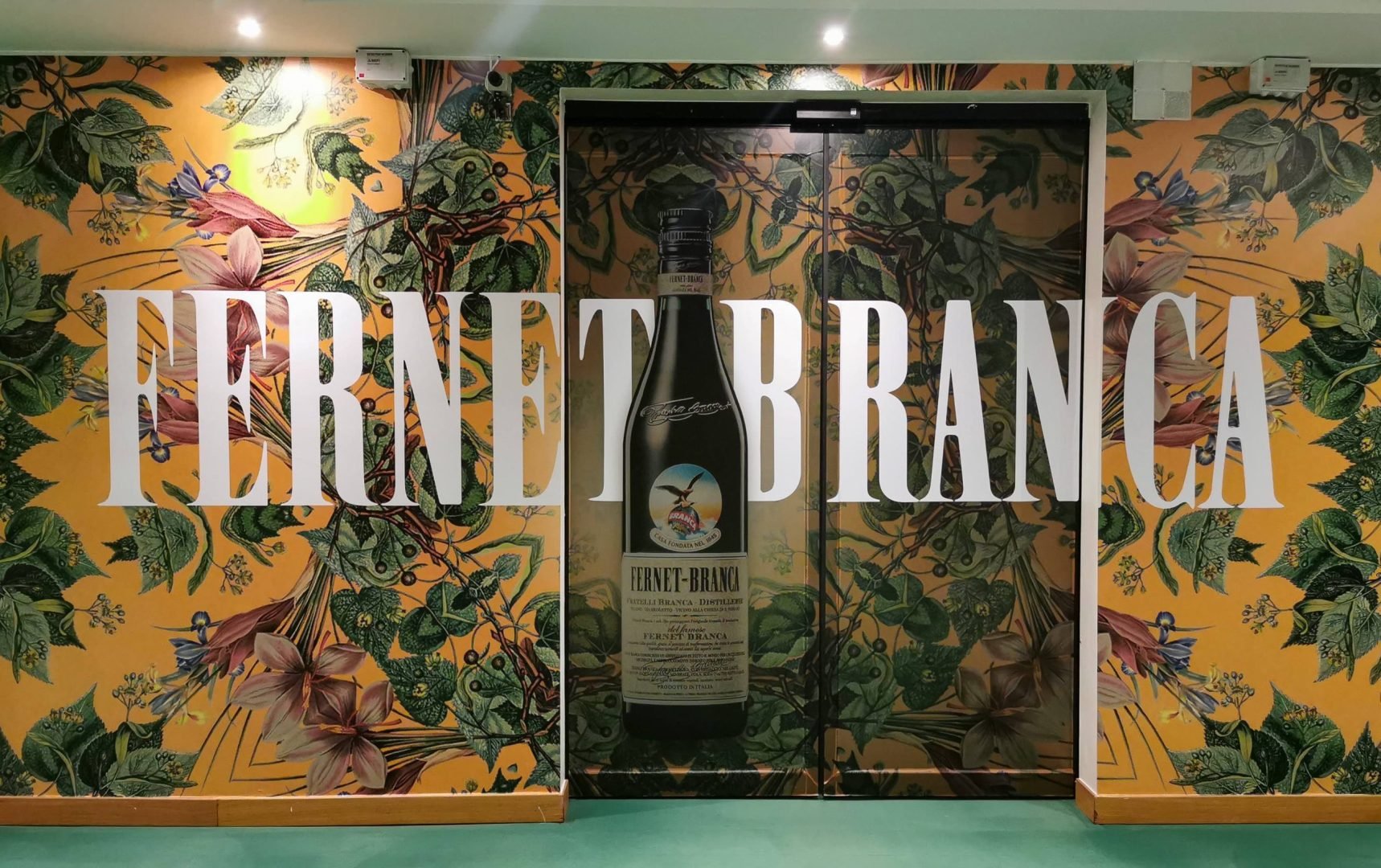
About Fratelli Branca Distillerie
Fratelli Branca Distillerie sits in Milan's industrial north as one of Italy's most historically significant spirits producers, holding a Pearl 3 Star Prestige rating for 2025. The distillery complex on Via Resegone anchors the city's bitter liqueur tradition in physical, navigable form — a counterpoint to the tourist-facing aperitivo culture of the Navigli or Brera districts. For serious spirits travellers, it belongs in the same conversation as Nonino or Marzadro on the production-heritage circuit.
A Distillery Built Into the City's Industrial Fabric
Milan's northern residential belt, the quartiere running toward Niguarda and the old manufacturing ring, retains a different texture from the design-district Milan that dominates most travel coverage. The streets around Via Resegone — broad, quietly purposeful, lined with mid-century industrial architecture — carry the logic of production rather than consumption. It is in this context that the Fratelli Branca Distillerie complex makes its most legible statement. Unlike the branded aperitivo bars of Corso Como or the cocktail-driven venues of Brera that sell Milanese drinking culture back to visitors in polished form, the distillery exists as the source point: the place where the liquid is actually made.
Walking the perimeter of the site, the scale reads differently from a winery or a grappa house in the countryside. This is urban industrial heritage, not pastoral. The buildings are functional and substantial, and the surrounding neighbourhood carries that same register , workday Milan, unhurried by the aperitivo hour. For anyone tracing the lineage of Italian bitter liqueurs, standing at this address carries the same referential weight as visiting Ca' del Bosco in Erbusco for Franciacorta, or Aldo Conterno in Monforte d'Alba for Barolo: it situates a category inside its place of origin.
The Bitter Liqueur Tradition and Where Branca Sits in It
Italy's amaro and fernet category operates across a wide range of producers, from small-batch artisan distillers in the Dolomites to large urban manufacturers with global distribution footprints. The Milan distillery tradition specifically is shaped by a handful of significant houses whose names define the category for international spirits buyers: Fernet-Branca, Campari, and Amaro Ramazzotti all carry Milanese origin stories, even as production and corporate structures have evolved significantly. Gruppo Campari now operates as a publicly listed global spirits company, having absorbed or partnered with numerous legacy brands. Fratelli Branca, by contrast, has maintained family ownership across generations, which places it in a structurally different category from its corporate-scale peers , closer in ownership logic, if not in scale, to houses like Nonino Distillery in Pavia di Udine or Distilleria Romano Levi in Neive.
The formula for Fernet-Branca, the distillery's most globally distributed product, involves a blend of botanical ingredients including myrrh, chamomile, cardamom, aloe, and saffron, macerated and aged in oak barrels. The precise proportions remain undisclosed, as with several historic amaro formulas, and the production method has remained consistent over decades. That consistency is itself a commercial and reputational signal: in a category where craft producers compete on novelty and terroir-driven storytelling, Fratelli Branca's position rests on formula fidelity. The 2025 Pearl 3 Star Prestige rating reflects that sustained production standard within EP Club's assessment framework.
The Physical Visit: What the Site Represents
The editorial angle around vineyard and landscape applies differently to an urban distillery than to a hillside estate in Radda in Chianti or a riverside estate like Lungarotti in Torgiano. The sense of place here is industrial and historic rather than agricultural. The Fratelli Branca complex is one of the few surviving examples in Milan of a spirits manufacturer operating at meaningful scale within the actual city boundary , as opposed to having relocated to a dedicated suburban or rural facility. The distillery's presence in a residential neighbourhood is itself a historical artefact: it predates the post-war zoning logic that would have pushed production facilities to the urban periphery.
Spice and botanical aroma that characterises the production process has historically been associated with the surrounding streets , a sensory condition that city-based distilleries produce and that is categorically different from the wine-cellar environments of producers like L'Enoteca Banfi in Montalcino or Accendo Cellars in St. Helena. At Branca, the landscape is brickwork, oak barrels, and botanical warehousing. The aesthetic vocabulary belongs to a different European spirits tradition , closer to the bonded warehouse districts of Scotland, where producers like Aberlour in Aberlour operate within a designated whisky region, than to the vineyard estates that dominate Italian drinks tourism.
Positioning Against Italian Distillery Peers
Italy's grappa-and-amaro distillery circuit spans the northeast to the Piedmont hills and into Lombardy. Within that geography, distilleries vary significantly in visitor infrastructure. Distilleria Marzadro in Nogaredo operates in a Trentino valley setting with dedicated visitor facilities. Nonino in Friuli has built substantial hospitality infrastructure around its grappa production. Fratelli Branca's urban location in Milan creates a different set of visit conditions: the distillery is accessible within the city's transport network, rather than requiring a day trip or overnight stay, but it does not sit within a leisure or gastronomic destination neighbourhood in the way that a countryside estate would. Via Resegone is a production address, not a hospitality address, and visitors should approach it with that register in mind.
For the spirits-focused traveller building an itinerary across northern Italy, placing Fratelli Branca within the same sequence as rural producers provides useful contrast: the urban manufacturing logic of Milan's amaro tradition reads more clearly after you have spent time at a Piedmont grappa house or a Franciacorta winery. The comparison sharpens understanding of what conditions produce each category. See our full Milan restaurants guide for wider context on where the distillery fits within the city's eating and drinking map.
Planning a Visit to Via Resegone
Fratelli Branca Distillerie is located at Via Resegone 2, in Milan's 20159 postal district, north of the city centre and accessible via Milan's metro network to Precotto or by tram along the northern ring. Current booking details, visiting hours, and tour formats are not published in EP Club's verified data set, and prospective visitors should check directly with the distillery for current access conditions before travelling. The distillery's profile as a working production facility, rather than a purpose-built visitor attraction, means that access formats can shift based on operational schedules. The 2025 Pearl 3 Star Prestige rating confirms active recognition within EP Club's current assessment cycle, making this a live rather than archival recommendation.
Frequently Asked Questions
- What is the signature bottle at Fratelli Branca Distillerie?
- Fernet-Branca is the distillery's most globally distributed and historically significant product , a botanical bitter liqueur with a complex herbal formula that has remained consistent across decades of production. The recipe draws on more than 27 herbs and spices, including saffron, myrrh, and chamomile, aged in oak barrels. Within Italy's amaro and fernet category, it occupies the defining position alongside Milanese peers such as Campari and Amaro Ramazzotti, and holds a Pearl 3 Star Prestige rating from EP Club for 2025.
- Why do people go to Fratelli Branca Distillerie?
- The distillery draws spirits travellers and category enthusiasts who want to engage with the production source of one of Italy's most exported bitter liqueurs. Within Milan, it represents a form of industrial heritage that the city's more visible aperitivo culture does not provide: the actual manufacturing context behind the bottles on every bar shelf in the country. The Pearl 3 Star Prestige award for 2025 positions it at the assessed top tier of EP Club's Milan spirits entries. Visit conditions and pricing are leading confirmed directly with the distillery, as EP Club does not hold verified current access details.
- Should I book Fratelli Branca Distillerie in advance?
- Given that it is a working production facility rather than a dedicated visitor venue, advance contact is advisable. EP Club does not hold verified phone, website, or booking data for the distillery at this time , confirm current visit formats directly before building it into an itinerary. For context on the broader Milan drinks and dining map, the EP Club Milan guide covers peer venues and neighbourhood-level planning.
Related editorial
- Best Fine Dining Restaurants in ParisFrom three-Michelin-star icons to the next generation of Parisian chefs pushing boundaries, these are the restaurants that define fine dining in the world's culinary capital.
- Best Luxury Hotels in RomeFrom rooftop terraces overlooking ancient ruins to Michelin-starred hotel dining, these are the luxury hotels that make Rome unforgettable.
- Best Cocktail Bars in KyotoFrom sleek lounges to hidden speakeasies, Kyoto's cocktail scene blends Japanese precision with global influence in ways you won't find anywhere else.
Save or rate Fratelli Branca Distillerie on Pearl
Keep this venue in your Pearl passport, rate it after you visit, and track it alongside every other place you collect.