
Château Simone
Meyreuil
Winery in Meyreuil, France
 Book with Pearl
The Read
Palette Appellation Precision
Why go
Château Simone is a high-scarcity Meyreuil winery pick for travellers who value provenance over convenience. Prioritise it if the goal is a serious estate visit tied to a first vintage listed in 1820; skip it if the group needs easy public hours, a visible booking path, or a broad hospitality setup.
About Château Simone
Château Simone in Meyreuil is best approached as a notable venue with a few clear essentials: Jean-François Rougier is chef/owner, the dress code is smart casual, and it holds Pearl 3 Star Prestige recognition for 2025. Before making firm plans, check directly with the venue for visitor access, schedules, tasting formats, pricing, menus, and amenities.
For planning, contact Château Simone directly before making firm arrangements. Its recognition makes it a notable entry in the guide, but travellers should confirm the booking process, service format, opening hours, and hospitality offering before building an itinerary around it.
Worth the effort for its essential distinctions
The strongest reason to keep Château Simone on a shortlist is its Pearl 3 Star Prestige recognition in 2025. Jean-François Rougier is chef/owner, and the stated dress code is smart casual. Beyond that, practical details should not be assumed.
That means the best approach is direct: confirm current arrangements with the venue before planning around it. Château Simone may be an important Meyreuil stop for travellers using recognition as a filter, but details such as menus, timings, visitor format, pricing, or special services should be checked before making plans.
How to place it in a broader itinerary
Use Château Simone as a Meyreuil anchor only after confirming the practical details that matter for your itinerary. Key details include the venue name, Meyreuil location, Jean-François Rougier, smart casual dress, and Pearl 3 Star Prestige recognition; confirm schedule, visit duration, public access model, and service style before you go.
If you are comparing notable château venues, Château Simone can be considered alongside Château Miraval, Château de Beaucastel, Château de Berne, Château de Malle, and Château de Pibarnon. Do not assume these venues are all part of the Meyreuil dining scene; treat them as broader comparison points and check each one separately.
Planning details
- Location
- Chem. de la Simone, 13590 Meyreuil
- Website
- chateau-simone.fr
- Phone
- +33 4 42 66 92 58
The take
The Take
The Vibe
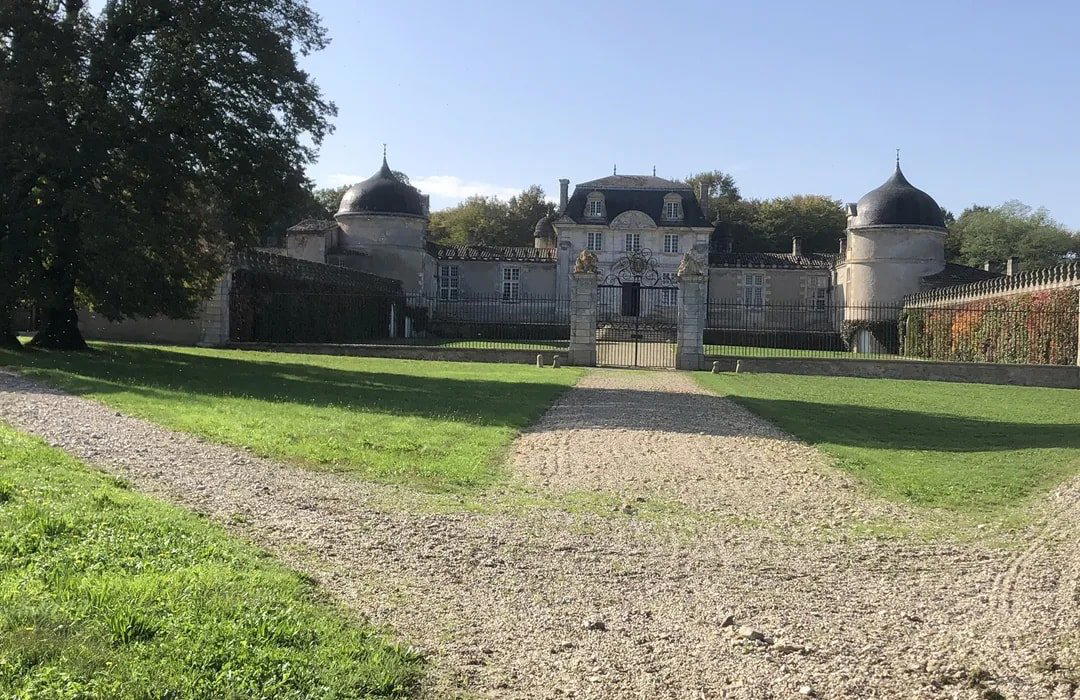
Château Simone reads like a learned, historic Provençal estate where geology and longevity set the tone. The approach through garrigue and limestone to the estate's shaded lane creates a serene, contemplative atmosphere; the property’s two-hundred-year recorded history reinforces a sober, sophisticated character rather than flash. The writing emphasizes soil, elevation and old vines, so visitors experience a terroir-first place where restraint, patience and structural wines predominate. This is an estate for people who appreciate provenance and the slow accumulation of craft across generations.
Best For
Château Simone is best for visitors focused on wine education, provenance and ageability. Sommeliers, collectors and curious tasters come to study how Palette’s calcaire subsoil and Arc valley elevation shape the estate’s old-vine Grenache, Mourvèdre and blends; the domaine’s standing among peers and its award recognition make it suited to special-occasion tastings or a quieter, wine-centric getaway. It’s less a casual rosé stop and more a destination for those who want to interrogate place, history and technical detail through tasting.
Tasting Tips
When tasting at Château Simone, prioritize the estate’s age-worthy red and white bottlings and ask specifically about the old-vine Grenache and Mourvèdre referenced in the estate history. Compare recent and older vintages to hear how the calcaire subsoil and Palette microclimate translate into structure, acidity and longevity. Frame questions around terroir and the Arc valley’s thermal consistency—the description highlights geology as the defining factor—so technical, provenance-focused conversation will reveal the most about the wines.
Venue details
Ambiance
Historic, serene, and refined; the 16th-century cellars with their silence and darkness create a contemplative atmosphere where traditional winemaking unfolds in a natural amphitheater surrounded by protective forests.
Tags
Vibe
Best For
Experience
Sourcing
View
At the Vineyard
- Appellation
- Palette AOC
- Varietals
- Clairette, Grenache, Mourvèdre, Cinsault, Bourboulenc
- Visits
- By appointment only
- Farming
- Organic
- Wine Styles
- Still White, Still Red, Still Rose
- Wine Club
- Not available
Know before you go
Know Before You Go
- Getting there
- Chem. de la Simone, 13590 Meyreuil
Planning details
Location
Recognition and awards
Also consider
Where to Look If This Is Too Hard to Arrange
If Château Simone is not workable, start with Château de Pibarnon for a similarly serious wine-led itinerary. For a smoother hospitality experience, Château de Berne is the more practical alternative.
Winery context
How It Compares
Choose Château Simone when the priority is scarcity and estate continuity. Compared with Château de Pibarnon and Château de Beaucastel, it is the more appointment-sensitive choice for travellers who want a serious producer-led stop rather than a more obvious regional name on a Provence or Rhône itinerary.
Château de Malle and Château de Berne are easier recommendations for visitors who care about setting and visitor comfort as much as the wine. Château Miraval makes more sense for name recognition and a broader lifestyle angle. Château Simone is the sharper pick for wine depth, but only if the booking friction is acceptable.
Mini logistics comparison: Château Simone is the hardest call for casual planners; Château de Berne is the safer hospitality pick; Château Miraval is the brand-recognition option; Château de Pibarnon and Château de Beaucastel are stronger cross-shops for travellers building a producer-focused route.
Explore Meyreuil
Around this place
Discover more on Pearl
Unlock the full Château Simone guide in Pearl, including awards, comparisons, FAQs, planning details, and nearby places.
Compare Château Simone
| Venue | Location | Awards |
|---|---|---|
| Château Simone | Meyreuil | 2025 Pearl 3 Star Prestige |
| Château de Pibarnon | Roquefort-la-Bédoule | 2025 Pearl 3 Star Prestige |
| Château de Malle | La Cadière-d'Azur | 2025 Pearl 3 Star Prestige |
| Château Miraval | Correns | 2025 Pearl 2 Star Prestige |
| Château de Berne | Fargues | No published awards |
| Château de Beaucastel | Flayosc | 2025 Pearl 4 Star Prestige2023 World's 50 Best Vineyards · #34 |

How Château Simone Meyreuil compares with similar nearby venues.
FAQ
Frequently Asked Questions
What should I know about Château Simone?
Château Simone is in Meyreuil, Jean-François Rougier is chef/owner, the dress code is smart casual, and the venue holds Pearl 3 Star Prestige recognition for 2025.
How long should I plan for a visit to Château Simone?
Plan only after confirming the current visit duration and service format directly with Château Simone in Meyreuil.
Do I need a reservation at Château Simone?
Are menus, pricing, or special services confirmed for Château Simone?
For menus, pricing, or special services, check directly with Château Simone. If you are comparing broader château options, consider Château de Berne or Château de Beaucastel as separate reference points and check their details independently.
When is the best time to visit Château Simone?
For season, opening schedule, or visit timing, confirm details directly with Château Simone. If building a wider itinerary, compare Château Simone with Château Miraval or Château de Pibarnon only as broader references, and confirm all practical details directly.