Château de Chamirey
Mercurey
Winery in Mercurey, France
 Book with Pearl
The Read
Côte Chalonnaise Terroir Precision
Price
$20–30tasting
Why go
Prioritize Château de Chamirey if the winery visit needs estate atmosphere and a polished Mercurey setting, not just a quick tasting. It is better as the anchor of a Burgundy day than as a flexible add-on, especially for celebrations, dates, or business-friendly wine travel.
About Château de Chamirey
Château de Chamirey is a Mercurey venue with Pearl 3 Star Prestige recognition for 2025 and a smart-casual dress code. The safest way to plan is to treat it as a Mercurey stop and confirm the practical details directly before you go.
Avoid building an itinerary around assumptions about opening hours, prices, menu or tasting formats, food service, or reservation rules. The grounded reasons to consider it are the Mercurey setting, the Pearl 3 Star Prestige recognition, and the smart-casual dress code.
A Mercurey setting to plan around carefully
For planning, keep the schedule simple and confirm timing, availability, and any visit format with Château de Chamirey directly. If you are comparing options, focus on the essentials: this is Château de Chamirey in Mercurey, recognized with Pearl 3 Star Prestige in 2025, with smart-casual dress expected.
Travelers considering other nearby or regional options can also compare it with Château de Rougeon, Domaine A. & P. de Villaine, Domaine Bachelet-Monnot, Domaine Michel Briday, and Domaine de Cassiopée, while checking each venue's current arrangements separately.
Who should book, and who should cross-shop
Choose Château de Chamirey if you want a Mercurey stop with Pearl 3 Star Prestige recognition and you are comfortable confirming the details directly. Cross-shop if you need a venue with clear advance details on hours, price, food service, or a specific visit format.
Domaine Michel Briday, Domaine de Cassiopée, Domaine A. & P. de Villaine, Domaine Bachelet-Monnot, and Château de Rougeon are natural points of comparison, but no specific difference in format, pricing, access, or service should be assumed without checking directly with each venue.
Planning details
- Location
- Rue du Château, 71640 Mercurey
- Website
- chamirey.com
- Phone
- +33 3 85 44 53 20
The take
The Take
The Vibe
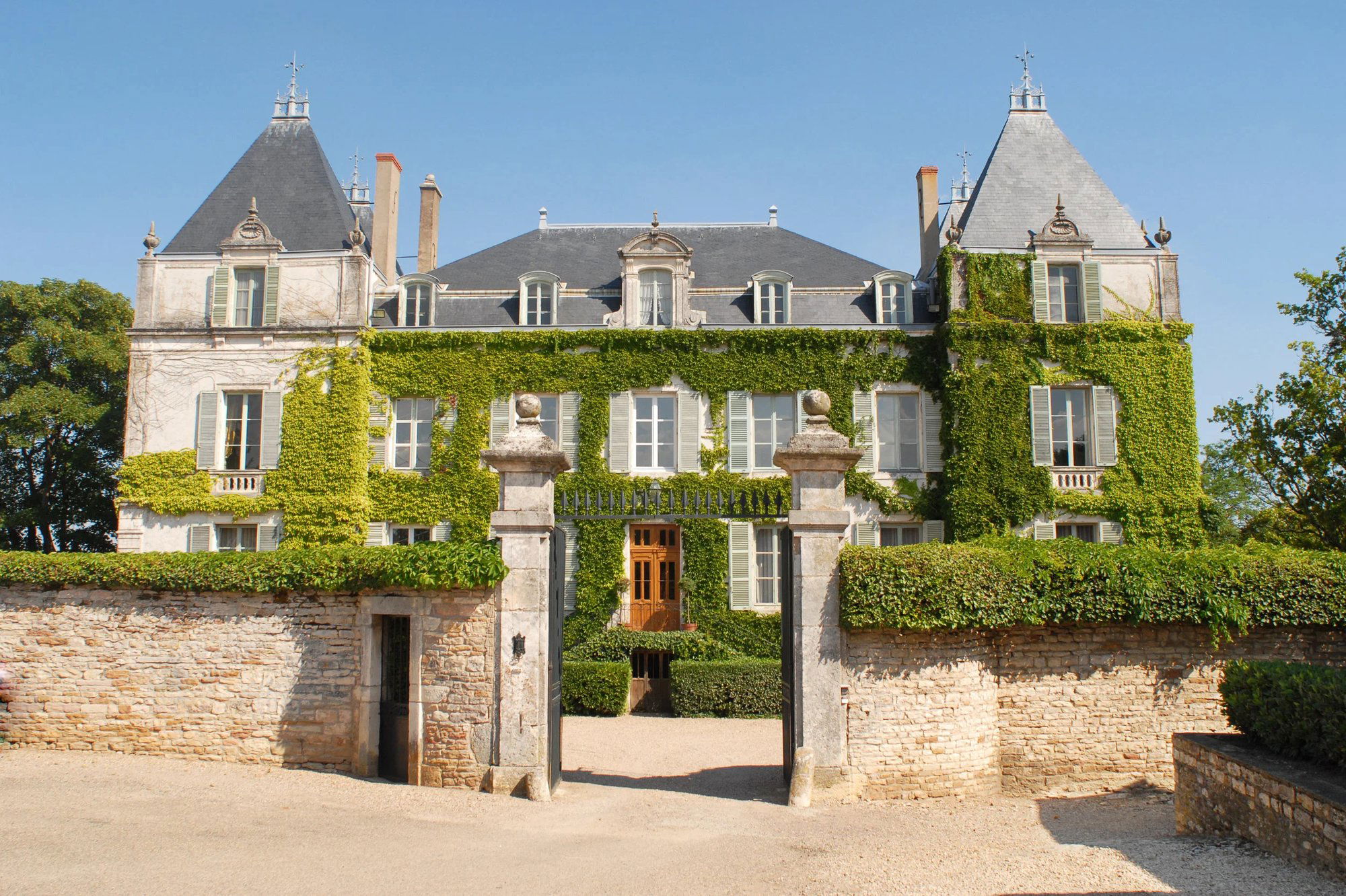
Château de Chamirey reads like a quietly assured country estate. The copy foregrounds geology and vintage consistency more than spectacle, so the impression is one of considered seriousness rather than ostentation. You encounter limestone slopes, clay-rich soils and a cooler microclimate that shape wines with regional specificity; that terroir-first focus gives the place a historic, serene character. Visitors can expect a measured, scholarly atmosphere tied to place — an estate that makes its case through vineyard and bottle rather than theatrical hospitality.
Best For
This is a destination for people who come to learn and to mark an occasion. The profile repeatedly emphasizes terroir, soil types and regional identity, which makes Chamirey a strong stop for wine-education visits and tastings that explore Côte Chalonnaise expression. At the same time, the estate’s peer recognition and its position within Mercurey make it well suited to special-occasion visits where the goal is both discovery and a sense of provenance. It appeals to focused wine lovers and guests seeking a quietly significant winery experience.
Tasting Tips
Focus your tasting on the estate’s core expressions of Pinot Noir and Chardonnay; the narrative repeatedly ties the site’s east- and southeast-facing slopes and limestone-rich soils to concentrated flavour, so prioritizing those bottlings will illustrate Chamirey’s terroir. Look for wines that show the appellation’s Premier Cru potential and note the estate’s 2025 Pearl 3 Star Prestige recognition when comparing vintages. Approach the tasting with questions about soil, exposure and microclimate — the estate’s story is rooted in geology, and wines are best appreciated in that frame.
Venue details
Ambiance
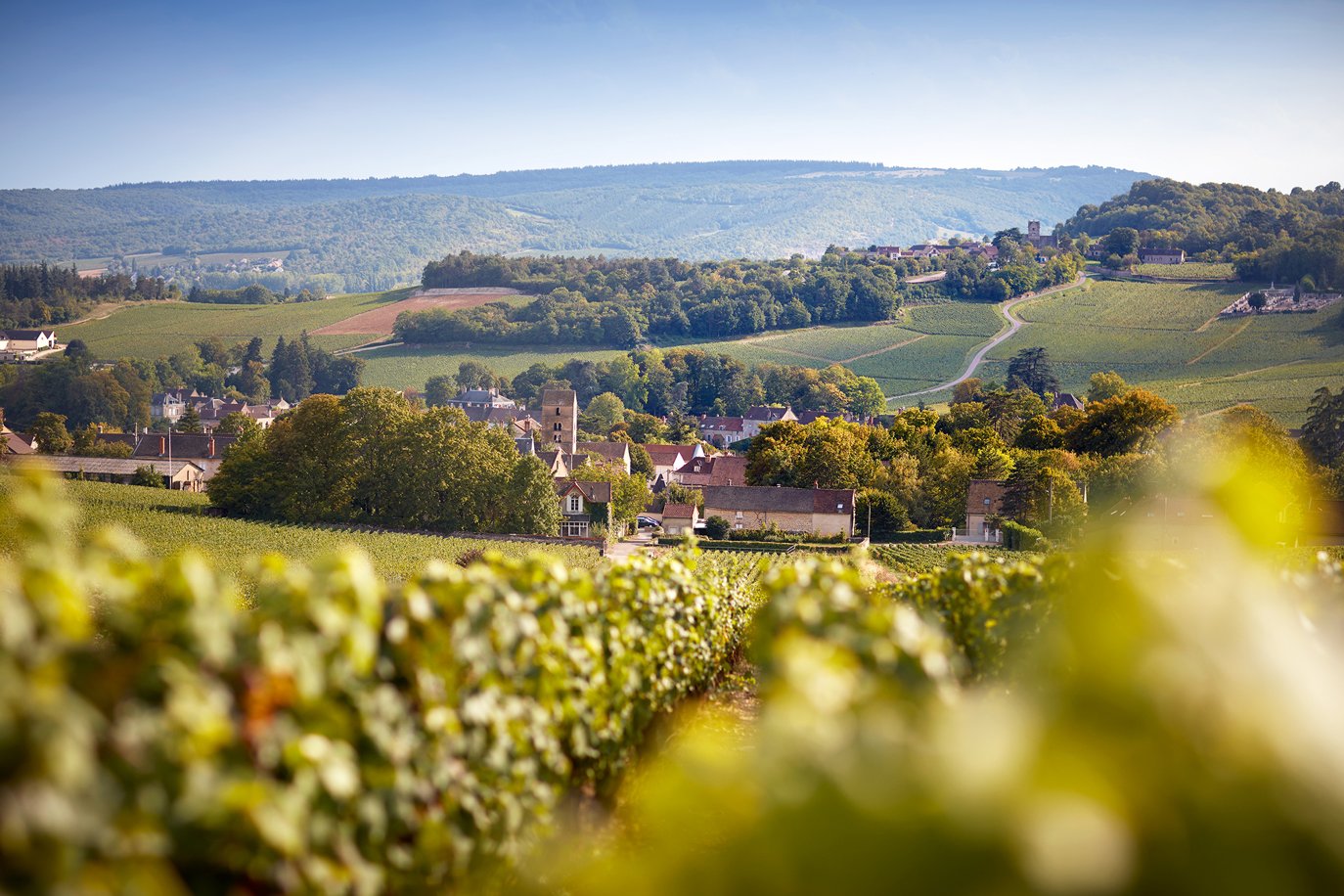
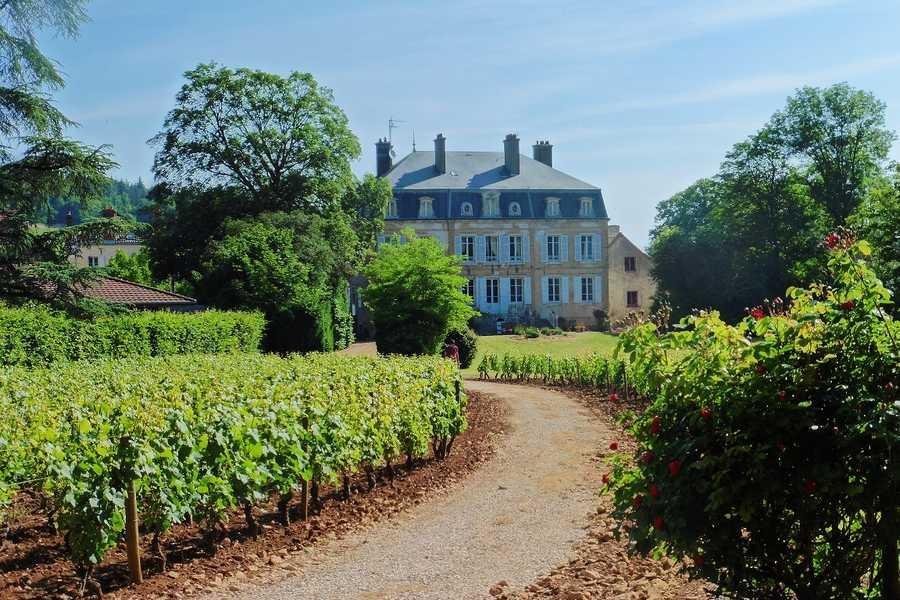
Elegant and serene atmosphere in a renovated historic setting with breathtaking vineyard views, charming staff, and a peaceful, sophisticated vibe.
Tags
Vibe
Best For
Experience
View
At the Vineyard
- Appellation
- Mercurey
- Varietals
- Pinot Noir, Chardonnay
- Tour Duration
- 60-90 minutes
- Tour Languages
- English, French, Italian
- Visits
- By reservation
- Wine Styles
- Still Red, Still White
- Food Pairing
- Offered
- Wine Club
- Not available
Know before you go
Know Before You Go
- Getting there
- Rue du Château, 71640 Mercurey
Planning details
Location
Also consider
Where to look if this is full
If access does not line up, try Domaine Michel Briday for a more direct winery alternative, or Domaine de Cassiopée if the goal is a lower-pressure Mercurey-area stop.
For a similar sense of place, Château de Rougeon is the better backup than a cellar-only producer. For a more collector-oriented route, look at Domaine A. & P. de Villaine or Domaine Bachelet-Monnot.
Winery context
How it compares in and around Mercurey
Château de Chamirey is the choice when ambiance and estate setting matter. Compared with Domaine Michel Briday and Domaine de Cassiopée, it feels more occasion-led and less like a simple producer stop, so it is the better pick for a planned celebration or polished afternoon.
If the trip is about producer depth rather than château atmosphere, cross-shop Domaine A. & P. de Villaine or Domaine Bachelet-Monnot. Those make more sense for travelers building a wine-first route, while Château de Chamirey is stronger for guests who want the setting to carry part of the experience.
Château de Rougeon is the closest comparison by mood: both suit visitors who care about place, not just pours. Choose Château de Chamirey for a Mercurey-focused itinerary; choose Château de Rougeon when the broader château-winery format matters more than staying tightly centered on the village.
Explore Mercurey
Around this place
Discover more on Pearl
Unlock the full Château de Chamirey guide in Pearl, including awards, comparisons, FAQs, planning details, and nearby places.
Compare Château de Chamirey
| Venue | Location | Awards |
|---|---|---|
| Château de Chamirey | Mercurey | No published awards |
| Domaine Michel Briday | Rully | No published awards |
| Domaine A. & P. de Villaine | Bouzeron | 2026 Falstaff Winery Guide |
| Domaine de Cassiopée | Sampigny-lès-Maranges | 2026 Falstaff Winery Guide |
| Domaine Bachelet-Monnot | Dezize-lès-Maranges | 2026 Michelin Grape Main Selection - Burgundy2026 Falstaff Winery Guide |
| Château de Rougeon | Bissey-sous-Cruchaud | No published awards |


How Château de Chamirey Mercurey Guide & Verdict compares with similar nearby venues.
FAQ
Frequently Asked Questions
Do I need a reservation at Château de Chamirey?
Contact Château de Chamirey directly before planning a visit to Mercurey.
How long should I plan for a visit to Château de Chamirey?
When is the best time to visit Château de Chamirey?
Is there a dress code at Château de Chamirey?
Yes. The dress code for Château de Chamirey is smart casual.
Does Château de Chamirey serve food?
Do not assume a meal is available unless Château de Chamirey confirms it directly.