
Winery in Mendoza, Argentina
Destilería Moreira
250ptsAndean Terroir Distillation
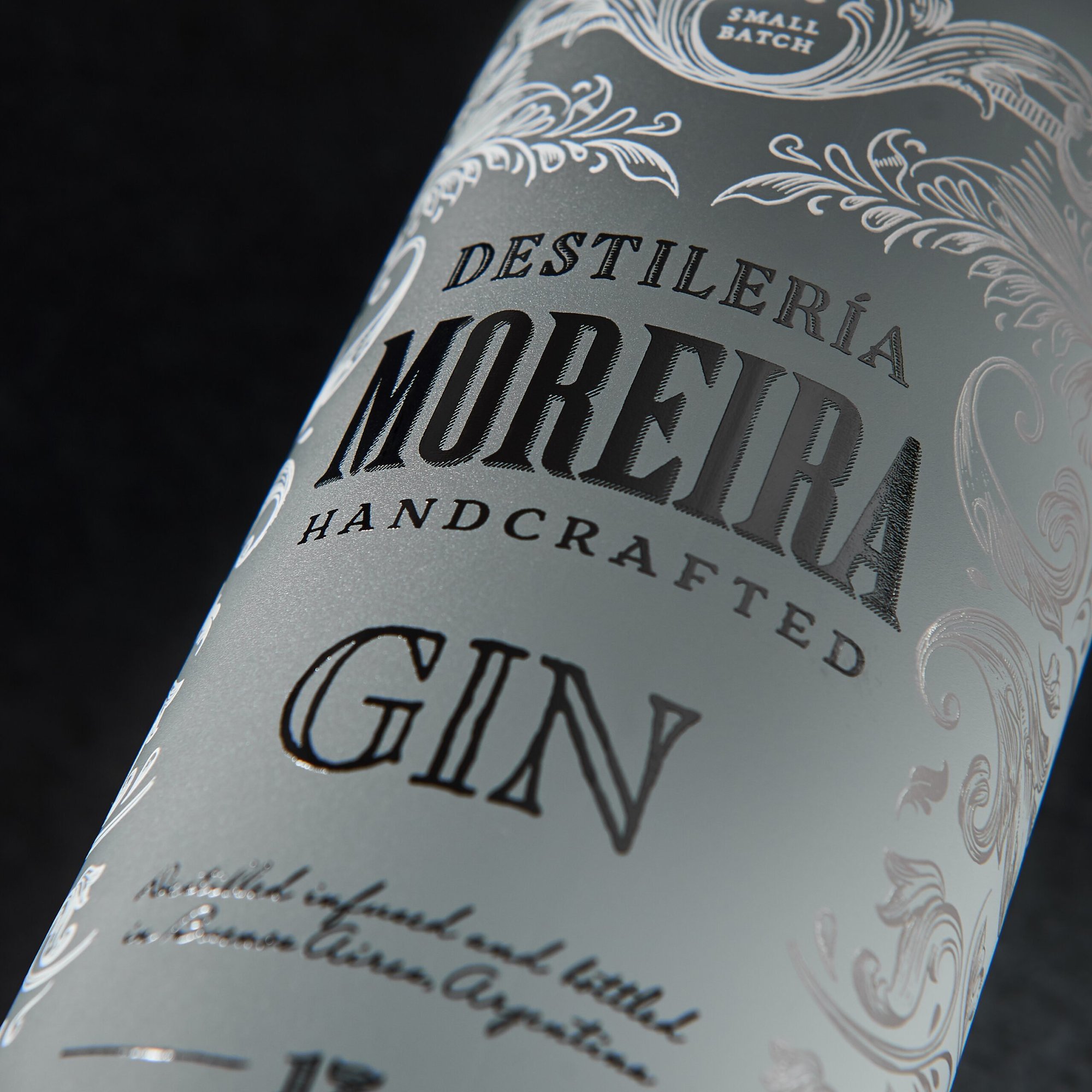
About Destilería Moreira
Destilería Moreira is a distillery-focused venue in Mendoza that has earned a Pearl 1 Star Prestige award in 2025, placing it among the city's recognised craft producers. Sitting within Argentina's foremost wine and spirits region, it offers a sense of place rooted in Andean terroir. For travellers building an itinerary around Mendoza's artisan production scene, Moreira represents one of the more seriously credentialed stops.
Andean Terroir, Distilled
Mendoza's identity has long been written in wine, but a quieter shift is underway. Alongside the Malbec-heavy bodegas that define the region's export reputation, a small cohort of craft distillers has taken root, drawing on the same Andean water sources, altitude advantages, and agricultural raw materials that make this corner of Argentina so compelling for fermented drinks. Destilería Moreira sits within that cohort, and its 2025 Pearl 1 Star Prestige award signals that the wider critical community has started paying attention.
The setting matters here in ways it does not at an urban distillery. Mendoza's western horizon is dominated by the Andes, snow-capped for much of the year, and the quality of light at this altitude — the province sits between roughly 600 and 900 metres in its agricultural zones — gives the landscape a clarity that visitors from sea-level cities find disorienting in the leading way. Approaching any serious producer in this region means passing through vine rows, poplar windbreaks, and irrigation channels that have structured the land since the late nineteenth century. That physical environment is not backdrop; it is ingredient.
Where Craft Distilling Meets Wine Country
Argentina's spirits production has historically lived in the shadow of its wine output. The country sends more Malbec to export markets than any other red variety from the Southern Hemisphere, and the bodega model, with its cellar doors, restaurant pairings, and tourism infrastructure, has set the template for how visitors engage with Mendoza producers. Distilleries occupy a different position in this ecosystem: smaller in scale, less institutionalised in their visitor formats, and often operating with a specificity of raw material and process that rewards a more focused kind of attention.
Peers in the regional artisan production scene include operations at various scales. Larger Mendoza bodegas like Terrazas de los Andes and Bodega Kaiken have built substantial visitor programs around altitude-grown Malbec and Cabernet Franc. Bodega Navarro Correas and Bodegas CARO operate within the wine-tourism infrastructure that now runs as a parallel economy to the city itself. Bodega Riccitelli represents the more boutique, winemaker-led end of that spectrum. Destilería Moreira occupies a distinct position: a distillery rather than a winery, its processes and outputs require a different kind of engagement from the visitor.
For context on how distillery tourism functions in other parts of the world, the Scotch whisky model is instructive. Producers like Aberlour in Aberlour have built their entire visitor offer around process transparency, sensory education, and a strong connection between the physical site and what ends up in the glass. That model translates well to Mendoza, where the altitude, water quality, and diurnal temperature range all leave measurable marks on distilled spirits.
The Landscape as Context
The editorial angle for any serious Mendoza producer is, ultimately, geographic. The Andes are not a scenic detail; they are the engine of the region's terroir. Snowmelt from the Cordillera feeds the irrigation systems that have allowed viticulture and agriculture to exist in what is otherwise a high-altitude desert. The dryness suppresses disease pressure, reducing the need for chemical intervention in the vineyard and orchard. The intense solar radiation at altitude accelerates ripeness while cold nights preserve acidity and aromatic complexity. These are conditions that a distiller can work with, not simply around.
The broader Argentine northwest offers further comparison. Bodega El Esteco in Cafayate and Bodega Colomé in Molinos operate at even higher elevations, producing wines that have made altitude a marketing cornerstone. Bodega DiamAndes in Tunuyán works the Valle de Uco, where cooler conditions push elegance over extraction. Each of these producers is, in a sense, making an argument about what their particular patch of Andean foothills can do. A craft distillery operating in Mendoza is making a version of the same argument, translated into a different category of drink.
Further afield, Familia Schroeder in San Patricio del Chañar demonstrates how Patagonian producers have carved out a distinct identity within Argentine production. Escorihuela Gascón in Godoy Cruz shows how urban-adjacent producers in greater Mendoza have built serious reputations. Bodega Norton in Luján de Cuyo represents the established, large-footprint end of the Luján appellation. Each data point maps the range within which a newer, award-carrying producer like Destilería Moreira is operating.
For a sense of how distillery tourism functions at the international premium tier, Fratelli Branca Distillery in Buenos Aires offers a reference point from within Argentina itself, while Accendo Cellars in St. Helena illustrates how a small-production, credential-driven producer in a famous wine region builds authority through awards and allocation rather than volume.
Planning Your Visit
Mendoza's producer visits are most rewarding between March and May, when harvest activity brings the agricultural cycle into sharp focus, temperatures are moderate, and the vine foliage turns before dropping. The shoulder months of September and October, as spring arrives, offer a second window with flowering vines and longer days. Summer (December to February) is manageable but hot, and midday visits to any outdoor terrace or open facility require planning around the solar intensity.
Given that Destilería Moreira's address and direct booking contacts are not currently listed in public-facing databases, the most reliable approach for planning is to reach out via the venue's own channels once confirmed, or to arrange through a Mendoza-focused travel specialist who maintains trade relationships with smaller producers. Award-holding boutique producers in the region often operate by appointment rather than walk-in, a format that produces a more focused visit but requires advance coordination, particularly during harvest season. See our full Mendoza restaurants and producers guide for broader itinerary context across the city and its surrounding valleys.
Frequently Asked Questions
- What kind of setting is Destilería Moreira?
- Destilería Moreira is a craft distillery operating in Mendoza, Argentina's primary wine and spirits producing region. The area is defined by its proximity to the Andes, high-altitude growing conditions, and a well-developed producer-tourism infrastructure. Its 2025 Pearl 1 Star Prestige award places it among the recognised producers in the city's artisan tier, which sits alongside larger bodegas like Terrazas de los Andes and Bodega Kaiken but operates at a different scale and with a distillery-specific visitor format.
- What wines or spirits should I try at Destilería Moreira?
- Destilería Moreira is a distillery rather than a winery, so its output is spirits-focused rather than wine-based. Mendoza's distillery scene draws on the region's agricultural abundance, including grape-derived bases and local botanicals. The 2025 Pearl 1 Star Prestige award provides a credentialed reference point for the quality of what is being produced, though specific product details are leading confirmed directly with the venue before visiting.
- What makes Destilería Moreira worth visiting?
- The combination of Mendoza's physical setting, with Andean views, high-altitude terroir, and a mature producer-tourism culture, and the venue's 2025 Pearl 1 Star Prestige recognition gives Destilería Moreira a stronger claim on an itinerary than an uncredentialed producer of similar size would have. It represents the craft-distillery tier of a region that has, until recently, been defined almost entirely by wine, which makes the visit editorially interesting beyond what is in the glass.
- What is the leading way to book Destilería Moreira?
- Specific booking contacts for Destilería Moreira are not currently available in public-facing listings. Given its award-holding status and likely boutique scale, booking through a Mendoza-based travel specialist or directly via the distillery once contact details are confirmed is advisable, particularly during peak harvest season (March to May) when smaller producers tend to fill quickly.
- How should I plan for Destilería Moreira?
- Build the visit into a broader Mendoza producer itinerary rather than treating it as a standalone trip. The March-to-May harvest window and September-to-October spring period offer the most rewarding conditions. Because address and booking details are not currently listed publicly, confirm logistics in advance through the venue or via a specialist operator. See our full Mendoza guide for pairing suggestions across the region's wineries and producers.
- Is Destilería Moreira one of the only distilleries in Mendoza with a formal award?
- Mendoza's craft distillery sector is considerably smaller and less institutionalised than its wine appellation system, which means formal award recognition carries more relative weight in this category. Destilería Moreira's 2025 Pearl 1 Star Prestige award distinguishes it within a peer group of regional artisan producers where credentialing of this kind is still rare. Visitors specifically seeking recognised craft spirits producers in Mendoza, rather than the well-documented bodega circuit, will find Moreira a logical reference point.
Related editorial
- Best Fine Dining Restaurants in ParisFrom three-Michelin-star icons to the next generation of Parisian chefs pushing boundaries, these are the restaurants that define fine dining in the world's culinary capital.
- Best Luxury Hotels in RomeFrom rooftop terraces overlooking ancient ruins to Michelin-starred hotel dining, these are the luxury hotels that make Rome unforgettable.
- Best Cocktail Bars in KyotoFrom sleek lounges to hidden speakeasies, Kyoto's cocktail scene blends Japanese precision with global influence in ways you won't find anywhere else.
Save or rate Destilería Moreira on Pearl
Keep this venue in your Pearl passport, rate it after you visit, and track it alongside every other place you collect.